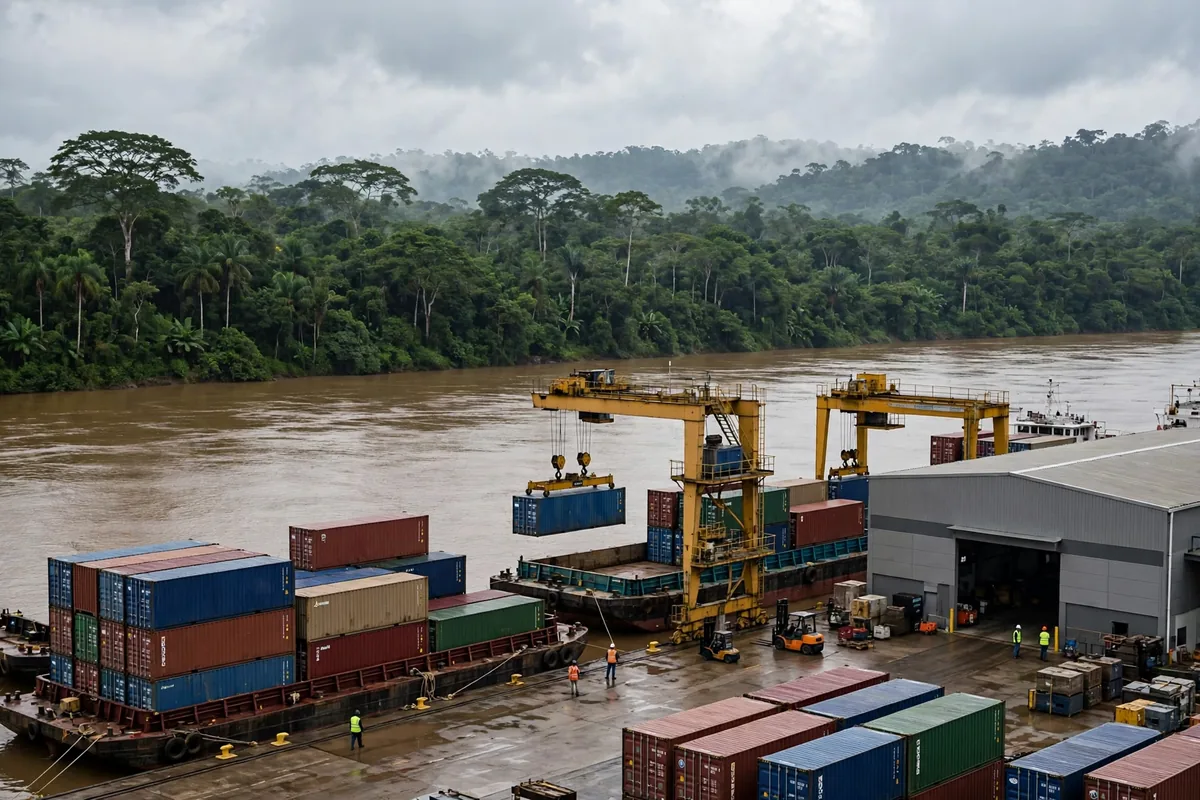
Here is my verdict up front: Manaus free trade zone warehousing cuts both ways. The tax breaks are real. The river is a real headache. People who only see the tax breaks start paying tuition the moment their cargo enters the rainforest. People who only see the river miss the cheapest ticket into the Brazilian market.
I have seen too many people underestimate Manaus. On a map it sits on the Amazon River, deep in Brazil, looking almost central. In practice it is an island — no railway in, no highway out. Everything moves by river or by air. The Manaus Free Trade Zone, set up in 1967 and run by SUFRAMA, offers genuine tax incentives. But that discount goes to people who can assemble locally and live with river rhythms, not to traders who want fast in-and-out.
Put simply, the first line of the Manaus warehousing bill is not rent. It is whether your cargo belongs there at all.
Where the Manaus Free Trade Zone Tax Advantage Actually Lives
The core logic of the free zone is one line: products assembled inside the zone enjoy tax benefits when sold across Brazil. Electronics are the backbone here — TVs, phones, motorcycles, a whole assembly chain clustered in the rainforest. That makes a Manaus warehouse something different from an ordinary distribution center. It is a feeder warehouse for assembly lines.
A couple of years ago a Shenzhen tablet-accessories client came to me wanting to ship knocked-down kits to Manaus, assemble them, and sell into Brazil. His math was simple: kits carry a lower import tax burden, assembled units enjoy the zone's benefits, so the landed cost beats importing finished goods by a wide margin. On paper he was right. He had missed two things. One was the local-content requirement — the zone sets thresholds on local sourcing and on the production steps that count as assembly, and screwing on a few screws does not qualify. The other was the stocking rhythm: kits need to be staged two months ahead, capital sits on the water, and cash flow gets thin before a single unit sells. Check current rates and local-content rules against the official sources before quoting anyone — the details move year to year.
He went ahead in the end, but with a different play. He rented a small 800-square-meter bonded warehouse inside the zone, stocked only fast-moving common parts, and air-freighted the special parts against real orders. Small warehouse, ten minutes from the assembly plant, and the line never waited more than a day for a missing part. He got the tax break. The price was rebuilding his stocking model — from buy-to-order to buy-to-river-schedule — and doubling his safety stock.
The River Sets the Clock for Manaus Free Trade Zone Logistics
Manaus to Belem is roughly 1,500 kilometers of river, the main way cargo leaves the rainforest. A barge takes several days for the full run, and the rainy season and the dry season are two different worlds. The Amazon's water level at Manaus swings by something on the order of ten meters across the year. When the river is high, barges run fast. When it drops, shallow stretches, groundings, and light-loaded barges follow, and schedules slip without warning.
Last rainy season a shipment left Manaus for Sao Paulo ahead of a promotion, routed by river to Belem and then overland, with 18 days of buffer built in. The barge waited nine days mid-river for the water level. By the time the cargo reached Belem, the promotion had been running for three days. The owner told me later he refreshed the carrier's tracking page three times a day for nine days and could do nothing about any of it. That is the counterintuitive part of Manaus free trade zone warehouse logistics: the biggest variable in your inventory plan is not demand. It is the river.
So veterans in Manaus stock to two clocks. In the rainy season they plan by sailing schedule; in the dry season they plan by water level; and critical cargo flies. Air freight is expensive, but it is cheap next to a stockout that loses a customer. My rule of thumb: split cargo into three tiers — common parts by river, stocked early; seasonal winners one sailing ahead; emergency replenishment by air only. Three tiers, and the math finally adds up.
Bonded Warehouse Rules, the Local Way
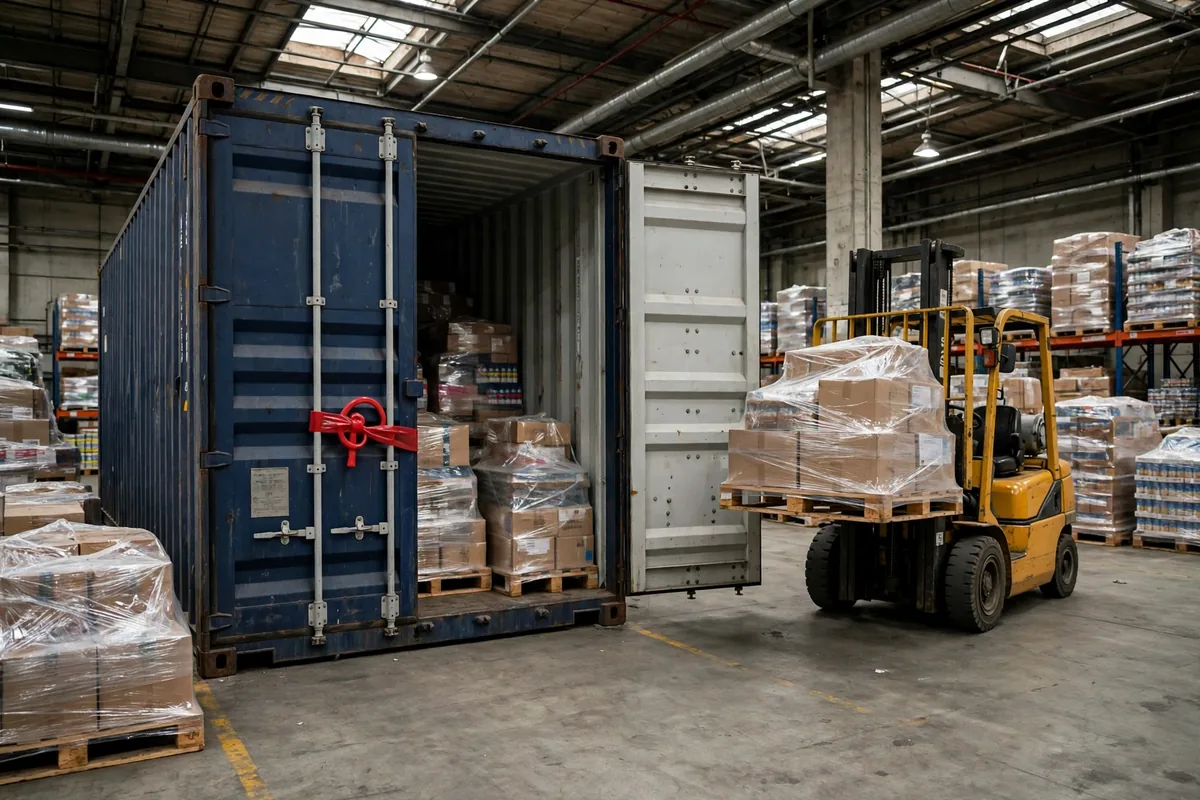
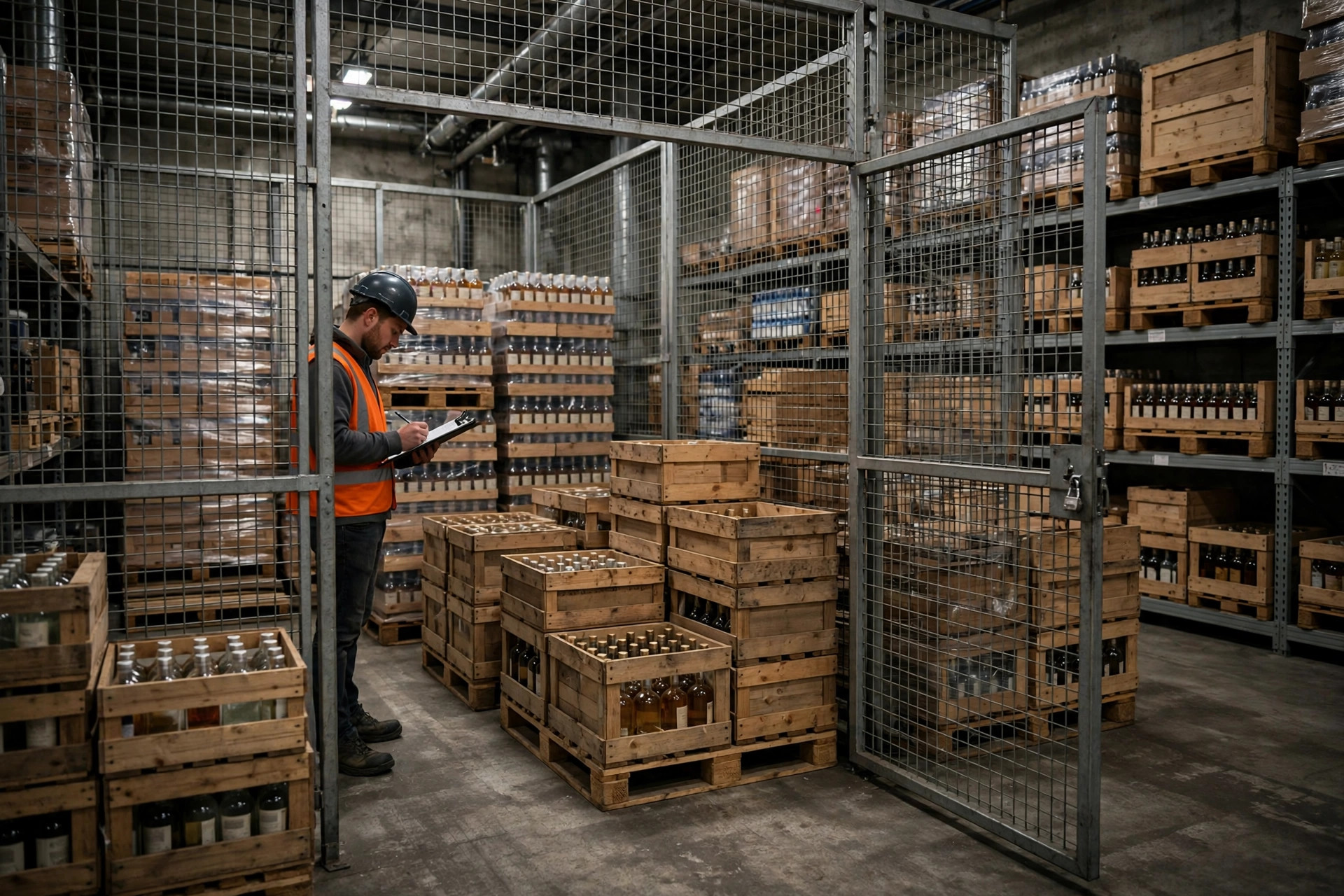
Running a bonded warehouse in Manaus is not the same as running one in Sao Paulo. First, the paperwork: kits in, assembled goods out, domestic sales out — each step has its own documentation standard, and your customs broker must have done assembly business locally. Brokers brought in from outside the region trip over the paperwork constantly. Second, batch control: bonded and duty-paid materials must be stored separately and accounted for separately. Mix them and the stock count will make you cry. Third, the exit rhythm: finished goods must clear customs at least 48 hours before the sailing, or you wait for the next boat.
My bonded warehouse checklist for Manaus has exactly three items: does the broker have local assembly experience, are bonded and duty-paid stocks physically separated, and is there one sailing's worth of buffer in the customs clearance plan? Pass all three and the warehouse runs. Fail one and half the tax break eventually comes back out of your pocket.
| Model | Best for | Where the money goes | Biggest risk |
|---|---|---|---|
| Assemble in-zone + bonded warehouse | Electronics, motorcycles, anything with a real assembly step | Local-content compliance and capital tied up in stock | Assembly thresholds and sailing volatility |
| Pure bonded distribution | Traders who only want the tax break as a pass-through | Storage and second-leg transport | Policy wording shifts; the break never fully lands |
| Ship direct to Sao Paulo | Fast-moving goods where speed and certainty matter | Full import duties and Sao Paulo rents | Higher duties, but a controllable timeline |
That table is a scenario illustration — rerun it against your own product mix and order profile instead of copying the shape of it.
Cut both ways, then: Manaus free trade zone warehousing suits two kinds of operators — those genuinely building an assembly footprint in Brazil, and those willing to treat river rhythm as part of the plan. It rewards the operator who plans around the river instead of fighting it. If you only want the tax break without changing your supply chain, stay away. A warehouse deep in the rainforest rewards patient operators.
That is the whole game in Manaus free trade zone warehousing: the tax break pays for patience, not for speed.
So here is the question to answer before you rent a single square meter: does your cargo have a step that only earns the tax break through assembly? Get that answer straight first, and the warehouse size sorts itself out.
By Lao Mi, Supply Chain Veteran (20 yrs)