Let me start with a complaint about the Malaysia durian export cold chain. Too many newcomers ask one question first: how fast is air freight? As if fast automatically means profitable.
I thought that too, at first. My early shipments taught me otherwise. Fast also means low tolerance for mistakes, high costs, and zero room to fix things once fruit is moving. One slipped link, and the whole shipment feels like a roller coaster.
So I split my business into two lanes. Fresh goes by air. Frozen goes by sea. Each lane does its own job. This is the honest review of that setup: what worked, what hurt, and what I would not repeat.
Don't Pick a Lane Before You Read the Malaysia Durian Export Cold Chain
Picture an early morning in a Pahang orchard. Still dark, workers already under the trees, waiting. Durian is a tree-ripened fruit. It counts only when it drops. You cannot pick it early and hope for the best, or leave it lying on the ground long. Drop, collect, weigh, grade. Every move has to be quick and gentle. One knock on the shell becomes a scar the buyer will notice, and no explanation fixes that.
That morning taught me something simple. The cold chain does not start at the cold store. It starts under the tree. If fruit sits warm too long, no cold store later can recover what was lost.
So now I grade the fruit first, then pick the lane. Ripeness, size, and appearance decide it. The best fruit at exactly the right ripeness goes fresh by air. Slightly uneven but great-flavored fruit goes frozen instead. Forcing borderline fruit into a fresh box is how you buy complaints.
On varieties, buyers ask most about Musang King and D24. Those names open doors, but a variety name is not a guarantee. The same variety from different orchards and batches can vary a lot. A seller who gives me only a variety name and no batch details gets more questions from me. Always.
There is also a trend worth watching: GI origin certification. Buyers used to ask only how fragrant the fruit was. Now more ask where it came from and whether the origin story checks out. That is trust, built into the chain. Fruit with a clear origin story will get easier to sell; fruit with a murky story will get harder.
Fresh by Air: Tree-Ripened, Fast, and Brutally Expensive
The selling point of fresh air freight is one word: fresh. Tree-ripened fruit can reach China within hours by air. When the buyer opens the box, the aroma and texture are at their peak. Frozen fruit, however good, cannot copy that moment.
But this lane has a temper. During one peak-season shipment, grading and packing both went to plan, then the flight leg dragged and the cargo waited longer on the ground than anyone wanted. The fruit was not spoiled on arrival. It was just no longer stunning. And fresh fruit sells on stunning. A small drop in that wow factor changes the buyer's whole tone.
After that, I set hard rules for the fresh lane. First, grading finishes near the orchard; do not haul ungraded fruit around and sort it later. Second, pack only the best batch of the day. One fewer box beats mixing in weaker fruit and dragging the average down. Third, build slack into the schedule. A plan with no slack for surprises is not a plan.
There is also a hidden cost newcomers miss: communication. While fruit is in the air, buyers keep asking. Has it arrived? How does it look? Can you send an unboxing video? Fair questions. But without live status and an agreed inspection standard in advance, you spend the day answering messages instead of running your business. So before shipping, I send the inspection standard, unboxing photo requirements, and the process for problems. The rules arrive before the fruit does.
When you cost the fresh lane, cost everything, not just freight: fruit loss, messaging time, after-sales work, replacements. Judging by freight alone gives the wrong answer.
Frozen by Sea: Cold Storage and a 12-Day Controlled-Atmosphere Voyage
I did not respect the frozen lane at first. In my head, frozen sounded like second best. Running it properly changed my mind. Frozen is not a downgraded version of fresh. It is a different business.
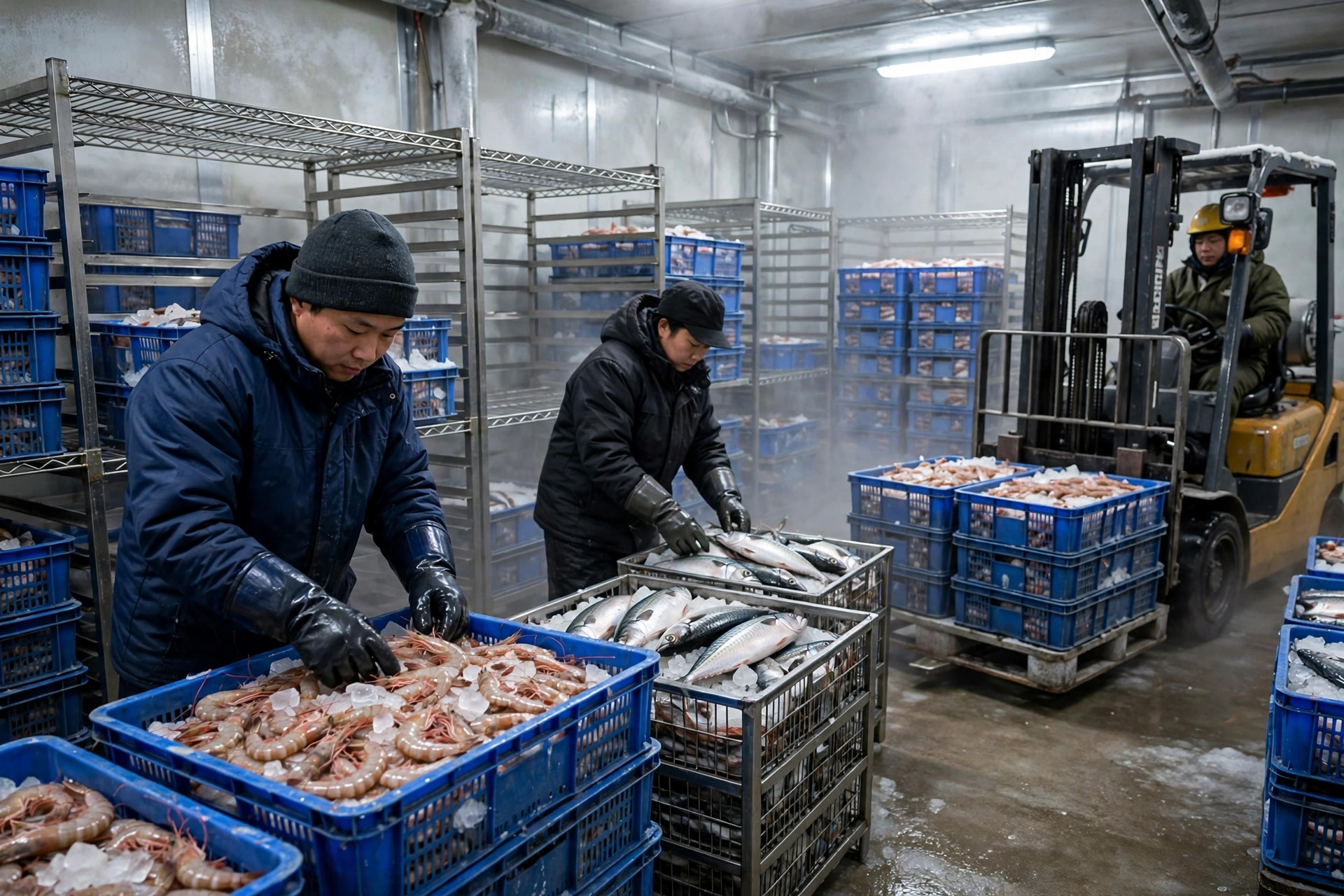
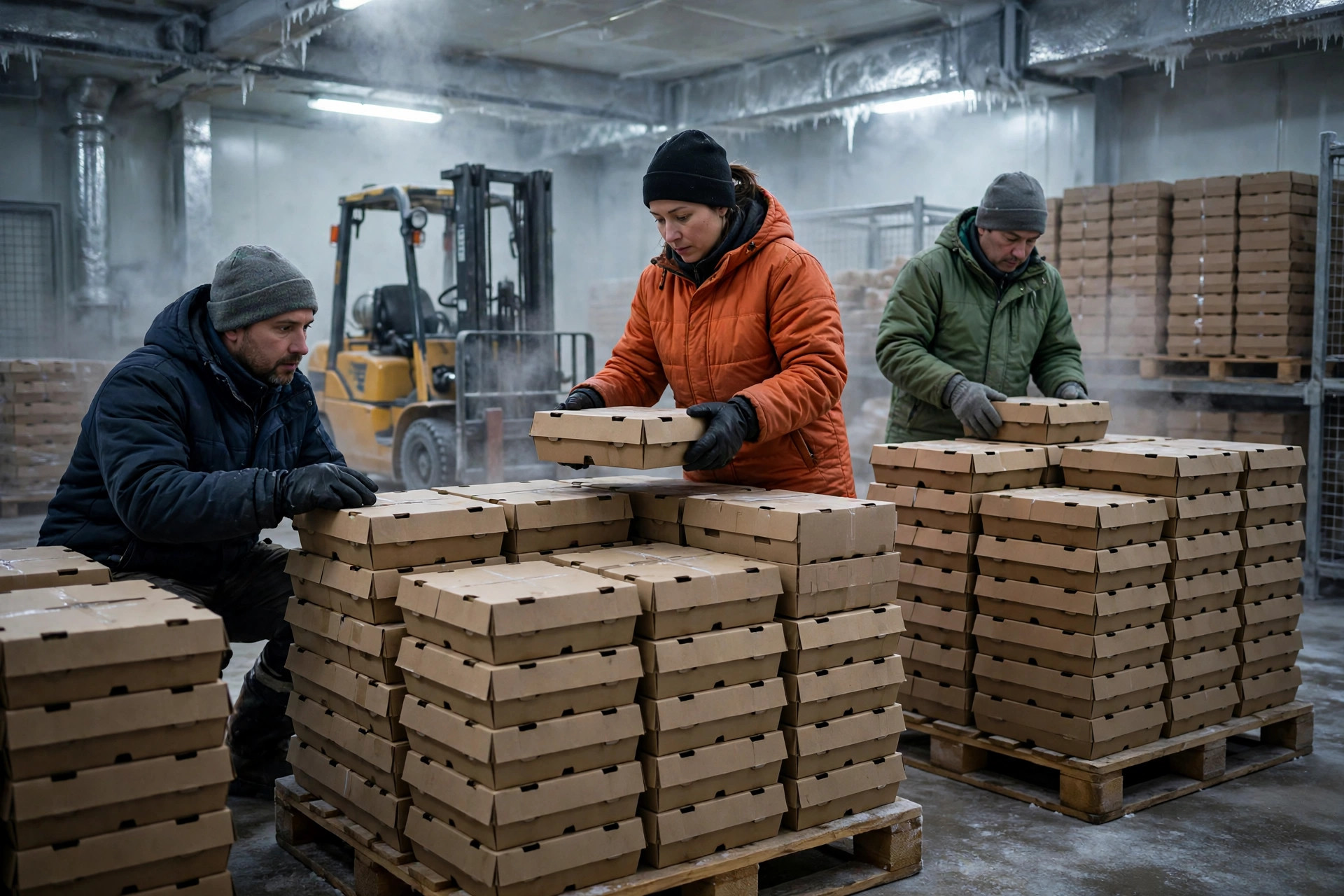
Start with the cold store. Before fruit goes in, its condition has to be locked in. Then storage temperature must hold steady at minus eighteen to minus twenty degrees Celsius. Note the word steady, not average. Up and down is worse than slightly high and stable. Door openings, stacking density, and blocked vents all affect how even the temperature stays.
I saw this in one cold store: workers stacked cartons right in front of an air vent to fit more pallets in. On paper, room temperature looked fine. In reality, the blocked pallets were not getting proper airflow. We changed the rule: leave air channels, never stack in front of a vent, and spot-check carton temperatures in different positions at intake. Fussy-looking, but it saves a pile of after-sales trouble.
Then comes sea freight. Frozen fruit can travel in controlled-atmosphere containers, and there has been trial experience of a twelve-day controlled-atmosphere voyage reaching a Chinese port. That sounds slow. But for frozen fruit, time is not the enemy; temperature swings are. Hold temperature steady all the way, and a longer voyage is far more predictable than a rushed fresh shipment.
The frozen lane has another advantage: you control the rhythm. The fresh lane chases the fruit. When it ripens, you move. The frozen lane lets you freeze and store first, then ship to match orders. You ship by batch, manage stock by batch, and peak season stays manageable instead of chaotic.
The frozen lane has its own traps, though. The biggest is thawing. If buyers do not know how to thaw the fruit, how long it takes, and how long it keeps after thawing, the experience falls apart. So every frozen shipment goes out with a thawing guide: clear steps, plain language. One sheet blocks most after-sales questions.
The other trap is batch discipline. Frozen fruit sits in storage a while, and batches from different orchards and dates get mixed up if you are not careful. My rule: label every batch at intake, ship by batch, and write first-in-first-out on the job sheet. Never rely on memory.
Malaysia Durian Export Cold Chain: My Two-Lane Decision Table
Enough talk. Here is my decision table. It is not theory. It is what survived after paying for my mistakes.
| Lane | Best for | Biggest fear | How I run it |
|---|---|---|---|
| Fresh by air | Top-grade fruit at perfect ripeness | One delay, quality slips | Pack only the best batch, agree inspection rules first, leave slack |
| Frozen by sea | Great-flavored fruit, your own order rhythm | Unstable temperature, unclear batches | Steady cold storage, air channels, batch labels, thawing guide |
Here is the counterintuitive call. Most people assume fresh air freight is the most premium lane, so it must be the most profitable. For most small and mid-sized sellers, the frozen lane is easier to make pay. Fresh earns on wow, and wow comes with high loss, high messaging, and high uncertainty. Frozen earns on stability, and stability comes from doing the basics well: cold storage, batches, thawing guidance. Once the basics are solid, the rest gets calmer.
There is another trade-off people miss. The bigger your fresh lane gets, the more you depend on single links: flight, ground handling, clearance. If any one breaks, you have no buffer. The bigger your frozen lane gets, the thicker your buffer becomes. Stock is your buffer. Batches are your backbone. Before picking a lane, ask which kind of risk you can actually live with.
A few warnings, all in one place. First, do not judge frozen fruit by fresh standards, or squeeze fresh fruit with frozen prices. Two lanes, two businesses. Second, do not pick a cold store on price alone. Check temperature records, airflow, and batch handling. A cheap cold store can turn out very expensive in after-sales costs. Third, explain inspection and thawing before shipping. Fourth, sort out origin and batch records early.
Let me be blunt. In the durian business, the long game is not won by whoever has the most fragrant fruit. It is won by whoever has the steadiest chain. Fragrance is a moment. Steadiness is a business. Fresh and frozen are not enemies. They are two legs you can use together, and which leg leads depends on your fruit, your buyers, and your rhythm.
One conclusion is solid: figure out the chain first, then talk price and volume. Never the other way around.
This one I have personally tested, and it works.
By Ah K, E-commerce Seller (5 yrs)