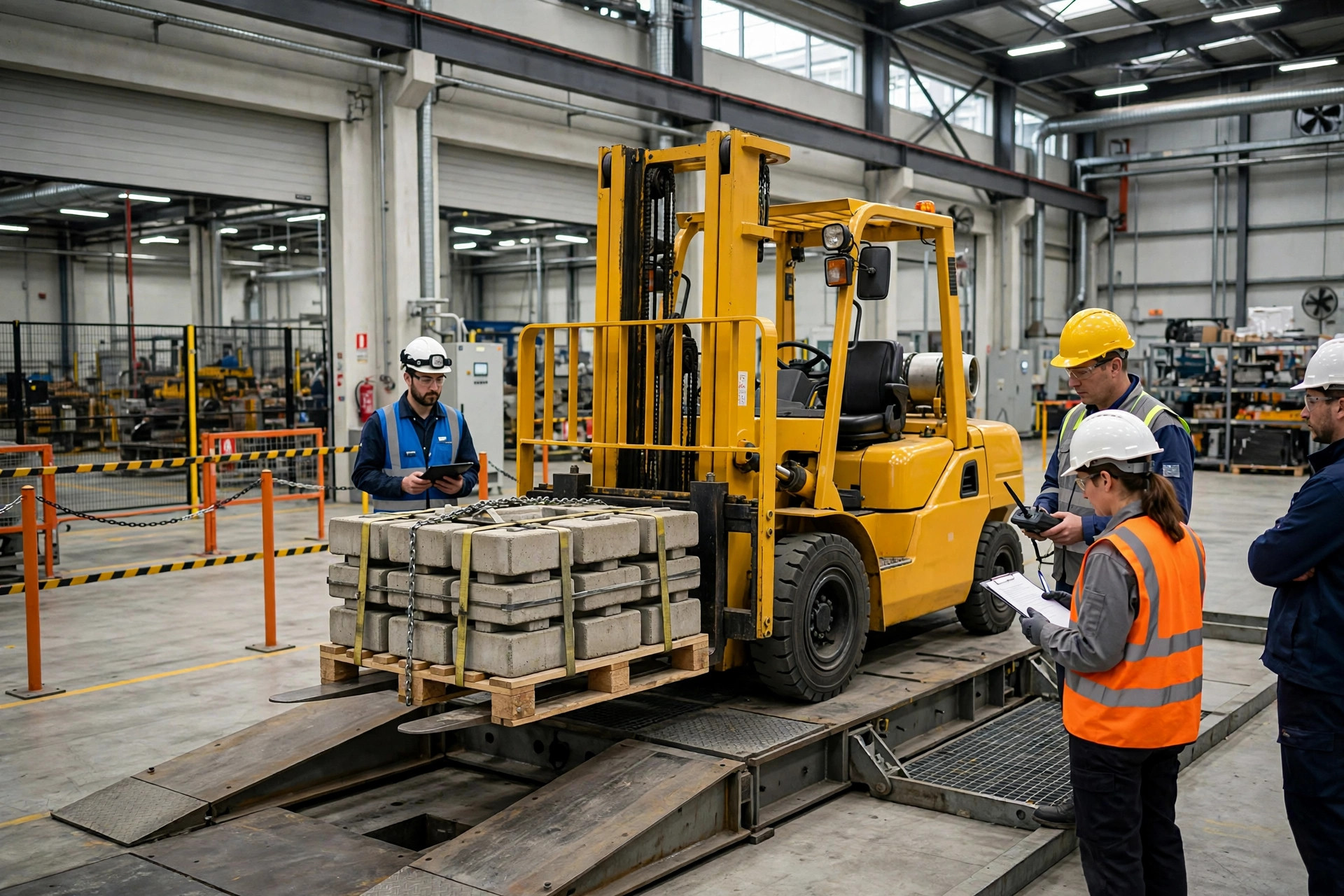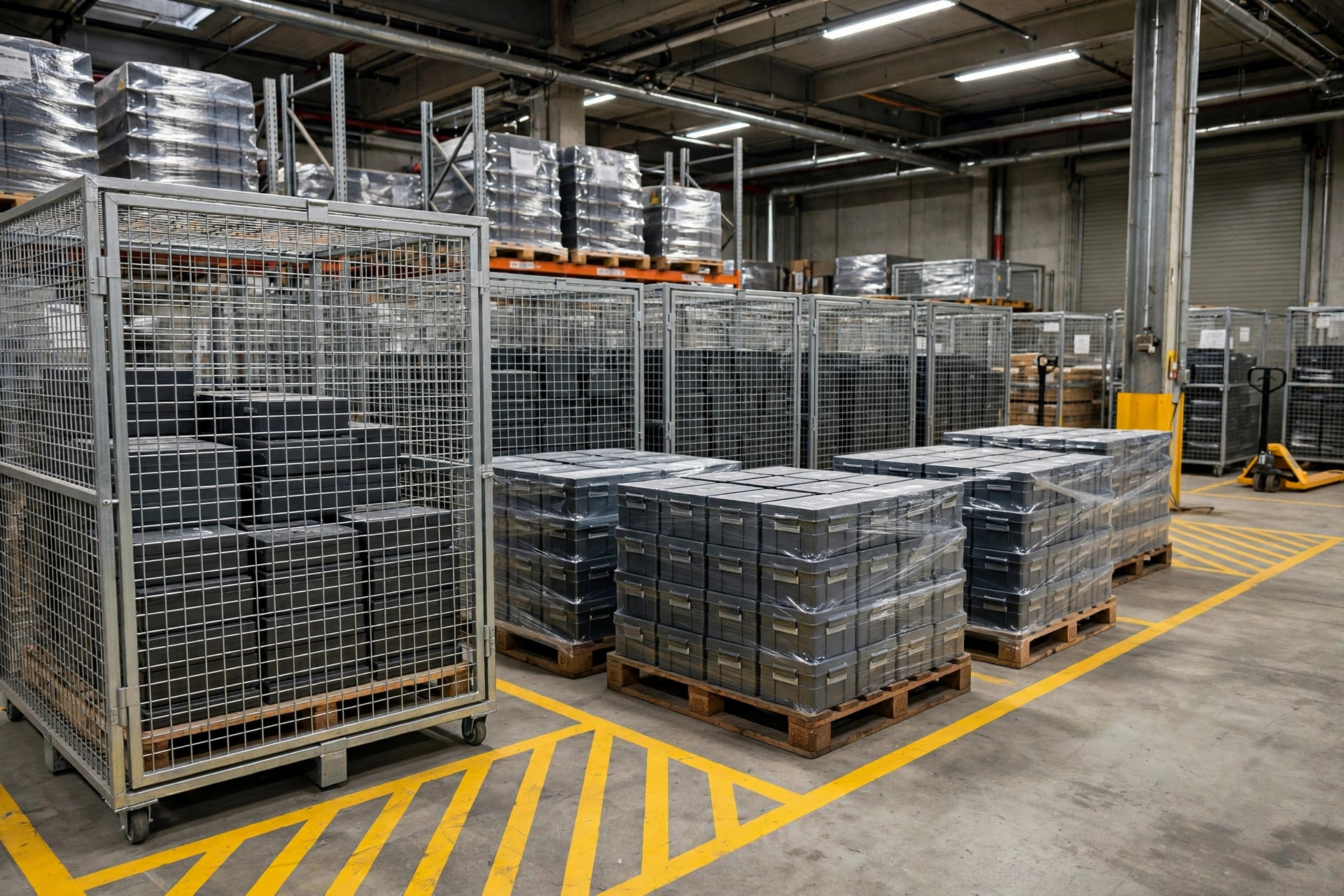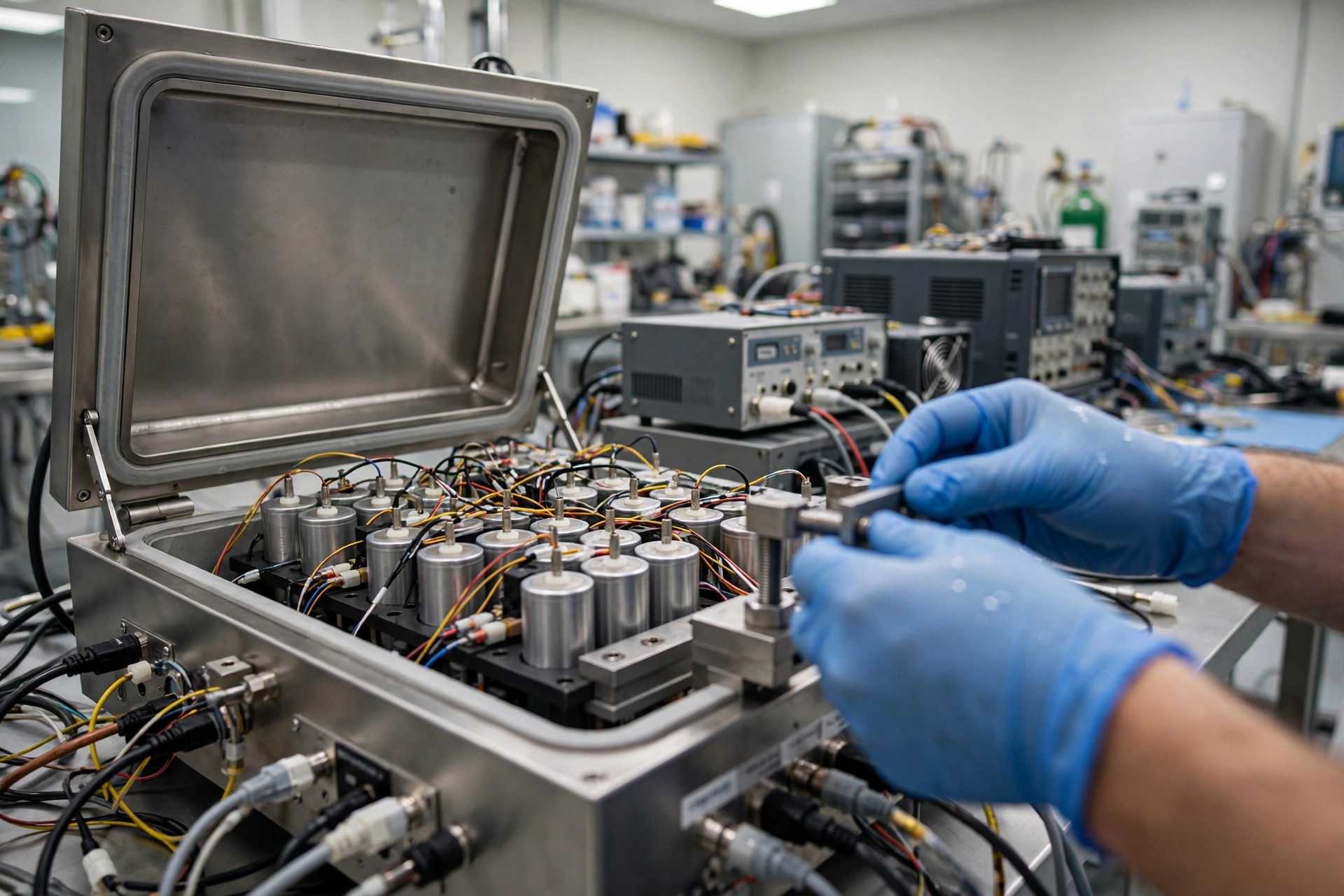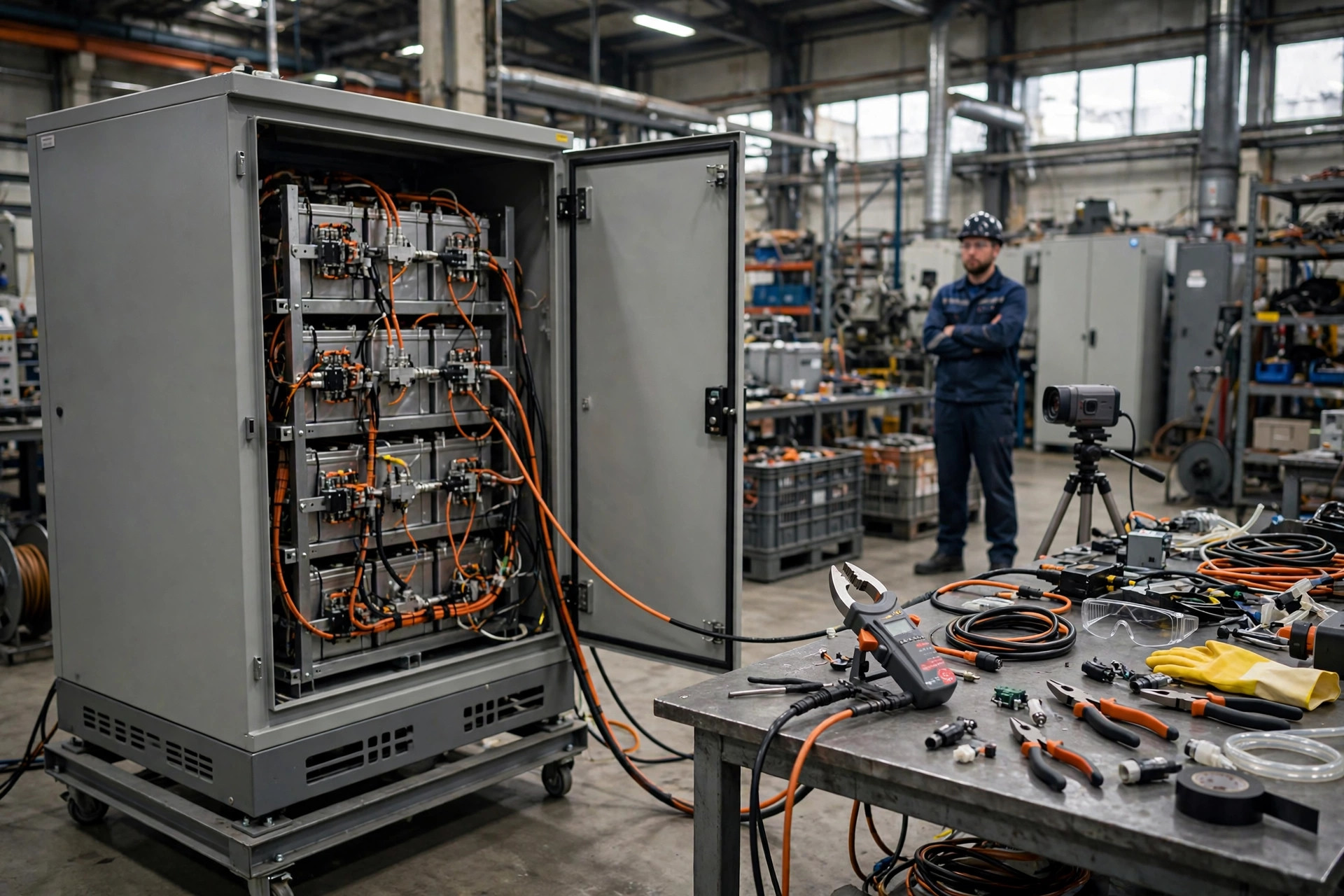
A friend of mine builds battery modules in Dongguan. In the fall of 2024 he called me, frustrated. He had spent three months and burned through a dozen sample sets to pass all eight UN38.3 tests, had his transport certificates and MSDS in hand, and figured the US market was halfway open. Then at a trade show, the first serious buyer asked a single question: "Do you have a UL listing?" He froze. UL? Wasn't that the same thing as UN38.3?
It is not the same thing, and that is the first thing I need you to hear. UN38.3 decides whether your batteries can board a plane or a container ship. UL 1973 and UL 9540 decide whether those batteries can go into a US project, pass the fire marshal, and get insured. One governs transport, the other governs product safety, and their test reports are not interchangeable. I have watched more than one manufacturer pour months into testing only to stall on certification, with purchase orders frozen for half a year.
Two Gates, Two Different Keys
UN38.3 belongs where it belongs: it is a section of the UN Recommendations on the Transport of Dangerous Goods, written specifically for lithium battery transport safety. Eight tests — altitude simulation, thermal cycling, vibration, shock, external short circuit, impact or crush, overcharge, forced discharge. Passing proves the shipment will not catch fire in transit. Freight forwarders care, carriers care, customs cares. US project owners, fire departments, and insurers do not.
Product safety speaks a different language. Cells fall under UL 1642. Stationary battery systems fall under UL 1973. A complete energy storage system — battery racks plus battery management, inverters, fire suppression linkage — falls under UL 9540. When the local authority reviews a project against NFPA 855, the installation standard for energy storage, one of the key pieces of evidence it wants is a thermal runaway propagation test report done to the UL 9540A test method. Note carefully: UL 9540A is not a certification. It is a test report the fire department uses to decide how far apart your cabinets must sit and what fire protection the site needs.
So the chain looks like this: UN38.3 gets your goods to a US port. UL 1973 and UL 9540 get your product into projects. The UL 9540A report gets the fire marshal comfortable enough to sign off on installation. Miss any link and the deal dies. The classic mistake is treating step one as the whole journey.
Which Doors You Actually Need to Walk Through
Break the path down by what you sell. Trying to certify everything at once is the fastest way to burn money.
Selling cells? Your starting point is UL 1642, the cell-level safety standard covering abuse conditions. One honest warning: a UL 1642 cell alone is nowhere near "install-ready." When your downstream integrator certifies to UL 1973 and UL 9540, the cell is just one piece of a much bigger puzzle.
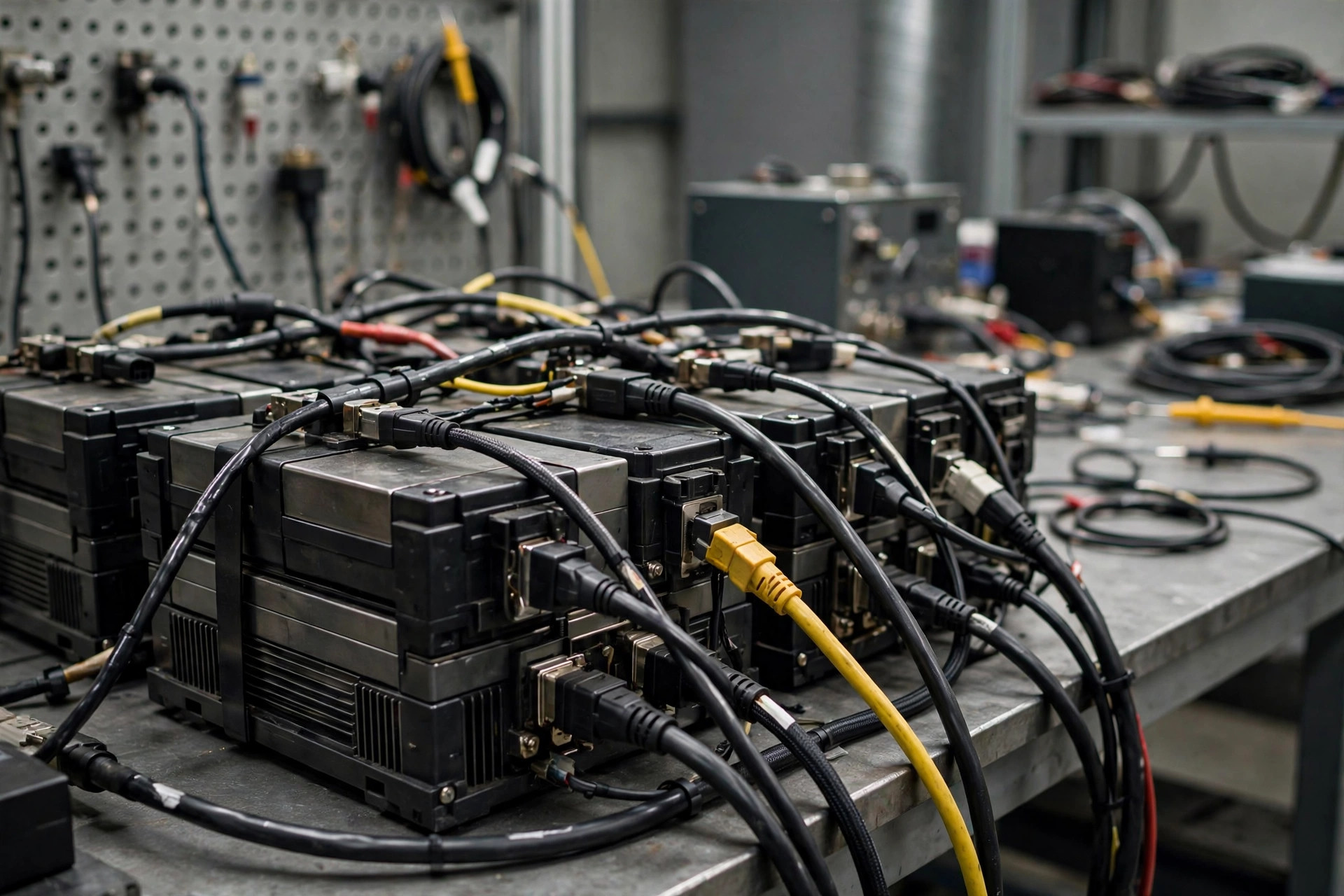
Selling modules or battery racks? UL 1973 is your main event. It covers stationary and motive auxiliary power batteries — electrical safety, mechanical construction, environmental tolerance, and battery management system functionality. Commercial and containerized storage batteries live or die here.
Selling complete storage systems? There is no way around UL 9540. It judges system-level safety: batteries, management electronics, inverters, fire suppression, and ventilation, all working together. Many Chinese manufacturers think of a "system" as batteries in a box. Under UL 9540, the fire linkage logic and the isolation strategy during faults get just as much scrutiny as the cells.
On the certification route itself, a full product Listing is the strongest credential you can hold. Recognition is the component-level version, suited to cell and module sellers. If a project deadline is breathing down your neck, there is a fire-escape route called field evaluation — the certifier sends engineers to the installation site and evaluates the equipment there. It gets the project moving, but treat it as emergency medicine, not a go-to-market plan. The cost and uncertainty are both high.
I will not quote timelines or fees, because they swing wildly with product complexity, and printing a number would be irresponsible. Get current quotes from your certification body. As a sense of scale: a UL listing is measured in months, you will need multiple sample sets, and every round of rework costs weeks. Put certification at the front of your project plan, not after the purchase order lands.
The Three Findings That Fail Most Often in the Lab
First, incomplete protection logic in the battery management system. UL 1973 has explicit expectations for overvoltage, undervoltage, overtemperature, and overcurrent protection — and often wants a second layer of protection independent of the main controller. I have seen plenty of BMS designs where the whole protection scheme collapses the moment the main chip dies. That fails in the first round, and the fix is hardware, not a firmware patch.
Second, thermal runaway propagation. The UL 9540A test forces one cell into thermal runaway and watches whether heat and flame spread to neighboring cells and the full rack within the allowed window. Many manufacturers separate cells with nothing but a thin insulation sheet, and the fire punches straight through. The remedies are always the same three — thermal barriers, venting paths, spacing — but each one touches the structural design. Leave no margin at the prototype stage and the rework gets painful.
Third, the one that looks trivial: markings and documentation. Warning label wording and placement, wiring diagrams, installation manuals, maintenance instructions — UL has detailed requirements for all of them. I once watched a project lose two weeks because the labels did not comply, with an engineer flying over essentially to stick labels on cabinets. Documentation is the cheapest rework there is, and the easiest to overlook.
My concrete advice for first-time US market entrants: do not rush into UN38.3 testing. That comes right before shipment. Start with a gap assessment from your certification body — walk your product line by line against UL 1973 or UL 9540, get the rework list first, then schedule testing. Do it backwards and every burned sample is money down the drain.
One question to take back to your team: does your BMS have protection circuitry fully independent of the main controller? If not, expect rework at the UL gate — and fix it now.