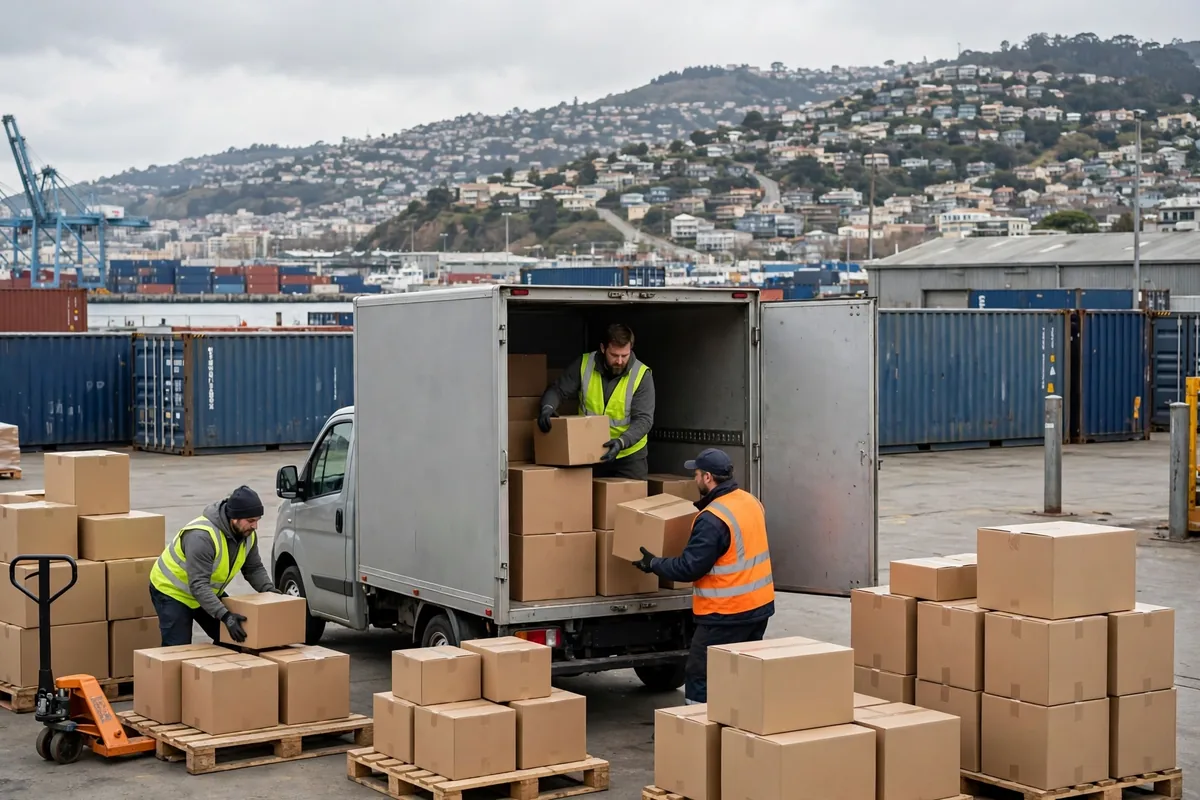
Let me give you the conclusion up front, because Lima urban distribution punishes anyone who plans it backwards. Do not try to save money by skipping a staging point near the port, and do not expect one big truck to run straight from Callao into downtown Lima and finish the job. Port pickup, city access rules, and hillside streets are three separate problems, and if any one of them is missing from your schedule, your delivery cost quietly doubles on the road. I have seen too many operators plan Lima like a flat grid city, then watch the whole day fall apart at the same point: the truck arrives, the goods cannot get in, and nobody is there to receive them.
The Lesson I Learned at the Gate of Callao Port
A few years ago I helped a client selling small home goods set up a South America route. Freight came out of Callao, bound for three stores in Lima and one small cross-dock point. The plan looked clean on paper: pick up in the morning, sort at midday, stock the stores by afternoon. Day one blew it up. Pickup paperwork and inspection took most of the day longer than planned, and by the time the trucks reached the city they ran straight into restricted hours. They waited on the outskirts, and by the time they could enter, the store receivers had gone home. The goods spent the night on a truck in a temporary parking lot, and the next day we paid for redelivery, parking, and another day of labor.
There are two sides to this. On one side, port pickup carries real uncertainty: documents, inspection, and queues can each push you back half a day. On the other side, city delivery cannot be scheduled off the port's clock at all; it has to be worked backwards from the hours when stores can actually receive. We changed one thing and the whole route steadied: pickup day stopped being a delivery promise. The only job on pickup day was to get the goods safely to a suburban staging point for overnight sorting, and the next morning trucks went out in waves matched to each store's receiving window. That is the whole lesson: in Lima, keep pickup day and delivery day apart.
I learned the opposite lesson the hard way too. Another client refused a staging point to save the handling fee and sent the big port truck straight into the city. It got stuck trying to turn around on a narrow hillside street and blocked the lane for nearly an hour. Two stores missed their receiving windows entirely. The trip that looked cheaper on paper ended up costing more in waiting labor, temporary parking, and next-day redelivery — roughly twenty to thirty percent more than running through a staging point. Since then I never argue from the per-shipment freight rate. I argue from total landed cost at the door: truck waiting, goods waiting, people waiting for someone to open the door. Every minute of it is money.
The Three Hard Costs of Lima Urban Distribution
Lima urban distribution has to be costed as three separate bills, or you will never see where the money leaks. The first is the port-to-staging leg. The distance is short, but pickup waiting time has to be priced into labor and vehicle occupancy. The second is the staging-to-city leg, where a big truck in a narrow alley or on a slope is the real risk: one vehicle losing half an hour to a bad turn can cost you two or three deliveries that day. The third is failed-delivery cost — no receiver at the store, an address nobody can find, a hillside address the truck cannot reach. Goods come back and go out again, and that is the most wasteful money in the whole chain, precisely because nobody budgets for it.
I always cost the third bill first when I look at a client's numbers. One redelivery often costs as much as half a person-day of sorting and checking. Confirming the receiving window, the contact's phone number, and slope access before the truck leaves is far cheaper than sending it back. Access rules, restricted streets, and special time controls change, so check the latest official policy before dispatch and never run this month's route on last month's rules.
Inland distribution is the same bill extended. Lima is not only a destination; much freight passes through Lima toward inland cities. That changes the trade-off. A city staging point serves Lima stores well, but inland freight has no business entering the city just to come back out. Where it can be split at the port area or a suburban hub, keep it out of the city. My practice is two separate lines: a local line through the staging point with small vehicles, and an inland line through a suburban consolidation point on linehaul trucks. They share pickup and sorting, but their delivery legs run separately. Mix them together and local orders get dragged down by inland freight, while inland freight gets dragged down by city restrictions. Both sides lose.
Three Lima Urban Distribution Plays, and How I Choose
| Play | Best for | How the cost feels | The trap |
|---|---|---|---|
| Big truck, port straight to city | High volume, few clustered receivers | Cheap per shipment on paper | One restriction clash ruins the whole day |
| Suburban staging plus small vehicles | Many stores, scattered addresses | An extra handling step, but reliable | A staging point too far from the city is wasted |
| Night consolidation plus daytime top-up | Core commercial districts | Clear roads at night, expensive labor | Stores with nobody there at night mean a wasted run |
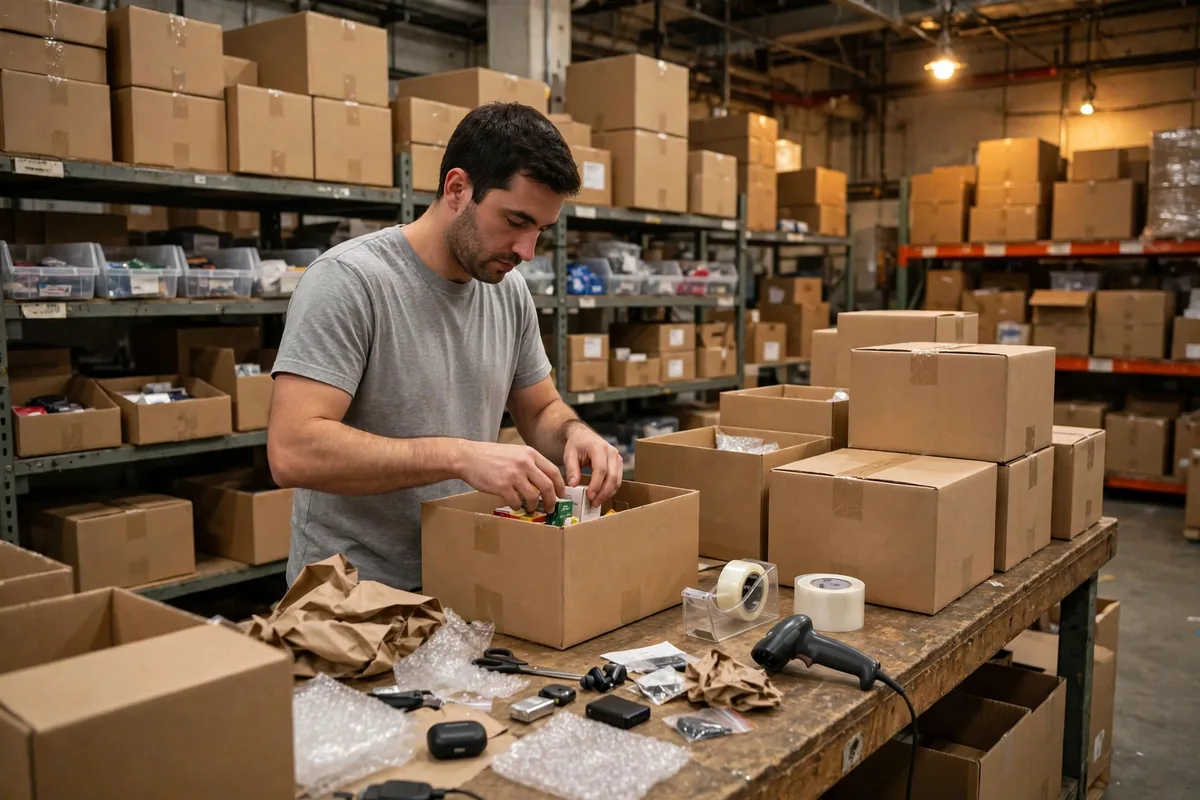
I have seen too many operators compare only the per-shipment rate and pick direct delivery, then lose the savings to redelivery and waiting. My judgment is simple: once you serve more than about five stores with scattered addresses, stop skipping the staging step. Small vehicles are flexible, they handle slopes and narrow lanes, and they can work through receiving windows one order at a time. A big truck cannot do that. The staging point does not need to be large either. A site that can hold goods overnight, sort them, and take a forklift is enough. Location matters more than size.
The Hillside Leg Is Not Flat-City Driving
Plenty of Lima neighborhoods sit on slopes, and loading has to change with the terrain. Heavy goods low, light goods high, cartons stacked with braking room to spare. It sounds like common sense until a load shifts on an uphill stop and three crushed cartons at the store cost more than the whole trip's freight. Here is the counterintuitive call: on slope routes, run two trips with small vehicles rather than forcing one big truck through. The extra fuel is visible and small; the cost of crushed goods or a truck wedged on a slope is hidden and usually much larger.
If you are setting up Lima urban distribution, here are three practices you can use directly. First, schedule pickup day and delivery day separately, with a staging point as the buffer between them. Second, confirm every order's receiving window, contact, and slope access before dispatch, and hold any order you cannot confirm. Third, review redelivery reasons every week; on any route where redelivery passes one in ten orders, fix the schedule before you negotiate the freight rate. On vehicle choice, do not go big for the sake of it: slope-heavy, narrow-lane areas belong to small vans and box trucks, even if that means an extra trip. Leave slack in driver schedules too, because pickup uncertainty will eat the fullest half-day you plan. And if you still think one big truck can run from the port straight to the store, ask yourself one question: can the truck get in, can the goods get down, and will anyone be there? By Lao Mi, Supply Chain Veteran (20 yrs)