Let me give you my judgment up front about Libreville: pick the wrong warehouse location here, and every later attempt to save money, speed things up, or improve service is wasted effort. To be blunt, there is no site in this market that is good at everything. There is only a site that fits your cargo, your volume, and where that cargo actually has to go. This cuts both ways. Being close to the port does not automatically mean a low total cost, and cheaper land in the suburbs does not automatically mean a cheaper operation. The bill is only finished when the goods are in the customer's hands.
The Conclusion First: Three Locations, Three Different Bills
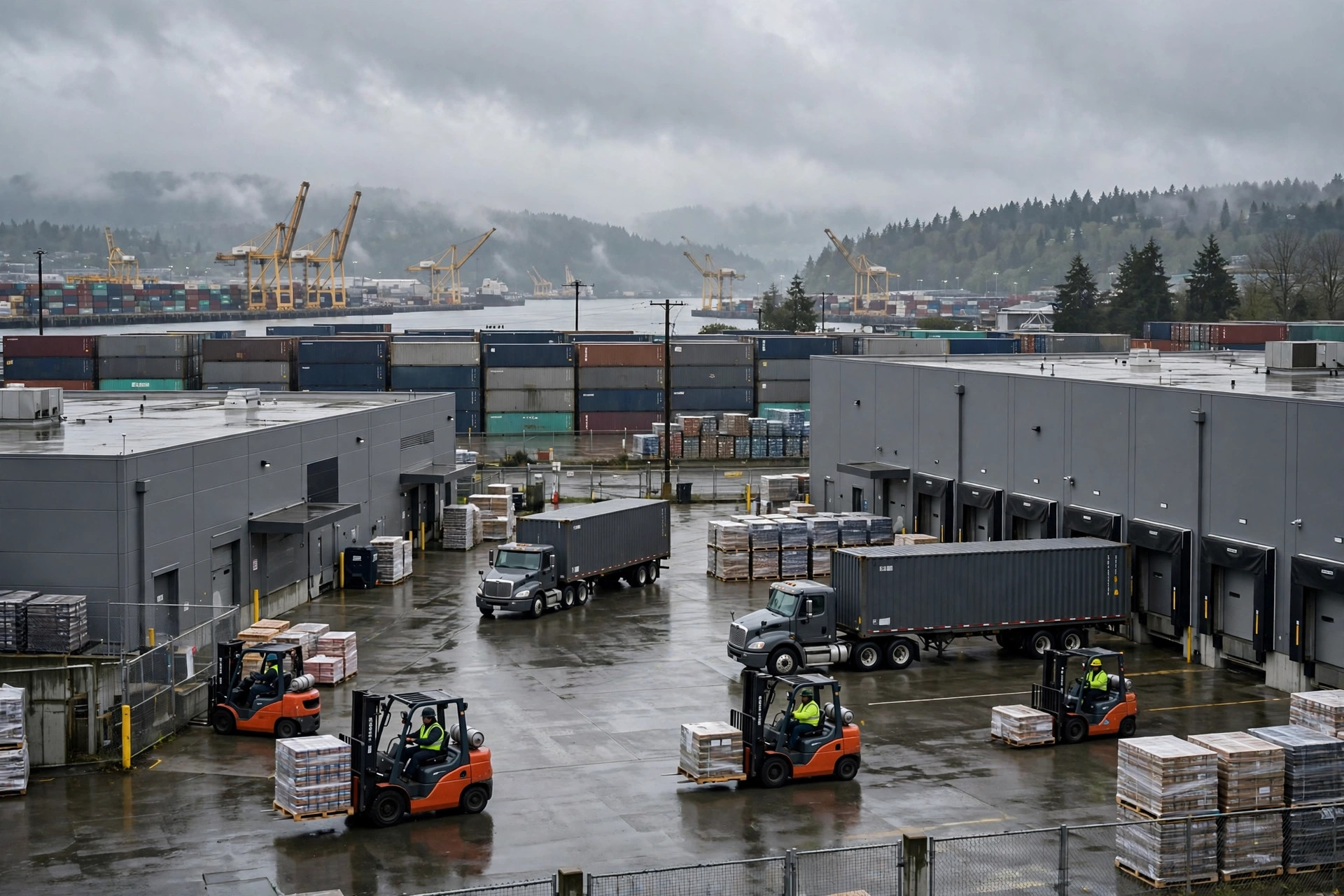
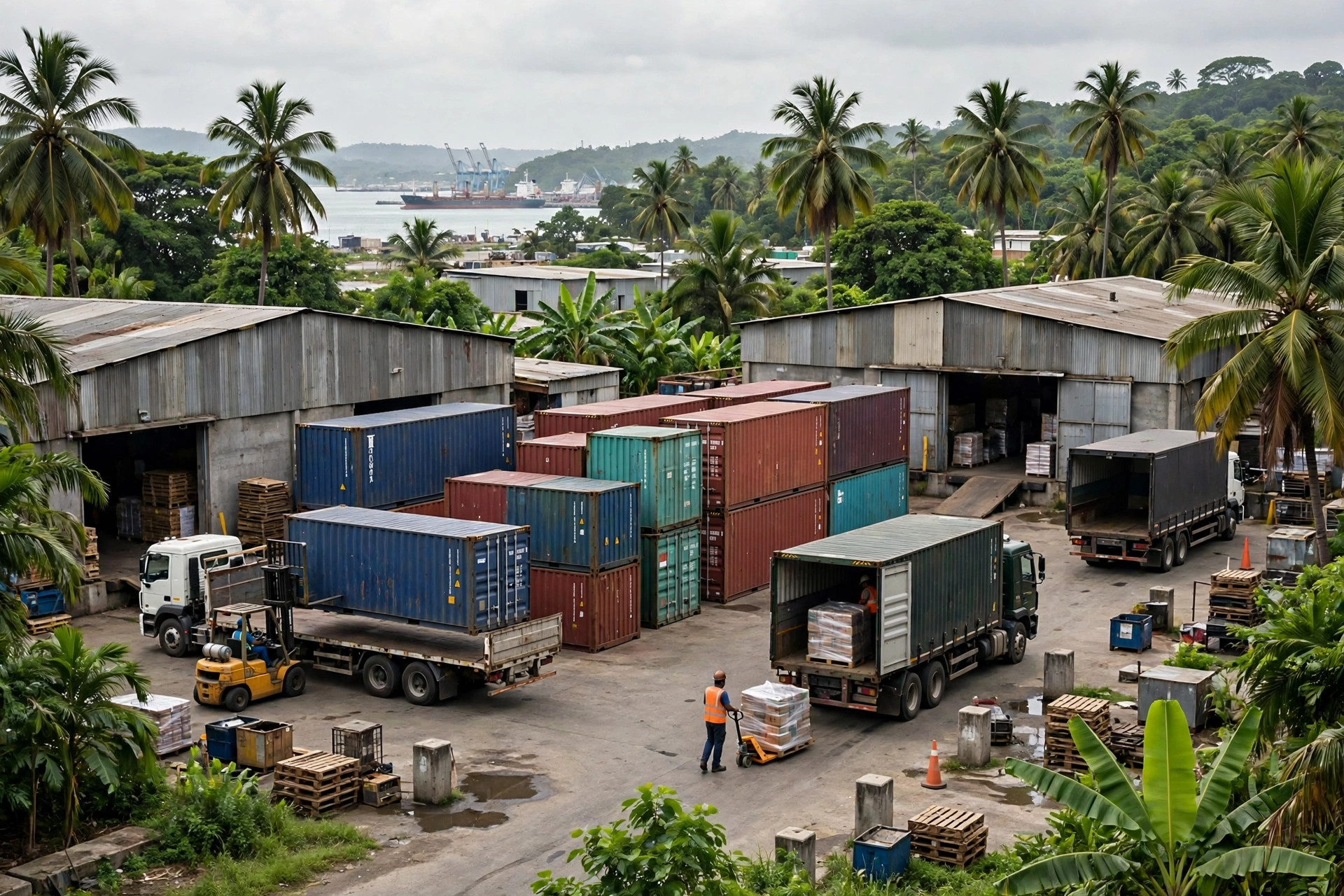
In Libreville, I think of warehouses in three broad patterns. The first is the port corridor, where cargo can move from vessel to warehouse with few short transfers and few handlings. That suits fast-moving goods, goods that suffer from repeated handling, and goods where timing matters. The second is the suburbs, where space is generally more open and easier to lay out. That suits bulky stock, goods that need sorting, labelling, or light preparation before they go out, and goods that are not in a daily rush. The third is not a single place at all. It is a distribution layout that uses Libreville as a starting point for inland destinations across Central Africa. Here the value of the warehouse is not its floor area. It is whether the site connects cleanly to onward road transport and to a sensible distribution rhythm.
Each pattern has a different way of adding up. For a port-corridor site, the question is how many steps, waits, and handlings you avoid. For a suburban site, the question is whether the space is workable, whether sorting and staging can spread out properly, and whether delivery runs back into the city stay practical. For a distribution layout, the question is whether destinations are concentrated enough, whether departures can be grouped, and whether cargo heading in one direction can build up to a viable load. Comparing headline rent alone is the easiest way to get this decision wrong. Rent is only one line on the bill. Short transfers, waiting time, repeated loading and unloading, damage risk, delivery mileage, and cramped operations often matter more than rent in the final total. Policy, customs, and tax details can change, so check the official source for the latest policy rather than signing a long agreement on an old reading.
I Have Seen Too Many People Fall for the Port First
I have seen too many newcomers to this market start by hugging the port. The reasoning sounds right every time: cargo arrives, it comes off, it goes straight into the warehouse, trucks travel less, and it feels safe to be near the ship. I watched a distributor of everyday consumer goods make exactly that choice. His warehouse was close to the port, and inbound cargo did move quickly. The trouble came afterward. His goods were not shipped out in one big flow. They had to be split, channel by channel, across the city. The port-side site did not have room to spread that work out, sorting and staging crowded together, and vehicle movements started queuing instead of flowing. The cargo entered the warehouse fast and then slowed down on the way out.
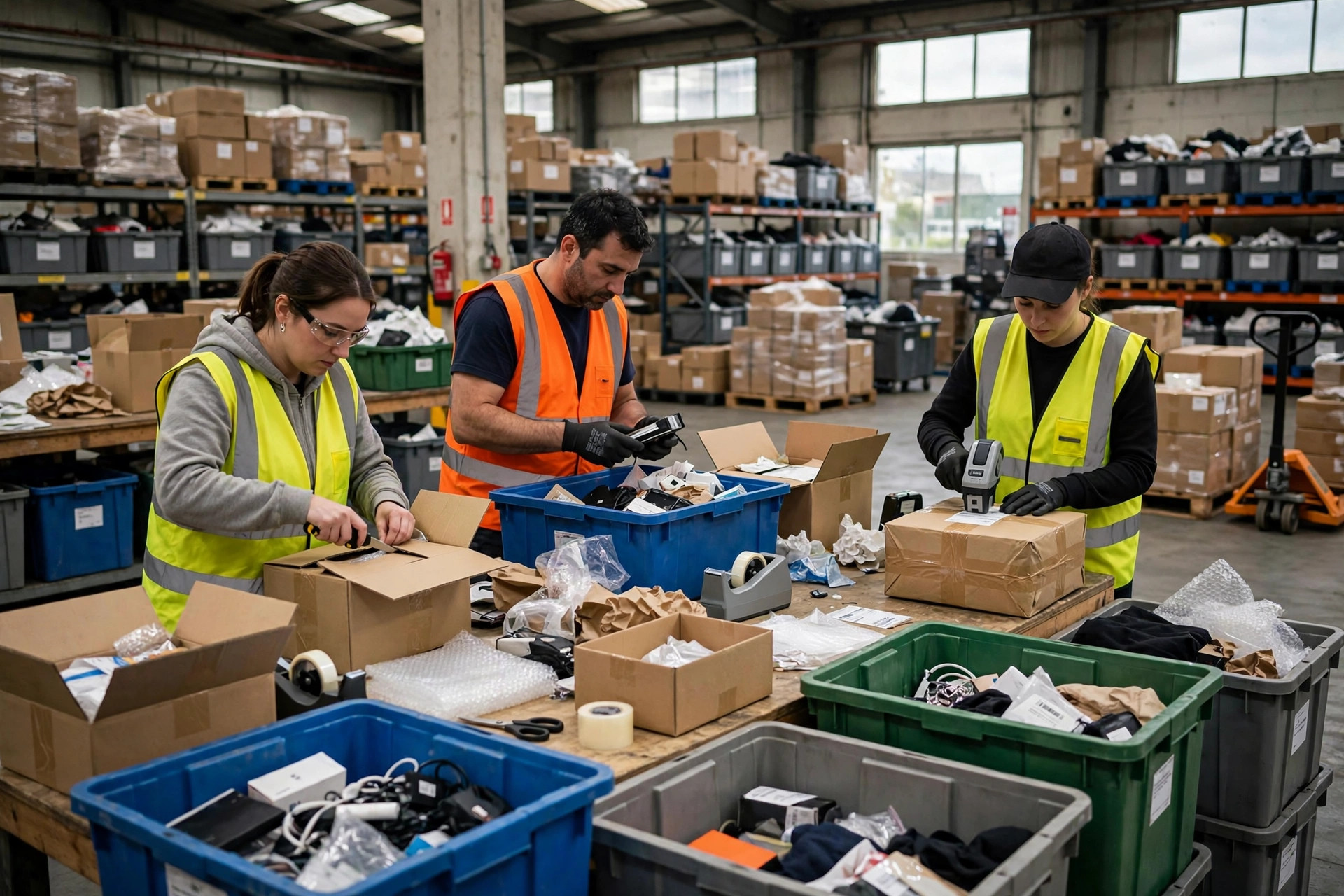
This cuts both ways. A port-side warehouse is not a bad choice. It is simply a better fit for goods that move in and out quickly than for goods that need to be picked apart slowly and released in small batches. I have also seen the opposite mistake. Someone chooses a large suburban site for the space, then discovers that every inbound load still needs another transfer from the port, and the waiting and shuttling eat away much of the space advantage. Neither location is wrong in itself. The mistake is taking the operating style that fits one kind of cargo and forcing it onto a site built for another. Before you look at sites, lay out your cargo for the months ahead: which goods turn fast, which need sorting, which destinations are concentrated, and which goods are only passing through. If that cargo picture is unclear, every site will look reasonable until the contract is signed and the awkwardness starts.
A second trap is treating Central African distribution as a simple extension of a local warehouse. One operator I followed treated his Libreville warehouse as a purely local store, then tried to push goods inland whenever a load happened to be ready. He had not planned how destinations would be grouped, how departures would be organized, or whether cargo for different destinations should be managed separately. The result was a warehouse holding small piles for several directions, none of them enough for a full departure, with trucks waiting for cargo and cargo waiting for trucks. A distribution warehouse succeeds on destination discipline, not on square metres.
Sort by Cargo, Volume, and Destination, Then Talk Price
My method is old-fashioned, but it works: classify the cargo first, score the location second, and talk price last. First, sort goods into fast-moving, slow-moving, goods that need sorting or preparation, and goods that are only passing through. Second, ask whether each destination has enough volume to support a steady outbound rhythm. Third, bring the three location patterns into the comparison. Compare the whole journey from the vessel to the customer, not one line of rent: number of short transfers, number of handlings, waiting time, damage exposure, delivery distance, and whether the working space is genuinely usable.
| Location pattern | Better suited to | Where the cost really sits | Where it hurts most |
|---|---|---|---|
| Port corridor | Fast-moving, handling-sensitive, time-sensitive goods | Fewer steps, but limited space and operating flexibility | When goods need sorting and staging room |
| Suburbs | Large volumes, sorting and preparation, unhurried flows | Open space, but delivery and transfer legs must be counted | Extra distance from both port and city delivery points |
| Central African distribution layout | Concentrated destinations, goods that can build scale inland | Value sits in destination management and departure organization | When destinations are scattered and volumes never build up |
Here is the decision order I recommend. Settle destination first: is most of the work local delivery, or inland distribution? That fixes the broad direction. Settle rhythm second: does cargo move in and out quickly, or does it leave in batches over time? That points toward the port corridor or the suburbs. Settle operating complexity last: does the work need sorting, labelling, assembly, or staging? That decides how much space, height, and traffic flow the site really needs. Only then talk price. A wrong location at a low price is still an expensive warehouse. A right location at a higher price can still be the cheaper bill.
Consider another distribution case, because it shows the point better than any checklist. A regional distributor served both Libreville and several inland directions. At first he kept everything mixed in one warehouse and tried to assemble each direction as cargo arrived. No direction built up enough volume, departures stayed irregular, and the team spent its days waiting for loads to become viable. He changed the management, not the building: high-volume directions got separate stock and fixed departure patterns, smaller directions were consolidated before dispatch, and cargo stopped being managed as one mixed pile. He simply made destination discipline the operating rule, and the outbound rhythm steadied. Distribution work fails when direction is unclear, not when volume is merely large.
Before signing, verify the practical facts in person: whether large vehicles can enter and leave cleanly, how the ground and drainage cope in the rainy season, what power and night working are actually available, how security and custody of goods are handled, and what the contract says about renewal, expansion, and early exit. For customs, tax, and regulatory detail, check the official source for the latest policy. A verbal assurance is not a term. Only what is written into the contract counts. A site whose area looks generous but whose operations cannot spread out is not a bargain at any price.
So ask yourself this before you choose: do you know where your goods are going, how fast they move, and how they need to be split, or are you still choosing the building first and hoping the cargo fits it?
By Lao Mi, Supply Chain Veteran (20 yrs)