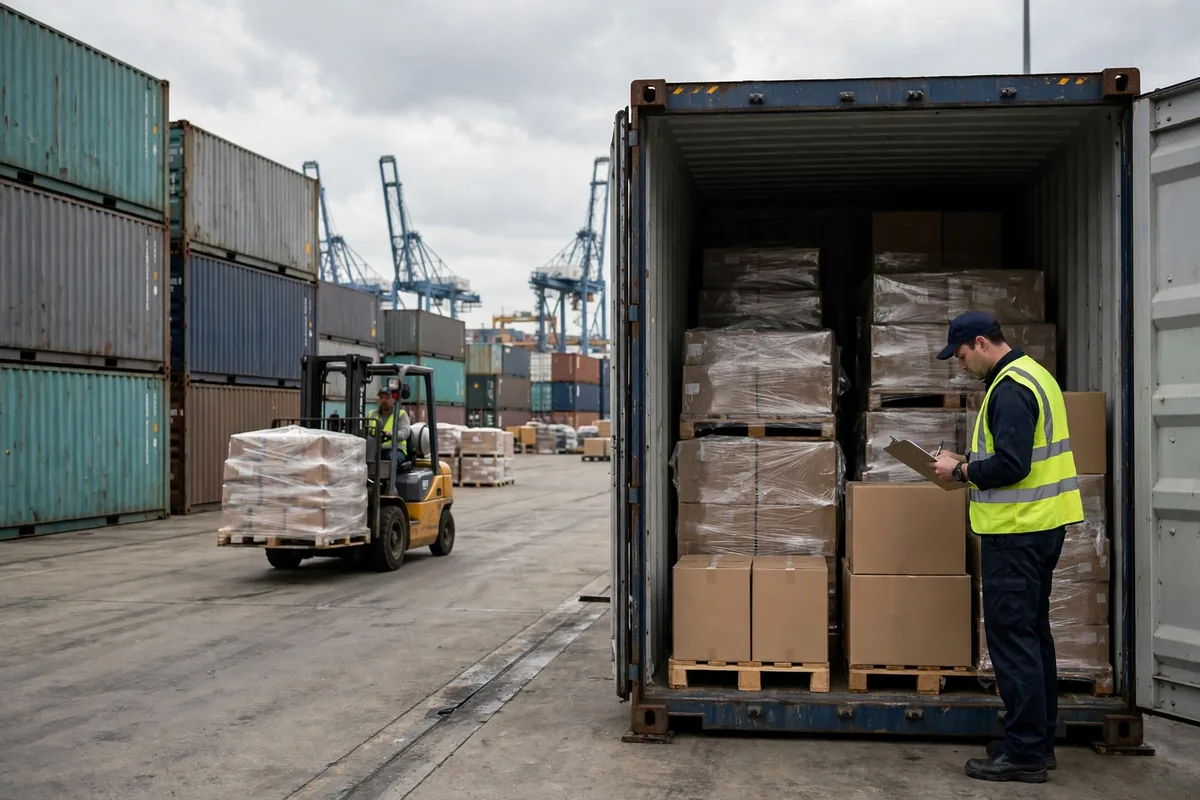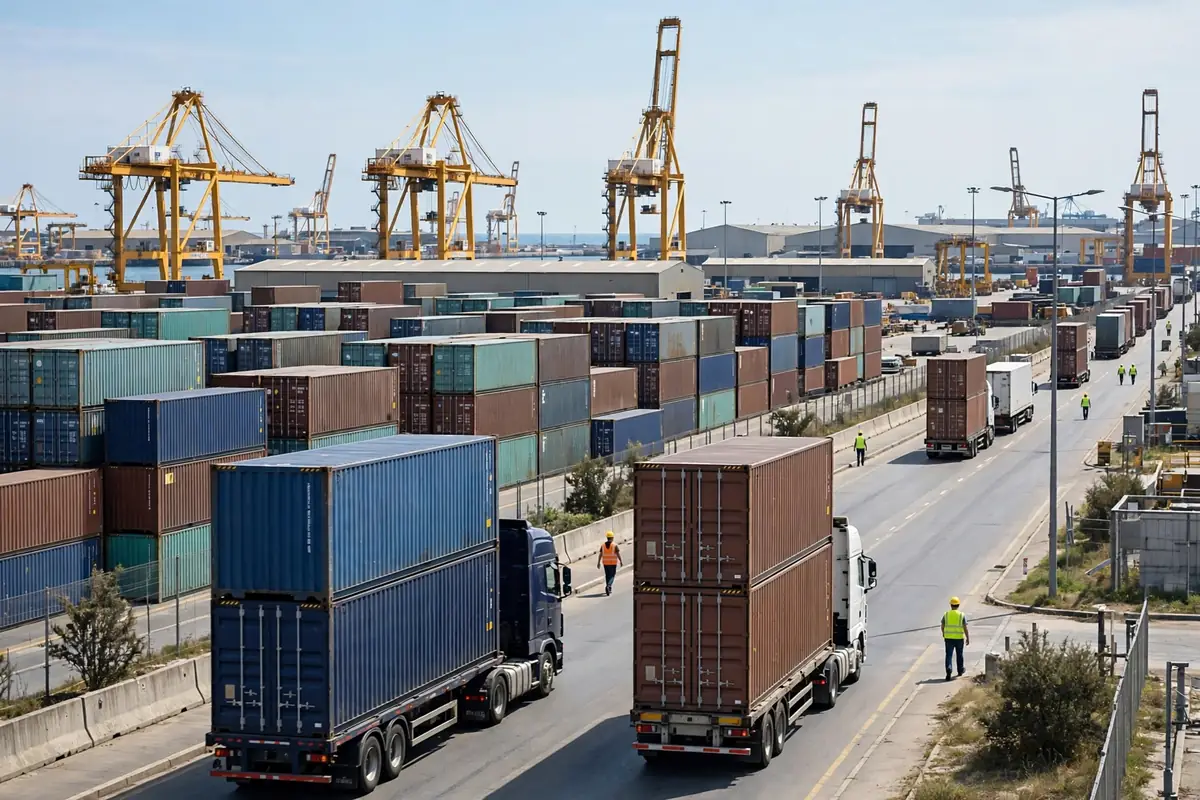
Let me be blunt: lagos port warehouse last mile delivery is where budgets quietly die. The ocean freight gets all the attention, and then the cargo lands in Lagos and the real spending starts. Customs drags, trucks wait, the warehouse waits, and every day of waiting eats margin that no freight negotiation will win back. I have watched too many importers celebrate a cheap ocean rate and then lose the whole saving, and more, in the weeks after arrival. My rule has not changed: fix the sequence first, then argue about price. Get the sequence wrong and even the cheapest quote is expensive.
There are two sides to this chain, and you have to manage both. One side is process: clearance documents, inspection, container release, and warehouse receiving all have prerequisites, and one missing paper can stall the entire line. The other side is people: the port, the trucking company, and the warehouse each run on their own rhythm, and if you do not line those rhythms up, your cargo simply sits. This is not a guide to shaving a few dollars off a trucking rate. It is a way to see where the money actually goes and where the risk actually sits, so you can plan the whole chain instead of reacting to it one delay at a time.
I will start with a shipment that went wrong. One autumn, a small-appliance importer brought in a load of several dozen cubic metres through Lagos. The paperwork looked complete, so the importer picked the cheapest trucking quote available and expected the containers to move into the warehouse on release day. Clearance then stalled on a request for one additional supporting document. Back and forth took days, the trucking company could not hold its trucks idle, and it took other jobs. When the document was finally accepted, the port release window had shifted, and rebooking took more days. By the time the goods reached the warehouse, the whole distribution plan had slipped, and several downstream customers had their deliveries pushed back. The money saved on ocean freight did not cover the disruption that followed. That is what happens when you manage one leg and ignore the chain.
The opposite case, from the same year, shows what good sequencing looks like. A household-goods importer had a much smaller load, just a few pallets consolidated with other cargo. Two weeks before arrival, the importer sent the full document set to a local clearance agent for a pre-check. The agent flagged two items that were likely to draw questions and had explanations prepared in advance. Clearance went through without a fight, the truck was already waiting outside the port on release day, and the goods entered a small warehouse on the edge of Lagos the same day. Total spend was not dramatically lower than the first importer's, but the goods arrived on schedule and distribution never broke. The difference was not luck. Somebody had looked at all three legs together before the ship docked.
Lagos Port Warehouse Last Mile Delivery Starts With Clearance, Not With Trucks
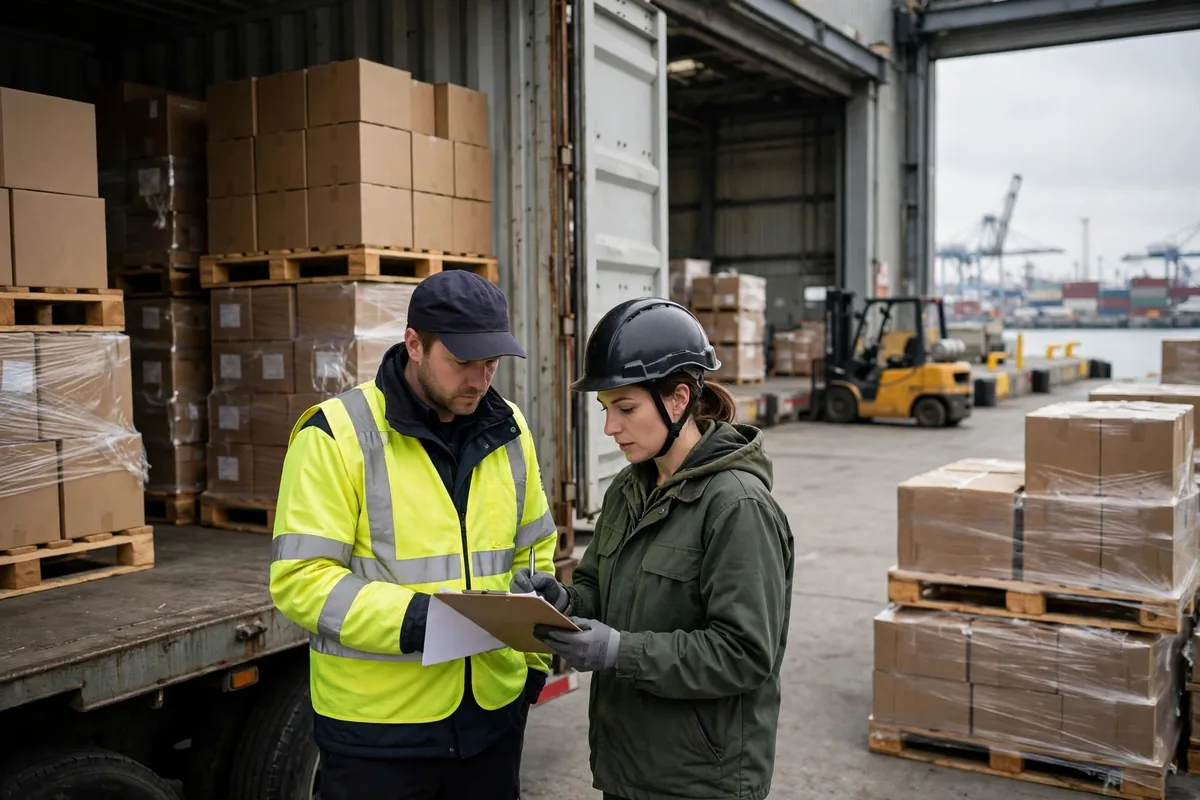
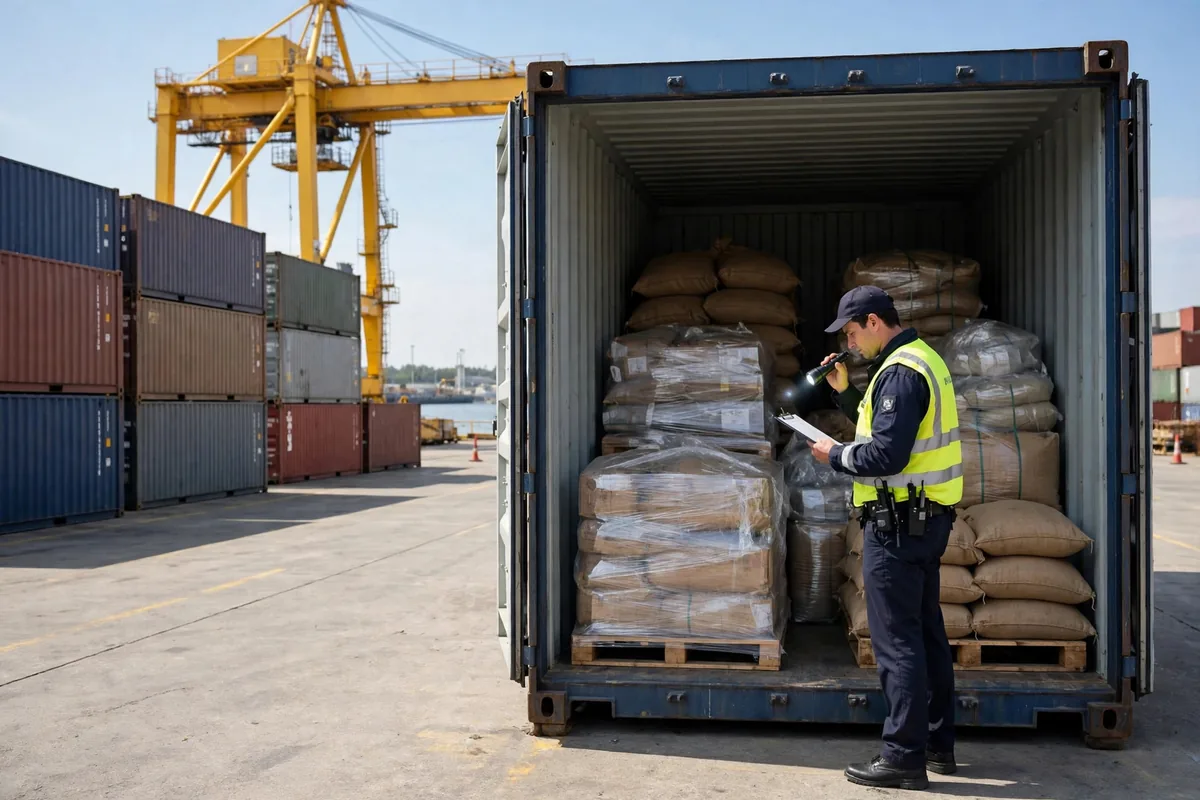
Clearance is the first gate, and it is the worst place to cut corners. My practice is simple: while the goods are still on the water, send the complete document set to the local agent for review. Bill of lading, packing list, invoice, and origin documents should all be checked before arrival, with gaps and ambiguous wording fixed early. Inspection cannot be avoided, and the only reliable way to keep it short is clean paperwork that matches the cargo exactly. When documents do not match, inspection stretches out, and port storage and waiting costs climb with it. Most importers only do that maths after the fact.
Policy details, including clearance requirements and applicable duties, should be confirmed against the latest official guidance before every shipment, since rules change and last shipment's experience is not a safe template. On outsourcing, my advice is direct. If this is your first time through Lagos, or the product category is complex, use an experienced local agent. If you have run the same product repeatedly, with a settled document template, you can lead the process yourself and use the agent only as a reviewer. What you buy from an agent is not errand-running. It is familiarity with local practice and somebody who can actually be reached when a problem appears.
Congestion and Container Release: The Leg Most Importers Underestimate
Congestion at the port is not an exception. Treat it as the normal condition and plan around it. The release window, the trucking schedule, and the warehouse receiving slot have to line up on the same day, and if any one of them slips, the whole plan waits. I build in a buffer on purpose: never book the truck for the morning clearance is expected to finish, and never book warehouse receiving for the last slot on release day. Half a day to a full day of slack looks wasteful on paper. In practice it buys certainty, which is the scarcest thing on this route.
Choosing a trucking company comes down to three questions. First, does the carrier regularly run this exact port-to-warehouse route, with drivers who know where delays build up and where a detour is possible. Second, can the carrier accept a schedule change on the day, when the port plan moves. Third, when something goes wrong, is there a single person you can reach directly, rather than a chain of subcontractors who pass the problem along. Picking purely on price hands the most uncertain leg to the least accountable party, and that is a trade I stopped making years ago.
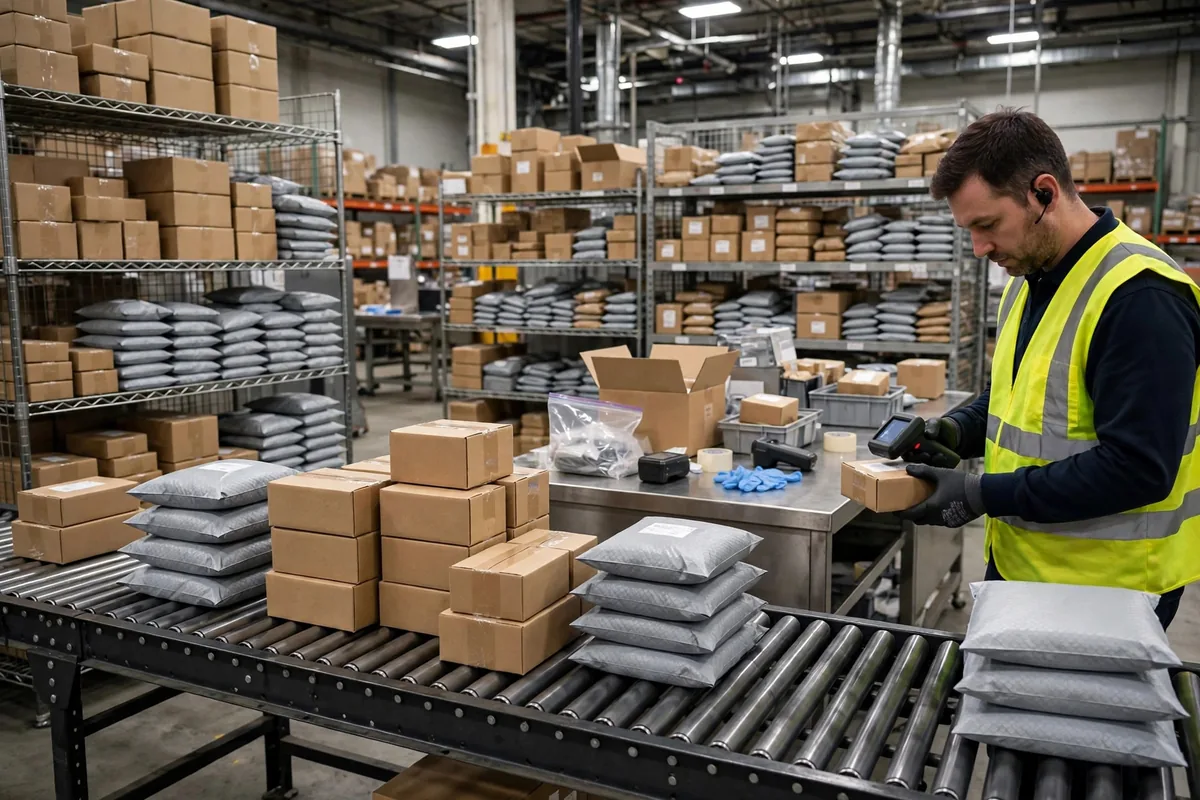
The warehouse leg deserves the same discipline. Receiving is not unloading. Counting, sorting, labelling, and put-away all have to match the downstream plan, and the warehouse needs to know what is coming before the truck arrives. Consolidation is a useful tool with a sharp edge: sharing a truck saves money, but consolidated cargo only moves when every shipment on it is ready, so one late shipment delays the whole load. If the delivery date is tight, do not consolidate. If the date is flexible and the goods can travel together, consolidation is worth discussing. Decide by deadline, not by the per-unit saving alone.
| Leg | Outsource to a local partner | Run it yourself | | Customs clearance | Local knowledge, someone accountable when problems appear, higher service cost | Saves a fee, but document risk stays with you | | Port to warehouse transport | Flexible dispatch, can reassign when congestion shifts | Direct pricing may be lower, but scheduling is entirely yours | | Warehouse receiving and distribution | Warehouse knows local receiving practice | You set the rules, but someone must supervise on site |
Here is the counterintuitive part: on this route, the most expensive cost is often the one you never see on an invoice, which is waiting. A cargo that sits an extra day costs more than storage. It costs downstream trust. Lose a delivery date once and the customer adjusts their expectations; lose it twice and they start looking elsewhere. That is why my ranking is certainty first, speed second, and price third. It sounds like bad economics until you add up the full cost of a broken schedule, and then it is usually the cheapest ranking of all.
Before you book anything, run through this checklist. Have the documents been pre-checked by the agent. Are the clearance, release, and warehouse receiving windows aligned, with buffer built in. Is the carrier a regular on this route and able to change plans on the day. Has the consolidation decision been made by deadline rather than by price. Has the warehouse confirmed its receiving capacity and counting rules for that day. If all five answers are yes, you are ready to move.
One last field detail is easy to miss: warehouse receiving labour. Many smaller warehouses have limited receiving staff during the day, and a truck can arrive on time and still wait hours to unload. If your goods need piece-by-piece counting and labelling before put-away, confirm the warehouse's capacity for that day in advance, and split the delivery across two trucks if needed. Cargo sitting outside the warehouse door is no better than cargo sitting in the port. Both mean the plan had no room for reality.
Cargo arriving at the port is not the problem. Arriving at the port without a plan for what happens next is. That discipline is what lagos port warehouse last mile delivery rewards most: not the lowest rate, but the fewest surprises. Line up the three legs in advance, and this route becomes manageable instead of stressful.
By Lao Mi, Supply Chain Veteran (20 yrs)