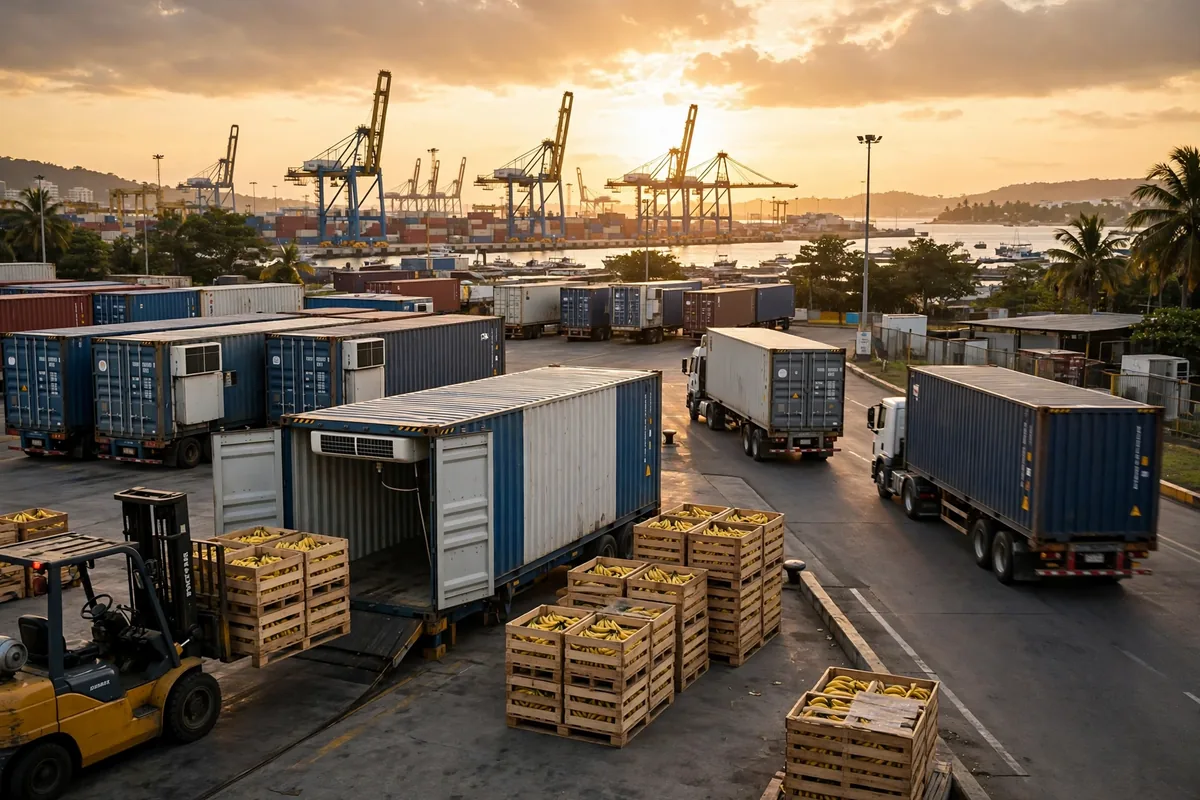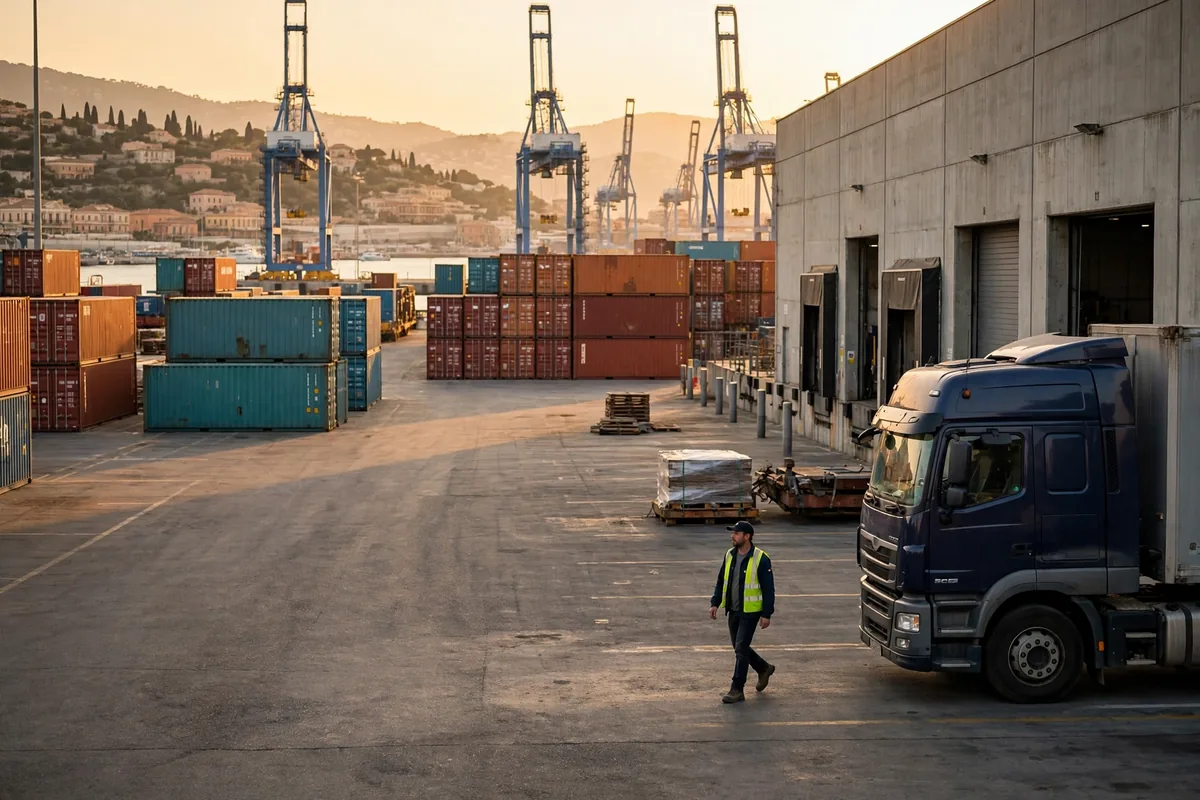
Let me tell you something about izmir turkey warehouse logistics: the worst day is not the long haul. It is arriving at the gate and not getting in. I once hauled a load to a warehouse near the Izmir port area. Navigation said I had arrived, yet I circled the port fence twice without finding the receiving entrance. A dock worker finally told me the main gate was for empty trucks only — loaded trucks had to queue through a narrow side lane. So there I sat, sun beating down, phone ringing, warehouse staff just as frustrated as I was. Nobody had done anything wrong. Nobody had told the driver the entry route in advance. After fifteen years behind the wheel, I know this: in Izmir, where you put the warehouse decides whether a driver finishes the day clean or wastes it at the gate.
Izmir sits on Turkey's Aegean coast and serves as one of the country's important export gateways. Farm goods, textiles, and stone products gather here, get sorted and staged, then leave by ship or by truck. On the road, a port-side warehouse and a suburban warehouse are two completely different account books. Too many shippers compare rent only. Rent is just one line. Count driver hours, city traffic, empty return trips, and missed cut-offs too — otherwise the money saved on rent gets spent again on the road, with interest.
Port vs. Suburban: How izmir turkey warehouse logistics Really Adds Up
Start with the port warehouse. You are close to the terminal, so the run to the vessel is short — when an export shipment is chasing a sailing, that buys peace of mind. The disadvantages are just as obvious. Rent is high, yards are tight, and dock doors are limited. In peak season, trucks from several shippers arrive in the same window and queuing becomes normal. Port areas also tend to carry more truck restrictions and controlled entry hours — check the latest local rules before planning a route, because the wrong window can cost a driver half a day.
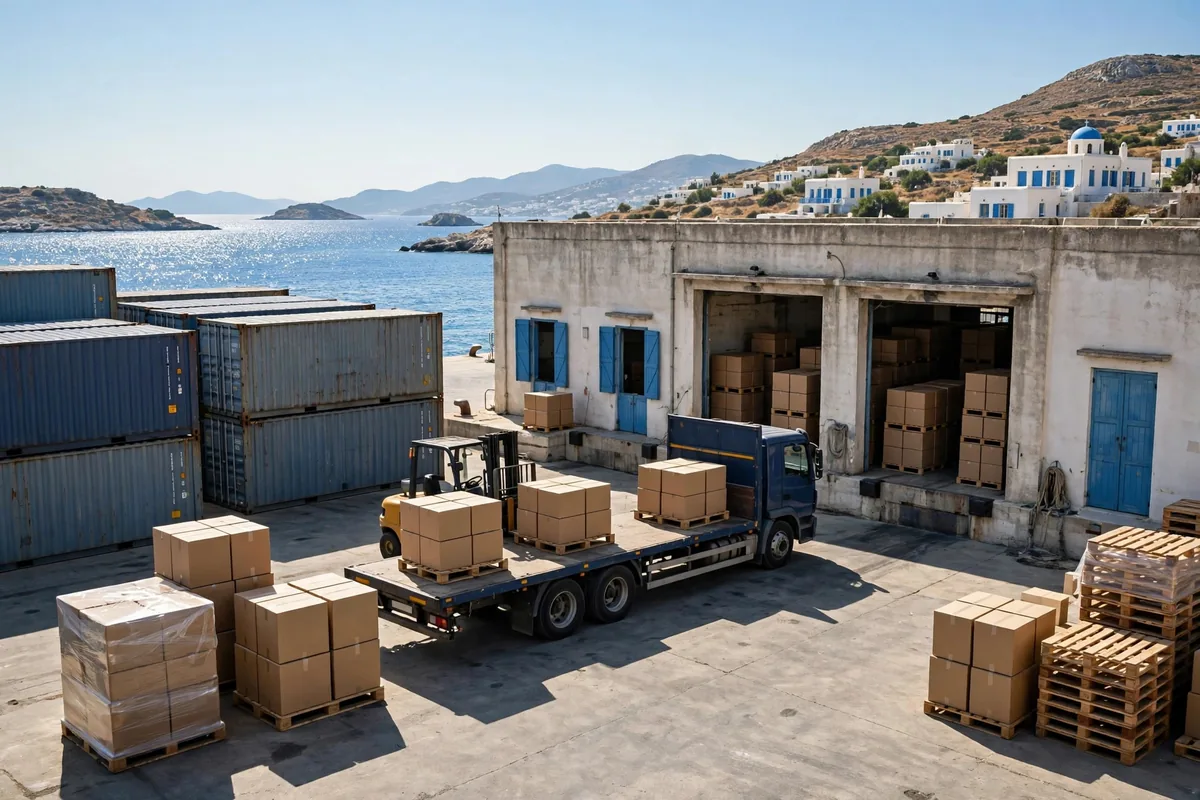
The suburban warehouse is the mirror image. Rent is lower, the yard is wide, trucks turn and park without a fight, and queues are calmer. The price is distance. Every trip means a longer city run, and fuel, tolls, and driver hours stack up quietly. One bad jam can push a shipment past its preparation window, and then the warehouse team is scrambling too.
Here is a hypothetical worked example — the numbers only show the method, not real local rates. Picture a textile exporter moving loads to the port in peak season. In year one, he chose the cheap suburban warehouse. Rent looked great, but drivers hit morning traffic on the first run, again and again, and staging slipped to the next sailing window often enough that the warehouse kept extra hands on standby. In year two, he moved consolidation closer to the port. Rent went up, delays went down, drivers completed more productive trips per day — and the expensive warehouse produced the cheaper total bill.
| Factor | Port warehouse | Suburban warehouse |
|---|---|---|
| Rent | Higher | Lower |
| Distance to port | Short, fast transfer | Longer city run |
| Dock space and queues | Tight, queues in peak season | Roomier, calmer queues |
| Buffer for sailing deadlines | Strong, late top-ups possible | Weak, traffic can break the plan |
| Best fit | Fast-turning export cargo | Bulky, slow cargo staged early |
Now the judgment that surprises people: expensive rent does not mean expensive logistics. For export cargo, the real money burns in trucks idling on the road and freight sitting in a warehouse after it missed its sailing. The opposite is also true. Stone is heavy, bulky, and patient. If your cargo can be staged days ahead, the cheap suburban warehouse is genuinely cheap, and fighting for pricey space near the port makes no sense. Match the warehouse to the temperament of your cargo first. Talk price second.
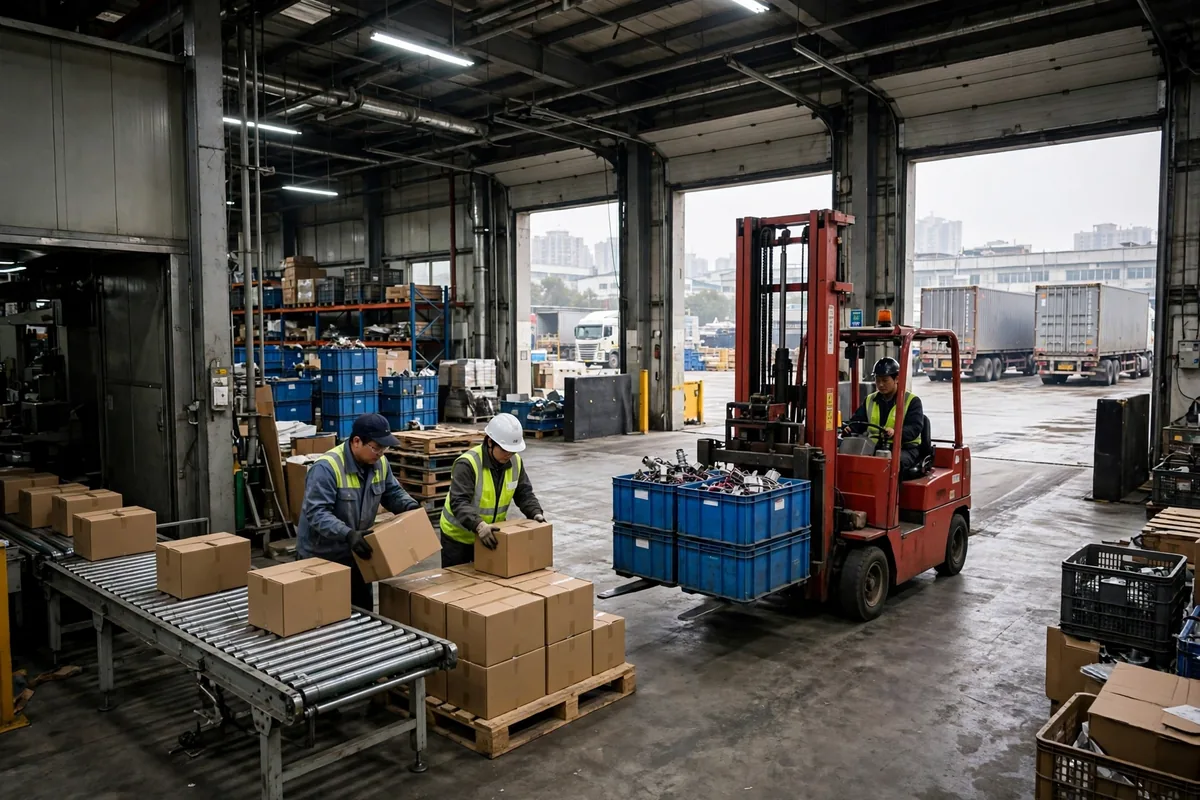
Staging rhythm matters just as much. Farm goods arrive in seasonal waves and need grading, packing, and labeling. Textiles move by customer order, so consolidation must respect order batches or loading turns into chaos. Stone is fragile at the edges, so stacking and securing deserve extra care. Mix all three into one schedule and drivers wait while the warehouse sorts out its own priorities. I once watched a facility put cold-chain farm trucks and stone flatbeds into the same dock window. Both sides lost time. Sorting rhythm and arrival rhythm have to be planned together, or the best building in Izmir will still let you down.
Izmir Warehouse Handoffs: Where Warehouses and Drivers Fall Out of Sync
Warehouses and drivers fall out of sync over three things, all fixable with low-tech habits.
The first is the appointment. Plenty of warehouses claim to run appointments when all they really have is a phone call saying roughly when a truck might show up. The driver arrives and the dock is still occupied. That is a fake appointment, and drivers hate it more than no appointment at all. The fix is a second confirmation before arrival: time, dock number, and the phone number of the person receiving the load. Keep a screenshot. Shippers should respect the system too — a truck that is always late will not keep getting the good slots. This road runs both ways.
The second is the loading queue. Waiting itself is not the problem. Not knowing how long the wait will be is, because the driver cannot plan the next job. I remember waiting here with several trucks ahead of me and nobody coming out to say a word. Drivers got angrier by the hour. That warehouse later put up a simple board showing which queue number was being served and roughly how long the wait looked. The grumbling dropped immediately. It cost almost nothing — they just put the information in front of people early.
The third is paperwork. Export freight can be fully loaded and still not move because one document is missing a signature. The driver sits in the cab while everybody loses time nobody can bill for. Run paperwork in parallel with loading instead. The moment the truck checks in, compare the document list, note what is missing, and chase it while the forklifts are still working — not after the load is sealed. Old drivers have a saying: half the job is the road, half is whether the papers are complete. Anyone who has worked izmir turkey warehouse logistics for a season knows that is no exaggeration.
One more small thing. Give drivers one fixed contact person at the warehouse, not a different name every day. Machines do not answer phones, and at the gate, a person who answers is worth gold.
Heading Toward Europe: Steady Sea Freight or Flexible Road Freight?
From Izmir toward Europe, cargo moves two ways: by sea or overland by road. Schedules change, so check the carrier's latest published information before committing. The trade-off below does not change.
Sea freight suits bulky, heavy, patient cargo — stone and large batches of farm goods fit well. Once the container is sealed, life gets calm and the vessel's schedule takes over. The weakness is rigidity. Miss a sailing and you wait for the next one.
Road freight suits smaller batches, frequent orders, and deadlines that come in pieces. Textiles chasing a European customer's shelf date are the classic case. A truck leaves when the load is ready. The weakness is variables: border procedures, road conditions, and driver hours can each break a plan.
Stop asking which route is better in general. Strong shippers run both. Heavy base volume goes by sea, staged early. Urgent top-ups go by road, dispatched the same day. Mix the two rhythms at the dock and you get the worst of both: sea freight blocking the doors while a road driver with a deadline hops up and down outside.
I will leave you with an old road saying: roads are made by the people who drive them, and warehouses by the people who run them. If you only compare rent and never count the road, the loss will find you in the end. One extra confirmation call is cheaper than one wasted trip.
By Shifu Zhao, Trucking Veteran (15 yrs)