The Most Striking Thing I've Seen on the Road
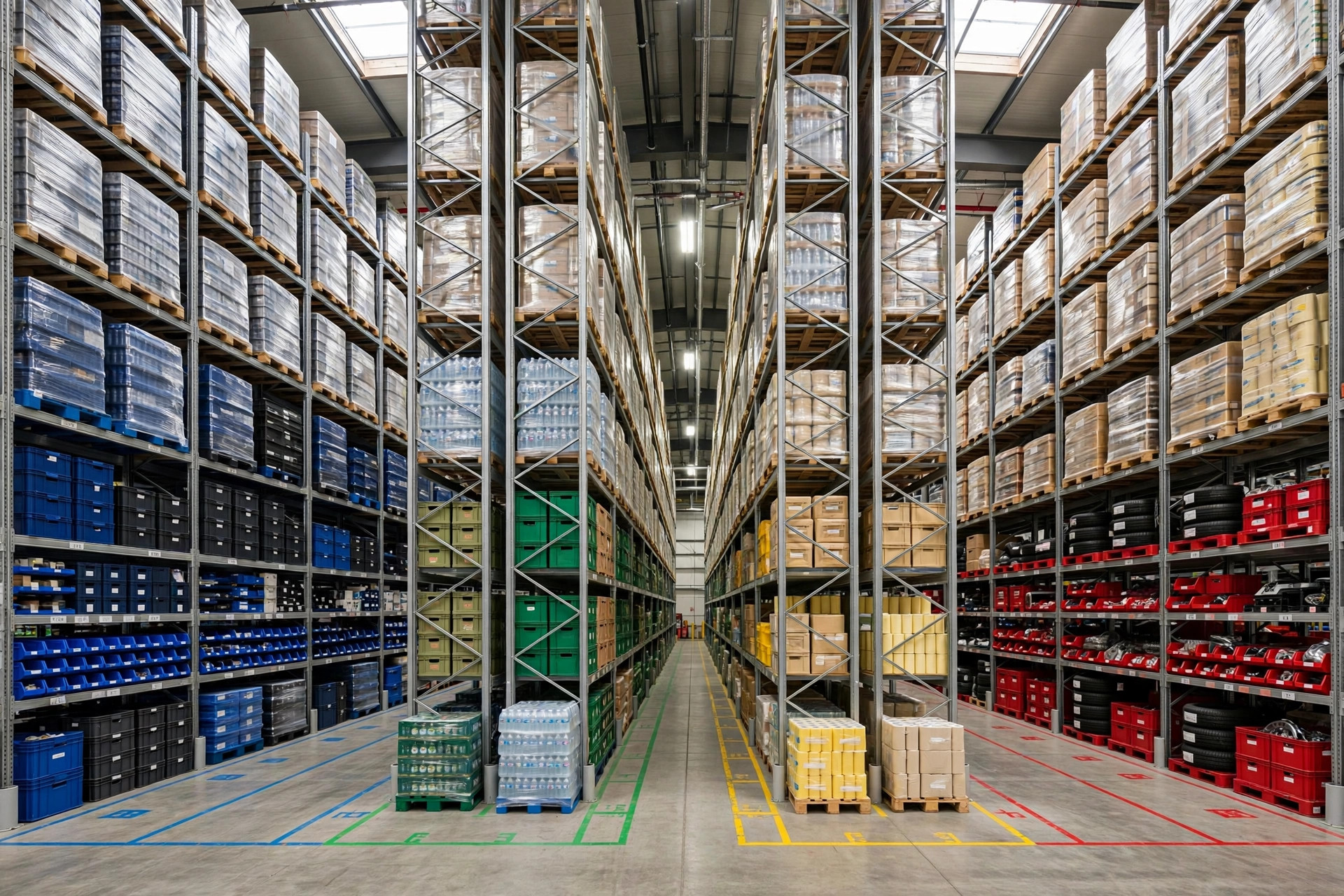
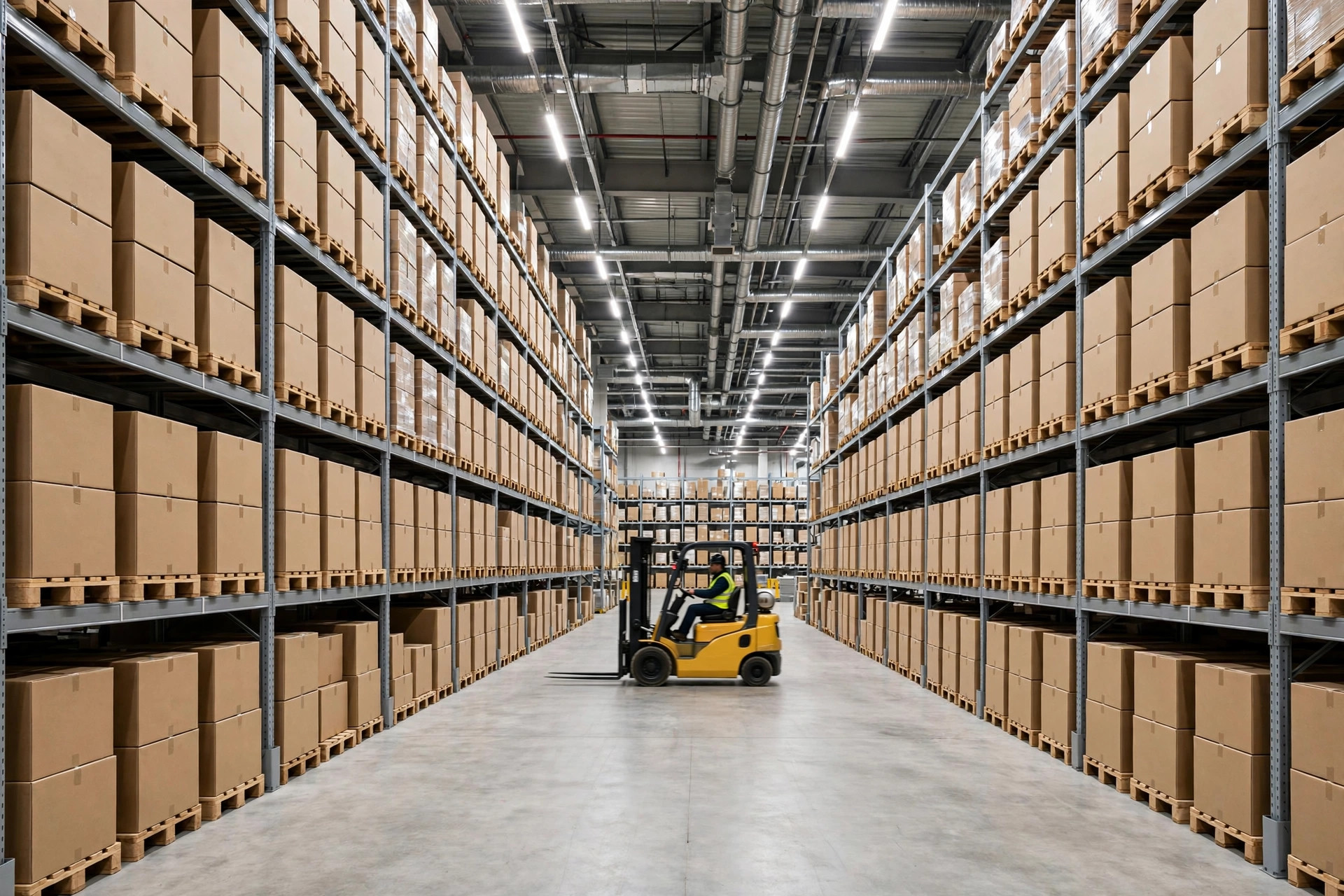
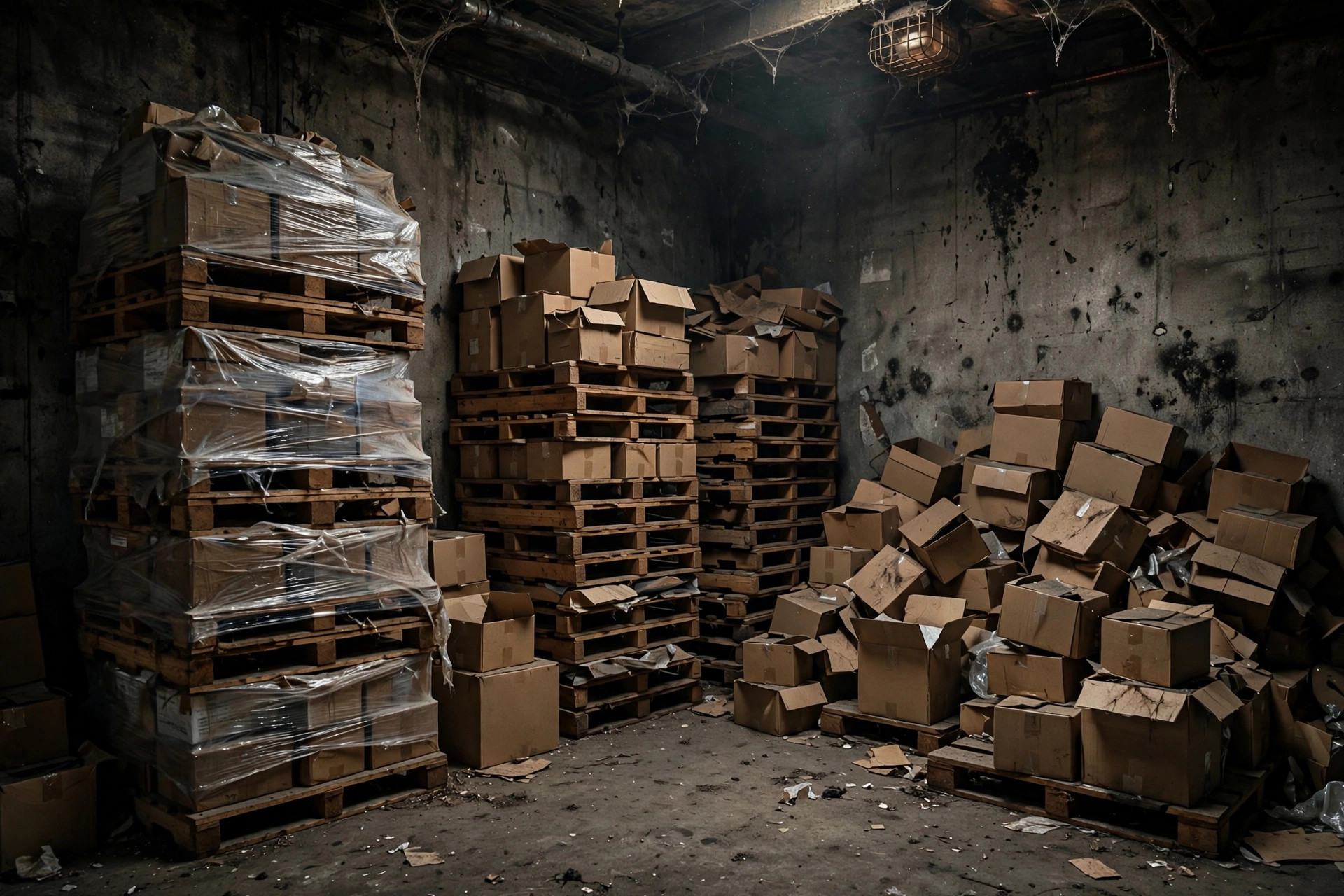
Let me tell you something. Last fall I was hauling a load to Fresno for a small-appliance importer. When I pulled up to their warehouse, I knew something was off — four or five trucks were lined up at the dock, every driver wearing a sour face. Walked inside and found out the place was packed. Packed so tight the pallets could barely turn around. My load sat at the door for six hours before they could unload it.
I got to talking with Lao Wang, the receiving guy. He told me: "Don't rush, driver. Half the stuff on those racks is leftover from last Christmas season."
Leftover from last Christmas, still sitting there the following fall. I glanced over — those cartons had two layers of dust on them. Wang said the owner had bet big on the holiday season, ordered three times the normal quantity, and only sold half. The rest had been sitting since last December, nearly a year, untouched.
After this many years on the road, I've seen too many warehouses like that one. There's an apparel guy in Ontario who ordered winter coats in the summer and still hadn't cleared them by the following spring. Every time I see dead stock piling up, I do the inventory holding cost math in my head for the owner: that inventory sitting on the racks burns money every single day. You just can't see the fire.
What It Really Means: Three Bills, Not One
Most people calculate inventory cost as warehouse rent. You get the bill every month, so you know that number. But let me tell you — rent is only the most visible bill. The other two are worse, and they burn quietly.
Bill one: the money tied up. Inventory sitting in a warehouse means your cash is frozen. Take a concrete example: a small importer who routinely carries a million dollars' worth of goods in stock (illustrative numbers, just to make the math clear). That million, if it weren't trapped in cartons, could pay down a bank loan, fund the next order, keep the business moving. At an annual cost of capital of 5 to 8 percent — your loan rate or the opportunity cost of your own cash, as an example — that money burns 50 to 80 thousand dollars a year just by lying there. No invoice arrives for it. The bank and the lost opportunity don't need an invoice.
Bill two: storage. This one you can see: pallet rent, inbound and outbound handling fees, stretch wrap, all of it. Around the Inland Empire in Southern California, a pallet position runs roughly 10 to 20 dollars a month, give or take depending on the building (market range, example basis). Same importer: a million dollars of small appliances takes roughly 200 pallet positions. That's 2,000 to 4,000 dollars a month, 24,000 to 48,000 a year in rent alone. That doesn't count receiving labor, forklift fuel, or cycle counts.
Bill three, and the deadliest: depreciation and write-offs. Goods don't get more valuable sitting in a warehouse. Electronics get replaced by newer models. Apparel goes out of season. Food approaches its expiry date. Once the window passes, the price has to come down. Those Christmas-season appliances I saw in Fresno — a year unsold, and Wang told me they were now clearing them at 70 percent of cost. Apparel is worse: last season's winter coats come back out at half price, sometimes less. I know a phone-accessories importer in Rialto with two-year-old models still on the racks — worth maybe a quarter of what he paid. Some of it goes straight to the dumpster. Owners hate doing this math because it hurts: on a million dollars of goods, 10 percent depreciation in a year is 100,000 dollars gone.
Add the three together and I'll lay it out in a table so it's plain to see:
| Cost item | How it's calculated | Annual burn (example) |
|---|---|---|
| Capital tied up | $1M inventory × 5–8% annual cost of capital | $50,000–$80,000 |
| Storage | 200 pallets × $10–$20/month × 12 months | $24,000–$48,000 |
| Depreciation and write-offs | $1M inventory × 10% value loss | ≈$100,000 |
| Total | $174,000–$228,000 |
Look at that. A million dollars of inventory burns nearly 20 percent of its value in a year just sitting there. All figures are illustrative — meant to give you a sense of scale. Plug in your own numbers and run it once; I guarantee it'll give you a scare. One owner ran his numbers and told me, "Shifu, I'm not running a company. I'm working for the warehouse and the bank."
The Counterintuitive Truth: The Most Expensive Storage Fee Is Collected by the Bank
Here's a judgment that goes against the grain: most people think rent is the biggest piece of holding cost. It's not. Look at that table again. Rent runs 24 to 48 thousand a year. Tied-up capital costs 50 to 80 thousand. Depreciation costs 100 thousand. Inventory sitting in a warehouse doesn't mainly cost you space. It costs you money.
The warehouse sends you a rent bill every month, so it hurts, so you negotiate, shop around, squeeze a dollar off per pallet. But the capital cost sends no bill. It just burns, quietly, and by year-end you've lost it without knowing where it went. And depreciation — owners always think "let's wait, maybe it'll sell." Every week of waiting, the goods lose value. When it finally won't move and you blow it out at a discount, you've thrown in a year's rent and a year's capital cost, and then you discount on top.
All these years on the road, I've watched too many owners fight over a dollar per pallet on rent while sitting on six months of dead stock that burns hundreds of thousands a year. Tripping over dollars to pick up pennies, as the saying goes. And here's one that stings more: some owners don't even carry enough insurance on the goods sitting there. One roof leak or one fire, and the inventory is gone along with the money. That's a total loss.
Straight Advice for Shippers
Road story's told, and the meaning is clear. Here's some straight advice for shippers and the folks running warehouses — all of it learned from watching other people take the hit over the years:
First, do the full math, not just the rent. Next time you negotiate with a 3PL, don't just compare who shaves two dollars off a pallet position. Lay out all three bills: your inventory value, your cost of capital, your average dwell time, your depreciation risk. Run it and you'll find that a warehouse 10 percent more expensive but with fast turns and good service can save you more than a cheap one where your goods sit for half a year.
Second, give your inventory a shelf life. Just like food has an expiry date, give your goods a deadline: 90 days with no movement gets flagged; 180 days with no movement gets escalated — it has to go, by discount, clearance, or return to the supplier. Any way at all, just don't let it keep lying there burning money. Most warehouse systems have an aging report. Pull it regularly, and anything past the deadline goes straight to the owner.
Third, order less, order more often — don't bet it all at once. That Fresno outfit bet the whole Christmas season in one shot and ended up sitting on a year of stock. Let me tell you, the worst thing in this business is gambling with inventory. Better to run more loads and pay a bit more freight than to stuff half a year's goods into the warehouse at once. Freight is money you can see. Sitting inventory burns money you can't see — and the invisible kind costs more.
Fourth, move slow sellers early, don't wait. If something won't sell, discounting 10 percent in the first month beats discounting 50 percent six months later. Every day earlier you deal with it is a day less of all three bills burning. Cutting dead stock loose — there's no better phrase for it. Remember this: the faster you clear slow movers, the faster you stop the bleeding.
All these years on the road, I've learned one thing: a warehouse is for turning goods over, not for storing them. Every extra day your freight sits on a rack, it's burning your money. The old saying goes: running water doesn't go stale, and a door hinge never rusts. Goods are the same — moving is money, sitting is burning.
By Shifu Zhao, Trucking Veteran (15 yrs)