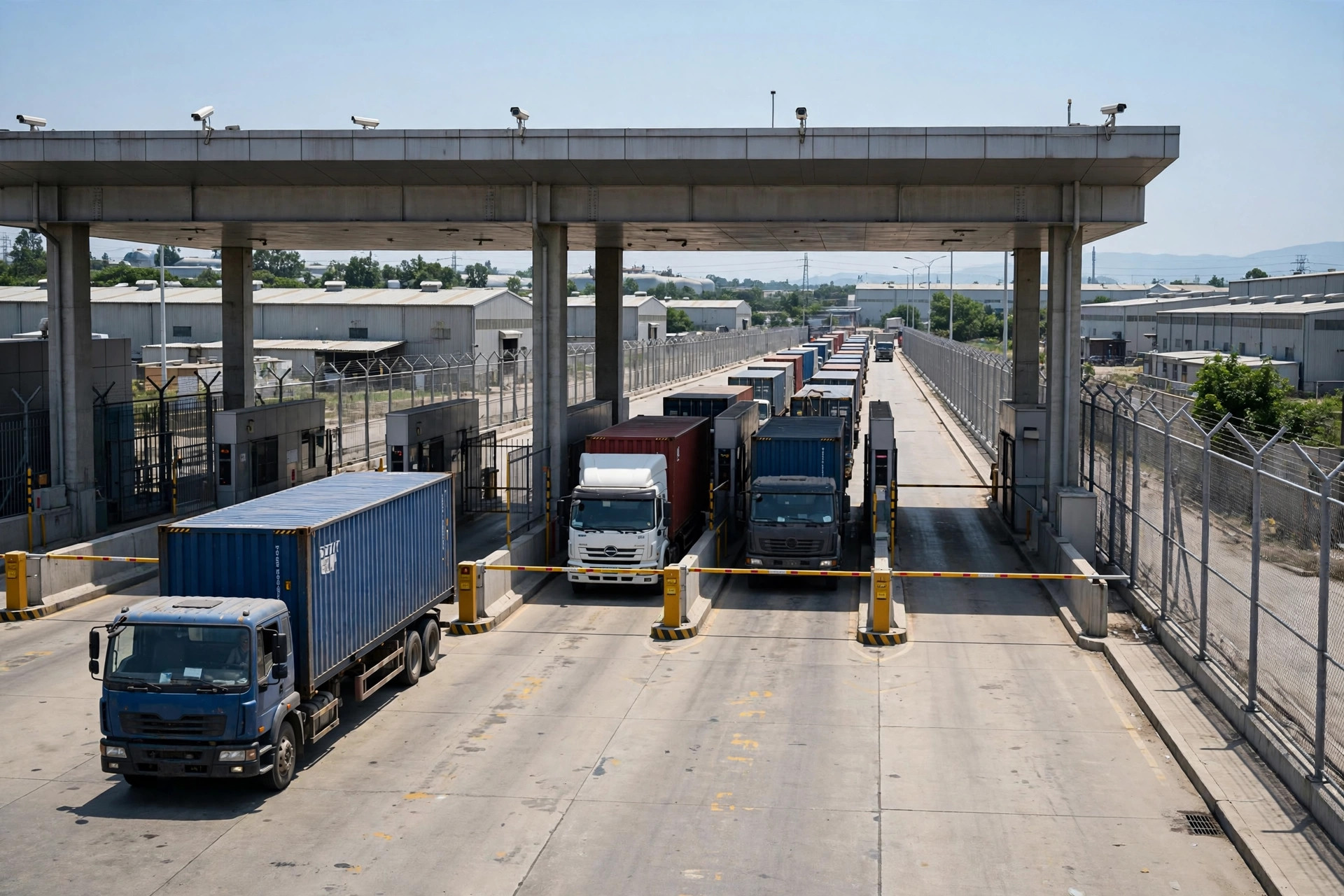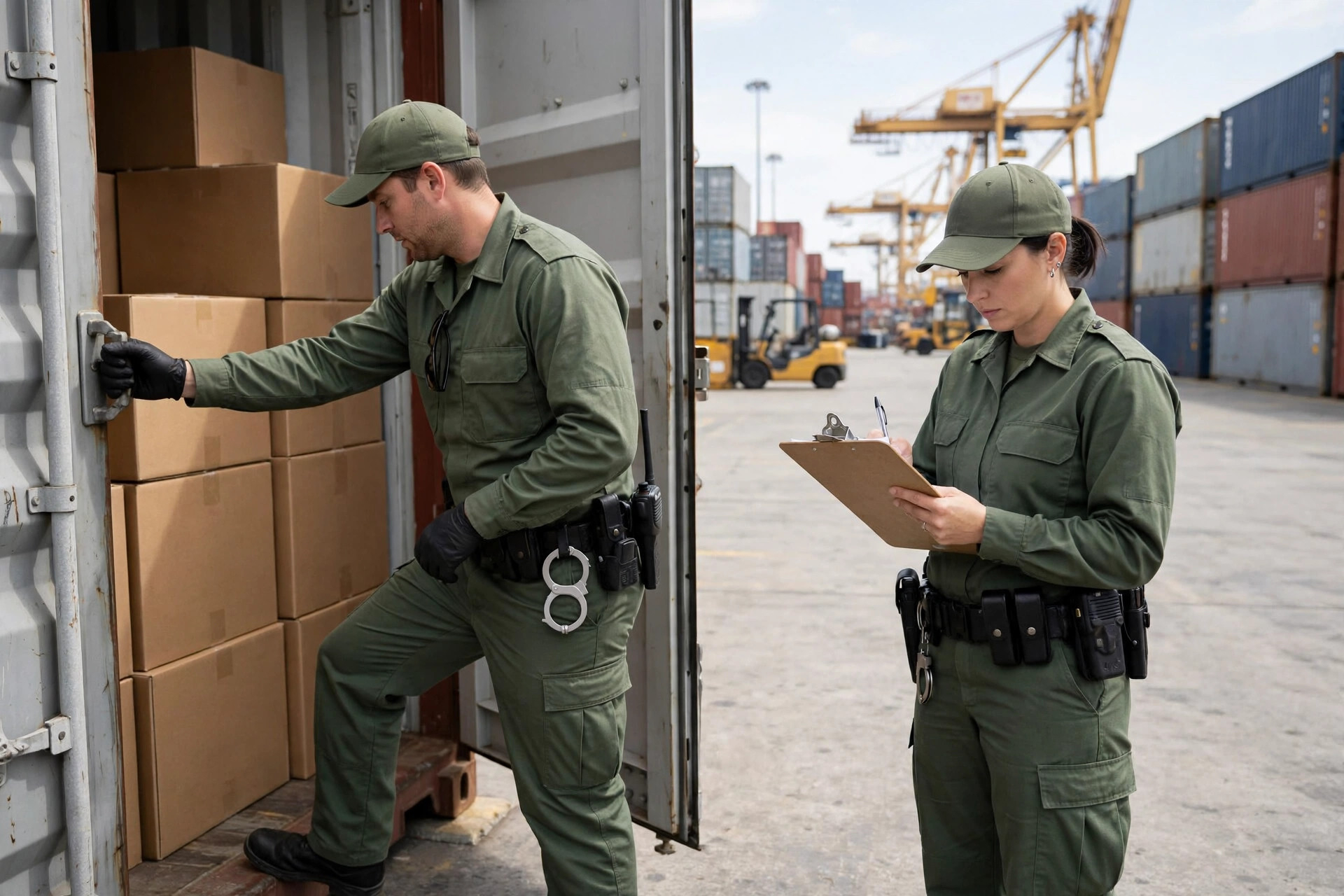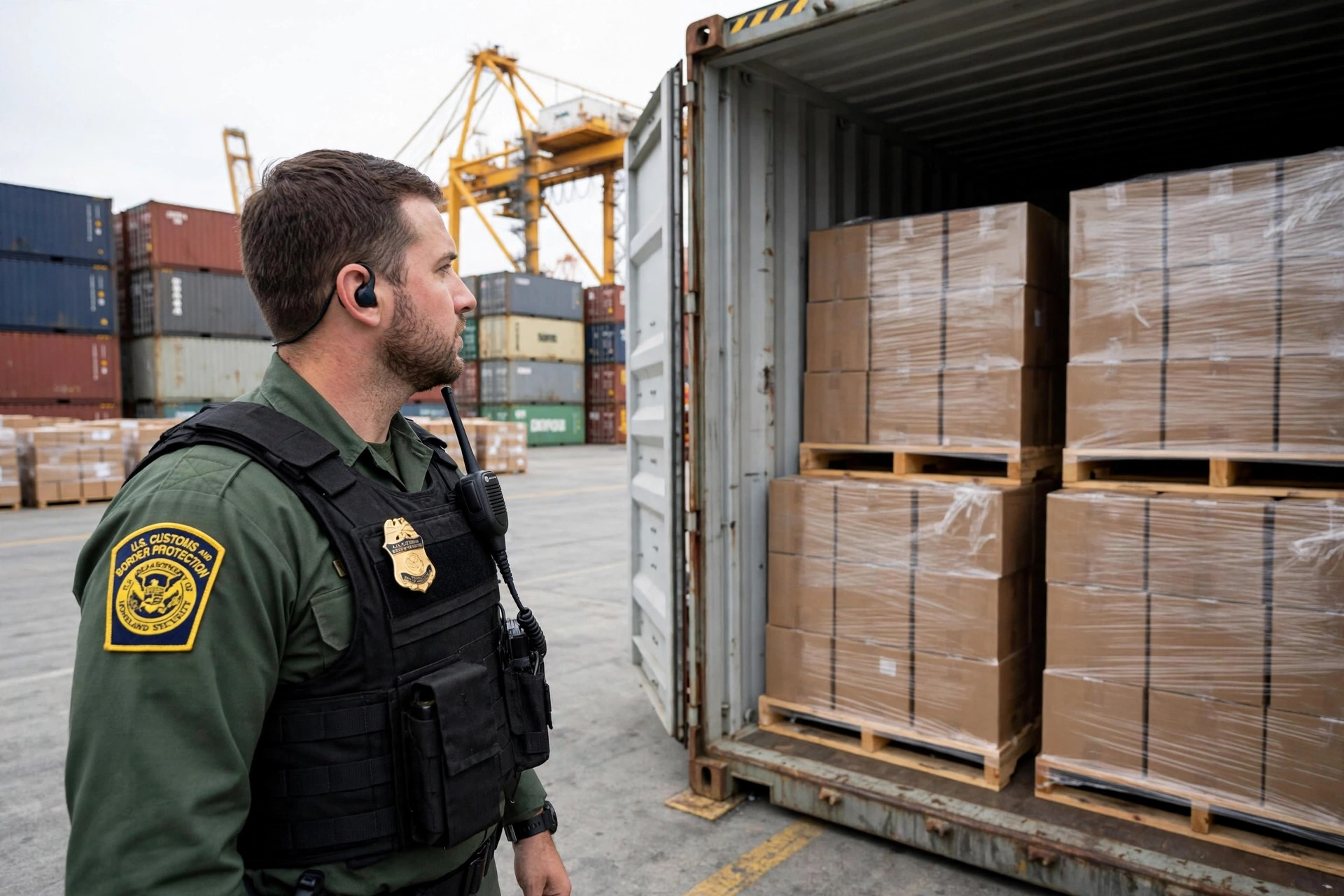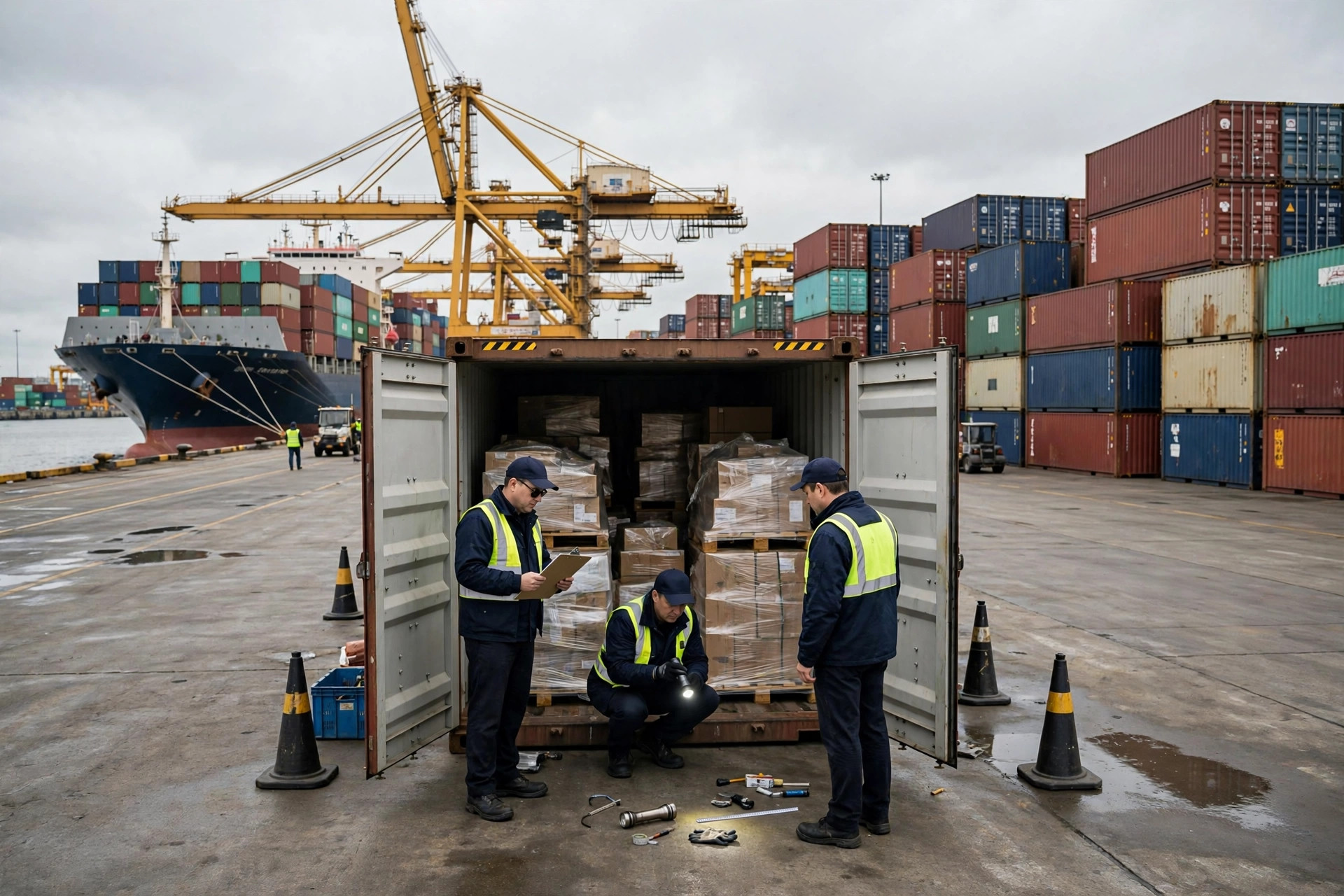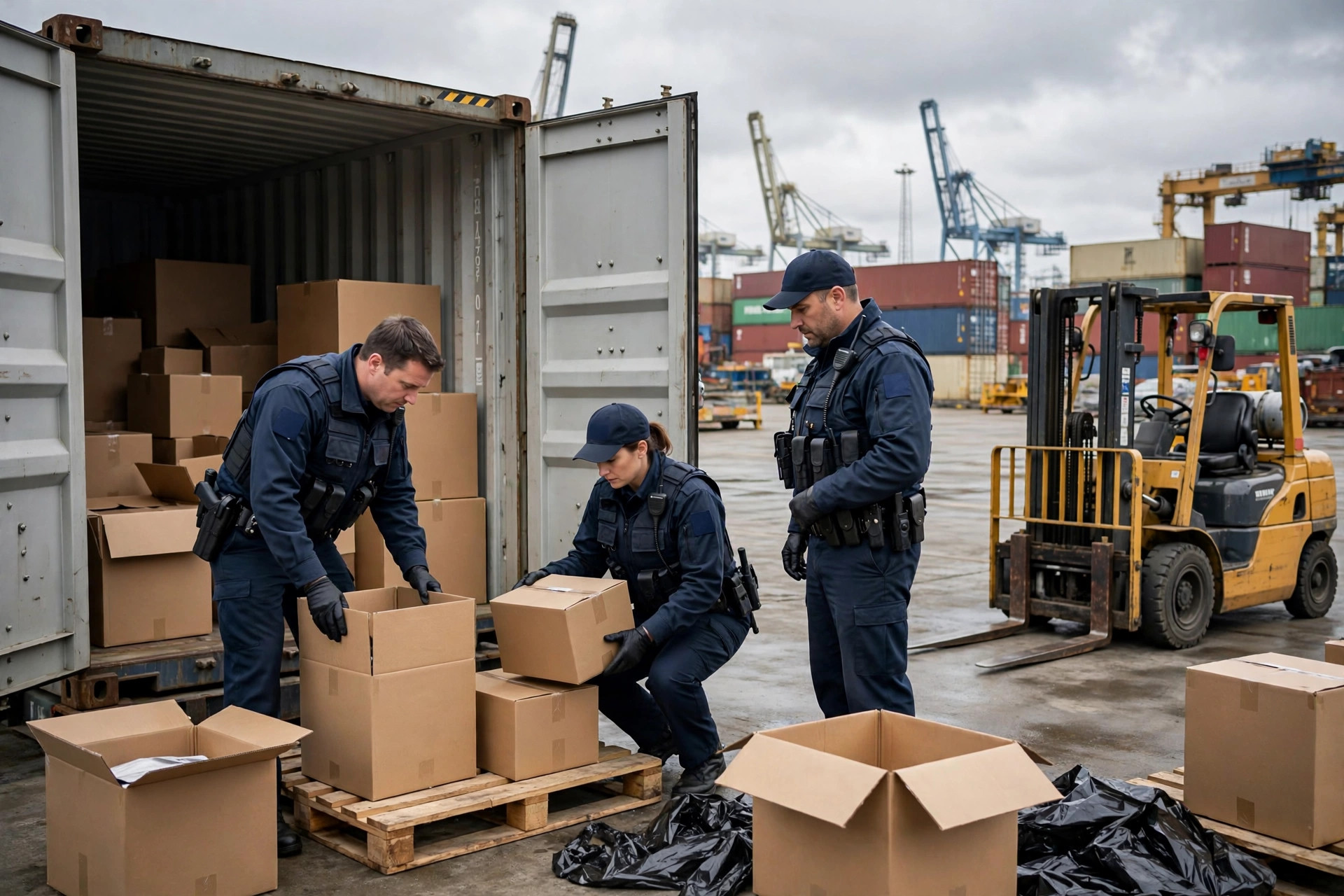
Picture this: your container is sitting at the Port of Los Angeles, and it's not moving. CBP has issued a Notice of Action saying your declared classification is wrong. They reclassified your goods, and the duty rate on the new number is nothing like the one you budgeted for. Tens of thousands of dollars in unexpected duty — plus demurrage ticking every day the box sits.
I've watched this play out more than once. Nine times out of ten, the root cause isn't the duty rate. It's the classification — which code your product belongs in. Get the structure of HS/HTS codes right and it serves you for life. That's what this article covers: structure and method. Not specific rates — for those, the USITC's official HTS Search is the only source that counts.
The first 6 digits: one language, worldwide
The system comes from the World Customs Organization's Harmonized System Convention, used by 200-plus countries and territories. The first 6 digits are the international part. For any given product, those 6 digits are identical everywhere on earth.
The structure is 2+2+2:
- Digits 1–2: chapter. Chapter 44 covers wood and wood articles; Chapter 48 covers paper and paperboard.
- Digits 3–4: heading. The broad category within the chapter — heading 4415 covers wooden packing cases, boxes, and pallets.
- Digits 5–6: subheading. The finer split — 4415.20 covers "pallets, box pallets and other load boards."
So a wooden pallet is 4415.20 in Shenzhen, in Rotterdam, in Long Beach. Same six digits. Think of it as the Mandarin of global trade — master the first six, and everything after is just regional dialect.
The US 10 digits: dialect on top of the universal six
The United States uses the HTS — the Harmonized Tariff Schedule — which takes the WCO six and adds four more digits:
- Digits 7–8: the duty rate line. America's own subdivisions, and these determine which tariff rate applies.
- Digits 9–10: statistical suffix. For trade statistics only; doesn't change the duty, but you still have to report it correctly.
Here's the mapping that trips people up: China's 8-digit customs codes and America's 10-digit HTS usually share the first six digits, then each country appends its own. Never copy a Chinese 8-digit code straight onto a US import entry. That's the single most common rookie mistake in this business, and there's a section on it below.
One more distinction: US export declarations use a different 10-digit system called Schedule B, administered by the Census Bureau. Imports use HTS; exports use Schedule B. Don't mix them.
Walkthrough: classifying a wooden pallet, step by step
Classification isn't dictionary lookup. It's reasoning under the General Rules of Interpretation — the GRI, six rules that govern the whole system. Let's walk a wooden pallet through:
Step 1: Fix the chapter by material and function. Wooden, used for loading and transport. That points to Section IX, Chapter 44 — wood and articles of wood. Common sense gets you here; it's hard to miss.
Step 2: Find the heading. Scan Chapter 44. Heading 4415 reads: "packing cases, boxes, crates, drums and similar packings, of wood; pallets, box pallets and other load boards, of wood." The word "pallets" is right there in the text. Heading locked: 4415.
Step 3: Pick the subheading. Under 4415, subheading 4415.10 covers cases and boxes; 4415.20 covers pallets and load boards. Our goods are pallets: 4415.20. First six digits done — valid worldwide.
Step 4: Look up the US suffixes. Open the USITC's HTS Search, enter 4415.20, and see how the US subdivides this subheading. Match your pallet's specifics — heat treatment, dimensions, construction — to the right full 10-digit number. This step means checking the official site, not filling from memory.
Step 5: Cross-check against rulings. Search CBP's CROSS database for classification rulings on similar goods. If Customs has already ruled on something essentially identical, following that ruling is the safest position you can hold.
Twenty minutes of work, and your classification can survive scrutiny. That's the trade.
A second example to lock in the pattern: corrugated cartons. Paper, used for packing — Chapter 48, heading 4819 ("cartons, boxes and cases, of paper or paperboard"), subheading 4819.10 ("of corrugated paper or paperboard"). First six digits: 4819.10, good everywhere. The last four come from HTS Search, same as before.
Three traps, each one expensive
Trap one: transplanting the Chinese 8-digit code. China's last two digits follow Chinese customs logic; they have nothing to do with digits 7–8 of the US HTS. Copying them across is like using pinyin to spell English — looks similar, means nothing. When CBP catches it, reclassification plus penalties is the standard package.
Trap two: letting the forwarder "handle" classification. Plenty of forwarders fill in a code from habit to keep things moving. Here's the part that matters: legal liability for the classification sits with the importer of record — you — not the forwarder. If they get it wrong, you're the one paying. For anything material, spend a few hundred dollars on a written classification opinion from a licensed customs broker. Non-negotiable money.
Trap three: reading the rate and stopping. The HTS rate is only the starting point. Antidumping and countervailing duties (AD/CVD), Section 301 tariffs — these stack on top of the HTS rate. Get the classification right, look up the rate, feel good, and then discover your product is subject to a 200% AD order. Make it a habit to check the AD/CVD case list during classification. That one habit saves shipments.
A beginner's toolkit
- USITC HTS Search (hts.usitc.gov): the official source for US tariff numbers, free. Step one of any classification starts here, always.
- CBP CROSS (rulings.cbp.gov): the database of past Customs classification rulings. Search by keyword, see how Customs ruled before — the best free teacher in the business.
- The WCO Explanatory Notes: when the legal text is ambiguous, read the official notes. Print the six General Rules of Interpretation and pin them to the wall.
- A licensed customs broker: high-value goods, debatable classification — buy professional judgment. And remember: the classification is always the importer's responsibility, no matter who fills in the form.
One last line: getting a code wrong once costs enough to pay for learning it right ten times over. Learn the structure, check the official source, read the rulings, ask a professional when it matters. Three moves, and customs clearance stops being a source of surprises.