Let me complain first: most sellers hear East China stocking and think only of Shanghai or Nanjing, then act surprised when peak season jams them into a corner, when hefei anhui warehouse logistics has quietly become a serious option. Hefei got pulled upward by factories, not by e-commerce hype, and that changes what its warehouses are good at. Understand that logic and you save money; miss it and you just pay tuition in a different city.
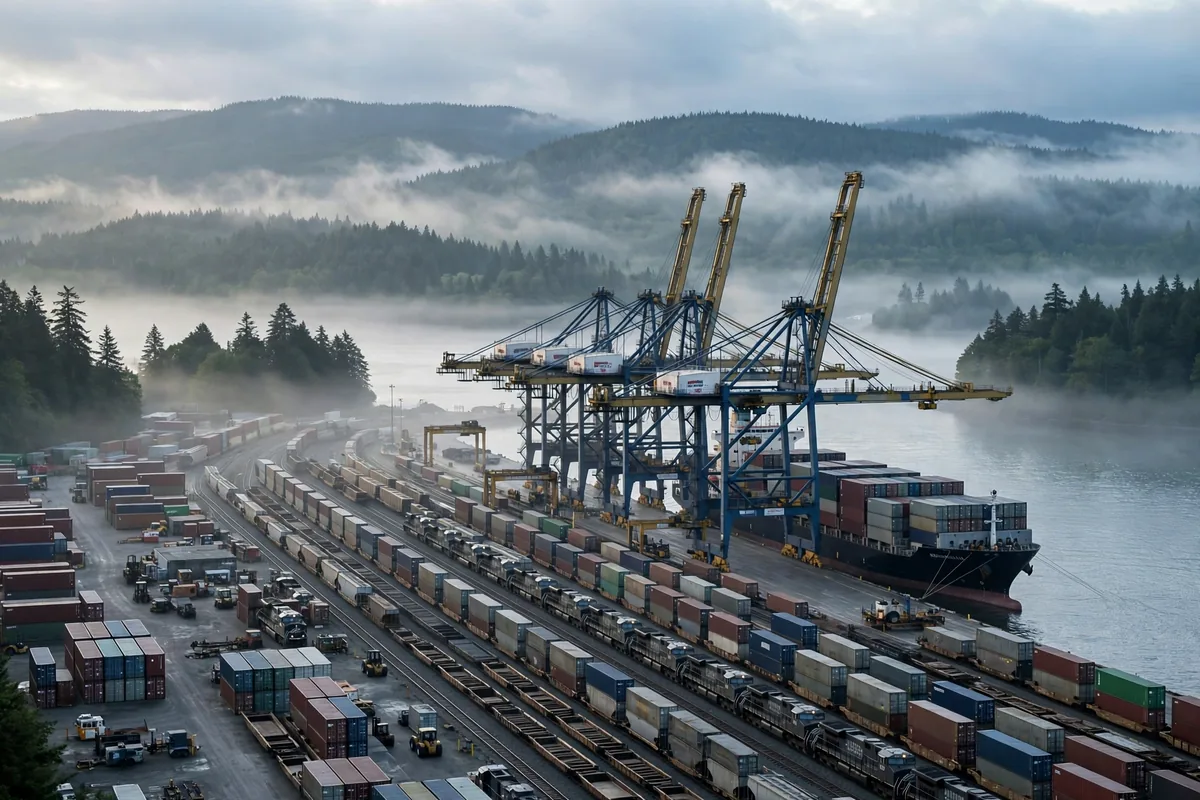
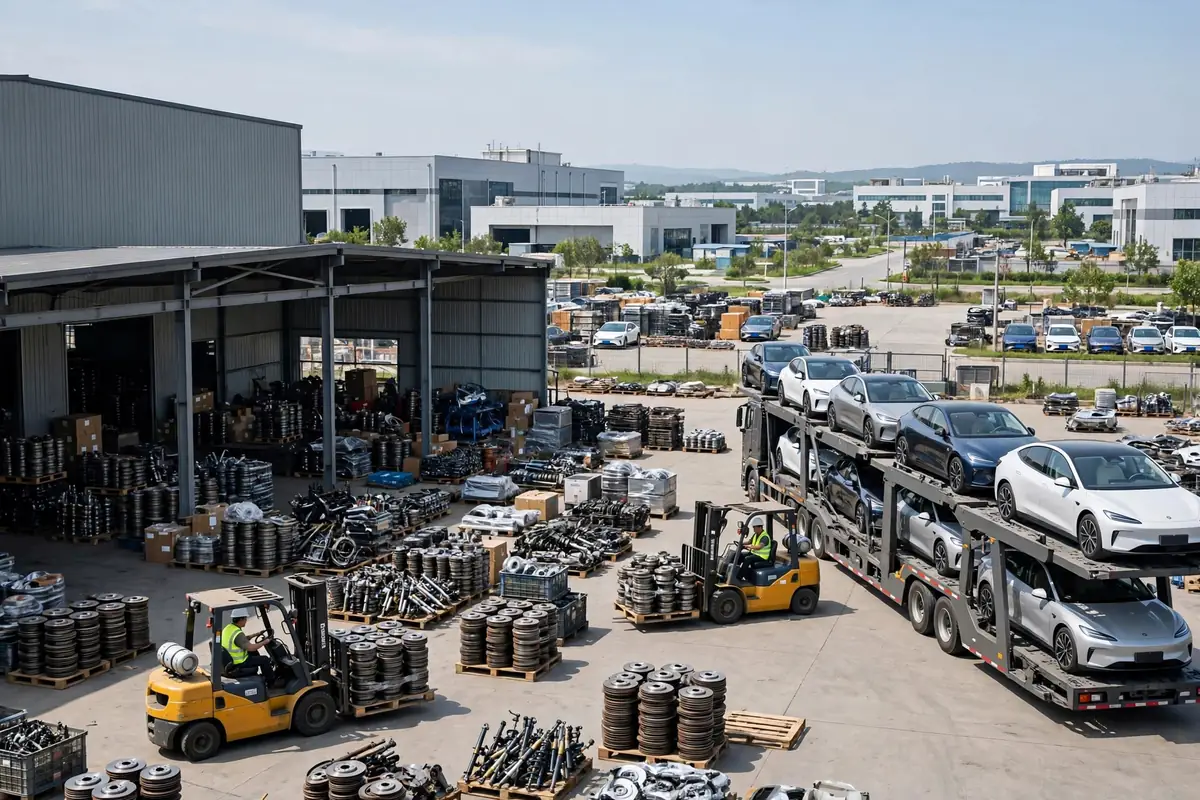
Hefei is the capital of Anhui Province, sitting on the belt where East China hands over to Central China. New energy vehicles, home appliances, and display panels cluster here, with automakers such as Volkswagen Anhui and NIO and a long tail of parts and appliance plants in the area, all a matter of public record. Where factories gather, parts warehouses, line-side buffers, and spare-parts operations follow, and e-commerce and regional distribution sites have layered on top. The city's warehouse mix is more varied, and more battle-tested, than many sellers assume.
Why hefei anhui warehouse logistics runs on manufacturing
Factory warehousing follows production rhythm, not marketing calendars. When a vehicle or appliance plant sets its schedule, upstream parts have to arrive on beat, so suppliers either build nearby or rent third-party buffer space. Over time that demand pays for the roads, the linehaul habits, the labor pool, and the packing and labeling services around it.
Sellers inherit all of that for free. An e-commerce warehouse moving into an industrial city does not start from zero: experienced warehouse staff, seasonal labor, and negotiable linehaul are already there because factories needed them first.
A seller I know in auto accessories proves the point. He kept everything in a big coastal East China warehouse, where peak-season rent and handling fees rose together and big clients kept jumping his queue. He moved spare parts and slow-moving long-tail stock to Hefei and kept only his fastest lines on the coast. The long-tail storage bill dropped, coastal space opened up for his winners, and peak season stopped producing the classic no-room-for-best-sellers mess. That is textbook split warehousing: let Hefei do what Hefei is good at.
Here is the counterintuitive part. Inland does not mean slow. Speed comes from linehaul frequency and cut-off times, not from how close a city sits to the sea. Hefei runs solid trunk routes toward Nanjing, Wuhan, and Zhengzhou, so if your orders already spread across inner East China and Central China, average delivery time from Hefei can match a coastal site while the bill looks friendlier.
Hefei anhui warehouse logistics against Nanjing, Zhengzhou, and Wuhan
Get the four roles straight. Nanjing is the established East China hub: deep provider market, steady performance, and pricing that reflects it, with good space contested every peak. Zhengzhou is the great north-south and east-west crossroads, strong for national distribution and northbound reach, though East China orders shipped from there travel a slightly longer way. Wuhan owns Central China and covers its home region beautifully, but it is nothing special for East China delivery. Hefei sits in the interesting gap, west of Nanjing, east of Wuhan, south of Zhengzhou, able to touch everyone's territory without fully owning anyone's.
This table gives the quick read (cost levels are relative and illustrative; confirm with live quotes):
| City | Smoothest coverage | Cost level | Best fit |
|---|---|---|---|
| Hefei | Anhui, inner East China, eastern Central China | Relatively friendly | Long-tail stock, industrial support, regional buffer |
| Nanjing | Yangtze Delta core | Higher | Time-sensitive East China main warehouse |
| Zhengzhou | North and northwest plus national splits | Middle | Single national hub or northbound distribution |
| Wuhan | Central China | Middle | Central China main warehouse |
My framework has two tests. First, plot your order heat map. If East China dominates but Delta warehousing costs hurt, put long-tail and buffer stock in Hefei and keep the main fulfillment site in Nanjing; that pairing is the steadiest I have seen. Second, judge the goods themselves. Bulky, slow, and thin-margin products should leave expensive warehouses as early as possible, and they are exactly what a cost-friendly city like Hefei was made for.
My own scar tissue agrees. One year before a big promotion I followed the crowd and stacked a batch of appliance parts entirely in Nanjing, betting on closeness to shoppers. The promotion hit, the warehouse queue blew past cut-off, and support drowned in where-is-my-order messages. The next year I moved most of the buffer stock to Hefei ahead of time, kept only the fastest quantity in Nanjing, and let Hefei replenish Nanjing on a schedule during the sale. The rhythm held, and the storage bill came out lower. Separating the stocking warehouse from the fulfillment warehouse is a trick even a small seller can run.
When stocking Hefei makes sense: a hefei anhui warehouse logistics checklist
Not every product belongs there, so use a checklist. Good fits: auto accessories and spare parts, appliances and their parts, bulky home goods, slow long-tail lines, seller stock that supports factory customers, and seasonal goods that need a buffer between East and Central China. Poor fits: hero products where next-day delivery is non-negotiable, catalogs with almost all orders inside the Delta core, and high-return categories that need coastal rework capacity.
A quick calculation shows the structure. The following is an illustrative scenario, not a real quote (hypothetical example): suppose slow-moving stock averages about five hundred pallet positions. At roughly 1.6 cost units per position per month in a pricey coastal warehouse versus about 1.0 unit in Hefei, storage alone differs by about three hundred units a month, or about three thousand six hundred units a year. You still pay for the extra replenishment leg, which is why this only works with low transfer frequency and a stable replenishment plan. Replenish daily and you hand the saving straight back.
My rollout is three steps. Trial small: run one category's long-tail stock through a full promotion cycle and watch outbound speed, damage rates, and whether the billing reconciles cleanly. Negotiate the contract traps next: peak-season volume guarantees, temporary labor pricing, and returns handling fees cause most of the later arguments. Then put replenishment on a calendar and keep it boring, because half of Hefei's value is the warehouse and the other half is your discipline in feeding it.
Hefei is not a cheap copy of Nanjing. It is a different play: trade a little distance for cost, space, and a steadier peak season. If your catalog carries slow movers and bulky goods, run the Hefei numbers once, seriously. This trick worked in my own tests, and it keeps working.
By Ah K, E-commerce Seller (5 yrs)