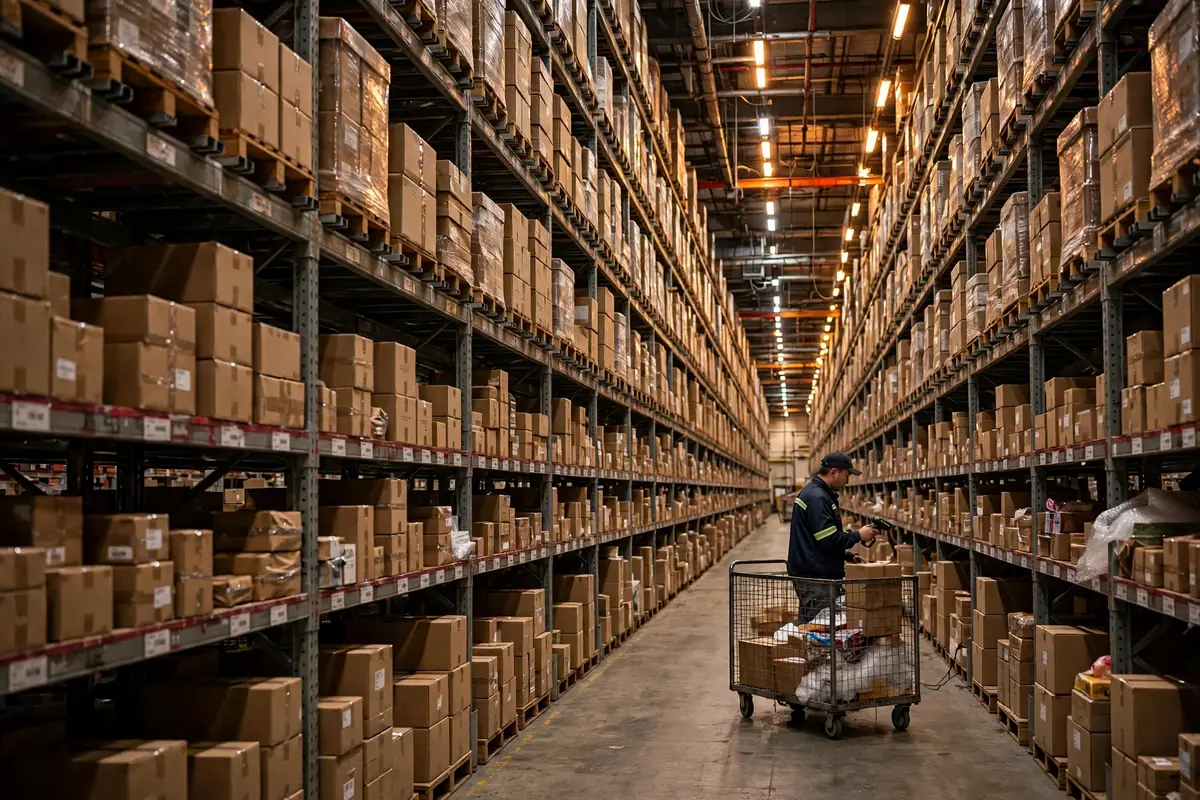
We small warehouses cannot afford to burn money — that is the line I have lived by for three years. This guangzhou nansha port warehouse logistics breakdown is my small-warehouse-owner math on Nansha Port: what the port is actually good at, and how a small seller ships through it without losing money. My warehouse is 3,000 square meters. I take small sellers' freight. The big guys compete on scale. I compete on not taking wrong turns.
Here is my situation. My warehouse sits about an hour's drive from Nansha Port. For years my clients' cargo went through Shenzhen terminals: expensive trucking, and the highway jammed at the worst moments. In March 2026, a home-storage client asked me to try one shipment: a 40-foot container of storage boxes, sailing from Nansha to Los Angeles. I was nervous. I did not know Nansha well. But trucking from my warehouse to Nansha was far shorter than to Shenzhen, and that alone saved hundreds of yuan on one container. After that shipment landed, I understood: Nansha is not a big-seller-only port. Used the right way, a small seller can ride the big port's advantages too.
Guangzhou Nansha Port Warehouse Logistics: What Makes Nansha Strong
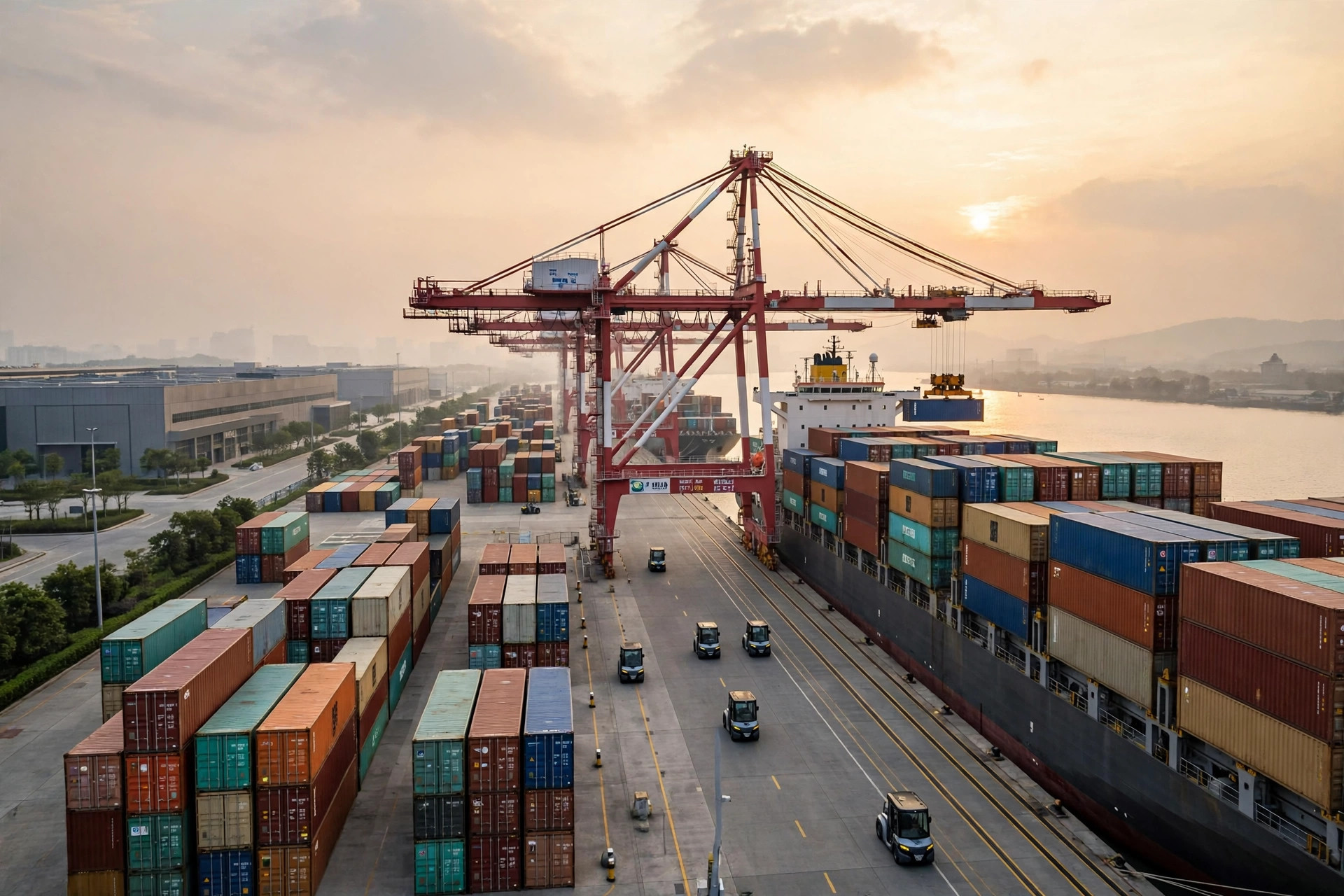
Let me start with numbers you can check. In 2025, container throughput at the Nansha Port Area passed 22.6 million TEUs. The port now runs more than 180 international shipping routes, reaching over 300 ports in more than 120 countries and regions. In 2025, Nansha's total foreign trade reached RMB 295.99 billion, up 13.2% year on year. The cross-border e-commerce figure matters even more: imports and exports through the Nansha Comprehensive Bonded Zone came to nearly RMB 74 billion, ranking first among China's comprehensive bonded zones for the sixth straight year. Guangzhou was approved as a national cross-border e-commerce pilot zone back in 2016, and Nansha is the strongest card in that hand.
The terminal itself keeps upgrading. The Phase IV automated terminal saw throughput rise 18% year on year in the first half of 2026, with peak daily throughput above 18,000 TEUs. Phase V construction started in May 2026, with total investment above RMB 14.4 billion; once complete, total handling capacity across the Nansha Port Area will reach 35 million TEUs. In plain language: lots of ships, dense routes, high automation, and even in peak season it does not jam up for three days the way some smaller ports do.
But numbers are numbers, and a small seller's math is different. The big port gives you dense sailings and many routes. The catch is that its procedures are no simpler than a small port's. First-timers at Nansha usually trip over two things: customs paperwork that is not ready, so the container sits in the yard racking up storage charges day by day; and picking the cheapest ocean freight on a once-a-week sailing, so the cargo waits four or five extra days in the warehouse and the freight saved gets eaten by storage costs.
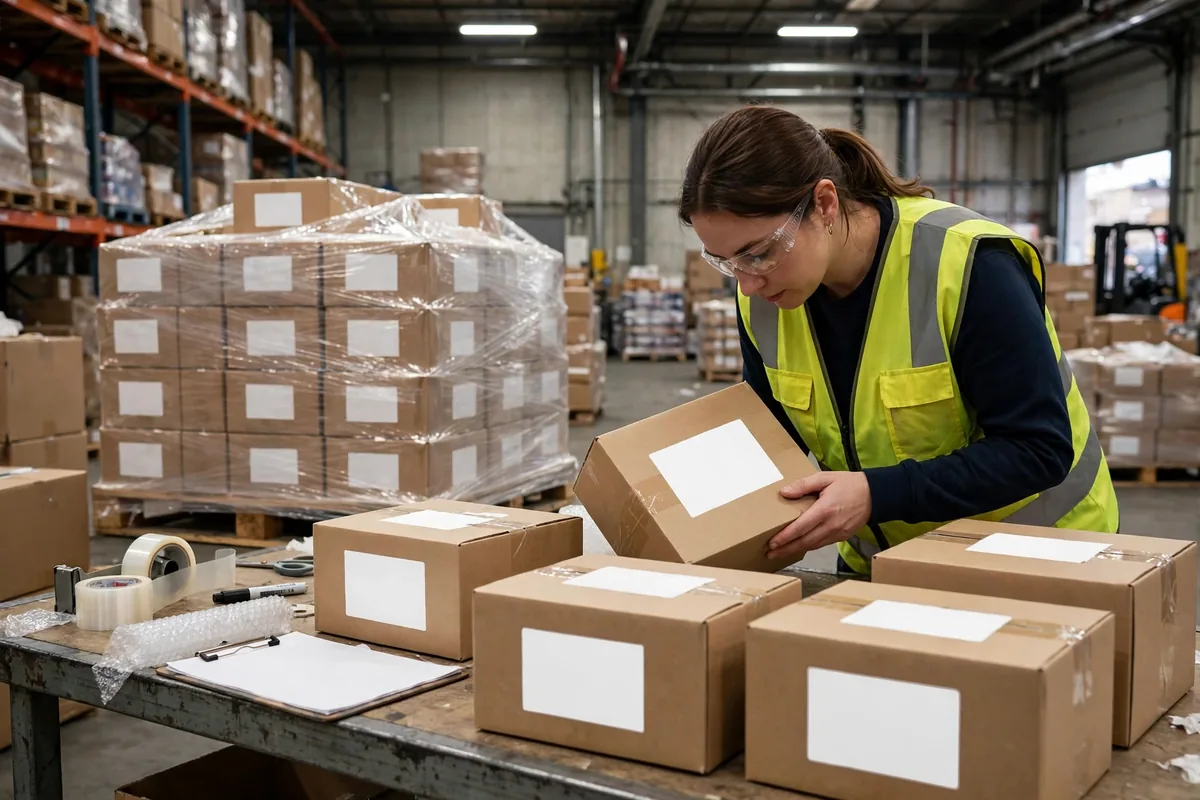
I still have a lesson sheet pinned up in my warehouse from 2025. A lighting client had the container loaded before anyone noticed a certificate of origin was missing. The box sat in the port area for three extra days, and storage plus rebooking cost several times the customs brokerage fee for that shipment. Since then I have had one rule: check every document before booking the truck. No document, no truck. In any guangzhou nansha port warehouse logistics calculation, paperwork is money. One missing piece of paper burns real cash.
Guangzhou Nansha Port Warehouse Logistics: Three Dirt-Cheap Routes for Small Sellers
Our little warehouse worked out three routes, all tested with real money. Here is the comparison. The figures are a hypothetical example to show the structure; get live quotes from your forwarder for real rates.
| Route | Best for | Upside | Trap |
|---|---|---|---|
| Direct: load at Nansha, sail direct | Full container, fixed destination port | Short trucking, dense sailings, few middlemen | Hard to fill a container; waiting for sailings |
| Bonded-zone stocking, ship in batches | Cross-border sellers on many platforms and markets | Returns can go through the bonded-zone channel; release by order | Bonded-zone books and declarations need expertise |
| LCL consolidation plus overseas warehouse | Small sellers shipping dozens of cubic meters a month | No waiting for a full box; split at the overseas warehouse | Consolidation waiting time; one extra handling fee |
Route one is direct shipping. If you can fill a container and the destination port is fixed, do not take detours. Nansha's route density to major ports in Europe and America gives you plenty of sailing choices, and trucking is short. My home-storage client now runs this route every month, two containers, and the combined trucking-plus-freight cost beats the old Shenzhen routing by a clear margin. Remember this: money saved on trucking is real money.
Route two is bonded-zone stocking. The most valuable part of the Nansha Comprehensive Bonded Zone is its cross-border e-commerce policy package: export returns can go through a one-stop supervision model, so returned goods enter the zone for inspection, sorting, and relisting instead of being shipped back out and re-imported. In November 2025, a beauty client had more than 200 returned items piling up in a US FBA warehouse. The returns came back through the Nansha bonded-zone channel; sellable items went back on sale, unsellable ones were handled inside the zone. It saved more than half the hassle of shipping everything back to the factory. But bonded-zone books and declarations have their own rules. Use a broker who knows them. One wrong declaration costs far more to fix than the brokerage fee.
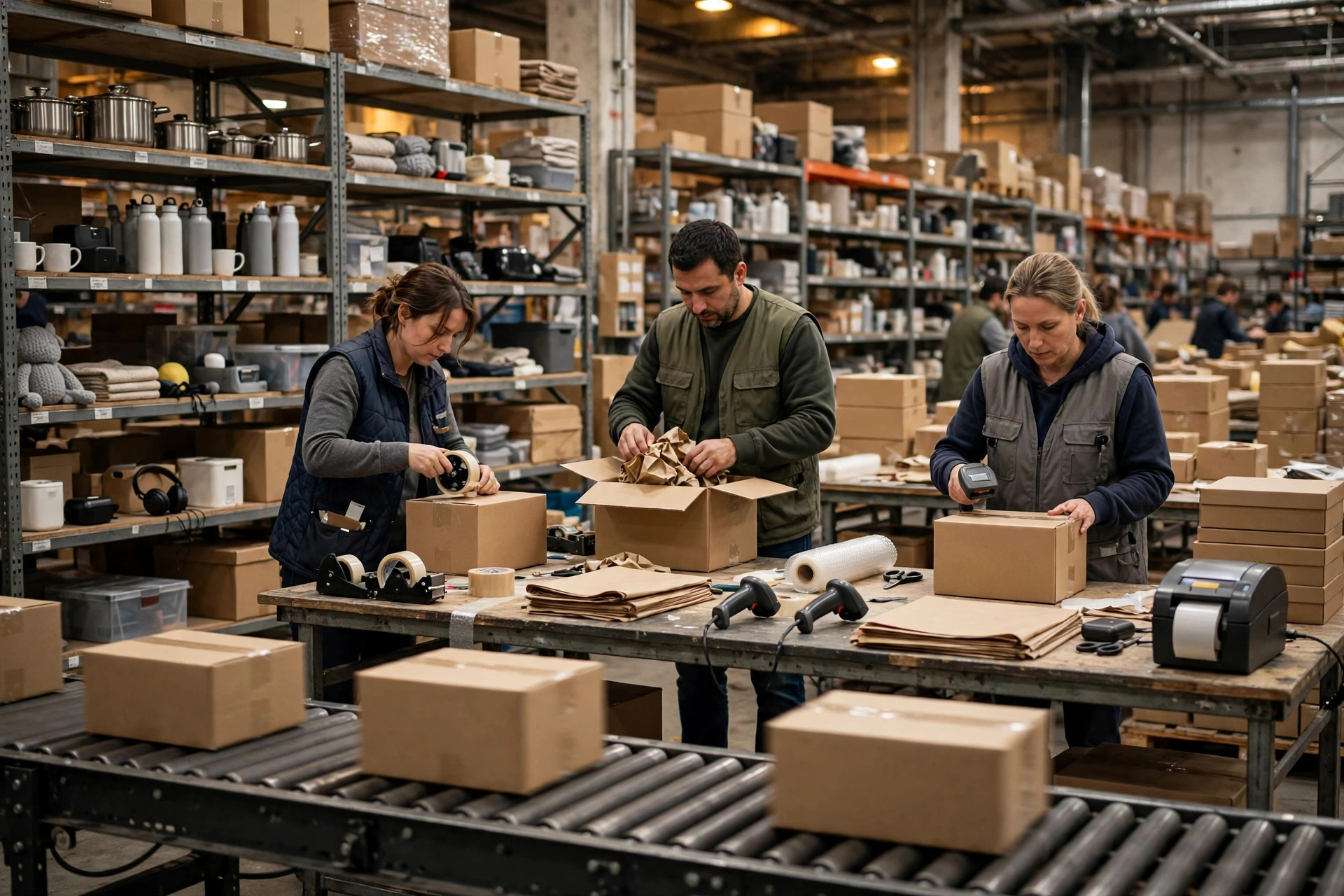
Route three is LCL consolidation plus an overseas warehouse. A small seller moving only dozens of cubic meters a month cannot realistically wait for a full container. My dirt-cheap method is to consolidate several small sellers' cargo into one container at my warehouse, sail from Nansha, and split it at the overseas warehouse, each seller taking their own last-mile route. This route lives or dies on organization: the shipping dates must line up, product names must not conflict, and the destination port must match. Miss one condition and the consolidation falls apart. But when it works, the per-cubic-meter cost beats sending small parcels by courier by a wide margin. Small warehouses have their own way of surviving, and consolidation is our house skill.
One more detail on consolidation: when cargo from different sellers shares one container, the product names and declarations must be separated clearly, so that if anything goes wrong you can trace it to the right owner in minutes. My rule is to sign a consolidation sheet first, listing each seller's volume, product name, and destination port. Put the awkward stuff in writing up front, and there is no arguing at the destination warehouse.
The Contrarian Bit: Nansha Is Not a Magic Key
Here is the contrarian take: no matter how strong Nansha is, not every shipment belongs there. Cargo bound for Southeast Asia does well on Nansha's fast services, with dense sailings and short voyages. Cargo bound for Europe has plenty of route choices too. But for small, high-frequency shipments where delivery time is measured in days, air freight plus a local warehouse may still be the better deal. The cheapest ocean freight cannot save the days lost waiting for a sailing. And there is a trade-off nobody mentions: the automated terminal is efficient, but a big port's procedures are strict. Cargo with incomplete documents might get a pass at a small port. At Nansha, you fix the paperwork first, then you sail. Compliance has no shortcut at a big port.
My advice is concrete, in three steps. First, pull your last three months of shipping data: monthly volume, main destination ports, and delivery-time requirements. Those three numbers decide the route. Second, run one trial shipment through Nansha before moving everything. The trial costs one shipment's freight. A mistake costs a whole month's cargo. Third, keep your customs broker, forwarder, and overseas warehouse contacts in one sheet, and check every item before booking the truck. Do not laugh at the sheet. I still have that 2025 lesson pinned up: one missing certificate of origin, three extra days in the yard.
What Nansha has been doing these past few years comes down to one sentence: the big port's sailing schedules and policy benefits are leaking down from the big sellers to the small ones. Whoever does the warehouse math first gets the leak. Small warehouses have their own way of surviving. We cannot out-scale anyone, so we out-plan them: careful consolidation, no wrong turns. Do the guangzhou nansha port warehouse logistics math before you ship, and you will not go wrong.
By Xiao Ma, Small Warehouse Owner