The platform changed its cut-off rules again. Sellers in my group chat were complaining before breakfast. My own problem was worse: the stock was sitting in the warehouse, packed and labelled, and it still missed the truck.
I have sold cross-border for five years, and I have changed warehouses in Guangzhou three times. The first move was for cheap rent. The second was for speed. Only on the third move did I ask the right question: what is my product actually afraid of — cost, delay, or messy consolidation?
That is the real question behind guangzhou cross border warehouse fulfillment. You are not renting floor space. You are buying a relay race that runs from the factory door to the consolidation point, then out of the country. If one leg is slow, saving money on another leg does not help you.
Factory-side: cheap and close, until the last leg ruins it
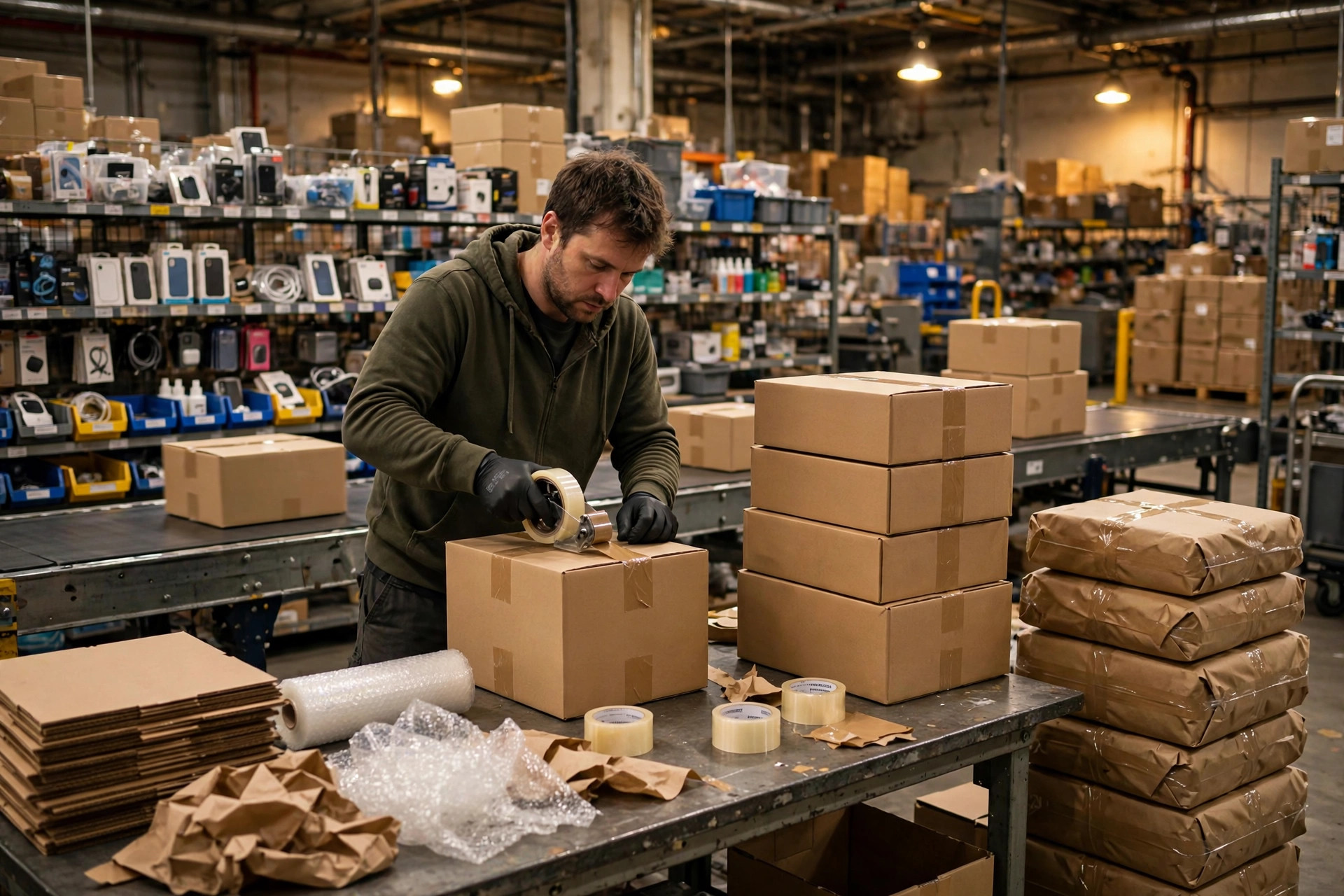
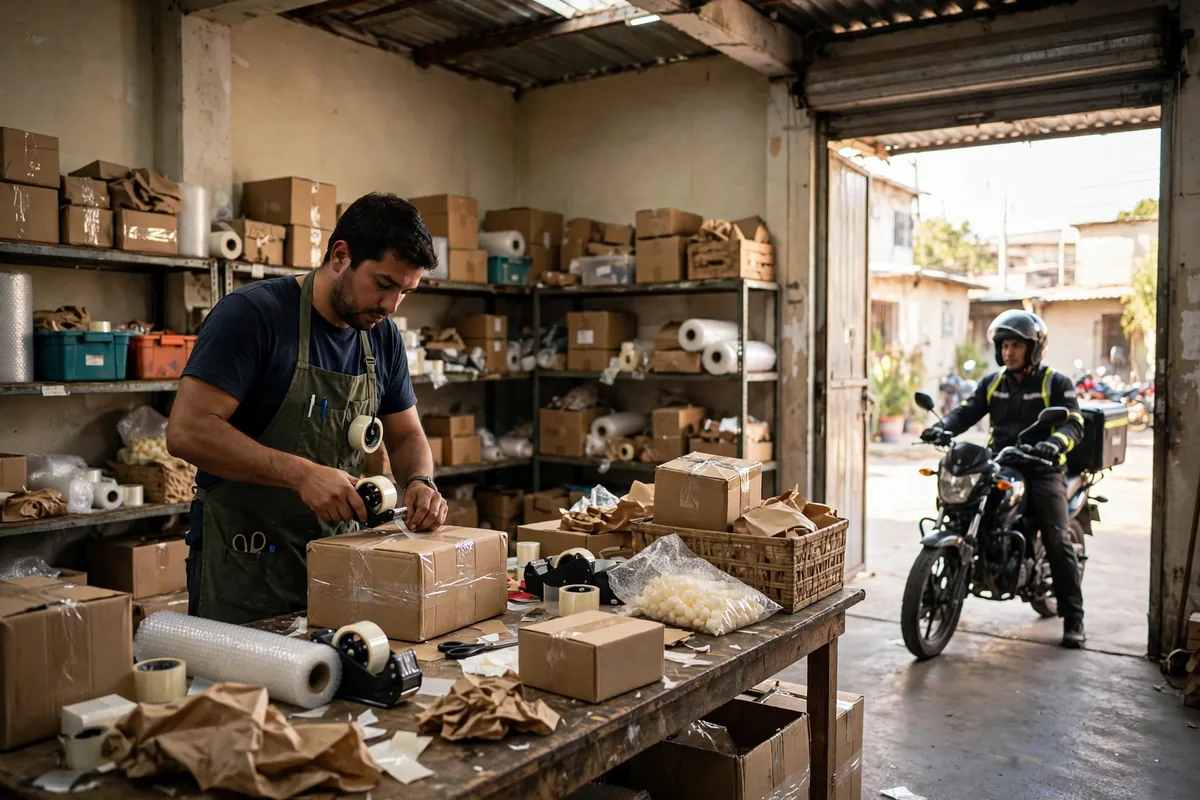
In 2023 I was selling small home products sourced mostly from factories around Foshan and the Panyu side of Guangzhou. I placed my stock near the factories. Replenishment was short and easy, rent looked low, and the warehouse promised same-day packing after arrival.
For two months it felt smart. Factory cartons arrived within half a day, and I saved a domestic trunk leg I had been paying for before. Then the export side started to hurt.
Most of my orders left by air-based small parcel and dedicated lines. My warehouse was not close to Baiyun Airport or to the main consolidation points my forwarders used. Parcels finished late in the afternoon often missed that evening's consolidation run. They left the next day instead. Add a weekend or a late factory delivery, and a one-day slip quietly became two or three.
Customers do not care about your internal relay. They see a delivery estimate moving backwards. My ad conversion slipped during peak weeks, and when I added it up roughly, the money saved on rent and handling was smaller than the extra ad spend I needed to hold sales. I am deliberately not giving you a neat rate card here — every warehouse and every line quotes differently, so check the latest quote before you decide. The direction matters more than a copied number: I had saved the small money and lost the expensive money.
Here is the counterintuitive part. Being close to the factory does not mean your total lead time is short. If your goods are low value, not urgent, and mostly move by sea or rail, a factory-side site can be excellent. If you live on air speed, saving half a day at the start and losing a full day at the end is a bad trade.
After that lesson, I started asking three questions before I even looked at rent. How many consolidation runs leave each day? What is the real cut-off, not the sales version? If I miss it, is there a later vehicle or does everything simply wait until tomorrow? A warehouse that cannot answer those clearly does not get my hero SKUs, however cheap it sounds.
Airport-side: fast, yes — but consolidation and returns get expensive
The next year I moved near the airport, chasing speed. It worked. Stock checked in before cut-off usually handed over the same evening, and peak season felt calmer.
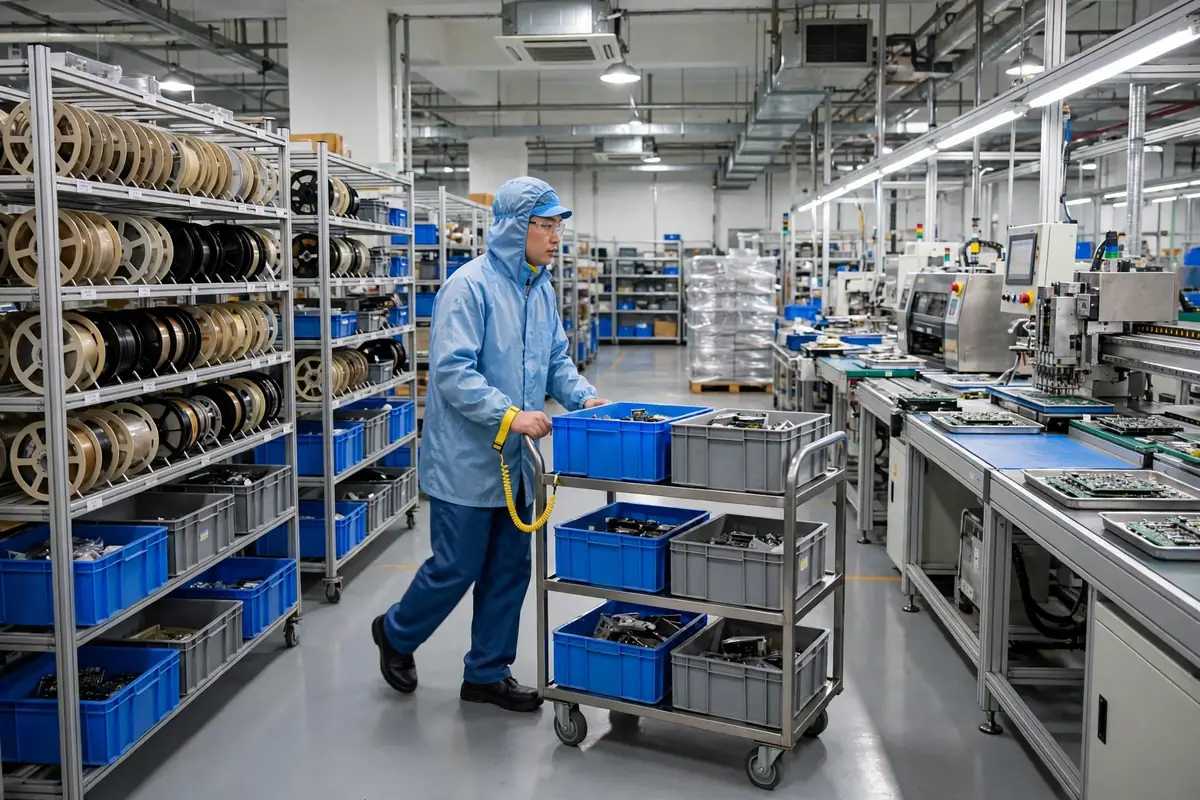
Then the new costs showed up. My products did not come from one factory. Components came from Shenzhen, free gifts from Shantou, packaging from local suppliers. The warehouse had to wait until every piece arrived before a set could be boxed and shipped. Near the airport, storage and handling generally cost more, so every extra day spent waiting for a complete set added up. Returns and relabelling were slower than I expected too. Space is tight, labour is scheduled tightly, and a small exception job could sit in a queue.
A clothing seller I know hit a sharper version of this in 2024. He rented near the airport and loved the outbound speed. But his garments still needed inspection, pressing, and repacking after leaving his factory in Panyu. The daily movement between factory and warehouse created driver cost, waiting time, and endless arguments about who had delayed what. He eventually moved inspection and pre-packing back to the factory side and used the airport warehouse only for consolidation and dispatch. The whole chain got simpler, and strangely, faster.
So who should pay for an airport-side warehouse? Sellers whose goods arrive finished — inspected, packed, standardised, ready to label and hand over. The more standard the product, the more the speed is worth paying for. The more processing, waiting, and kitting your product needs, the more that expensive space eats your margin while the goods just sit there.
Split the products before you pick the postcode
These days, when I evaluate guangzhou cross border warehouse fulfillment, I split my catalogue into three groups first.
First, hero SKUs and fast movers. These fear stockouts and slow dispatch, so they belong near the airport or a strong consolidation hub. Higher handling cost is acceptable because speed protects conversion.
Second, bulky, low-value, or sea-freight products. These fear storage and domestic transport cost more than a day of transit. They usually belong closer to factories or in a lower-rent area, replenished in batches against shipping schedules.
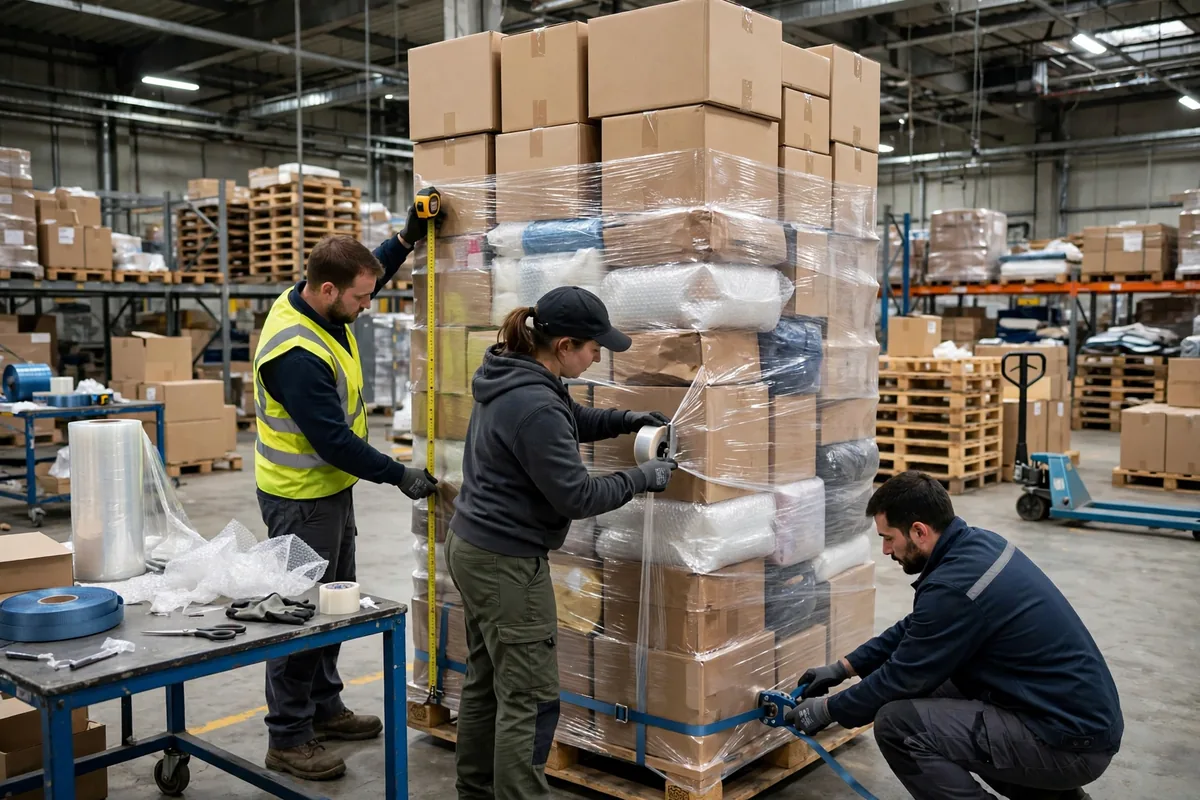
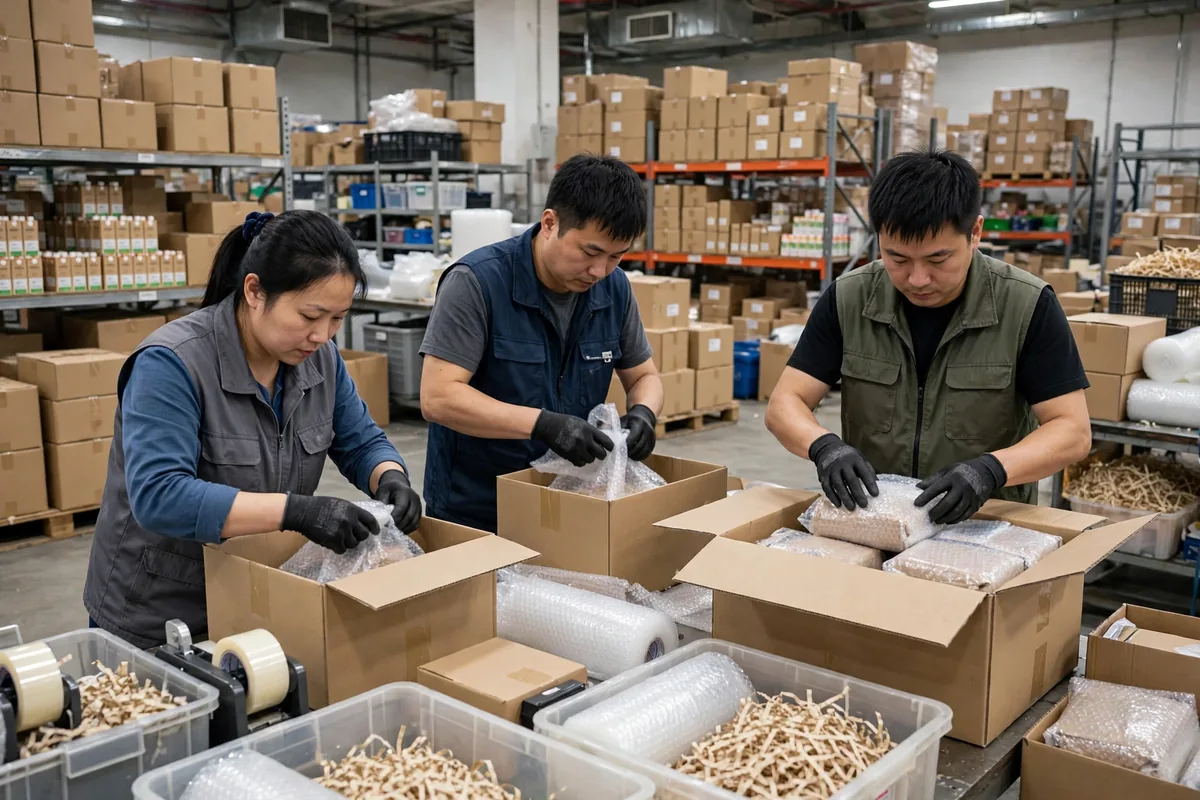
Third, kits and multi-supplier bundles. These are the troublemakers. They need a warehouse that is genuinely good at consolidation: checking partial arrivals, flagging shortages early, holding incomplete sets in a visible waiting area, and only sealing the carton when the set is complete. For this group I do not start with rent. I ask to see how they track incomplete orders. If nobody can show me, I walk away.
This rough comparison is how I judge quotes. Treat it as relative, not as a price list — get current quotes for your own lanes.
| Factor | Factory-side | Airport-side |
|---|---|---|
| Rent and handling | Usually lower | Usually higher |
| Factory replenishment | Short and flexible | Longer, needs scheduled transport |
| Export cut-off | Easier to miss evening consolidation | Easier to hand over the same evening |
| Multi-supplier consolidation | More room to wait for parts | Waiting stock costs more |
| Returns and relabelling | Labour often easier to schedule | Queues are common in peak season |
| Best fit | Sea stock, bulky goods, products needing work | Air-shipped heroes, standard goods, fast movers |
No column wins everything. My current answer is a split setup: heroes near the airport, reserve and bulky stock near the factories, and a fixed domestic transfer rhythm between them. A small seller can do a lighter version — one main warehouse plus a temporary consolidation point — without signing two big long-term spaces.
One last test matters more than the sales tour. Consolidation fails on information, not just distance. Factory dispatch, warehouse arrival, putaway, kitting, handover to the forwarder — who updates each step, and where can you see it? When I trial a warehouse now, I pick ten shipments at random and ask the team to tell me, on the spot, exactly where each one is. If they cannot, I do not trust them with a product my ads depend on.
Before you sign, get five things in writing: cut-off time, consolidation frequency, free waiting period for incomplete sets, return handling time, and peak-season surcharges. In peak season, verbal promises are the first thing to go out of stock.
This worked for me in practice: sort the products first, negotiate the location second. Reverse that order and you will probably pay tuition with your margin.
By Ah K, E-commerce Seller (5 yrs)