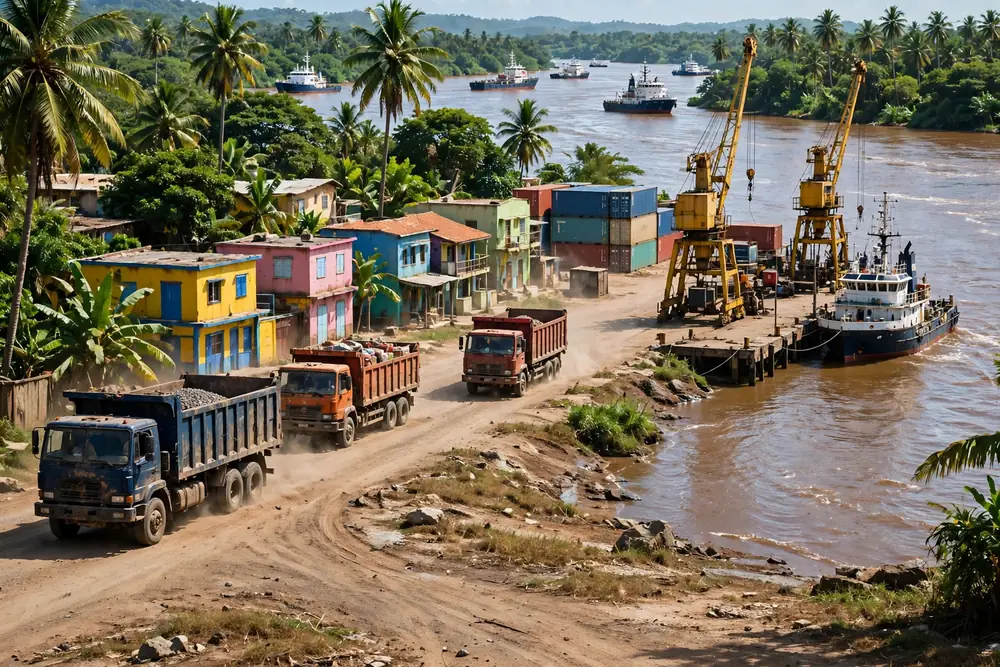
Let me tell you something about Georgetown, Guyana. Last autumn, an old buddy of mine who runs the South America lanes called me up, and his first words were: "Zhao, you cannot find a square meter of warehouse space in Georgetown anymore."
I was puzzled. Georgetown? The little capital of Guyana? He said, you have not been paying attention — they found a giant oilfield offshore. The Stabroek block holds nearly 11 billion barrels of recoverable oil equivalent, and offshore production runs about 900,000 barrels a day. Once the oil started flowing, equipment, pipes, chemicals, and everyday supplies all poured into Georgetown, and the port, the warehouses, and the trucks all ran short at once. I have seen ports jammed and warehouses full, but a small city overwhelmed overnight by oil is a rare sight.
My buddy was hauling a load of oilfield spare parts that trip. When the cargo reached the port of Georgetown, he just stared. The port is only about 9 meters deep, so it can only take small and medium ships; big vessels cannot berth at all. Cargo either waits at anchorage for smaller boats to lighter it in, or diverts to another port and comes back overland. His load sat in the port for days, and when he finally got to the warehouse side, there was no space — the oil projects had taken it all. The goods did get unloaded in the end, but pickup queues, the warehouse hunt, and finding trucks on the spot all had to be improvised, and the final bill came in well above the quote he had started with.
The Port of Georgetown: Nine Meters of Water, and the Ships Cannot Get In
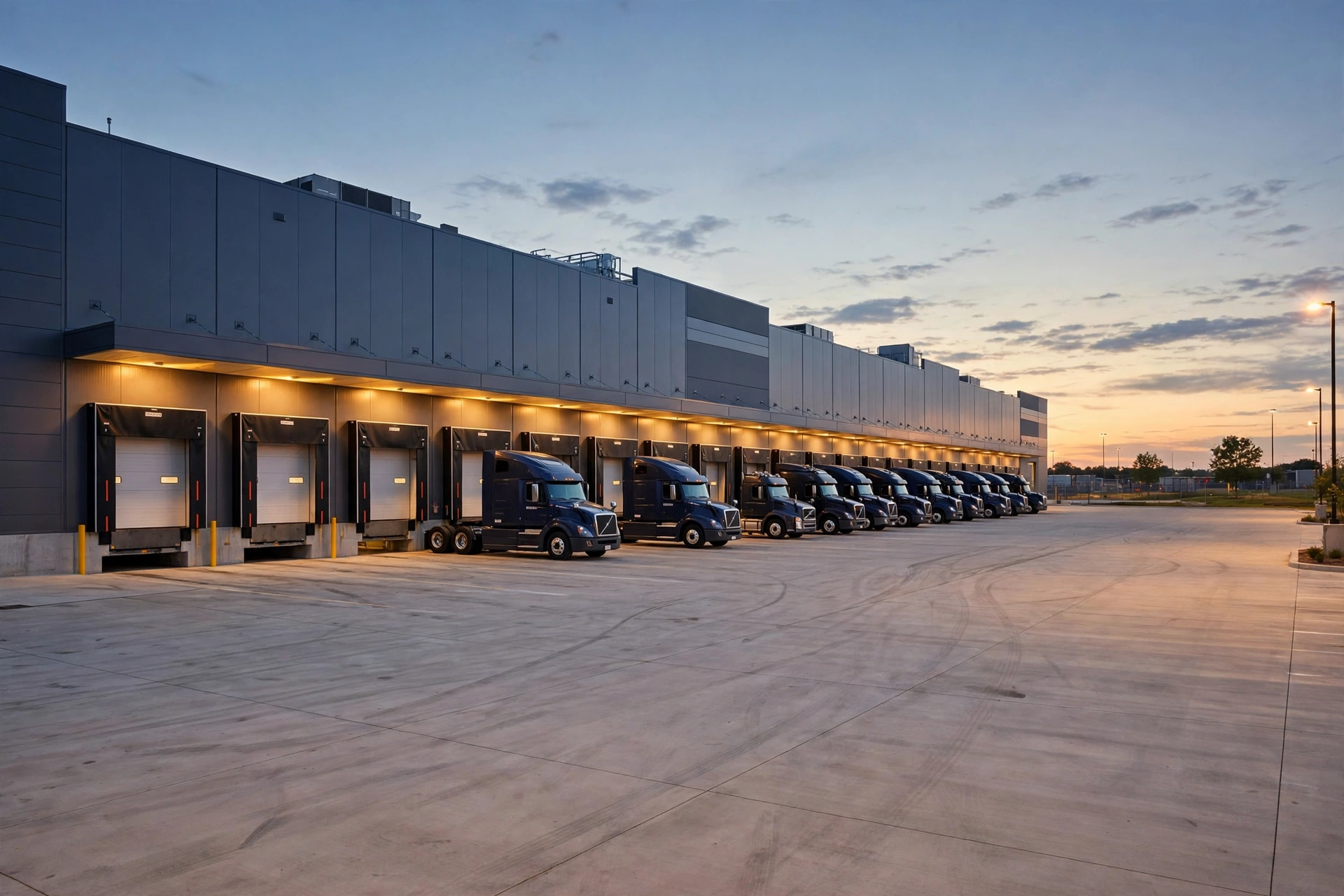
The first bottleneck in Georgetown is the water itself. Nine meters sounds deep enough, but today's ocean-going ships draw far more than that, and Georgetown cannot take them. Only small and medium vessels get in. Big cargo has to be lightered in by barge, trip after trip, or routed through another port. That means sailings to Guyana are never as reliable as they look on paper — and arriving at the port does not mean arriving at the warehouse.
Worse, oilfield equipment and ordinary cargo are fighting over the same narrow channel. Oil equipment runs on fixed schedules and contracts, so it gets priority. Regular trade goods and daily supplies wait behind it. The port only has so many berths and so much yard space, and once the oil business heats up, waiting times for ordinary cargo stretch out. Do not blame the port — it is only that big, and everyone is squeezing through the same small opening at the same time.
People ask, is a deepwater port not being built? There is a proposed one, yes — a 1 to 2 billion US dollar project, planned for Berbice, about 100 kilometers from Georgetown, needing a dedicated highway to connect it, designed for 10 to 12 meters of water and able to take Panamax-class ships of 30,000 tons. But in October 2026, Chevron walked away from funding the feasibility study, and the project is still under review. My judgment: until the money is in place and the road is built, a deepwater port is a drawing on paper. If you are shipping to Guyana, plan on today's Georgetown port, not on a deepwater port.
Oil Equipment Is Grabbing the Warehouses — Where Does Ordinary Cargo Go?
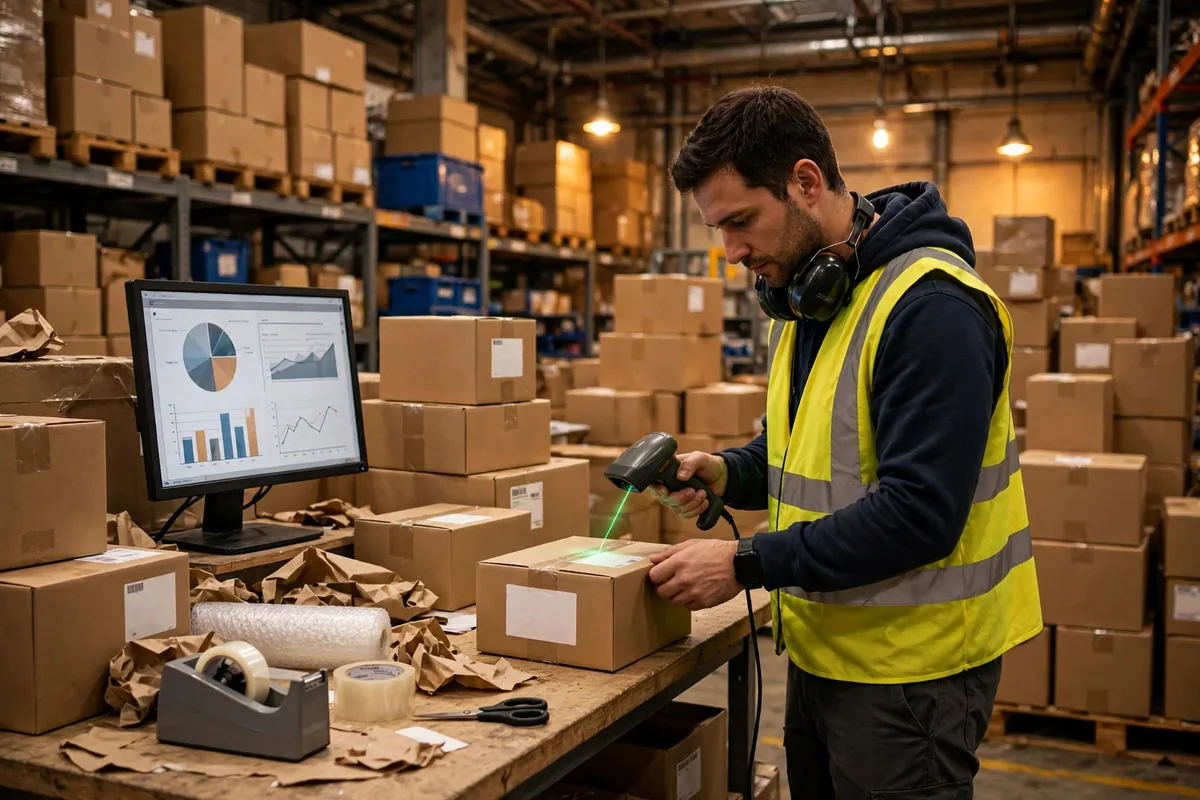
Beyond the port, the second bottleneck is warehousing. On the banks of the Demerara River sits a shorebase called GYSBI, 130 acres of it, built to support the offshore oilfields. In March 2026, Blue Water signed a contract to provide third-party warehousing for ExxonMobil Guyana starting April 15, hiring 32 local staff in the first batch. Look at that: the oil majors' warehousing is contracted, organized, with their own base and their own crews.
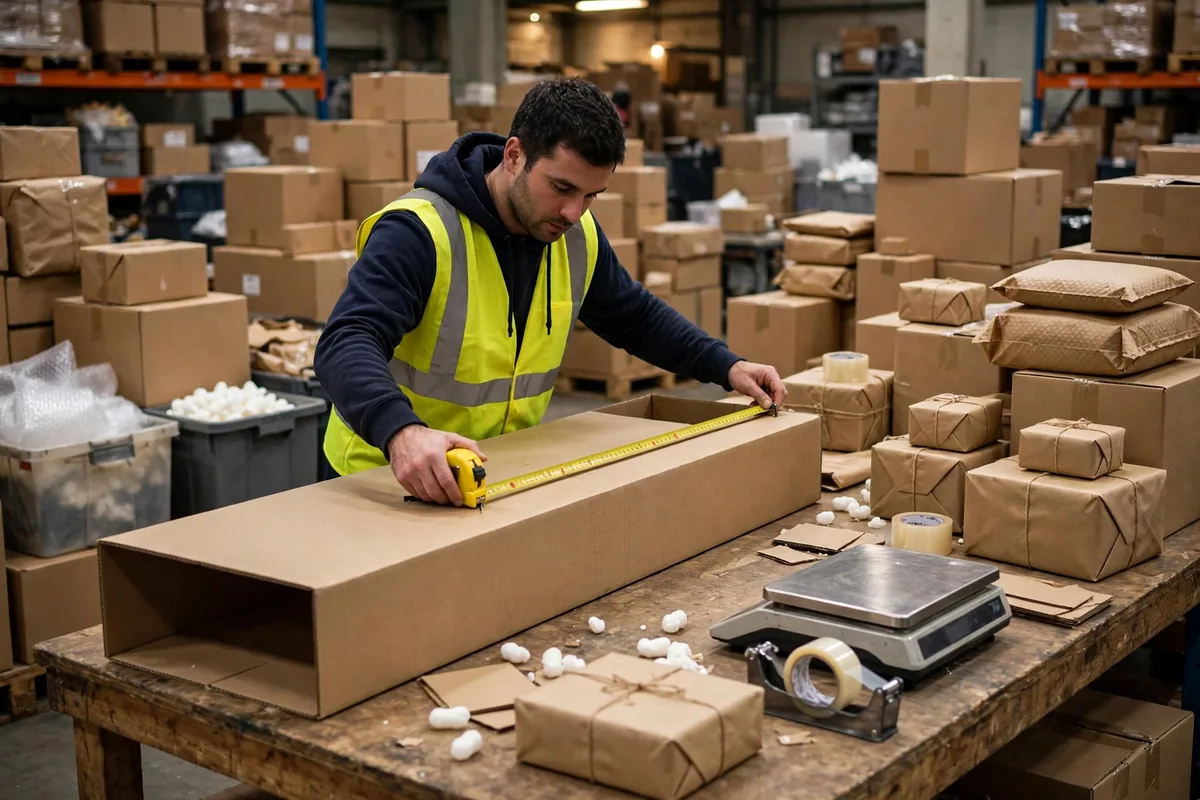
The problem for an ordinary cargo owner is that you have no base. Georgetown never had many warehouses to begin with, and once the oil projects arrived, rents and vacancy rates changed completely. Equipment warehouses need big open floors, heavy-duty ground, and lifting gear. Ordinary cargo needs fast in-and-out distribution. They are not even competing for the same kind of space — but the total is only so much, and prices across the board got pushed up. My buddy's spare parts ended up in a temporary yard outside the city, an extra handling step and an extra line on the bill.
What does that tell you? In Georgetown, warehouse space is not something you look for after arrival. It is settled before the cargo even leaves. The oil projects have long contracts. You do not, so you have to move earlier than everyone else. My advice: before anything ships to Georgetown, get clear answers to three questions — does the port have a berth window for you, does a warehouse have space with your name on it, and can the trucking fleet show up on time? If any one of those has no answer, hold the cargo. Better to wait two extra days at the port of origin than to sit idle in Georgetown.
After the Cargo Reaches Georgetown, Ask Three Questions
Once the goods finally arrive, there is distribution and the last mile. Georgetown itself is the capital, and city delivery is manageable. The hard part is going inland — to mining areas, forestry sites, and onshore oil support points, where the roads are nothing like the city streets. When the rainy season comes, dirt roads turn to mud, heavy trucks crawl, and even light vehicles slip. After all these years on the road, that is the kind of road I dread most: it looks short on the map and takes half a day to drive.
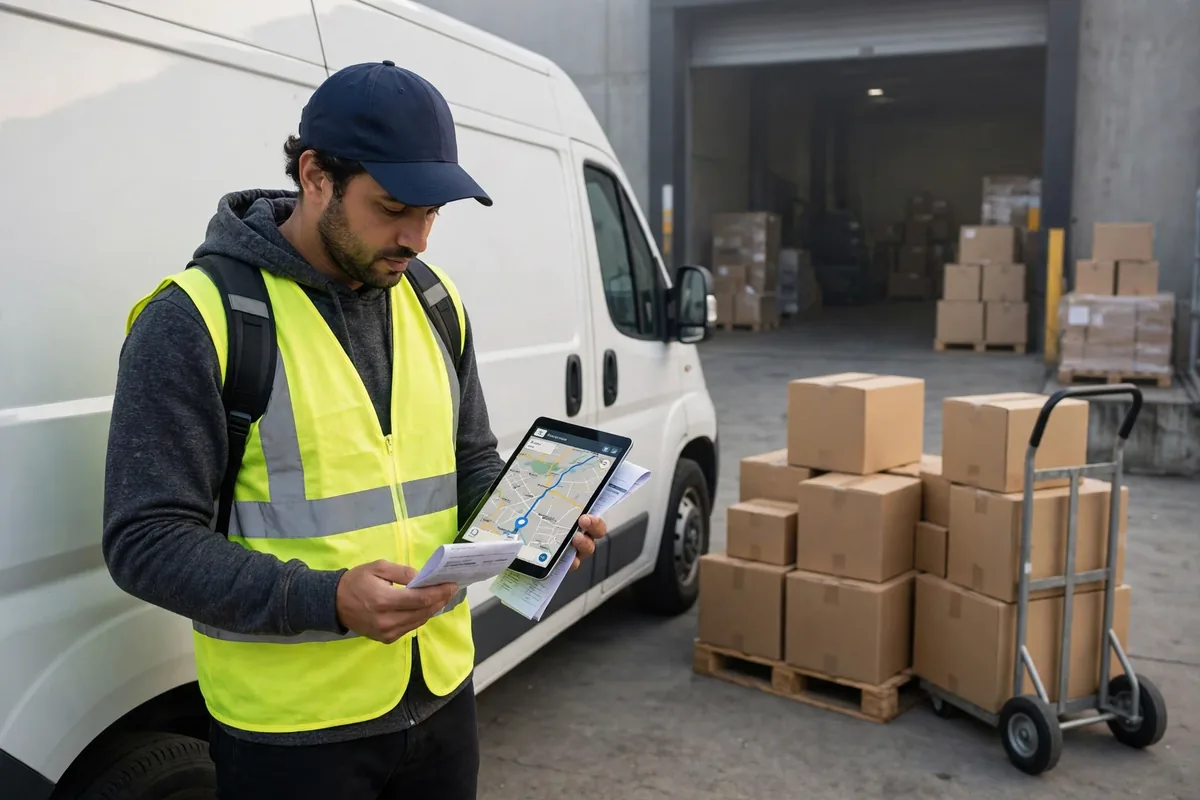
My buddy told me about one inland job that stuck with him. Just after the 2025 rainy season, he hauled a load of mining spares from Georgetown toward the interior — two or three hundred kilometers on the map, a morning departure, and they did not arrive until dark. One stretch of dirt road was all ruts and standing water after the rain. The heavy truck could only creep along, and the driver had to get out and walk the road first, afraid of getting stuck. The cargo arrived, but the driver came back with one line: that road, nobody who has never driven it should take it. Ever since, my buddy prices inland jobs by asking about road conditions first, then the vehicle type, and only then the rate — take a road you do not know, quote it cheap, and you lose money.
So here is the decision framework I give cargo owners — three questions, in order:
First, how urgent is it? Oilfield equipment and parts that have stopped a job are urgent — send a dedicated truck, do not wait to consolidate. Ordinary restocking that is not time-critical can share a truck or wait for a return load, and the savings are real.
Second, where is it going? If it stays inside Georgetown, a city warehouse and a city delivery fleet will do. If it goes to inland mining or forestry areas, you need a fleet and drivers who have actually driven that road. A driver who has never been there will turn around at the dirt track, navigation or not.
Third, can you wait? If you can, wait for the sailing, wait to consolidate, wait for off-peak rates. If you cannot, accept the high price and take the most reliable route — do not haggle over price, because every day you haggle is another day of storage and idle time.
Answer those three questions and the plan almost writes itself. And here is the contrarian judgment: the hotter the oil boom, the harder it is for your ordinary cargo to move. Everyone assumes oil means money and money means logistics. The reality is that oil projects grab the scarce resources — port berths, warehouses, truck fleets — first, and ordinary cargo owners end up waiting longer and paying more. The boom belongs to oil. The queue belongs to you.
One last piece of advice, from all my years on the road: going into a small, unfamiliar market, do not trust promises that something will "be built soon." Deepwater ports, dedicated highways, new warehouses — listen politely, then plan on today's port, today's warehouse, and today's road. The Georgetown oil boom is real, but on-time delivery does not depend on the heat. It depends on the three questions you asked before the truck ever left.
There is an old saying among drivers: do not fear slow — fear standing still. Cargo moving slowly on the road is fine. Cargo standing in the port with nowhere to go — that is what really burns money.
By Shifu Zhao, Trucking Veteran (15 yrs)