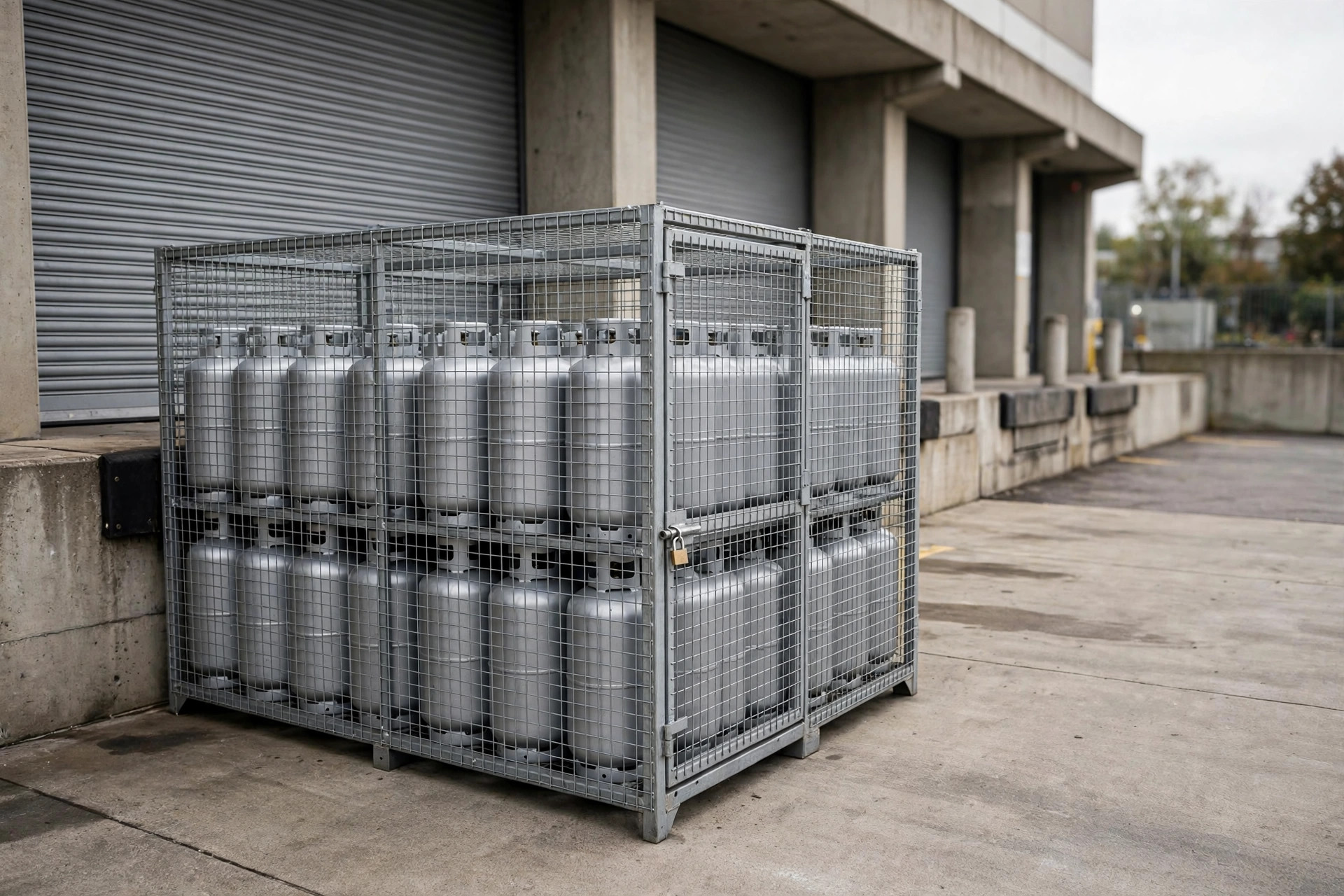
In the United States, driving a forklift legally has almost nothing to do with whether you can drive one. It has everything to do with whether your employer can prove you were trained.
I say this to every new warehouse manager I work with, and half of them push back: "I've been driving forklifts for ten years. You want me to get certified?" Yes. OSHA standard 1910.178(l) is unambiguous: employers must ensure that every operator of a powered industrial truck is trained and evaluated before being authorized to drive. No certification, no seat time. Get caught, and it's a citation. Have an accident without it, and a lawyer will repeat the words "uncertified operator" until it hurts.
This piece is pure practice: who needs the certification, what the training must cover, how often it renews, and what an inspector actually looks at when they walk in. Every number below follows OSHA's official requirements. Anything I couldn't verify, I left out.
First, the biggest misconception: OSHA doesn't issue this certification. OSHA doesn't run tests or hand out cards. Your employer issues the certification — after organizing training and evaluation that meet OSHA's requirements. Which means the credential doesn't travel. The certification you earned at your last job doesn't count at mine. I have to train you on my equipment, in my environment, and evaluate you before you touch a truck here. People hear this for the first time and think it's absurd. It's the rule anyway.
Everyone who touches the controls
The short answer: anyone who operates a forklift. Full-time, temp, part-time — if your hands are on the controls, you need certification.
The age line is 18. Federal rules bar anyone under 18 from operating a forklift, no exceptions, not even the owner's kid who drives better than the adults. I've watched a family business owner get cited for letting his 17-year-old move pallets. Minor plus forklift is a combination inspectors get excited about.
Then there's the gray zone: visitors and vendor techs. The equipment vendor's engineer comes in to commission a system and needs to move a truck five feet out of the way — strictly speaking, he just operated a forklift, so he needs certification too. In practice: either your own operator moves it, or you confirm the vendor's company has training records on file. Don't wave this off as overkill. "He only moved it five meters" is one of the most expensive sentences you can say after an incident.
The three non-negotiables of training
OSHA requires three components. Miss one and the training doesn't count.
Formal instruction. Operating principles, load stability — the famous stability triangle, the one that says the truck tips when the center of gravity leaves it — daily inspection procedures, fueling and battery-charging safety. This is the component most companies fake: play a video for thirty minutes, collect signatures, done. Inspectors have caught on. They'll pull a random operator aside and ask, "What's the stability triangle?" If the answer is a blank stare, that training never happened.
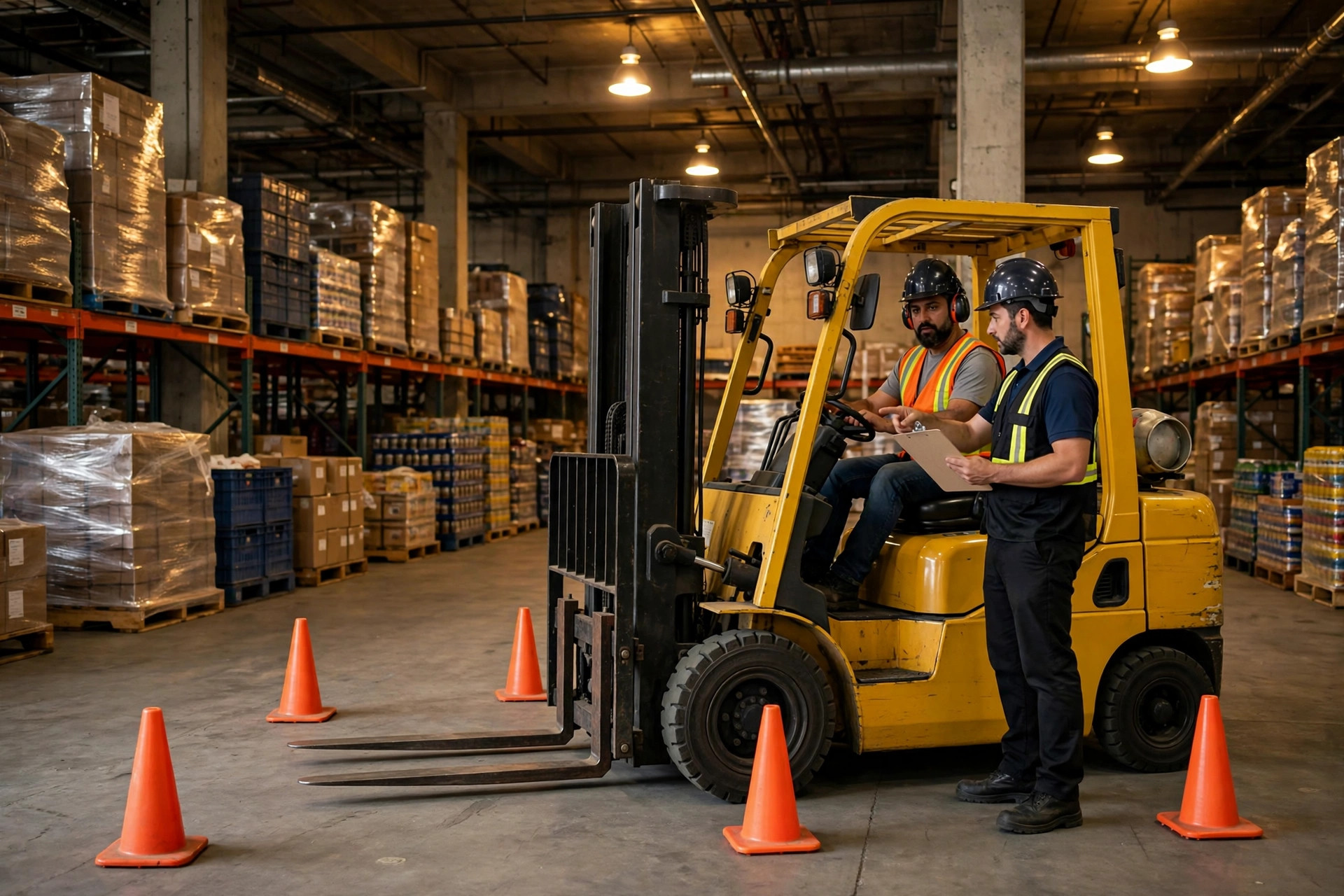
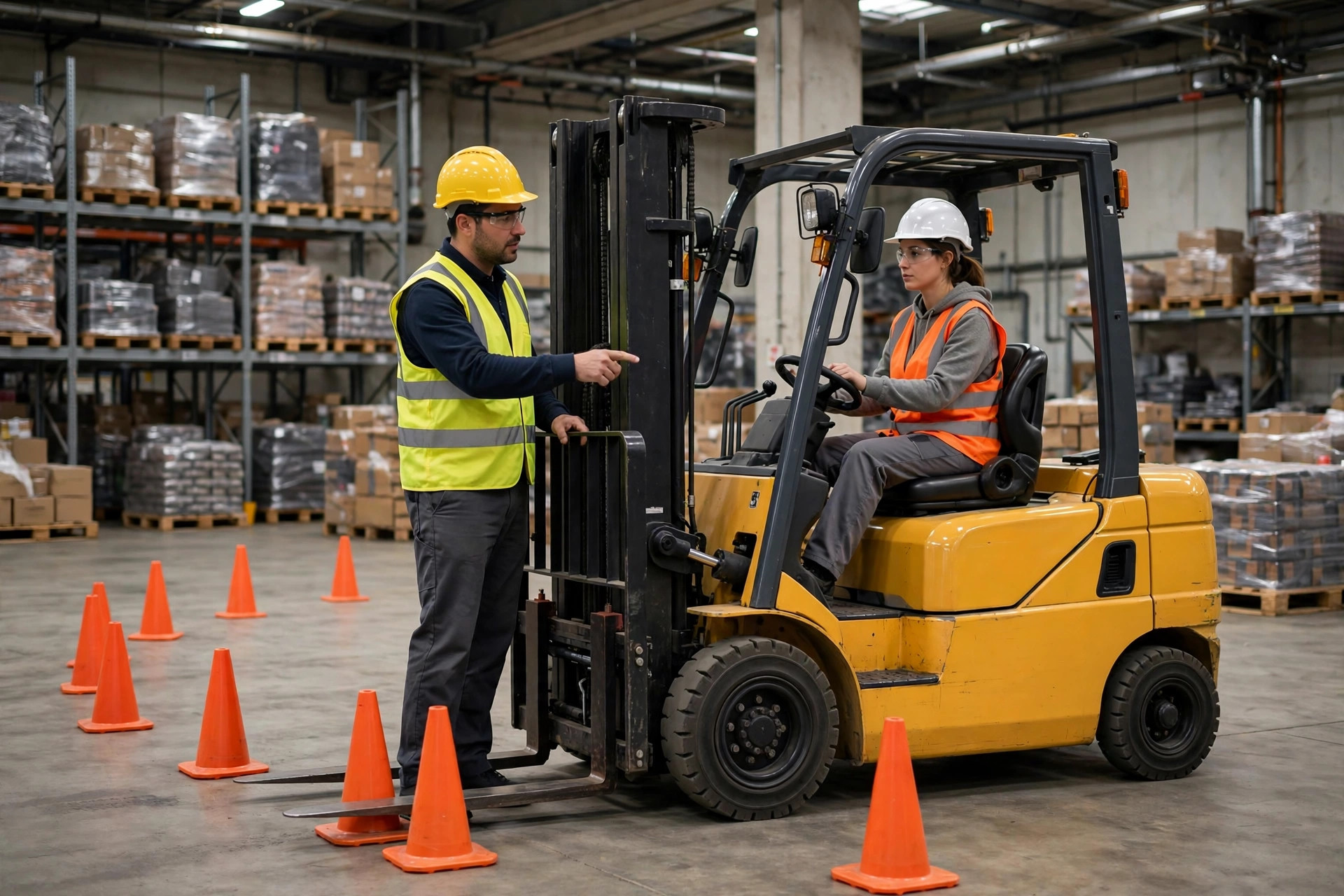
Practical training. Supervised, hands-on driving. Loading, turning, ramps, sounding the horn at blind intersections — practiced until it's muscle memory.
Evaluation. The employer, or someone the employer designates, watches the operator work and confirms competence before sign-off. And it must be documented: the trainee's name, the evaluator's name, the date. Missing any of those three, an inspector can rule your training invalid.
Here's my verdict on the market: those half-day "pay and get certified" quick courses are nearly worthless to an employer. OSHA wants training organized by the employer, specific to the company's equipment and operating conditions. You show up with a quick-course card from somewhere else and I put you on my reach truck in a narrow aisle — does that make sense? No. Don't save money on the wrong end of this. What's saved is small; what's buried is large.
Every three years — and three ways to trigger it early
The normal cycle is evaluation at least every three years. Note the "at least": if the evaluation finds the operator lacking, retraining follows. The calendar doesn't auto-renew anyone.
But three situations force retraining before the three years are up:
An accident or a near-miss. Truck clips a rack, nearly hits a pedestrian — damage or no damage, the operator gets retrained. Too many incident reports end with "the individual has been counseled." An inspector reading that will shake their head. They want a retraining record, not a counseling record.
Observed unsafe operation. Someone rides the forks as a manlift to save time — one of OSHA's classic named-and-shamed behaviors. Caught once, everyone involved gets retrained.
A change in equipment or conditions. Moving from a counterbalance truck to a reach truck, or from an open warehouse to narrow-aisle racking, counts as changed conditions and requires training for the new setup.
My recommendation: keep a certification ledger with expiry dates and set reminders two months out. Ten operators, you can track it in your head. Fifty, and someone will slip through. One expired operator found in an inspection is one "failure to re-evaluate" citation — and the training costs a fraction of the fine.
What the inspector actually checks
Two kinds of inspections: programmed ones (your industry happens to be on the year's emphasis list) and the kind that follows a complaint or an accident. The second kind is worse, because the inspector arrives with questions already formed.
On forklifts, they typically check four things.
Training records. Every operator's training date, content, evaluator, and result — produce them. Incomplete records get treated as no training. OSHA's logic is simple: if you can't produce the record, it didn't happen.
Daily inspection records. OSHA requires a pre-shift inspection every day the truck is used — every day, not weekly, not "when someone remembers." Plenty of warehouses have the policy but the logbook tells on them: one person's handwriting, consecutive dates, all filled in at once. An inspector spots backfilled logs instantly, and backfilled is worse than missing, because now it's falsification.
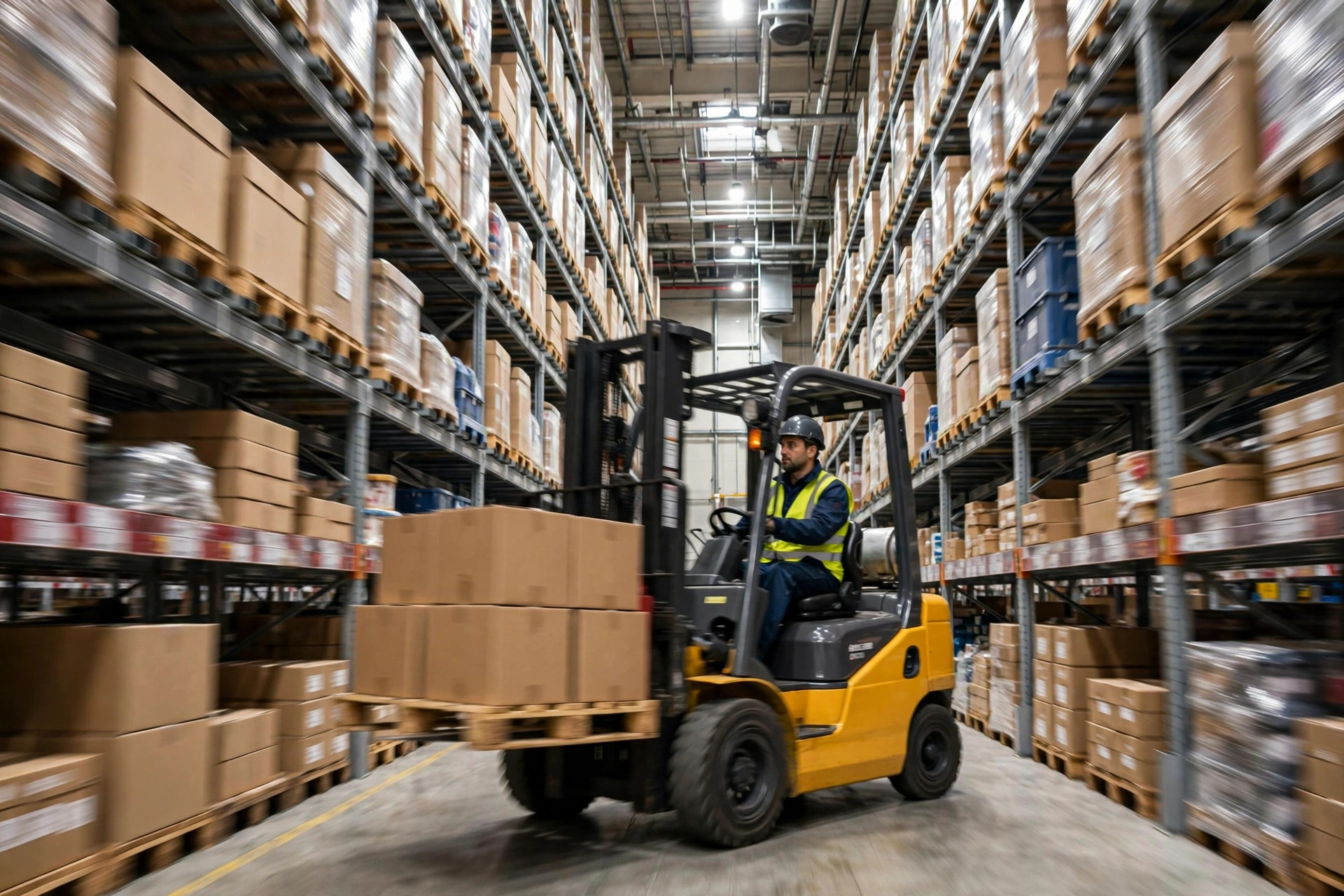
Live observation. The inspector walks your floor and watches: reversing without looking, driving fast with a load blocking visibility, riders on the forks, unbuckled seatbelts on sit-down trucks (the belt saves lives — being thrown in a tip-over is a leading cause of forklift fatalities). One caught in the act, and the citation and the corrective order arrive together.
The equipment itself. Bald tires, cracked forks, dead warning lights, a silent backup alarm — all of it counts as operating defective equipment. And the inspector will ask: your inspections found what, exactly? And if they found it, why wasn't it fixed?
The math on citations
OSHA adjusts penalty amounts for inflation every year, so I'm not printing a number here — anything I write would be stale next year, and penalty schedules should always be checked against the current official figures. But the logic of scale is stable: one serious-level citation costs enough to put your entire operator roster through two or three full training cycles with change to spare. Willful or repeat violations are a different order of magnitude entirely.
So the math is simple: training money is certain and small; citation money is uncertain and large — plus the unlimited liability of an actual accident. No further analysis needed.
One question to take back to your building: go pull your forklift training ledger right now. Is anyone past their re-evaluation date? Is anyone's record missing an evaluator's signature? If yes, congratulations — you just saved yourself a future citation. On one condition: you close the gap this month.