We small warehouses cannot afford to burn money on pest control — that was the first thing I told myself before taking on a food client.
Here is what happened. Last summer, a seasoning brand came to me wanting to move about 800 square meters of stock into my warehouse. The price talk went fine, and then, right before signing, the client added: "How do you handle pest control? A third-party auditor is coming next month." My stomach dropped. We had stored food before, but mostly canned goods and bottled drinks in sealed packaging, and my idea of pest control was a few glue boards by the door and a guy who came once a month to spray. The client smiled when he heard that and said, "Xiao Ma, an auditor hearing that answer would write you up on the spot."
That is when I learned that food warehouse pest control is not a question of "do you have bugs." It is a question of "can you show the auditor a system." In the United States, the rules that govern food warehouses sit under the FDA's Food Safety Modernization Act, in 21 CFR Part 117: the plant must be kept clean and sanitary, free of infestation by rodents, birds, insects and other vermin; the use of rodenticides and insecticides needs written procedures designed to prevent contamination of food, equipment and packaging; the grounds around the plant must be maintained so they do not become a harborage for pests. And pest management sits inside the food safety plan as a preventive control — written plan, named responsibility, monitoring, records. Miss any one piece and it does not count. Check the current official text for the details; the direction is fixed: spraying alone does not pass.
I did not lose that client. But the two months of fixes that followed were the most expensive tuition I have paid on food warehouse pest control. Here is the math, worked out in real money.
How an 800-Square-Meter Warehouse Passed Its Pest Control Audit on a Shoestring
Let me start with the one that hurt most. When the fixes began, I took the lazy route and signed a monthly spraying contract: a technician came once a month, sprayed, left, and the "report" was a single sheet of paper that said "treated." I thought that counted as a record. Then the auditor came, asked me three questions, and I could not answer one of them: where is the map of bait stations and insect light traps? How many insects were found at each check, and what was done about them? What was the corrective action for the last finding? That was the day I understood: "sprayed" is not "controlled." Without a site map, inspection records and trend data, a hundred spray visits add up to zero.
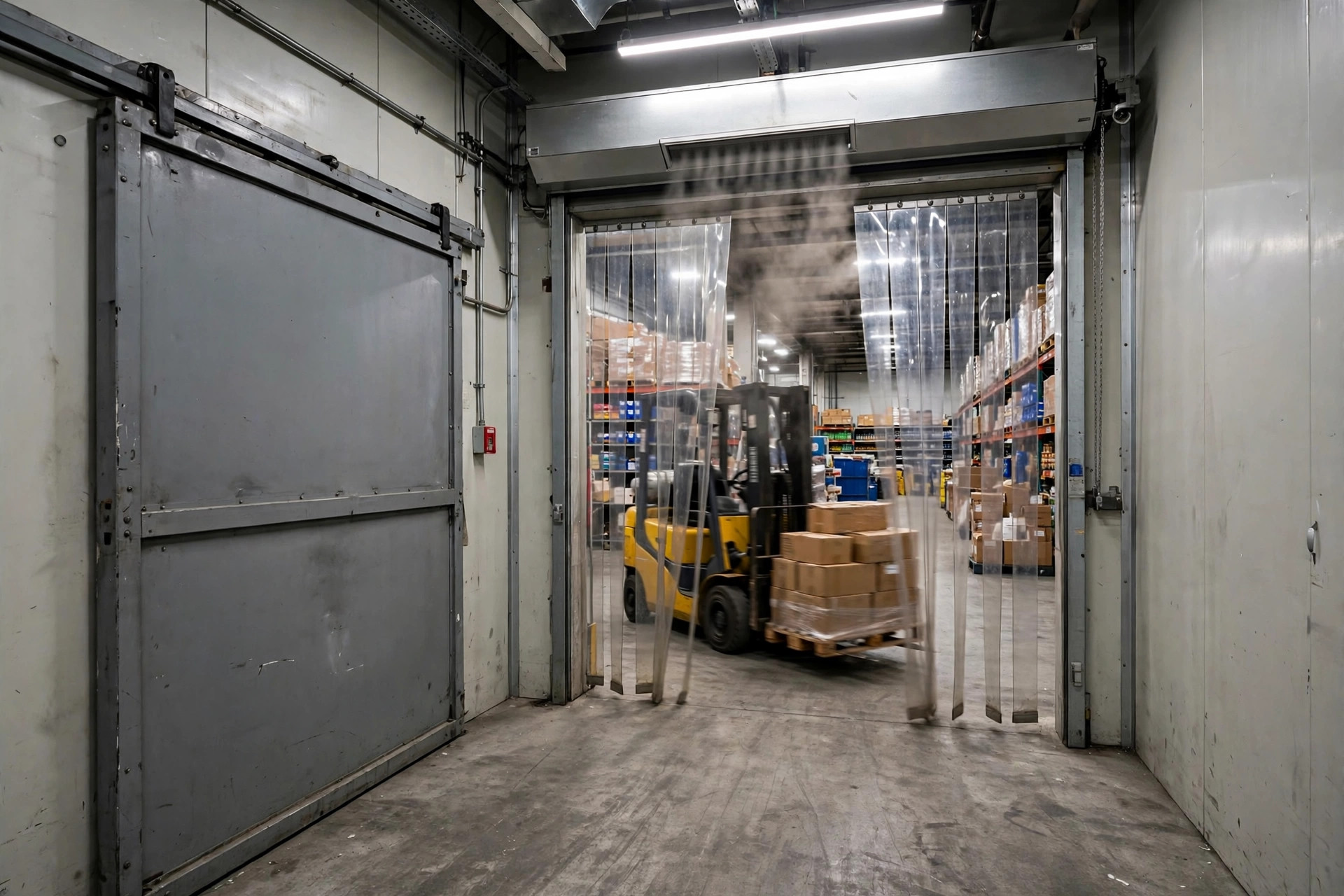
The real money, it turned out, was not in the chemicals. The three biggest items on the fix list were these. First, the doors. Our dock door was a roller shutter with gaps all around it, and flying insects followed the light straight in. An air curtain plus strip curtains cost a few thousand dollars, one-time — and after they went in, the number of flying insects getting inside dropped by more than half. Second, the drains and the yard. The drainage ditch outside had standing water year-round and the grass was never cut; the auditor called it the pests' hometown, and said no amount of spraying inside matters until it is cleared. Cleaning and concreting cost a small sum, once. Third was the pest service itself: we switched to a company willing to inspect by station and issue a report with actual numbers. The monthly fee ran about 30 percent higher than before, but the report goes straight to the auditor.
The full comparison is where it gets interesting. I put the three approaches side by side in one table. These are our own books, so your numbers will differ, but the logic travels:
| Approach | Direct cost per year | Audit risk | Cost of one incident |
|---|---|---|---|
| Spray only, no system | Lowest | High — the records give you away | A full return plus claims, enough to pay years of service |
| Fully outsourced to specialists | Highest, monthly fee about 30% more | Low, but watch the report quality | Low, records split the blame fairly |
| DIY basics plus outsourced inspection (what we do now) | Middle | Low | Low, problems surface early |
See it? The cheapest option is actually the most expensive. We nearly learned that the hard way last summer: before the air curtain went in, a flour customer's stock sat in the building for three weeks, and the customer's spot check found insect traces on the packaging. The whole lot came back, the season's storage fees were deducted, and the return freight, re-sorting labor and compensation added up to about two years of pest-service fees. Since then I do the math differently: never price pest control by "what did we spend this year." Price it by "what does one incident cost."
And here is the counterintuitive one: a per-visit spraying contract is the easiest place for fake work to hide. Spray, sign, leave — the bugs stay exactly where they were. We changed the contract to station inspection plus data reporting: every bait station, light trap and glue board has a number, every visit records what was caught, and if one station trends up for two straight weeks it triggers targeted treatment. Once the numbers go on the wall, nobody can fake it — numbers do not play along.
In Pest Control, the Records Matter More Than the Spraying: What the Auditor Asks for First
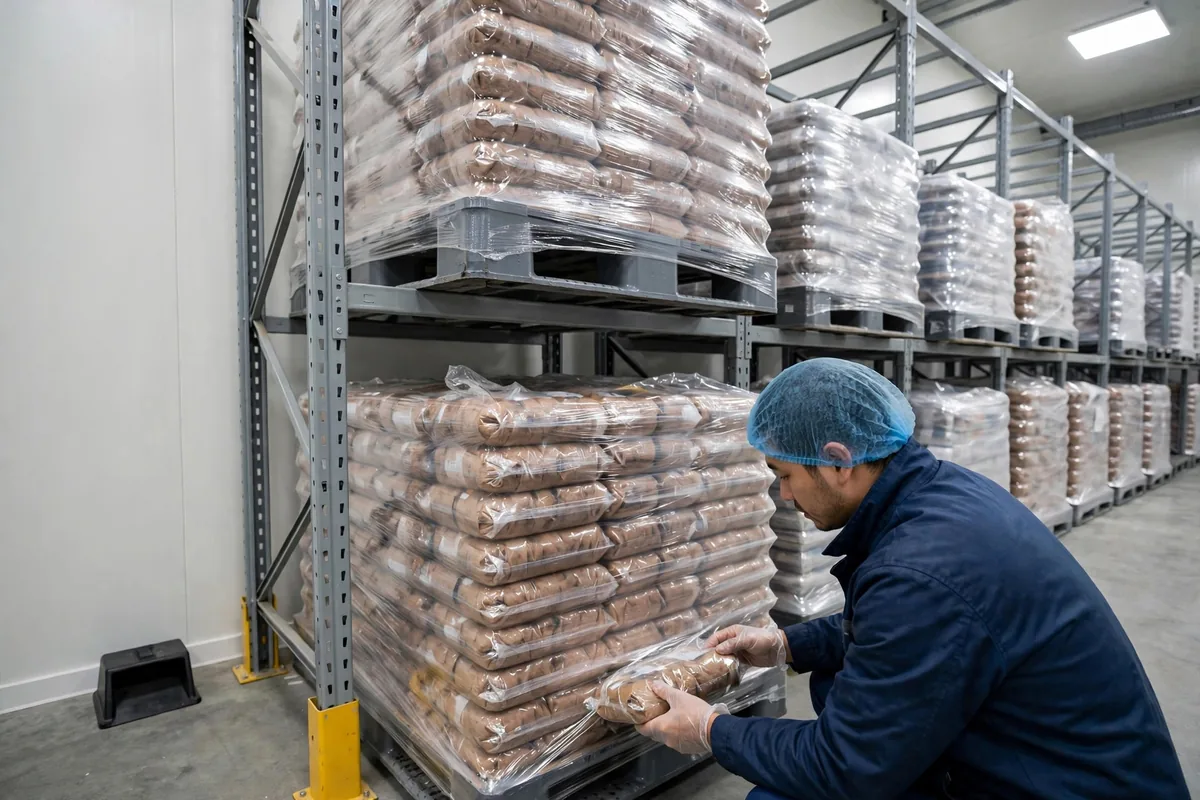
Small warehouses have their own way of surviving. Our homegrown method boils down to four things. First, seal the gaps in doors and windows; an air curtain and strip curtains cost once and beat years of spraying. Second, clear the grass, water and trash outside so pests have no hometown. Third, physically separate food from non-food areas and keep pallets off the wall with an inspection aisle — stacking tight against the wall is basically building a highway for rats. Fourth, records matter more than spraying: the station map, the inspection logs and the corrective actions are the three things the auditor asks for first, before even looking at the floor.
Oh, and one trap I only learned by stepping in it: never buy chemicals and spray them yourself in a food warehouse. Part 117 requires written procedures for rodenticides and insecticides that prevent contamination of food and packaging. Spraying a store-bought insecticide next to the racking because it seemed efficient leaves a contamination risk behind, and an auditor seeing it can write a major nonconformity. Let licensed people do it, with the chemical list and storage location written into the contract. That is money you do not save.
That seasoning client has now been with us for over a year, and two third-party audits have come through with zero findings on pests. Every time the auditor walks in, the first thing I do is hand over the pest logbook. It works better than any speech. A small warehouse doing food storage does not compete on size. It competes on whether this system is complete. Complete it, and clients trust you with their goods. Leave it incomplete, and no rent discount will bring them in.
By Xiao Ma, Small Warehouse Owner