The Florianópolis warehouse market taught me its lesson the expensive way, before it taught me anything useful. A friend who sells outdoor gear asked me last year whether I wanted to share a small warehouse with him on the island. Island city, beach views, tourist season — it sounded like easy money. So we did it, and I learned fast that warehousing on an island is not really about rent per square meter. It is about whether you understand the seasons, the bridge, and who your customers actually are. Our little warehouse cannot afford to burn money the way a big operator can. Big companies survive a bad quarter on scale. We survive on arithmetic.
My friend's first season tells the story better than any market report. He rented a small space in the north of the island, not far from the beach. From December through February, the place was humming: tourists arrived, swimwear, sunscreen, and beach gear moved fast, and he and two temporary workers spent every day restocking shelves that emptied as quickly as they filled them. Then March arrived, and demand fell off like a tide going out. The rent did not fall with it. Worse, one shipment bound toward Porto Alegre got stuck in traffic on the bridge route off the island for over two hours, and by the time the driver arrived, the customer's warehouse was nearly closing. We did not lose the customer, but the waiting time and the rescheduled delivery came straight out of our own pocket. That was the day I stopped looking at island warehousing as a rent decision and started treating it as a calendar and routing decision.
The Florianópolis Warehouse Market Runs on Seasons
An island city breathes with tourism. Summer brings visitors and a surge in local consumption: drinks, outdoor goods, clothing, and souvenirs all move faster. Winter brings the market back down to what local residents buy day to day, and the gap between those two levels is large. The classic small-warehouse mistake is to rent and hire for the peak and then carry that fixed cost through the trough.
My cheap workaround is to do the opposite. I negotiate short leases with flexible space wherever possible, and I share space rather than signing for a big unit I cannot fill in winter. Core staff stays at two people; seasonal help is hired by the day during the peak. In the slow months, I shift the product mix toward goods that store well and sell steadily, things like small home items and hardware accessories, so the warehouse keeps turning over instead of sitting half empty while rent ticks along. That sounds unglamorous, and it is. But for a small warehouse, surviving the low season matters more than making one extra good month in high season.
One more island detail that small operators underestimate: humidity. Coastal air is damp, and cardboard boxes, textiles, and leather goods stored for months can suffer moisture damage. Skipping dehumidification to save money is a false economy. One spoiled batch wipes out far more than a season of dehumidifier running costs, and you only learn that lesson once.
Island or Mainland? The Florianópolis Warehouse Location Trade-Off
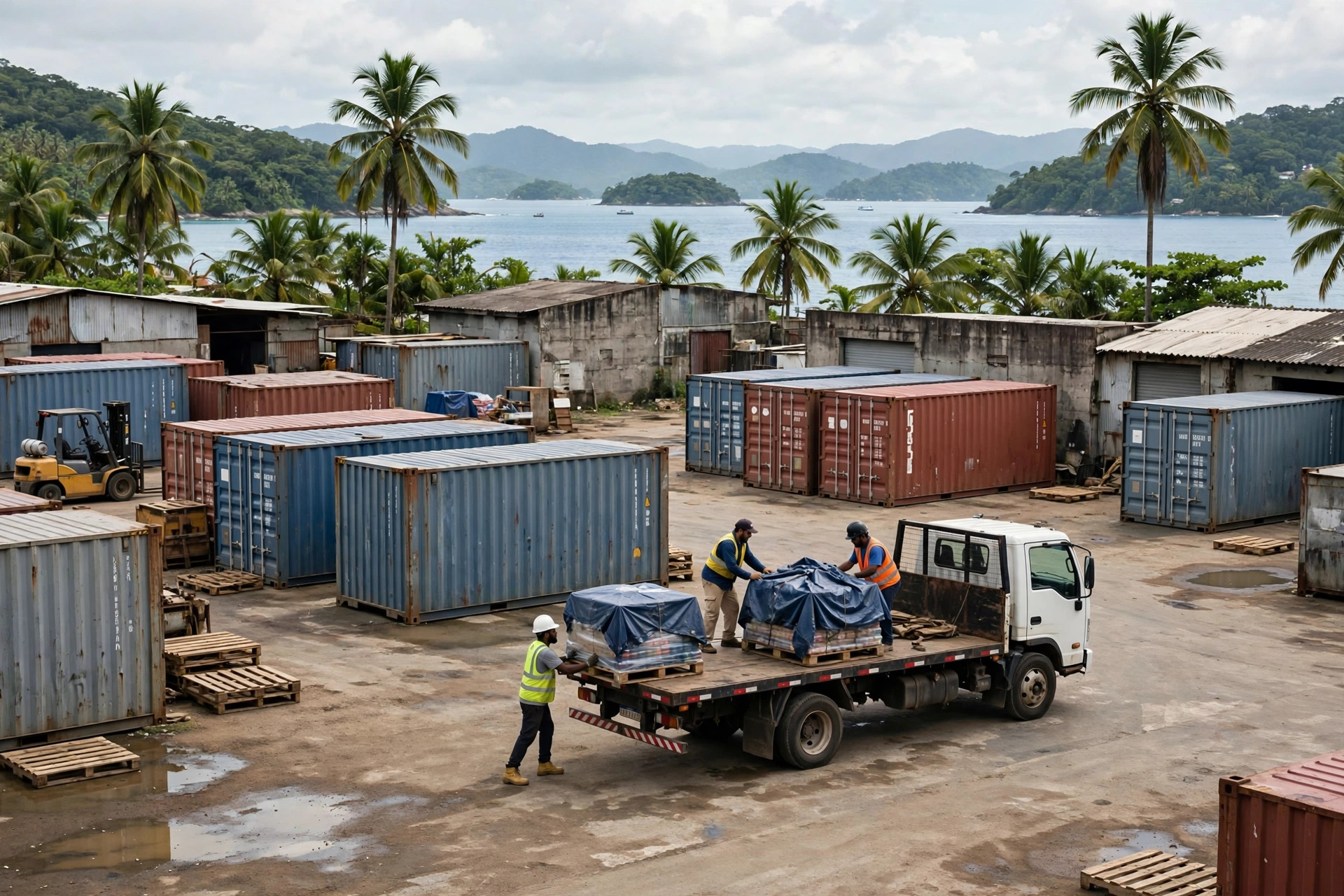
This is the second calculation, and the easiest one to get wrong. A warehouse on the island sits close to local customers, so last-mile delivery is fast, which suits island delivery and urgent peak-season replenishment. But every truck leaving the island crosses a bridge, and peak traffic, accidents, or bad weather can make delivery times unpredictable. On the mainland side, around São José and Palhoça, there is more choice of premises, trucks move more freely, and the site works better as a distribution hub for southern Brazil. The downside is that urgent deliveries into the island take an extra leg, so emergency restocking is slower.
Here is how I would sort the three options, and I would urge any small operator to pick by their own order map rather than copying a big company's site plan:
| Approach | Best for | Cost feel | Biggest risk |
|---|---|---|---|
| Small island warehouse | Island-only sales, seasonal goods | Higher rent level, less flexibility | Empty space in low season, bridge delays |
| Mainland distribution warehouse | Multi-state southern Brazil coverage, steady volumes | More premises to choose from, easier cost negotiation | Slower response to urgent island orders |
| Shared space plus peak-season short rental | Small sellers, seasonal product ranges | Lowest upfront commitment | Good peak space must be locked in early |
My own setup is a small mainland base with a short rented patch on the island during peak season. Everyday orders ship from the mainland base, and only fast-moving goods sit on the island. When peak season ends, the island patch goes, with no long tail of rent. It is not an impressive setup. But the fixed cost stays low, and the flexibility sits exactly where the money is, in the peak months.
Making Florianópolis Distribution to Southern Brazil Pay
The third lesson came from a southern Brazil distribution run. I once shipped three orders at once: one toward Curitiba, one toward Porto Alegre, and one staying on the island. To save effort, I sent everything from the island warehouse. The southbound trucks had to leave the island first and then head south, adding time and uncertainty at the bridge. I have since changed the rule: island orders ship from the island, and long-haul southern orders are consolidated at the mainland warehouse and sent on shared trunk routes. Delivery times got steadier, and per-order transport costs became easier to negotiate.
Here is the counter-intuitive part: the warehouse closest to your customer is not always the cheapest warehouse overall. An island warehouse looks close, but if most of your customers are actually on the mainland or further south in Rio Grande do Sul, every shipment starts with a bridge crossing, and that time and uncertainty add up over a year to more than a few extra kilometers of driving. Flip it around, and a mainland warehouse serving mostly island customers burns money on daily island trips. Before choosing a site, map your last few months of orders by delivery location. Whichever direction holds the majority is where your warehouse should lean. Do not choose by feeling.
There is also a relationship trick that saves small warehouses real money. Island trucking capacity gets tight in peak season, and calling a truck at the last minute is expensive and sometimes impossible. I stay in touch with two or three local drivers through the slow season and share my schedule a week ahead during the peak, with prices agreed in advance. Sharing trucks and space with fellow small operators helps too. When volumes are small, sharing the ride is saving money, and pride does not pay rent.
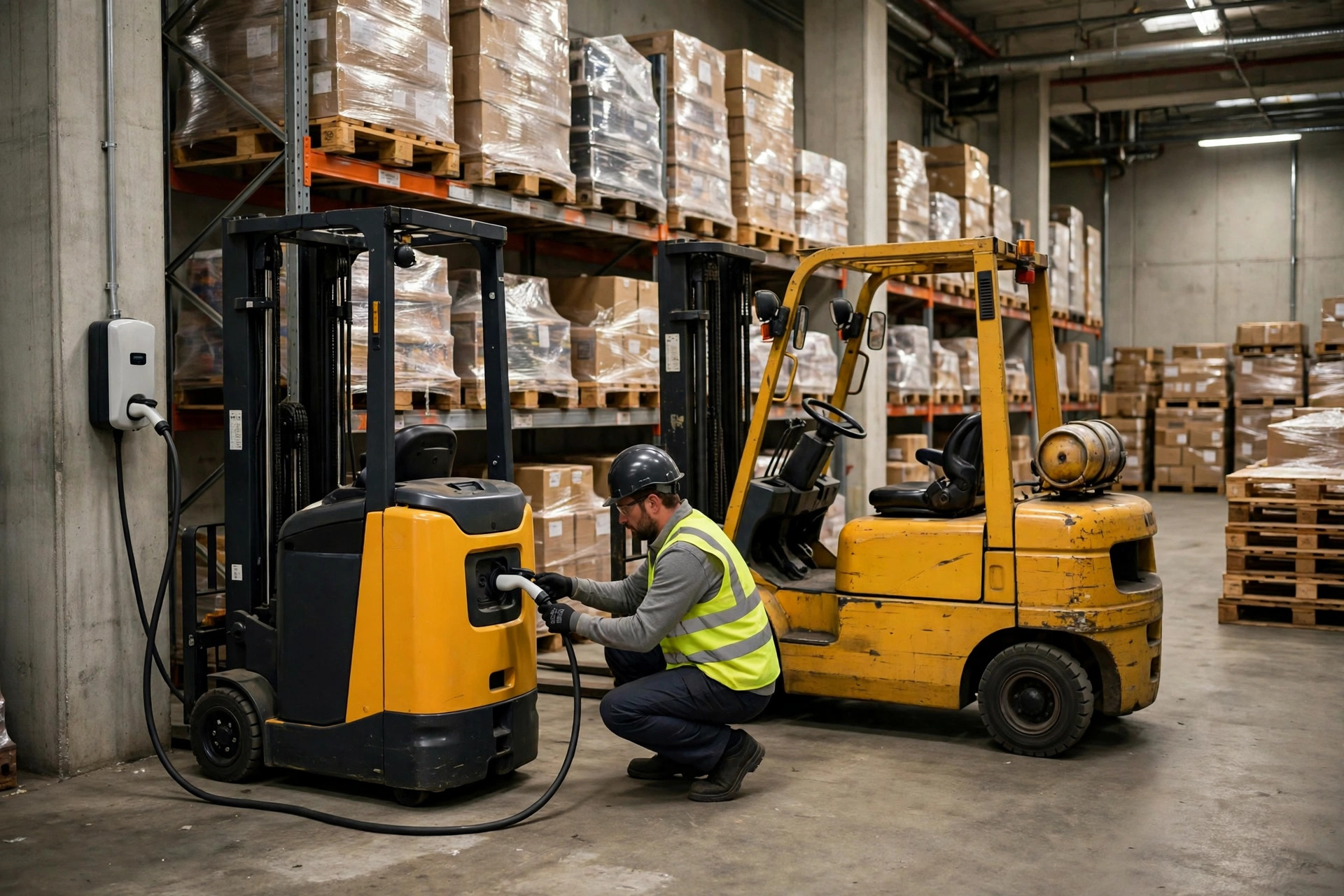
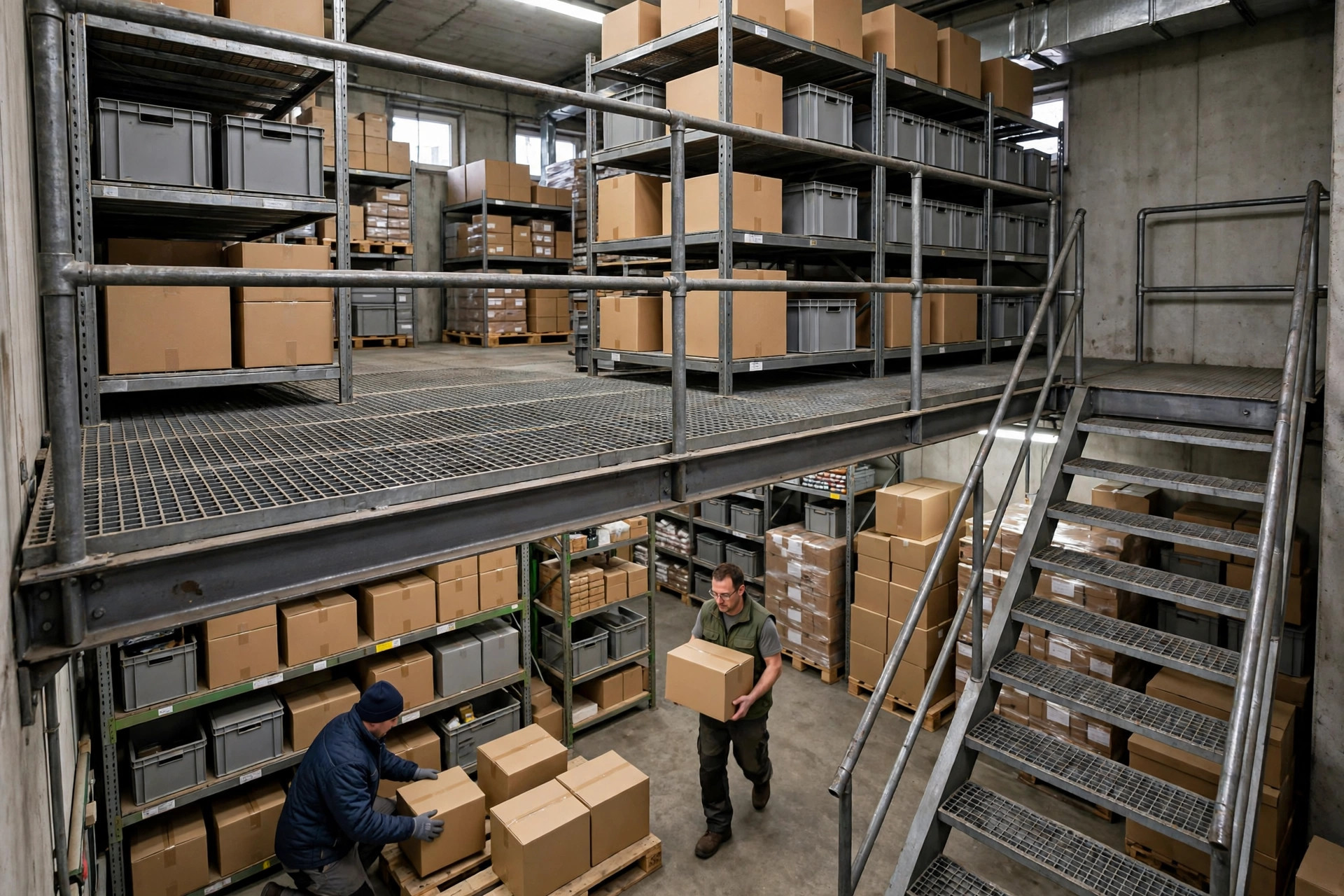
Do not start by signing for a fully equipped warehouse either. When I started, I used the cheapest workable combination: floor stacking, simple racking, and a forklift rented by the job, moving to a monthly rental only in peak season. Equipment should grow with order volume, not with ego. Too many small warehouses die because everything was bought on opening day, before the orders arrived, and depreciation plus rent ate the cash flow first. Survive first, then talk about looking professional.
So the Florianópolis warehouse market is not off-limits to small operators. It is off-limits to small operators who copy big-company playbooks. Keep leases short, keep space flexible, fill the low season with steady-storing goods, lock in trucks and space before the peak, and do not force southern Brazil orders through the island. Get those calculations right, and a small warehouse can find its own way to live in an island city.
Small warehouses have their own way of surviving. We do not compete on square meters. We compete on arithmetic and staying power.
By Xiao Ma, Small Warehouse Owner