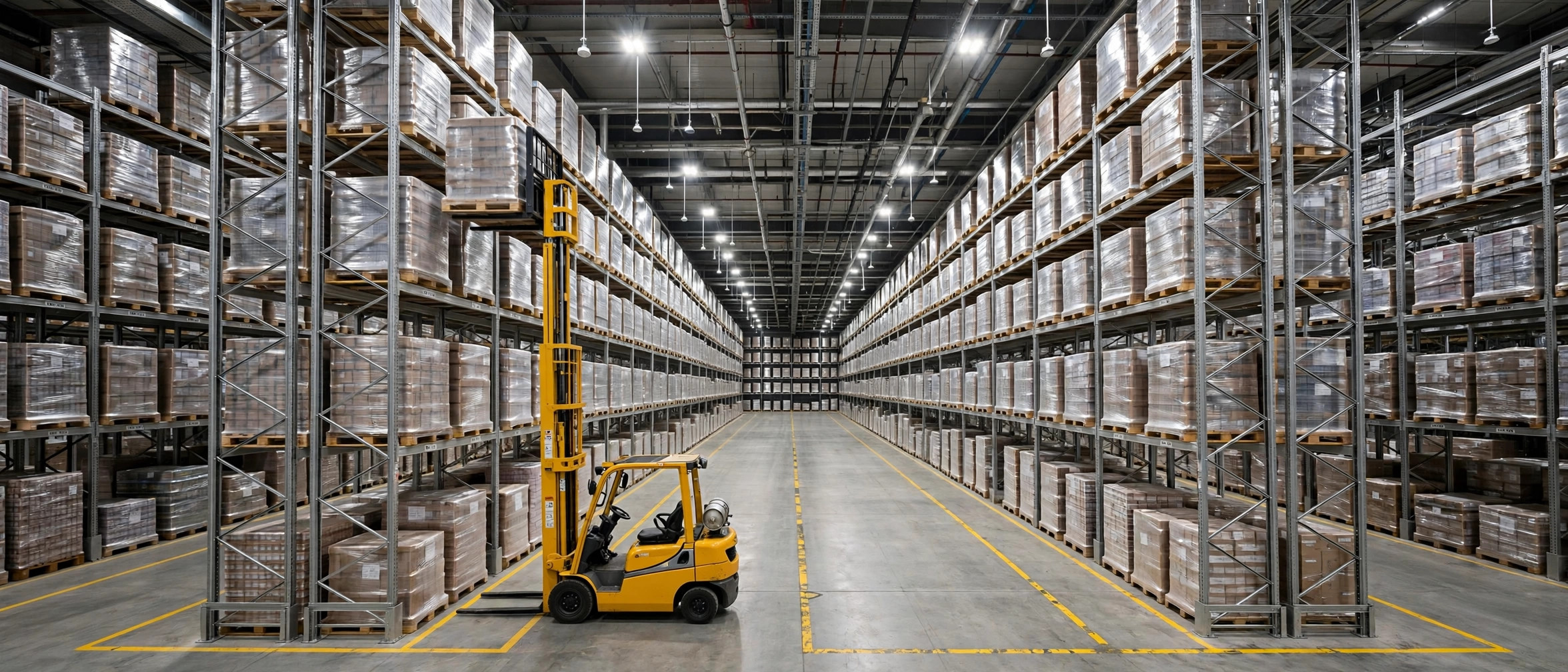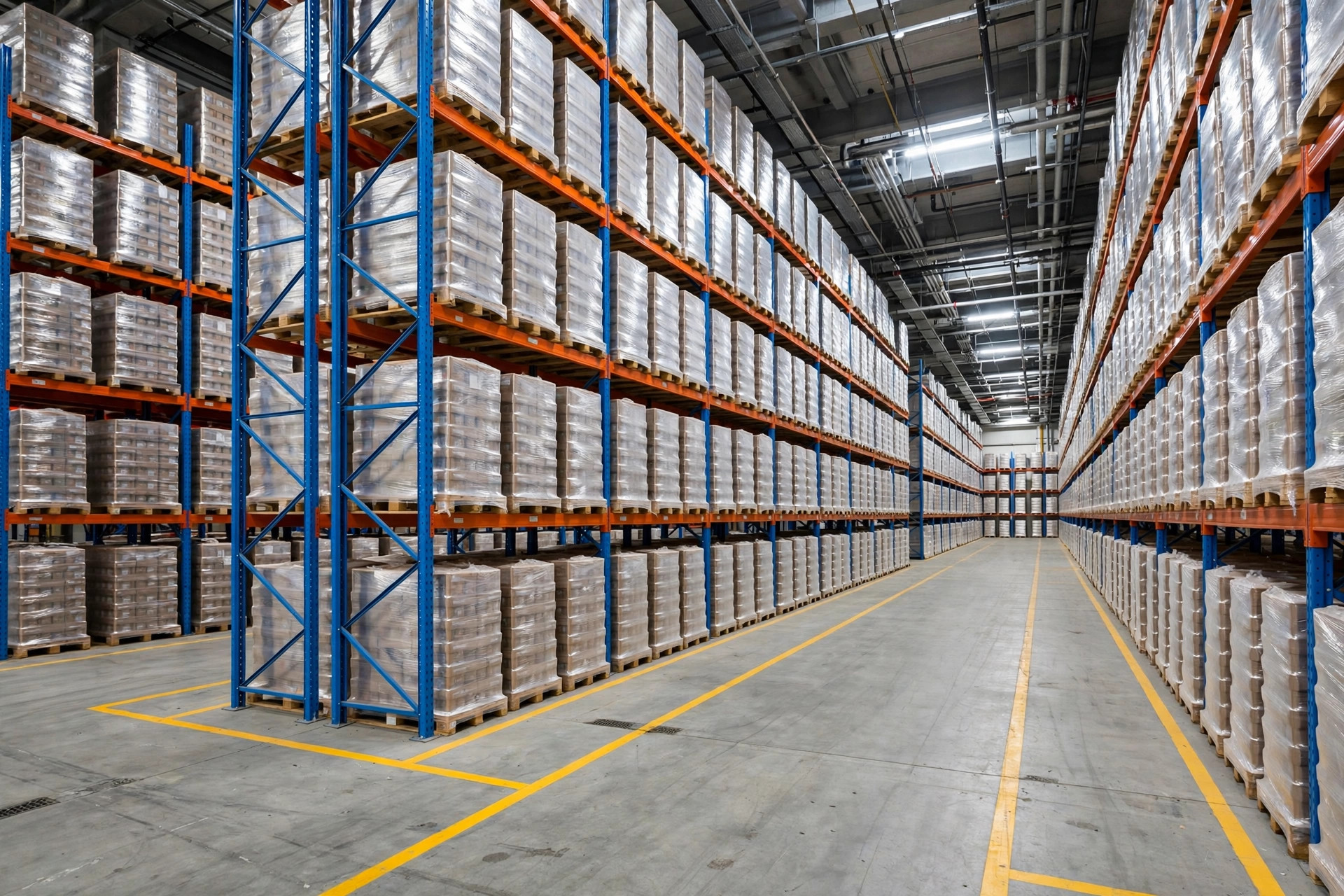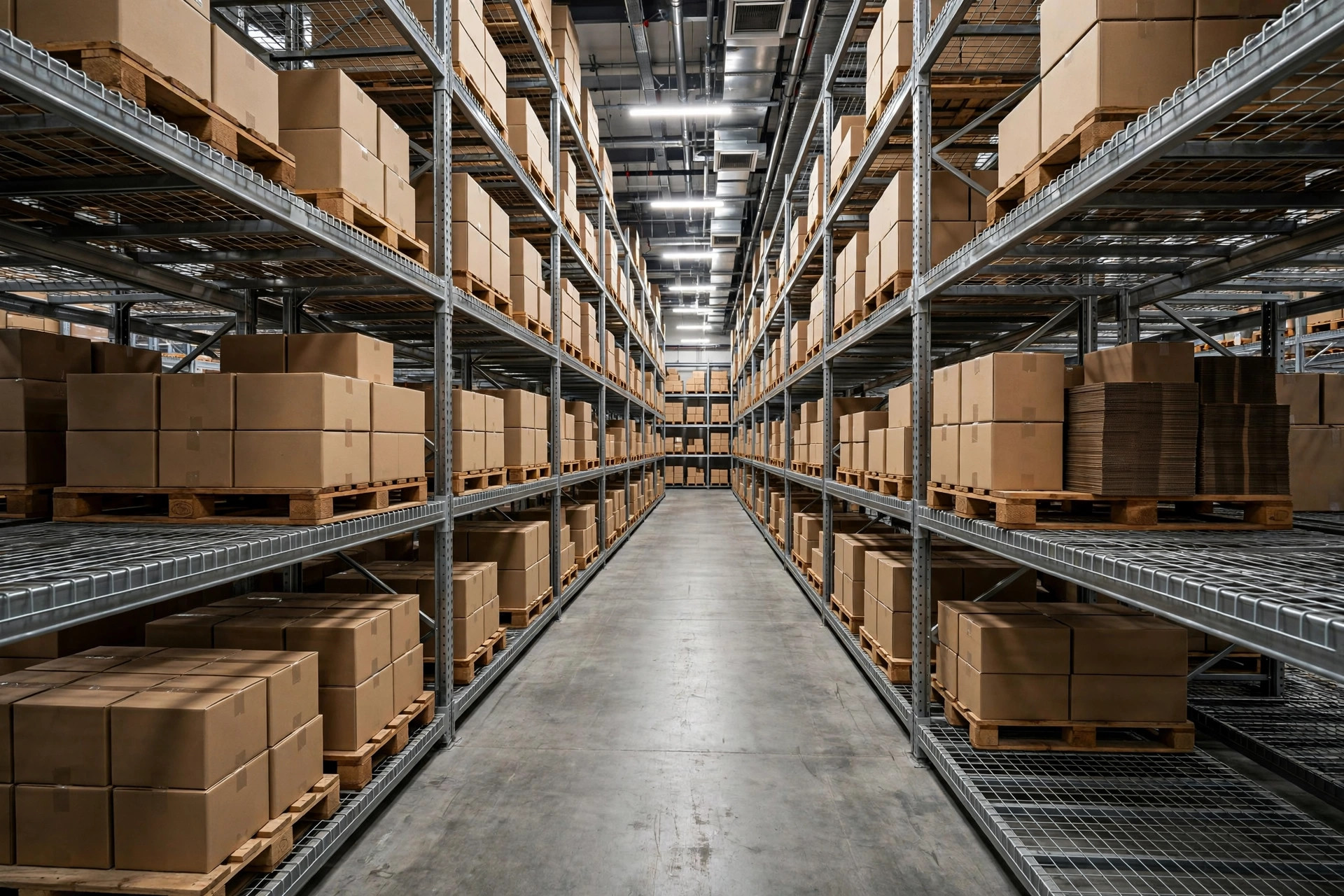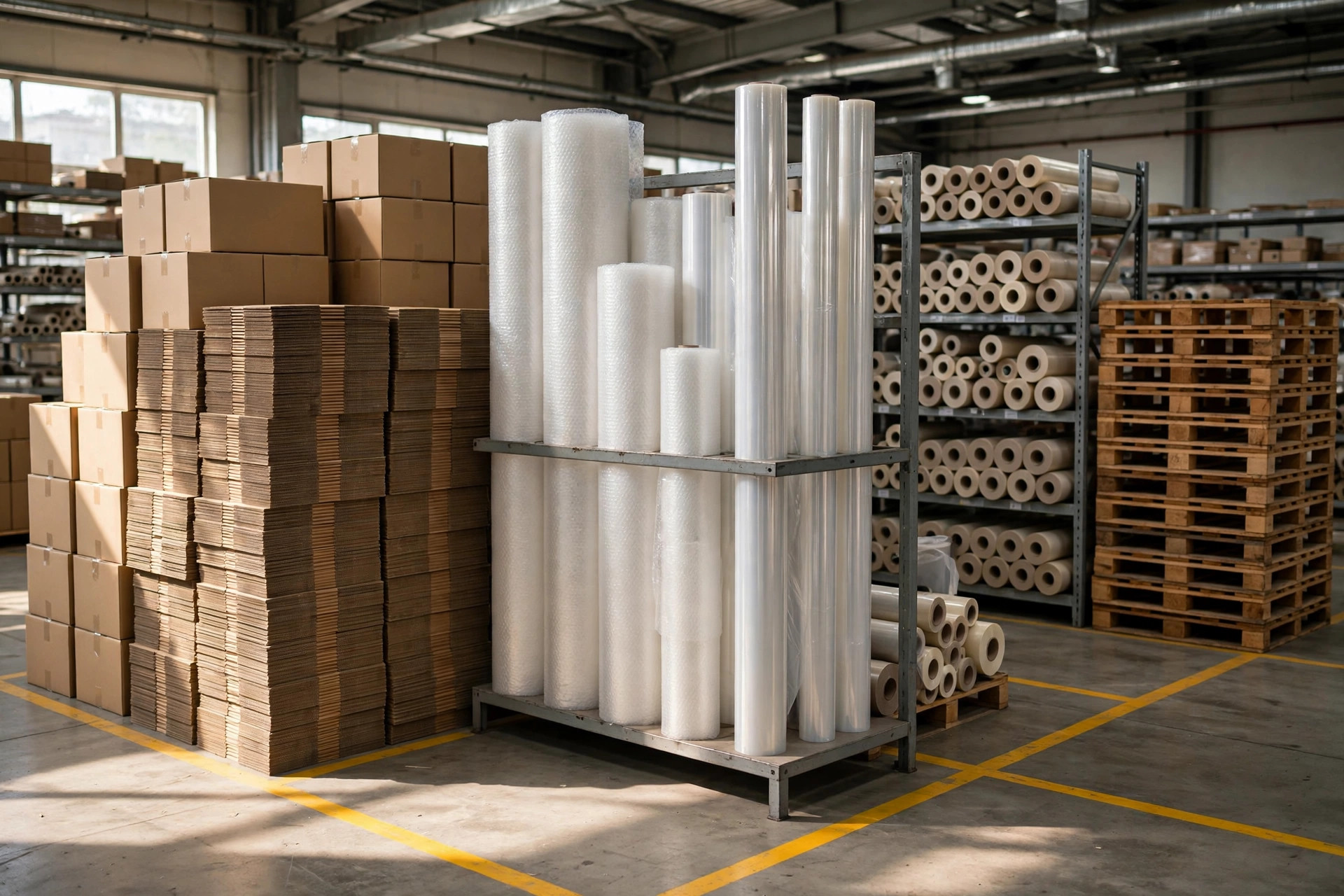
Is racking your small-parts zone always an upgrade over floor stacking?
Short answer: no. Or at least, not automatically.
Back in the fall of 2023, I walked a 50,000-square-foot 3PL in Ontario, California. The warehouse manager showed me the small-parts area with real pride — they had just spent $110,000 replacing every floor stack with proper shelving. "We've professionalized our picking," he said. I didn't say anything. I stood there for half an hour with a stopwatch and counted pickers' steps. On a 30-line pick run, the travel distance through the new racked zone was nearly double what the floor stacks had required. The racks were in, but the slotting logic wasn't — the A-movers had been assigned locations at the very back of the zone. $110,000 bought them a prettier, slower small-parts area.
None of this means racks are bad. It means a lot of operators treat "installing racks" as an upgrade in itself, without ever running the math.
Where the money actually goes
I've seen both setups lose money and both setups make money. The difference has nothing to do with which one looks more modern. It comes down to four variables: space, picking, replenishment, and damage.
Space first. Floor stacking's biggest advantage is that it costs nothing — no racking to buy, the floor is the rack. But it only works in "low altitude." Stack three pallets high and you're fine; go higher and things topple, or you need a forklift, and then it's not really floor stacking anymore. Take one SKU stored as 50 cartons: on the floor that might eat four pallet positions, while a carton flow lane might hold the same quantity in a single pick face. For a 5,000-square-foot small-parts zone, the racking investment (example assumption: 200 flow-rack bays at $400 each) runs about $80,000. The floor-stack version? Zero. The concrete is free.
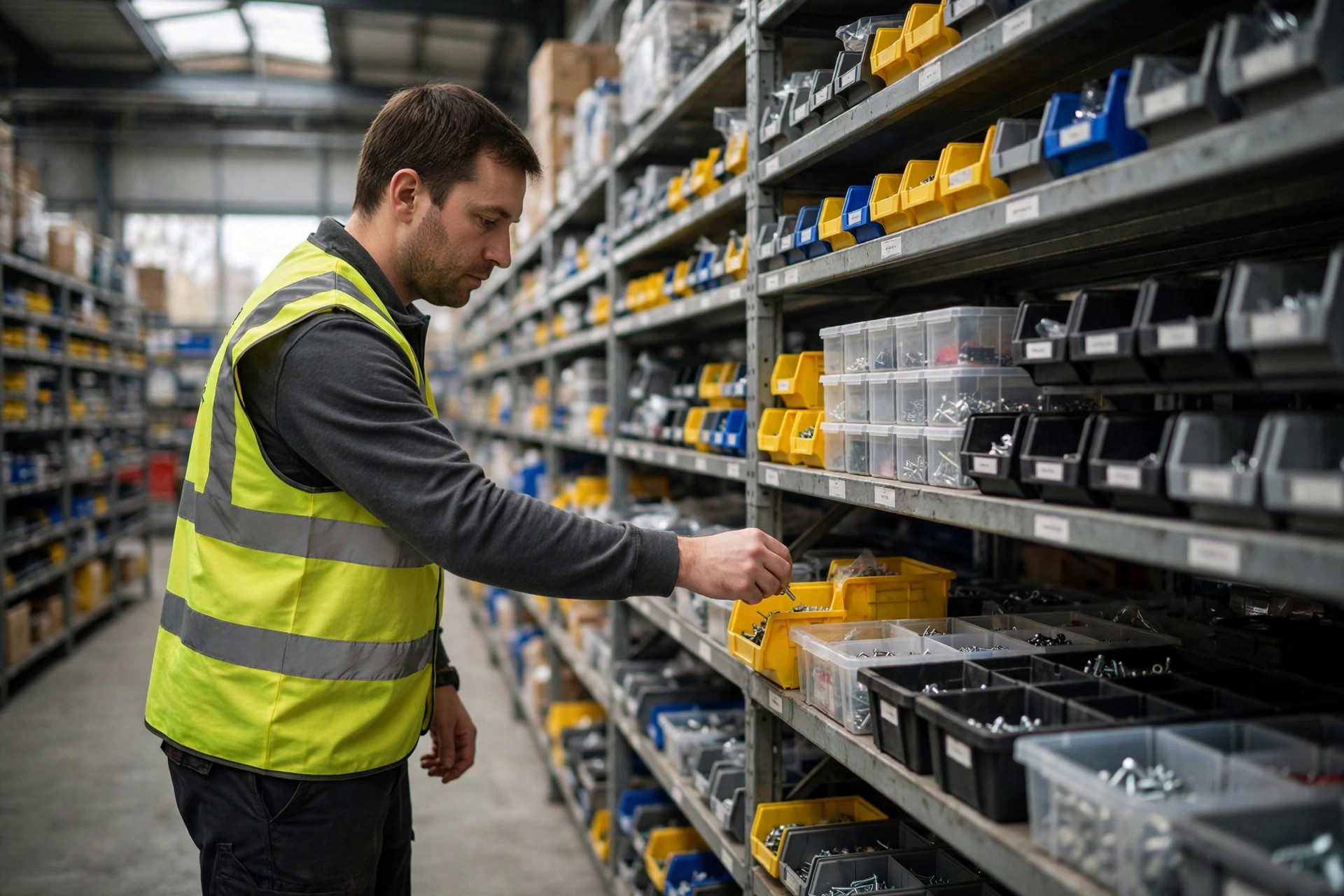
Picking is where racks earn their keep. A carton flow rack always presents a clean pick face — the picker glances, reaches, done, 45 seconds a line (example assumption). Floor stacks? The cartons you need are buried under the cartons you don't. Find, shift, restack — 70 seconds a line is optimistic (example assumption). In a zone running 2,000 pick lines a day, that 25-second gap adds up to nearly 14 extra labor hours daily. Where labor is expensive, racks pay for themselves fast. Where labor is cheap, the money saved by skipping the racks might take three years to burn through.
Replenishment is floor stacking's hidden cost. It looks like zero replenishment — everything sits on the floor. But flipping a floor stack is replenishment by another name: the top cartons get picked empty, the bottom ones are unreachable, and a forklift has to lift the whole pallet off and restack. Sounds trivial. Do it a dozen times a day during peak season and your forklift driver has no time left for anything else. Replenishing a flow rack is shoving a full carton down the lane — a few minutes — but somebody has to watch the back-end stock levels. Neither form of replenishment is free; they just bill you differently.
Don't forget damage either. Bottom-layer cartons in a floor stack take everything: forklift tires, moisture, foot traffic. In 2024 I visited a 30,000-square-foot auto parts warehouse in Fontana where small parts had sat in floor stacks for two years — a third of the bottom-layer cartons had collapsed, and they scrapped two full pallets at the next cycle count. Racked product stays off the floor, and damage rates are usually far lower.
So nobody wins outright. Racks trade money for time; floor stacks trade time for money. Whichever resource is more expensive in your building points to the answer.
Mix it: A-movers on flow rack, B and C get what they deserve
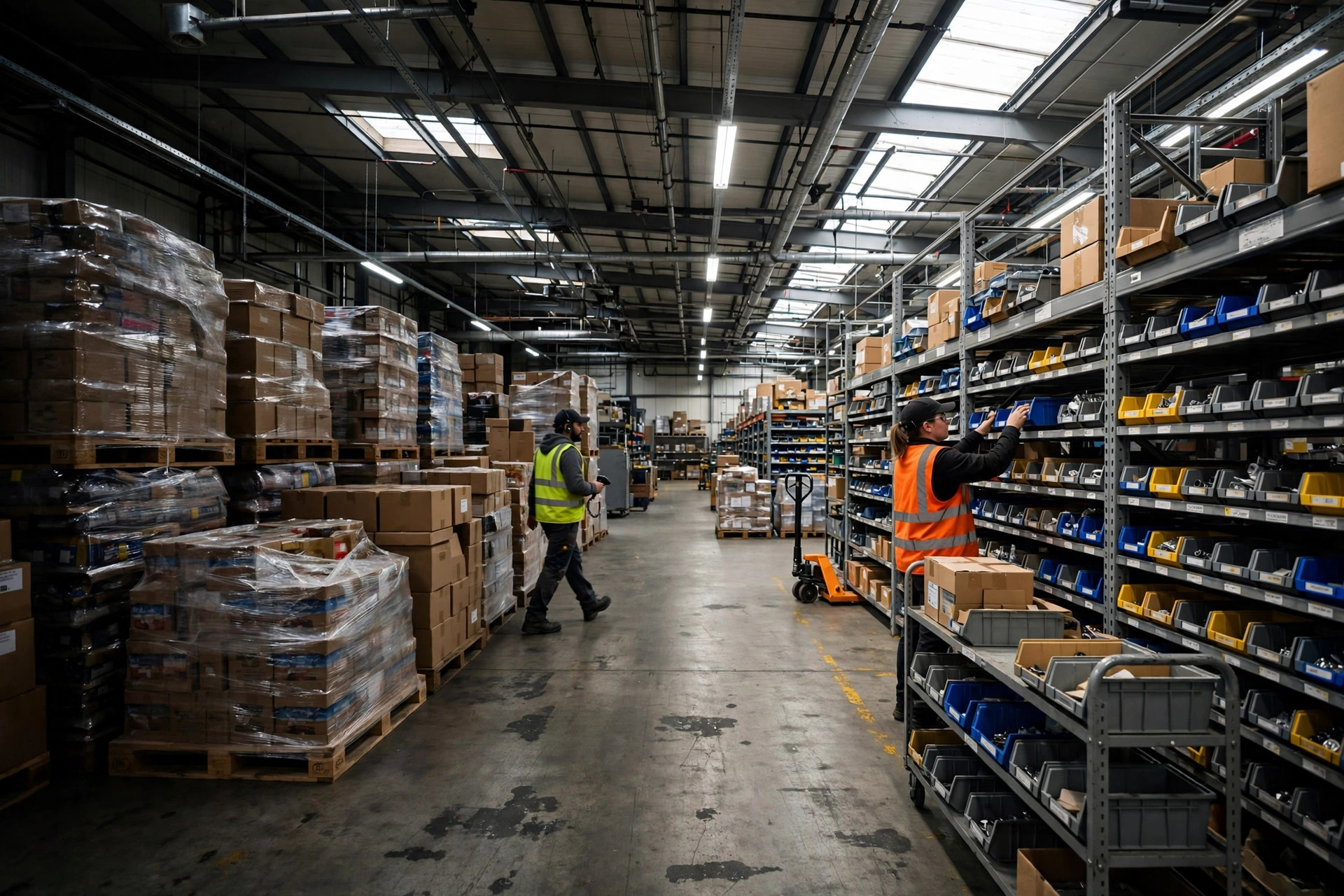
In practice, I rarely see a small-parts zone that's purely one or the other. The setups that work best are always hybrids: A-SKUs on flow rack, everything else judged case by case.
The logic is simple. About 80% of pick volume in a small-parts zone usually comes from 20% of SKUs — a rule of thumb, and the exact ratio varies; pull your own order data and check. That 20% gets picked dozens or hundreds of times a day, and it deserves the flow-rack investment (example assumption: $400 a bay). The other 80% of SKUs get two or three picks a day. Putting them on racking is burning money — the rack sits half empty while the amortization keeps ticking.
What I usually do: rank every SKU by pick lines over the last 90 days. The top 20% go into the flow-rack zone, at the most ergonomic height — waist level, the golden picking zone. The middle tier gets standard shelving or stays on the floor. The long-tail slow movers stay floor-stacked at the back of the zone, full pallets, where flipping a stack once a month doesn't hurt anyone.
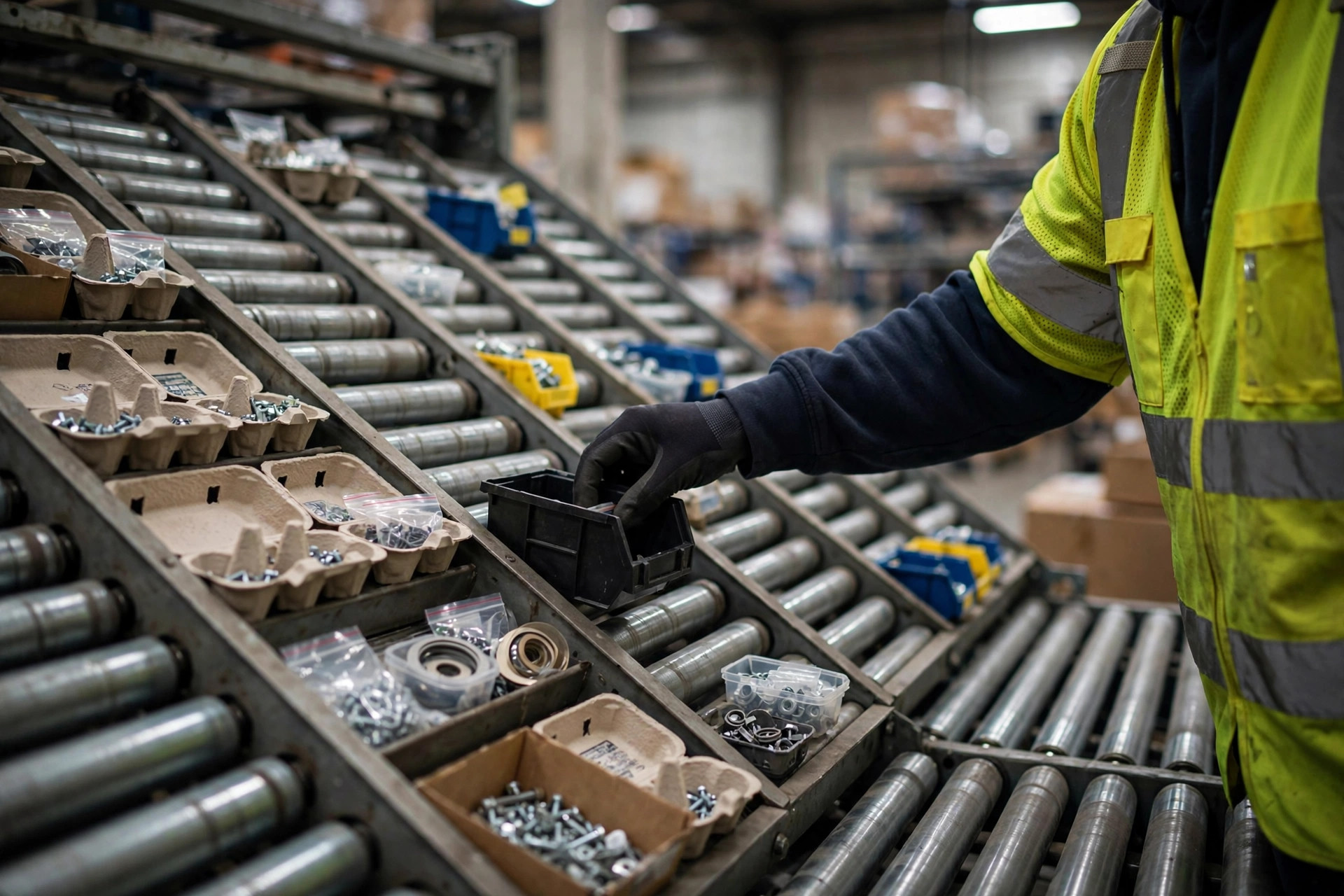
One more detail people miss: keep the replenishment paths for the two zones separate. Floor-stack flipping needs forklifts; flow-rack replenishment needs hand carts. Don't let the two crews share the same aisle. I watched a warehouse mix replenishment and picking traffic in one aisle, and during peak the forklifts and pickers fought for the lane — throughput dropped by a fifth. It's one of the cheapest mistakes in slotting design, and one of the cheapest to fix. Someone just has to think of it.
The formula — run this tomorrow. Don't go by gut feel. Take a sheet of paper and run these four lines (all figures below are example assumptions — substitute your own):
Monthly total cost = space cost + picking labor + replenishment labor + damage
- Space cost: floor-stack footprint × rent per square foot per month, versus rack amortization (investment ÷ amortization months)
- Picking labor: daily pick lines × seconds per line ÷ 3,600 × hourly wage × working days per month
- Replenishment labor: daily replenishments × minutes each × hourly wage × working days per month
- Damage: average monthly damage write-off (pull your cycle-count history)
Run it once for each option. If the gap exceeds 15%, take the cheaper one. If it's within 15%, take whichever your pickers prefer — the cost of turnover doesn't fit in the formula, but every operator understands it.
One last thing: if your small-parts zone holds under 1,000 SKUs and runs under 500 pick lines a day, don't bother with racks. Neat floor stacks and clean location codes make a perfectly good warehouse. What makes a zone "advanced" was never the racking — it's the math being done right.