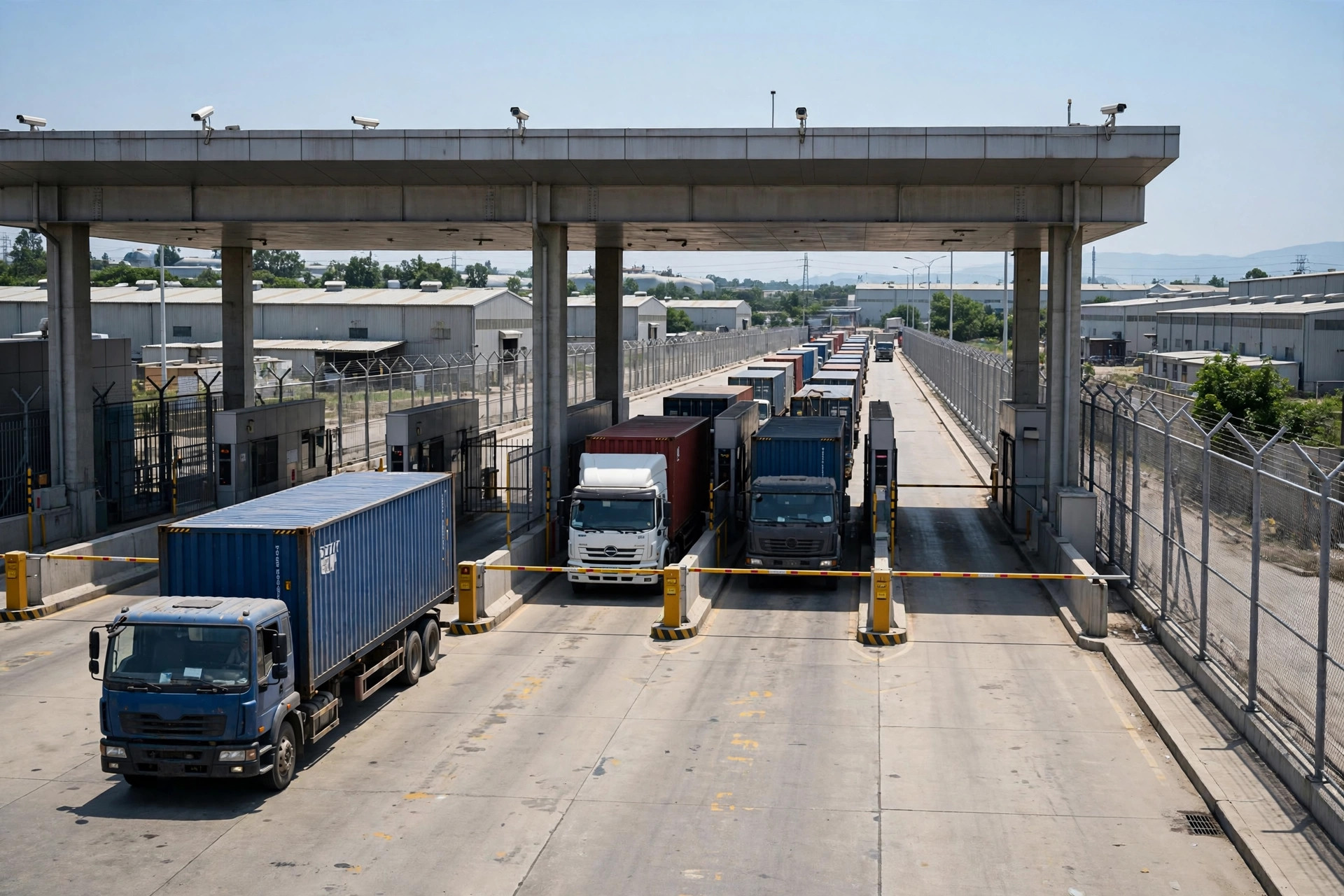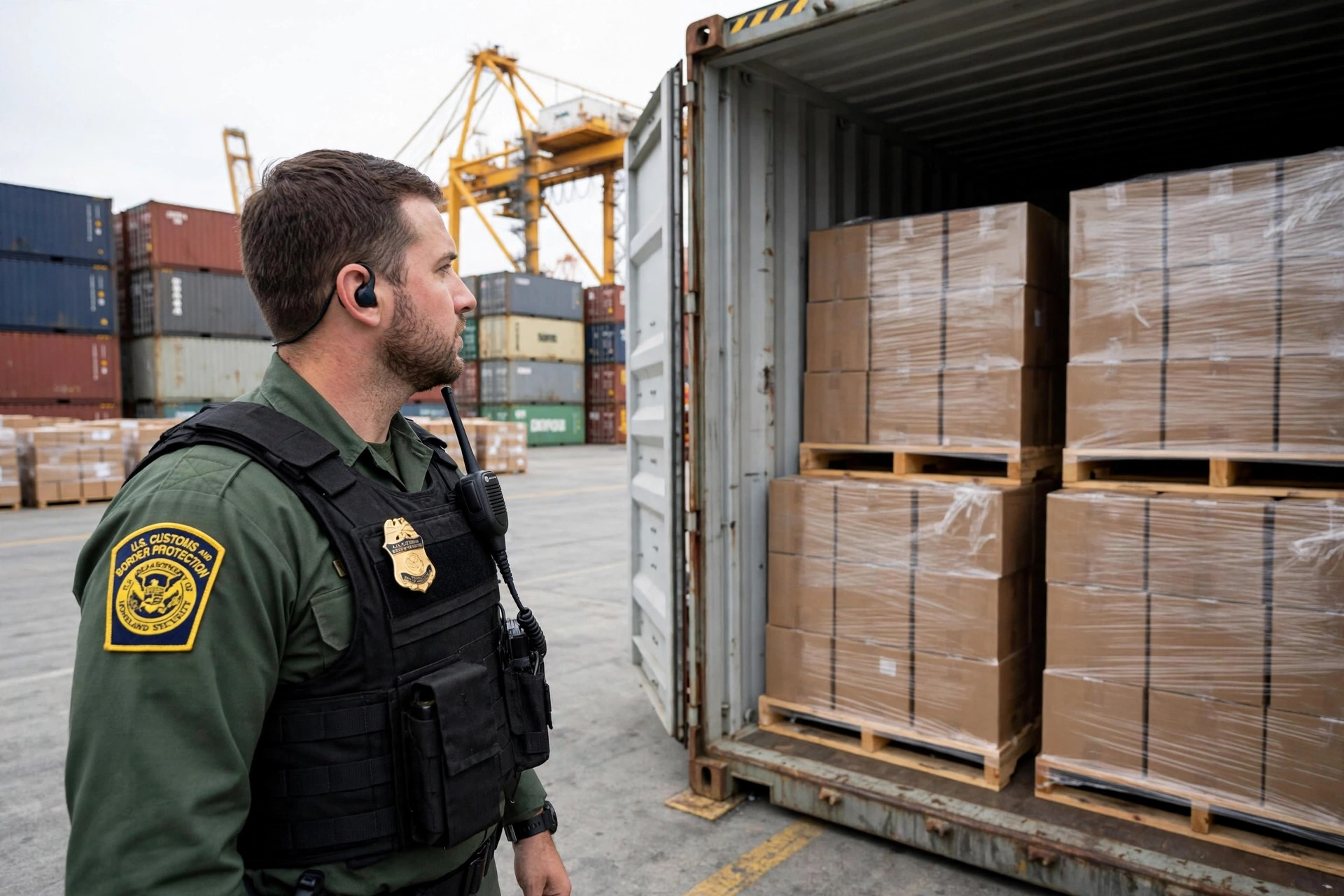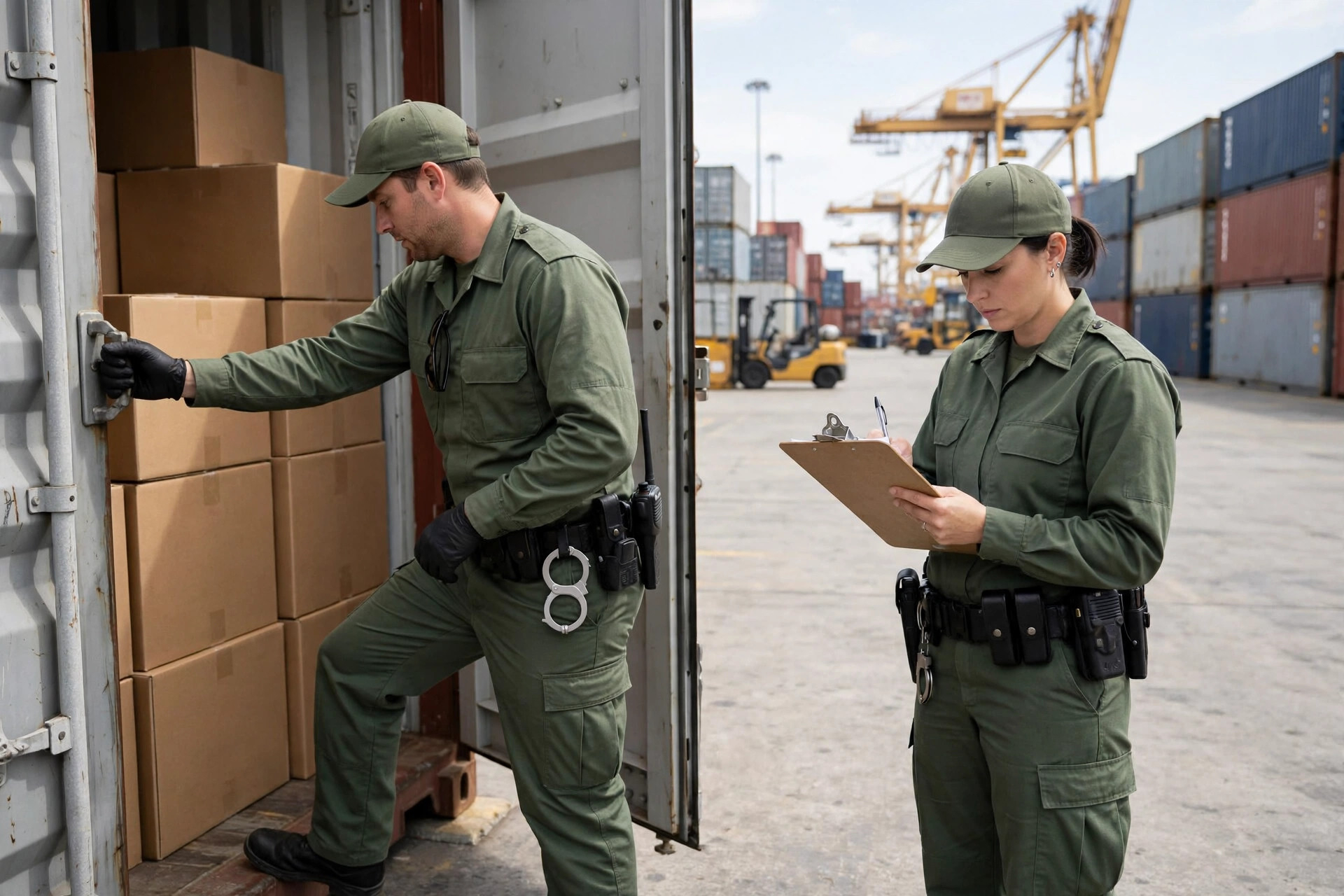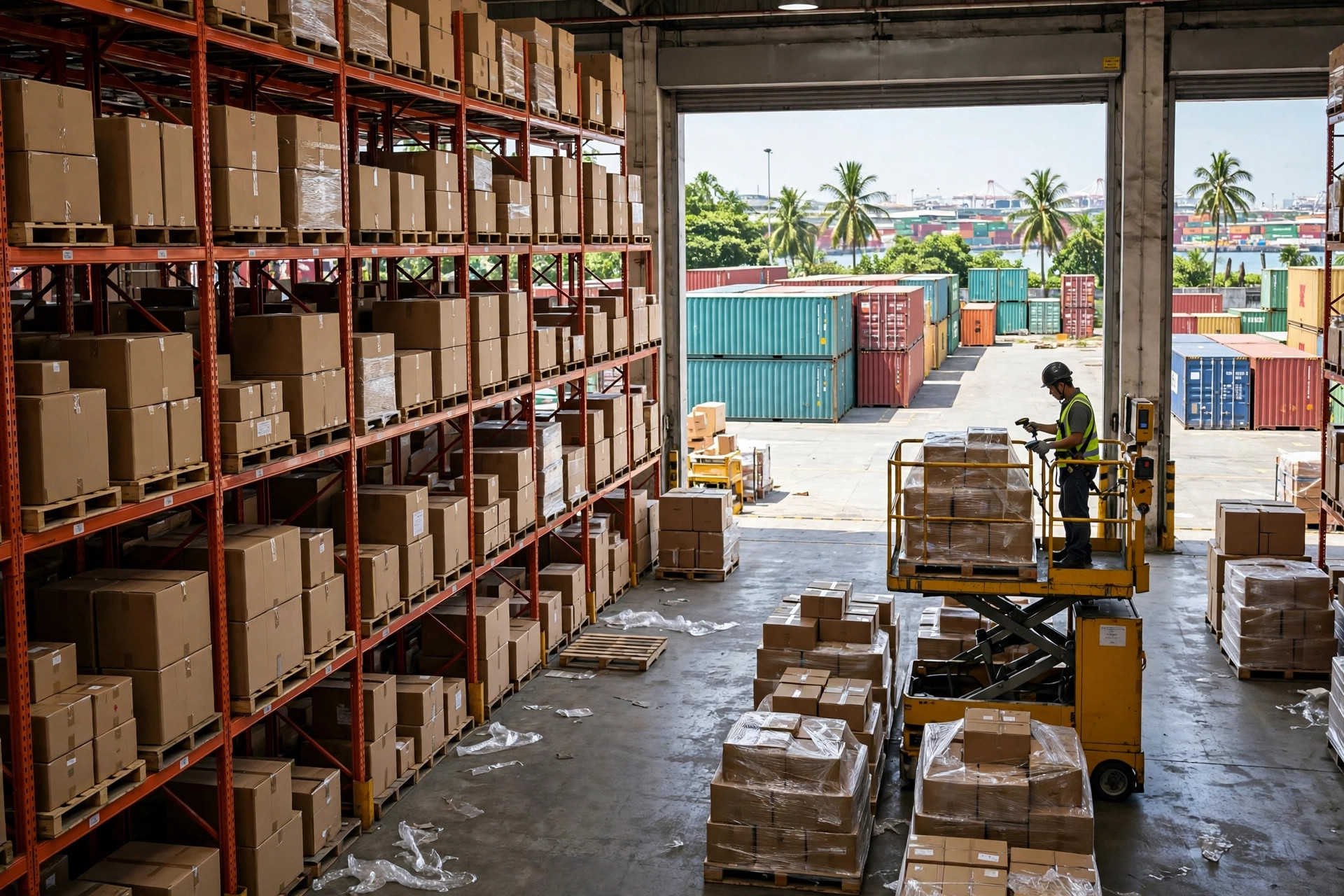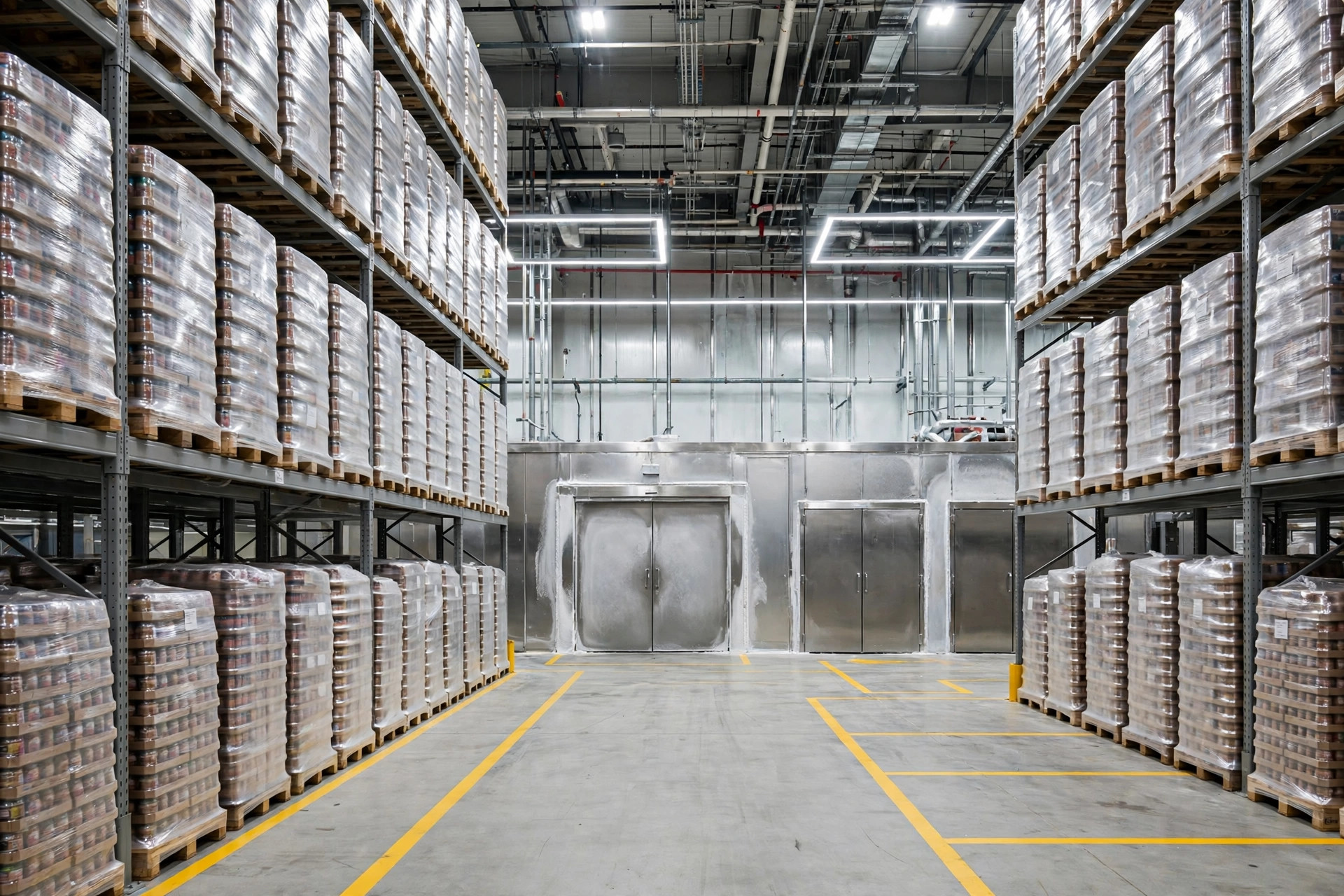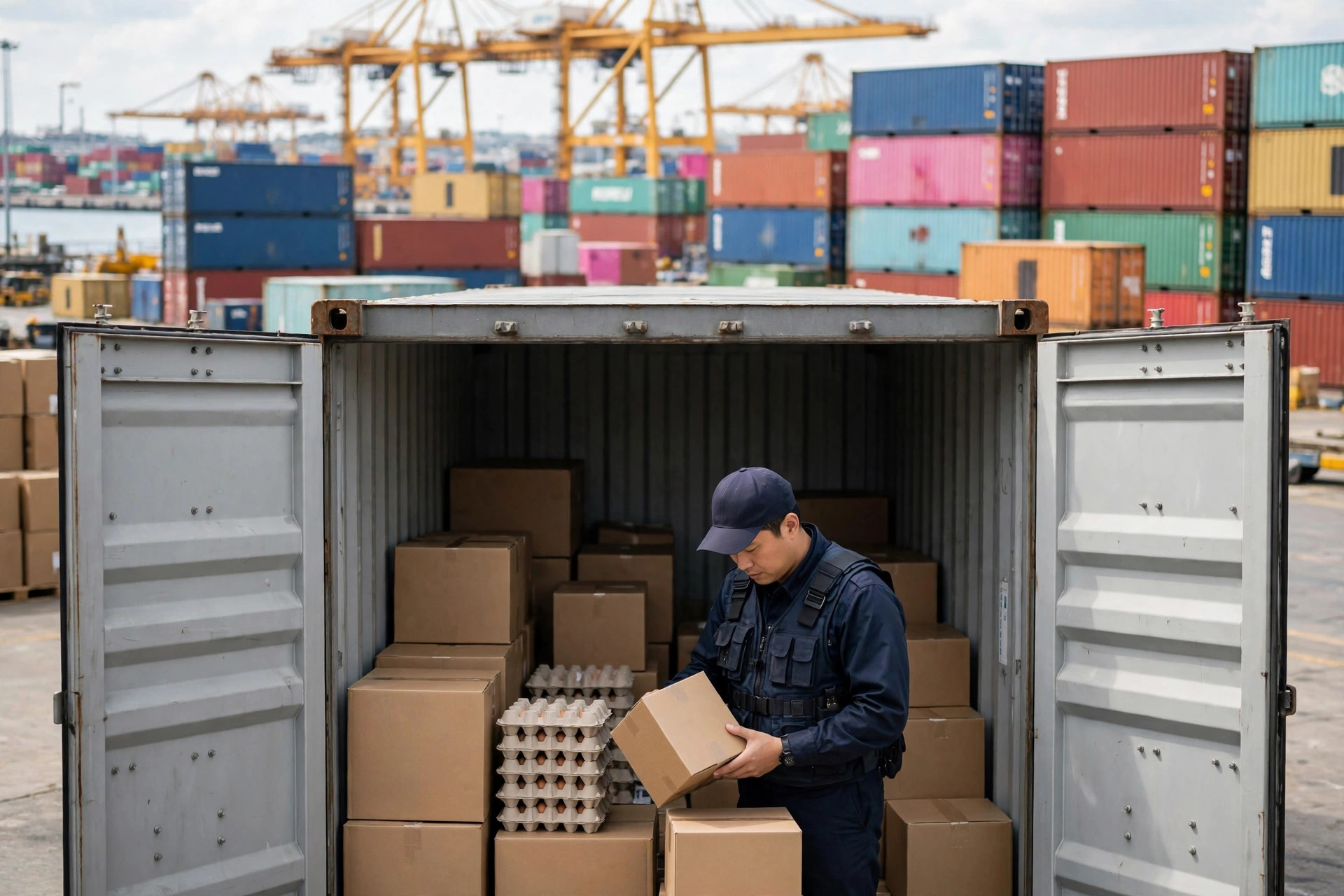
Last fall, an Amazon seller called me in a panic. His 40-foot container of face cream arrived at the Port of Los Angeles on October 3rd. His broker filed the entry on the 4th. Customs released it on the 5th — and the container still wouldn't move. One line in the system: FDA HOLD. By the time he figured out what was missing, filed the paperwork, and waited for lab results, the box wasn't released until October 19th. Two full weeks. Demurrage and terminal storage ticking upward every single day.
Customs release is not the same as cargo release. If you import food or cosmetics, tattoo that on your forehead. CBP handles duties and the big admissibility gate. FDA and EPA each run their own gate, and the keys have to be cut before your goods ever leave the factory.
What FDA Is Actually Looking At
FDA thinks differently from Customs. Customs asks, "Did this shipment pay its duties?" FDA asks, "Is this safe to put in an American's mouth or on an American's face — and is the label telling the truth?"
For food, the bar is real and non-negotiable. Foreign facilities that manufacture, process, pack, or hold food for US consumption must be registered with FDA, and if that registration lapses, the shipment doesn't get in. Then there's Prior Notice. Since the Bioterrorism Act of 2002, FDA has required advance notice before food arrives — for ocean freight, generally no later than 8 hours before arrival; for air, 4 hours. (Confirm the current windows on FDA's site before you ship; they do change.) First-time food importers get burned here constantly: the broker files the entry, but nobody secured the Prior Notice confirmation number, and the container sits at the terminal waiting.
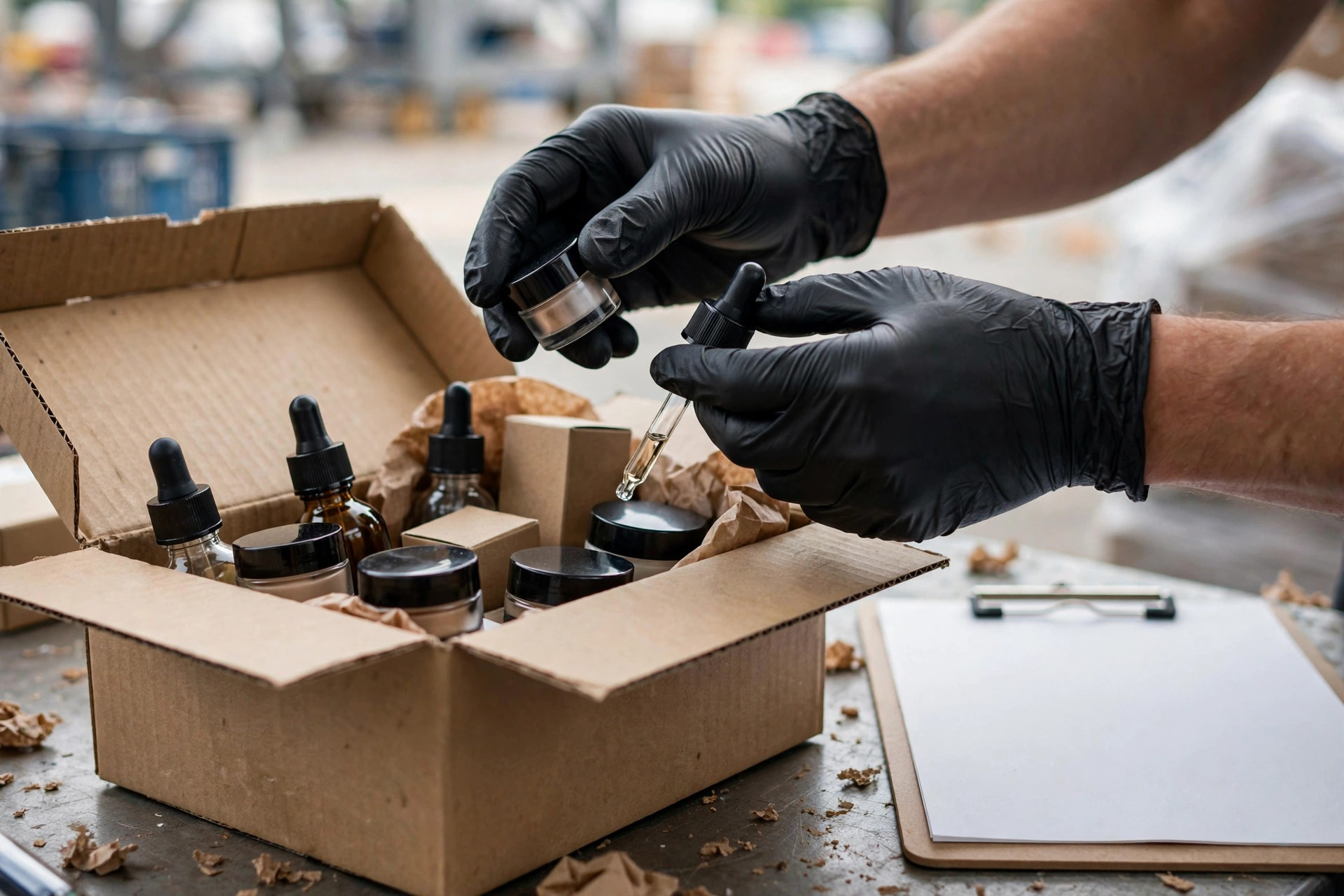
Cosmetics changed the game in 2022. FDA used to take a hands-off, after-the-fact approach to cosmetics, and importing them was relatively painless. Then the Modernization of Cosmetics Regulation Act — MoCRA, signed at the end of 2022 — kicked in: cosmetic manufacturing facilities now have to register with FDA, and products have to be listed. Plenty of sellers are still operating on the old assumption that cosmetics don't involve FDA. They find out otherwise when the container is already at the port.
And there's one hard red line: color additives. FDA pre-approves color additives used in cosmetics. Use an unapproved one and the whole shipment can be refused.
The most common reasons I see for FDA holds, roughly in order of frequency: missing or mismatched Prior Notice; expired facility registration; labeling problems — ingredient declarations, net quantity, nutrition facts not meeting US requirements; and the product itself crossing a line, like an unapproved additive in food. When a hold notice lands, don't guess. Have your broker pull the actual FDA notice the same day and confirm which kind of hold it is: a document-review hold that clears once you submit paperwork, or a physical examination that means sampling and lab work on FDA's timeline. Document holds resolve in days. Sampling doesn't.
The Gate Nobody Sees Coming: EPA
If FDA is the required course for food and cosmetics importers, EPA is the elective nobody knows exists — until tuition comes due.
EPA regulates pesticides and toxic chemicals under FIFRA, the Federal Insecticide, Fungicide, and Rodenticide Act. Here's the part that surprises people: if your product label claims it kills germs, disinfects, repels insects, or prevents mold, EPA treats it as a pesticide — no matter how much of a household product or cosmetic you think it is. Disinfecting wipes, insect repellent, anti-mite sprays, mold inhibitors all fall in this bucket.
Importing these products requires an EPA registration number for the product itself, an EPA establishment number for the manufacturing facility, and a Notice of Arrival of Pesticides (EPA Form 3540-1) filed before the shipment arrives. Miss any one of those and the cargo gets held just the same. The most painful case I ever saw: a company importing "antibacterial" laundry detergent. FDA side went smoothly. EPA held the shipment because the product made antibacterial claims with no EPA registration. The container sat at the Port of Los Angeles for three weeks and ended up being re-exported — because EPA registration is not something you complete in days. Think months.
Then there's TSCA, the Toxic Substances Control Act. Chemical imports — and products with chemical components — require a TSCA certification at entry, declaring the shipment complies or is exempt. Most brokers handle this routinely, but the importer needs to know it exists. If the certification is wrong, the liability is yours.
So here's the rule of thumb for sellers: if your cream just moisturizes, that's FDA's business. The moment the packaging says "kills bacteria" or "sanitizes," you need to knock on EPA's door too. The claim on the label is what flips the switch.
After the Hold: Timeline, Cost, and What to Do
First, the timeline. A document-review hold clears in days if your paperwork is in order. Once sampling starts, you're on someone else's clock. The sample goes to an FDA lab, queues up, gets tested, and the report comes back — typically one to three weeks, longer in peak season. All that time the container sits at the terminal or a designated warehouse, with demurrage and storage accruing daily. Reefer containers cost even more. I've watched a two-week hold eat the entire margin on a container of general merchandise more than once.
Do the math on the real cost. The visible part is demurrage and storage. The invisible part is your whole sales plan falling apart — stockouts on Amazon, empty FBA shelves, ad spend burning for nothing. For a small seller, one container is the entire inventory. One hold means a month with nothing to sell.
The response playbook is short, but the order matters. Step one: the day the hold notice arrives, have your broker get you the actual FDA notice. Read what kind of hold it is and exactly what documents they want. Don't guess. Step two: submit whatever's missing immediately — refile Prior Notice, renew the facility registration, send the certificate of analysis, the ingredient breakdown, everything they'll take. Step three: if it's a sampling exam, cooperate with FDA's process as written. There is no "talking your way through it" — the field staff have zero discretion to waive requirements. Step four: if you get a refusal decision, you still have options — appeal, re-examination, re-export, or destruction. Get an experienced broker and counsel to evaluate before you do anything on your own.
The Practical Takeaway
Do these before you ship and you'll avoid most of the pain: keep the food facility's FDA registration current; file Prior Notice early and make sure the confirmation number matches the entry; complete MoCRA facility registration and product listing for cosmetics; build your labels to US requirements instead of just translating the Chinese ones; check EPA registration for anything with kill/disinfect/repel claims; and keep ingredient lists and test reports on file for every shipment.
One last thing: FDA and EPA rules have been tightening — MoCRA is the proof. Filing windows, form versions, and fee schedules can change year to year. Check the current requirements on the FDA and EPA websites before you move, or confirm with a broker who specializes in food and cosmetics clearance. The tuition for two weeks at the terminal only needs to be paid once.