Let me be blunt: most sellers doing Europe get VAT wrong — including me, three years ago. (If you Google "europe warehouse vat ioss ecommerce compliance," what comes back is mostly agency advertorials. More confusing than helpful.)
When I started selling in Europe back in 2021, I thought I had it figured out: register for IOSS, all my sub-€150 parcels covered, done. Then my first batch landed in a Dutch warehouse, and before I'd sold more than a handful of units, the warehouse agent hit me with: "You need a Dutch local VAT number, or your next inbound shipment isn't getting received."
Wait — I have IOSS, I said.
That's what this post is about. IOSS is not what you think it is. Five moves. If you run EU warehouse fulfillment, you can't dodge a single one.
Move 1: The moment your goods enter a European warehouse, the tax clock starts
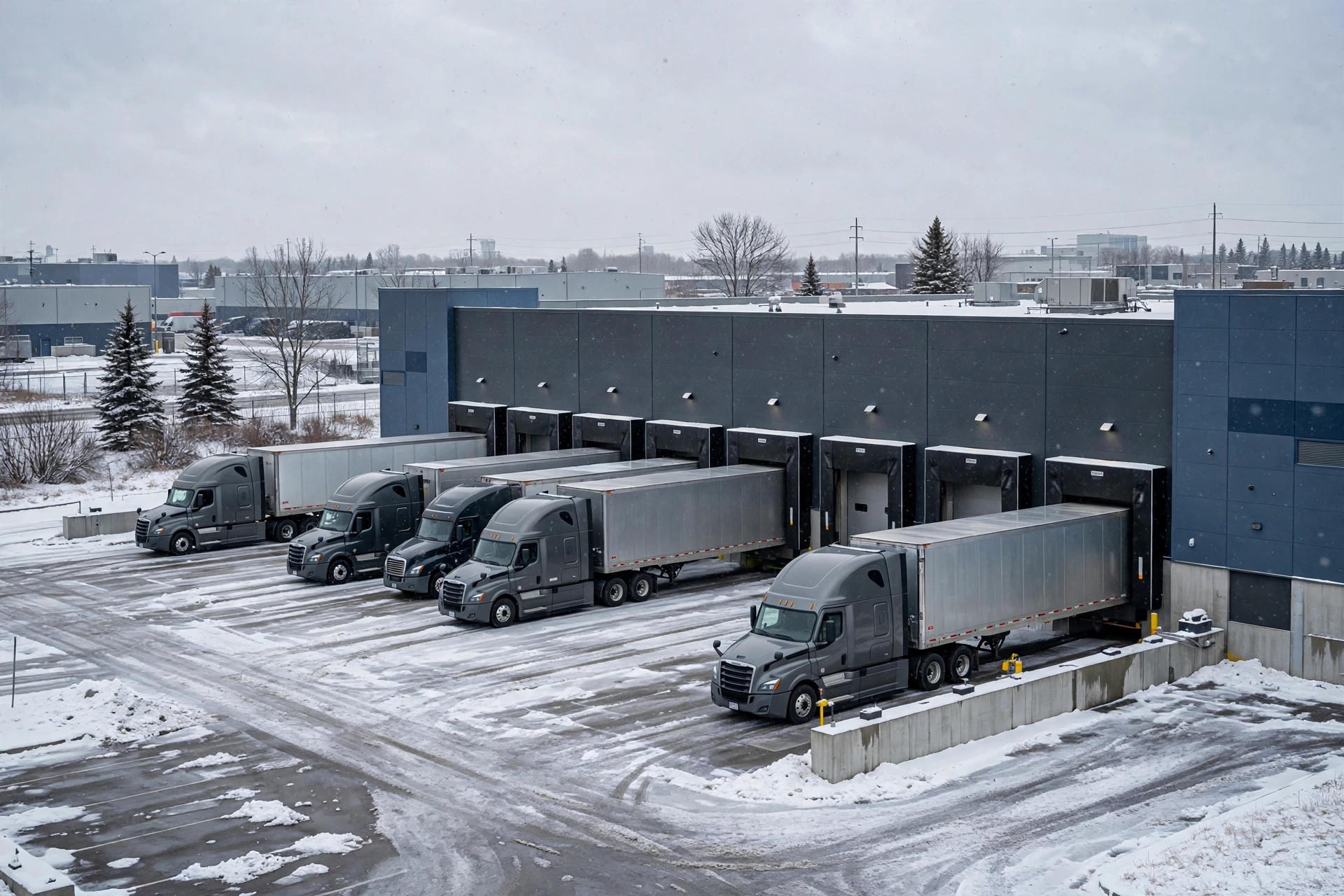
Here's the uncomfortable truth first: if your stock sits in a warehouse in any EU country, you have a tax obligation in that country — whether you've sold a single unit or not.
The logic is simple. The EU cares about where the goods are, not who owns them. You ship 5,000 units to a Polish warehouse; the Polish tax authority sees a pile of goods on its turf that could generate sales at any moment, and it wants you registered. Every member state requires non-EU sellers holding local stock to register for local VAT.
Don't play the "I'll register when they catch me" game. Since the EU's e-commerce VAT reform took effect on July 1, 2021, tax authorities routinely audit overseas warehouses. What happens when they catch you? A friend of mine selling auto parts shipped his first 3,000 units to a Polish warehouse in 2025, skipped registration hoping nobody would notice. Half a year later he was hit with back taxes plus penalties, spent months getting the VAT number sorted, and didn't dare ship new stock the whole time. Tested in the field — as a cautionary tale.
Move 2: The €150 line — IOSS is not a master key
This is where most people get burned, so it gets its own section.
What does IOSS (Import One-Stop Shop) actually cover? Exactly one scenario: B2C parcels shipped directly from outside the EU to EU consumers, with an intrinsic value of no more than €150. Two qualifiers: "shipped from outside" and "under €150."
Your goods are already sitting in a Dutch warehouse. Shipping from that warehouse is an intra-EU sale. IOSS doesn't touch it. IOSS was built for direct-ship small parcels, not for overseas-warehouse sellers.
That's exactly where I face-planted. I sell small home goods, average order €20–40, all under €150. IOSS covers everything, I thought. Then my warehouse agent set me straight: your goods ship from inside the EU — IOSS doesn't apply to you. You need local VAT, or OSS. It felt like passing the theory test and then discovering I was supposed to be driving a boat.
Burn this into memory: IOSS handles "parcels coming in." Local VAT handles "goods sitting in the warehouse." Two different things.
Move 3: IOSS vs OSS vs local VAT — which form do you actually fill in?
These three acronyms have melted more seller brains than any Amazon policy update. One table, done:
| IOSS | OSS (EU One-Stop Shop) | Local VAT | |
|---|---|---|---|
| Covers | Direct B2C imports from outside the EU, ≤ €150 | Intra-EU cross-border B2C distance sales | Stock held / local sales in a given country |
| Register | One EU country of your choice | One EU country of your choice | In each country where you hold stock |
| Filing | One return for multiple countries | One return for multiple countries | Per-country returns |
| For | Pure direct-ship parcel sellers | Multi-country EU warehouse sellers who want simplicity | Sellers in one or two countries with local warehouses |
See the pattern? The three schemes split by "where are the goods and how do they sell" — not by "which is cheapest." This table is also the answer behind most "europe warehouse vat ioss ecommerce compliance" searches.
The real answer for most warehouse sellers is a combo: stock in a German warehouse → German local VAT; shipping from Germany to France and Italy → OSS, one return for multiple countries; plus a slice of small parcels shipped direct from China → IOSS.
Run this math before you pick a warehouse. Don't just compare rent: Polish warehouse rent is cheap, but maintaining one more VAT number in Poland — agent bookkeeping and filings every year — can eat a big chunk of the rent savings. Rent 20 cents cheaper per unit, several thousand euros more in tax compliance a year — I've watched too many sellers do this math backwards. Rates and filing cycles change; always check the EU's official site for the latest policy instead of reusing last year's numbers.
Move 4: Get your EORI and VAT numbers ready before the goods arrive
The EORI number is your customs ID in the EU — no EORI, no clearance. The VAT number is your tax ID — no VAT number, no warehousing and selling. You need both. Non-negotiable.
Agent vs DIY, I've done the math for you:
DIY: you save the agent fee, but you're dealing with a foreign tax authority — forms, language, back-and-forth on documents. One to two months of ping-pong is normal, and the time cost is brutal. Get one field wrong and the fix takes even longer.
Hire an agent: pay for peace of mind, usually done in weeks. But the agent market is a jungle — quotes range from a few hundred to a few thousand euros for wildly different service levels. My advice: use a local tax agent your warehouse partner works with. At least they can't ghost you, and your warehouse partner will chase them if things stall.
Either way, start the paperwork now: business license plus translation, legal representative's passport, articles of incorporation, bank reference letter — translation and notarization alone take time. If you only think about the VAT number when the goods hit the port, the warehouse rent meter won't wait for you.
Move 5: Exit clean — deregister, don't leave loose ends
Ninety percent of sellers skip this one.
You quit the EU market, switch countries, change warehouses — and leave the VAT number hanging? The agent bookkeeping fees keep coming. The nil returns keep coming. Thousands of euros a year. Worse: in some countries, a VAT number with years of nil returns and no deregistration gets flagged. Come back in three years and the old account gets settled first.
The exit process mirrors the entry: clear the stock → file the final return → apply for deregistration → get the deregistration confirmation. Keep that confirmation letter. If you return to Europe in three years, it's your proof of a clean record.
Counterintuitive take: people assume "low value, low volume, I can deal with tax compliance later." It's the opposite — small sellers are the ones most likely to be misled by IOSS. The idea "everything I sell is under €150, so IOSS covers it all" is dead wrong: IOSS only covers parcels shipped from outside the EU. Your goods are sitting in an EU warehouse. IOSS has nothing to do with you. The smaller you are, the earlier you need to sort out these three schemes — because you don't have a big seller's cushion to absorb one penalty.
EU warehouse tax compliance boils down to one sentence: where the goods are, that's where the tax is. Get these five moves right and "europe warehouse vat ioss ecommerce compliance" stops being black magic and becomes a checklist.
This move actually worked for me — from getting chased by my warehouse agent for a VAT number to having tax paperwork ready within two weeks for every new EU market I enter. Don't wait. No need to step in the same hole I did.
By Ah K, E-commerce Seller (5 yrs)