Let me start with the money. The Egypt citrus export cold chain moves one container of fruit from the Nile Delta to a European supermarket through how many links? Harvest, pre-cooling, packing, cold storage, reefer shipping, destination port, distribution — eight links. Break any one of them and the money spent on the other seven is wasted. This article runs that bill line by line.
The background first: Egypt's citrus grows mainly in the Nile Delta, and the peak export season is winter — exactly when Europe's own citrus season winds down. That is the whole business logic of the Egypt citrus export cold chain: deliver oranges to Europe in winter. But the logic only holds if the cold chain holds. Fruit on the tree doesn't fear the cold; fruit in the supply chain lives or dies by temperature.
Where the Citrus Export Cold Chain Money Goes
When people hear "cold chain," they think of reefer freight. In the Egypt citrus export cold chain, the reefer is one line item, and often not the biggest one. Break one container's journey down:
| Cold chain link | What happens | Cost character |
|---|---|---|
| Field pre-cooling | Field heat pulled out of the fruit right after picking | Small upfront spend; skip it and everything downstream suffers |
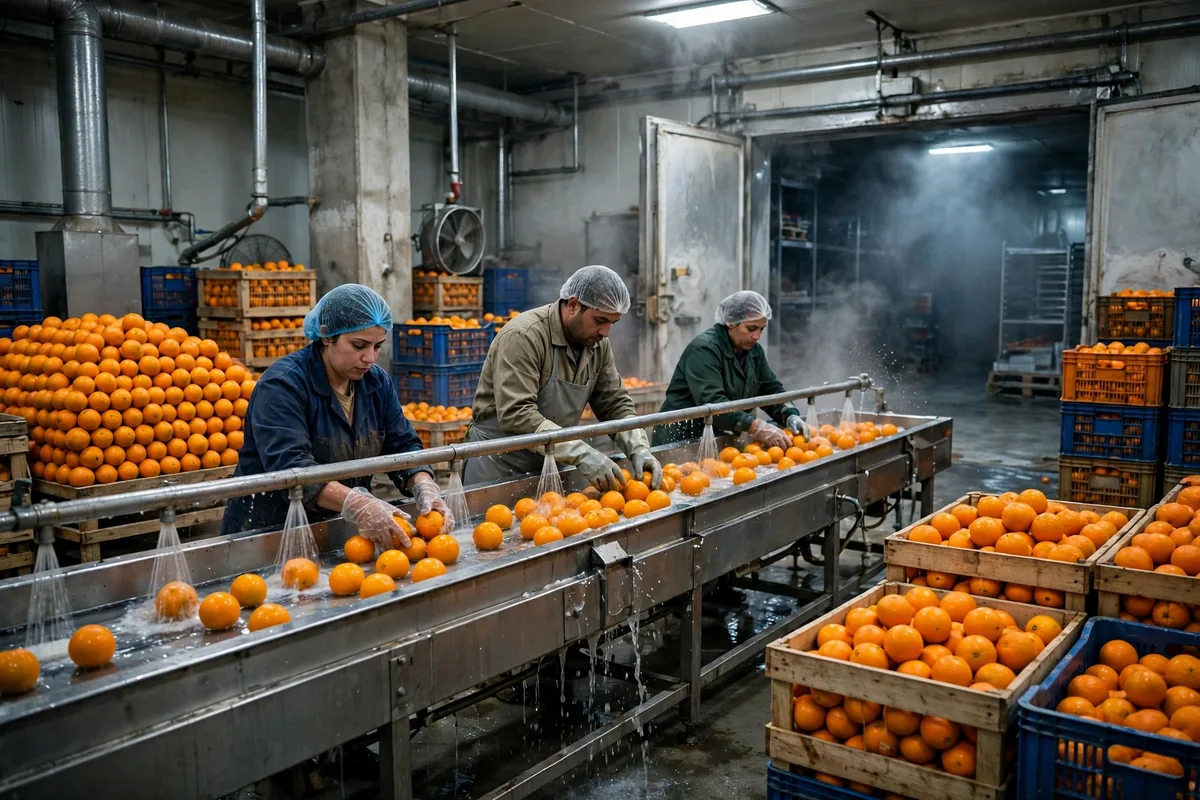
| Packhouse grading | Washing, waxing, grading, boxing | Labor plus packaging; damage rate is set here |
| Cold storage | Waiting for the sailing or for consolidation | Charged by the day; a slipped sailing pushes it up |
| Reefer ocean freight | Constant temperature to a European port | The biggest single line, but transparently priced |
| Destination port waiting | Customs clearance, inspection, waiting for pickup | Every extra day burns reefer power and storage fees |
| Final distribution | From port cold store to individual supermarkets | The highest breakage risk in the whole chain |
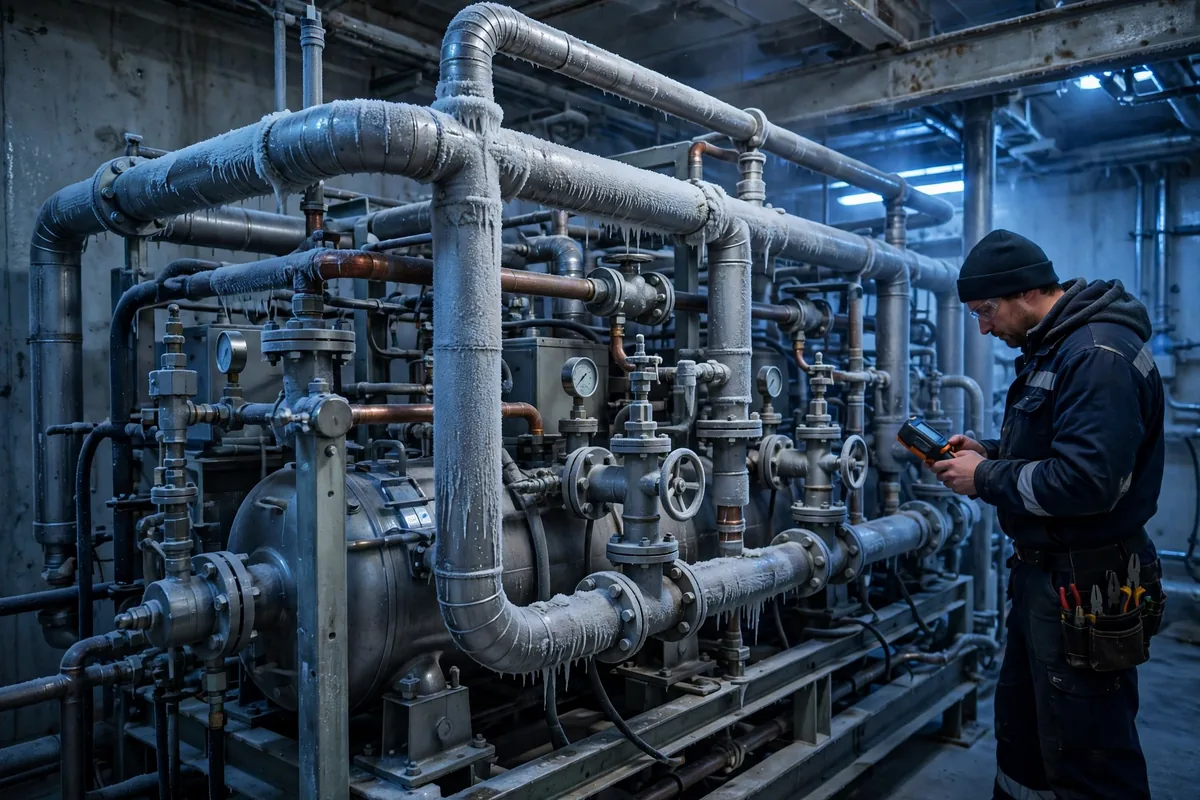
See the shape of it? Reefer freight is a quoted price — easy to budget. The hard money sits at both ends: pre-cooling done badly means the fruit enters the cold store still carrying field heat, so the chain is half-lost before it starts; and waiting at the destination port means the reefer sits plugged in at the terminal, with fees and spoilage risk climbing together.
Take pre-cooling as the example. The same lot of fruit, pre-cooled properly, holds a steady temperature all the way to Europe. Pre-cooled badly, the fruit keeps generating heat inside the container, the reefer works overtime and still can't pull the temperature down, and at destination the fruit arrives soft and moldy. The loss isn't just the cargo value — it's next season's order from that buyer. Pre-cooling costs little. Skipping it costs a whole container. That money is spent in the wrong place.
Worked Example: What One Break in the Citrus Export Cold Chain Costs
Take one container as a worked example. Assume a container of citrus worth $20,000 — an assumption for the calculation, since real values vary by variety and season. Cold chain costs run to a meaningful share of that value, with reefer freight the largest line and pre-cooling and cold storage the smaller ones. But breakage losses aren't priced on cost. They're priced on cargo value:
- Pre-cooling missed: soft fruit at arrival, buyer discounts the lot — a loss of perhaps 5–10% of cargo value.
- Three extra days at the destination port: storage and power are the small part; the real cost is three days of shelf life gone, and a higher chance the supermarket refuses the lot.
- Worst case: reefer power cut for a few hours mid-voyage, temperature runs away, the whole container is written off at arrival — the full $20,000 gone.
The pattern is clear. Cold chain spending is measured in percentages of cargo value. Cold chain failure is measured in the whole cargo value. Small money protects big money — that is the logic of investing in the chain. Whatever you save by cutting a link never covers one break.
The Counterintuitive Part: Colder Is Not Better
Here's the counterintuitive truth: citrus doesn't want to be as cold as possible. Many people assume a cold chain means pushing the temperature as low as it goes. Wrong. Citrus suffers chilling injury — peel blackens, flesh turns off-flavor when it gets too cold. Different varieties want different temperatures; follow the exporter's and the shipping line's cold chain specification for the exact range. The essence of a cold chain isn't "cold," it's "steady" — hold the right band, and keep fluctuation as small as possible all the way.
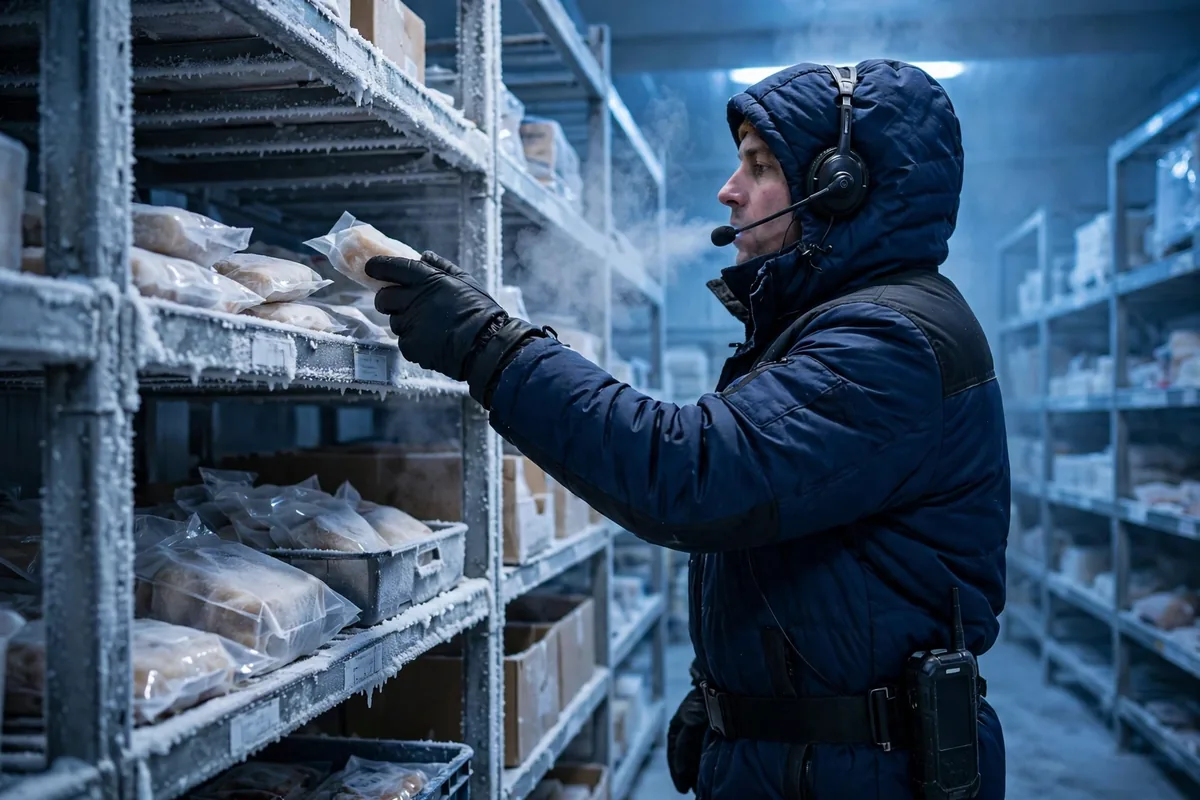
And one more: the most dangerous moments in a cold chain aren't mid-ocean. They're the handoffs. A reefer at sea is at its most stable. At the port, the container comes off the vessel, gets dragged to the cold store, gets split onto trucks — every handover is a breakage risk. Fruit standing exposed between cold store and truck for half an hour picks up condensation, and mold gets its chance. So when you judge whether a cold chain is reliable, don't just look at the shipping line. Count the handoffs, and ask whether each one has a proper cold handover procedure.
Three Recommendations for Anyone Importing Egyptian Citrus
First, pin down pre-cooling. When you negotiate with the supplier, write the pre-cooling standard into the contract: how soon after picking the fruit must enter the pre-cooling room, and what pulp temperature it must reach before boxing. If pre-cooling fails, no reefer in the world can save the shipment afterwards.
Second, leave slack in the sailing schedule. The Egyptian citrus peak runs in winter, which is exactly when European ports are busiest, and customs queues are routine. Don't book against the supermarket's shelf date — leave a few days of buffer. Buffer costs far less than a broken chain.
Third, buy the right breakage cover. Read the cold chain insurance carefully: does it cover reefer power failure, temperature excursions, destination port delays? Anything not written in the policy is not covered. The premium is small money; a written-off container is big money.
One line to close: the Egypt citrus export cold chain earns its money on the winter gap and bets it all on temperature held steady the whole way. Keep the temperature steady, and fruit from the Nile Delta lands safely on European supermarket shelves. Break it once, and you may lose more than a container — you may lose the whole season.
By Lao Zhou, Logistics Cost Analyst