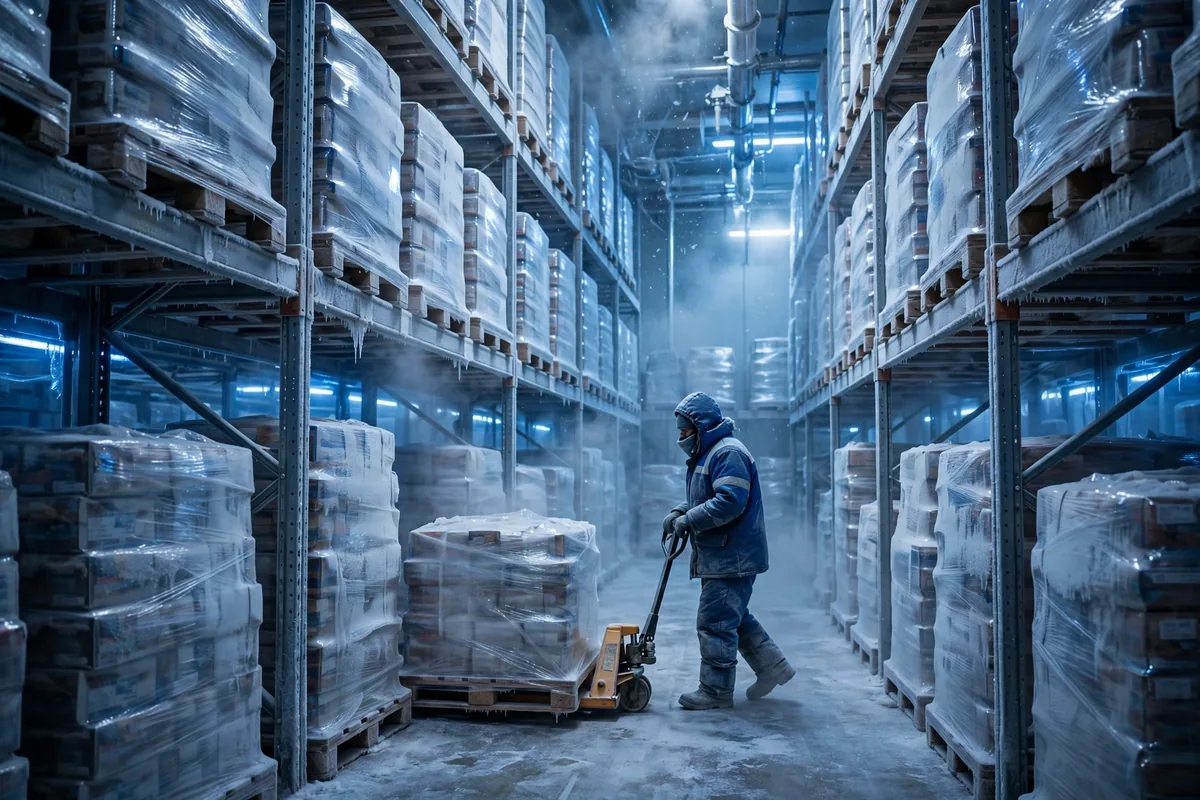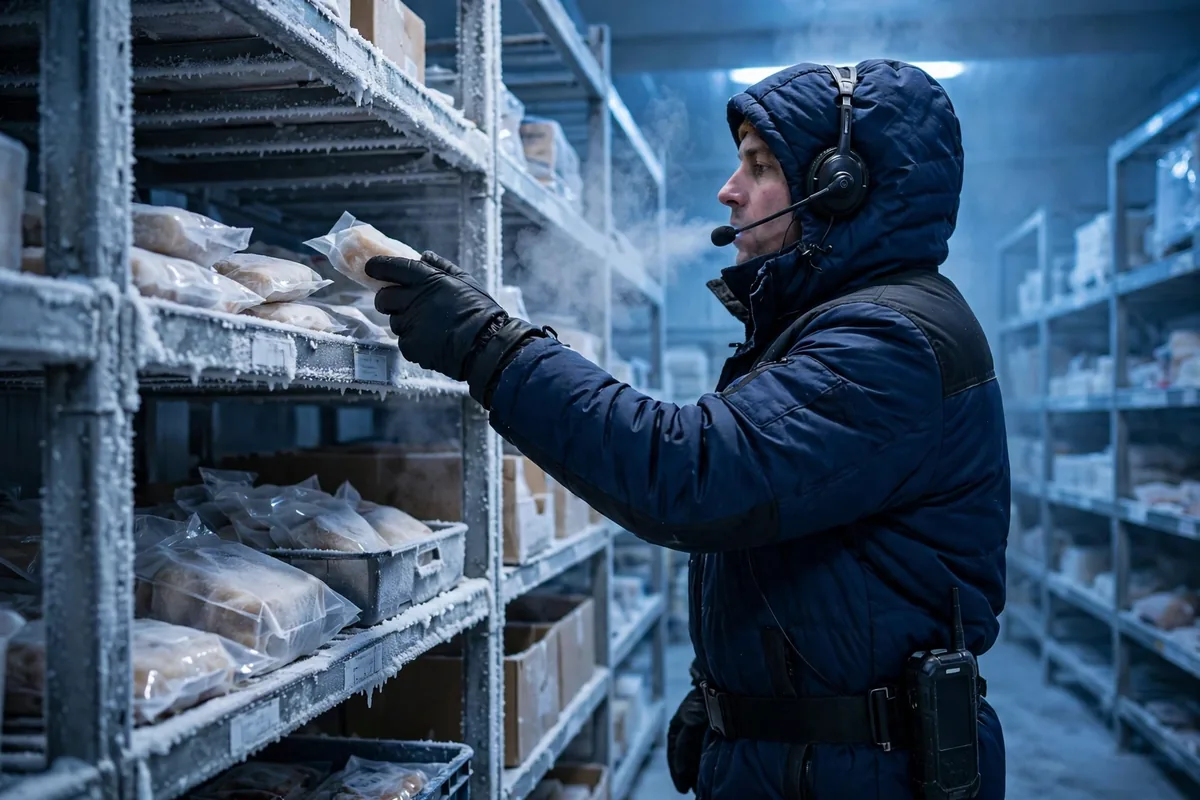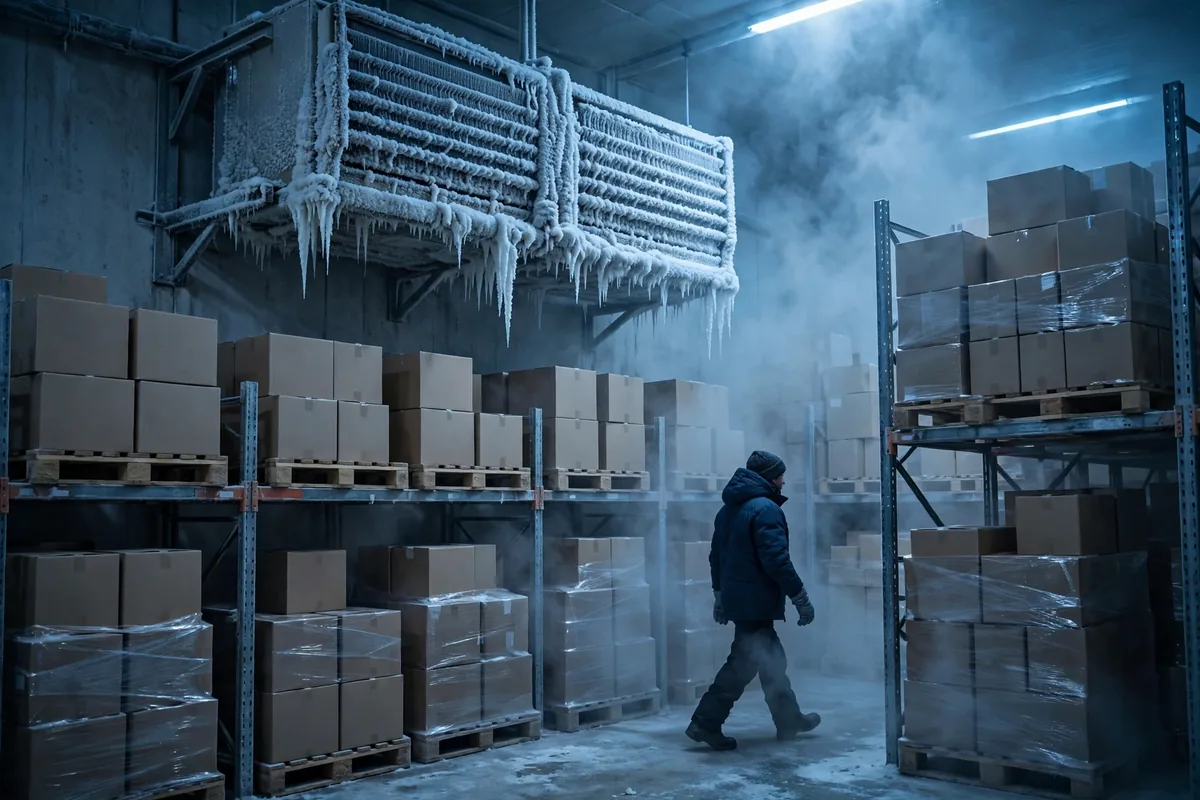
Let me put the conclusion up front: the Ecuador white shrimp export cold chain is not decided by who owns the coldest warehouse. It is decided at the handoff points. Frankly, shrimp are usually fine while they sit in the pond, in the plant, or inside the container. The trouble starts in the hours when one pair of hands passes them to the next. A container door opens and closes, a form changes hands, and the temperature quietly slips away. By the time the buyer opens the box at the destination port, blackened heads, discoloration, and mushy texture are already written into the shrimp. There is no fixing them after the fact.
There are two sides to this, and I always start with the cost side. Spending money to protect temperature looks like a cost, but what it really buys is certainty. Skipping pre-cooling, skipping container checks, skipping signatures at handoff looks like saving effort, but what it really does is bet a whole container on luck. I have seen too many owners who count warehouse rent down to the penny and then wave through the handoff points without a second thought. The rent is visible money. A container that gets downgraded or rejected is the invisible money, and it is always bigger. Money spent protecting temperature goes out the front door; money lost on a rejected container goes out the back, and the two are never the same size.
I have seen too many shipments fall apart at the harvest step. One farm in Guayas province pulled shrimp at four in the morning and left them sitting in baskets at the pond bank while the truck was still being loaded. The load did not reach the processing plant until ten that morning, and by then the shrimp were already warm. The plant rinsed them down and ran them through the line anyway. Grading looked acceptable, freezing looked normal, and the container sailed on schedule. At the destination port, the buyer opened the container for inspection and found darkened heads across the sample. The whole container was downgraded. The farm blamed the plant, the plant blamed the truck, and the freight forwarder blamed everybody, but when we pulled the temperature records, the gap was right there: nothing covered the hours between harvest and plant arrival. Nobody could say where the shrimp had warmed up. A handoff with no record is a handoff where everyone pays and no one learns anything.
Another plant I worked with did the exact opposite, with roughly the same equipment. Shrimp went into ice water the moment they left the pond. Baskets were filled to about eighty percent, never heaped. The truck's hold was pre-cooled before loading, and the driver handed over a temperature slip before a single basket came off the truck. On the grading line, one person watched head color and broken segments and nothing else. Graded shrimp went straight to the freezing line without touching the floor, and frozen product went straight into the cold store, stacked by container number. On loading day, the plant manager stood at the container door and checked three things before signing: the container number, the temperature setting, and the seal number. That shipment cleared inspection at the destination on the first try. Same kind of equipment, same kind of shrimp. The difference was people, paper, and signatures at every transfer.
Where the Ecuador White Shrimp Export Cold Chain Actually Breaks
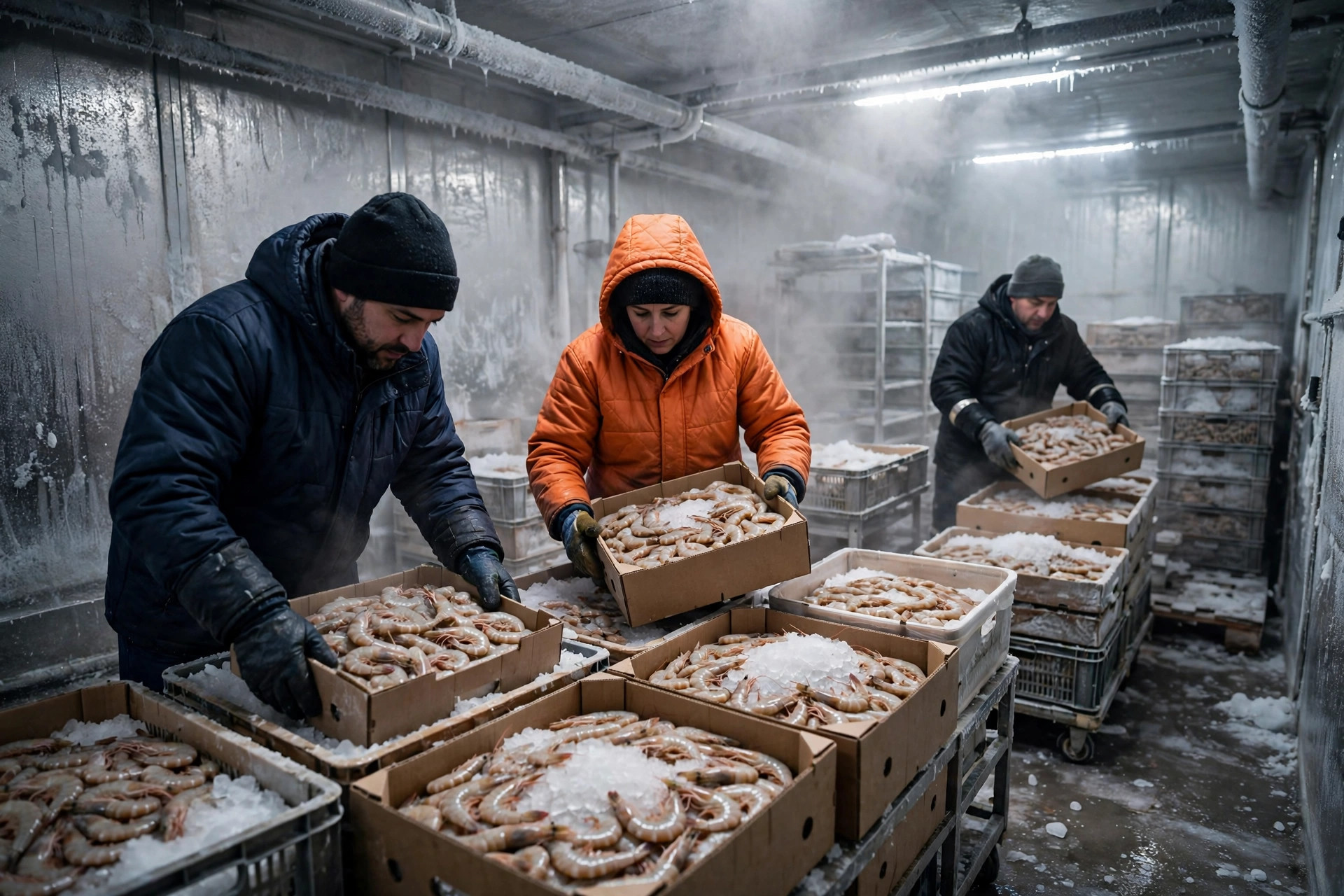
The first break is at the pond bank. The clock starts the second shrimp leave the water, so pre-cooling does not begin at the plant. It begins at harvest. Baskets packed too full, a truck that was never pre-cooled, and a long wait at the pond bank add up fast. The fix is unglamorous but it works: shrimp into ice water on harvest, baskets not overfilled, truck hold checked cold before loading, and no idle waiting at the pond bank once the load is ready.
The second break is at the plant gate. When the truck arrives, the temperature slip comes first and unloading comes second. That order matters, and it cannot be reversed. If the count is right but the temperature is wrong, the load should not go straight onto the line. Plenty of plants unload first and fill in the form later, which means the form is fiction. The plant gate is where temperature responsibility passes from the transporter to the processor, and the transfer slip should record the time, the temperature, and the truck number, signed by both sides. Without that slip, every later argument is just opinion.
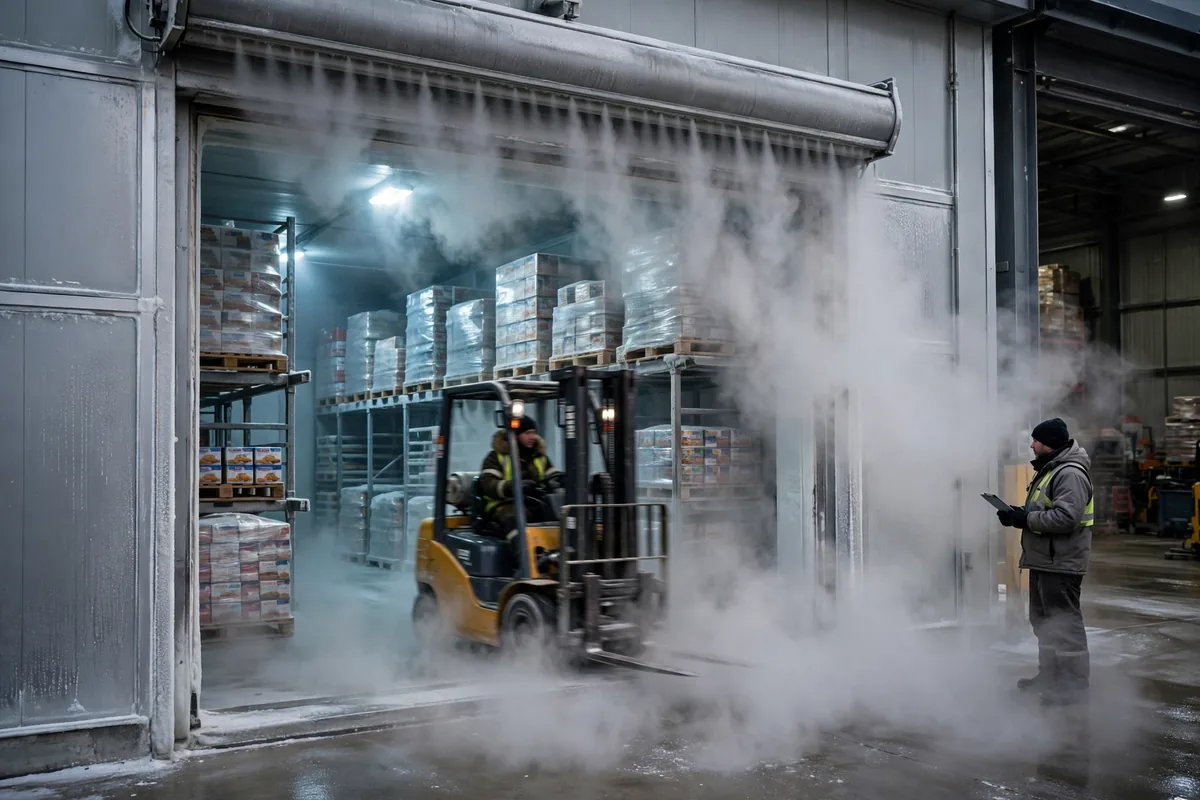
The third break is at the container door. Frozen shrimp come out of the cold store and go into the reefer, and three things need checking on the spot: whether the container itself is already pulled down to its set temperature, how long loading takes, and whether the seal number matches. While the container waits at the port for its vessel, someone needs to confirm it stays plugged in and gets checked on rounds, and that needs to be on the handoff sheet too. Once the doors close, the voyage depends entirely on the set temperature and the refrigeration unit. Nobody can open the box mid-ocean to fix anything, so the container door is the last place where human hands can still change the outcome.
Paperwork deserves its own rule. A temperature record that lives only on one person's phone is not a record, and a copy that stays only at the plant is not much better. My rule is two copies: one travels with the container, one stays filed at the plant, and each copy carries four items with no exceptions: container number, time, temperature, and signature. When a destination inspection turns into a dispute, you argue from the records first and about money second. A plant with complete records negotiates from strength. A plant with gaps in its records ends up accepting whatever the buyer decides. Grading notes work the same way: head color and broken segments get written down on the line, with the grader's name on the shift record. Records feel like hassle on a normal day. On a bad day, they are the only evidence you have.
Ecuador White Shrimp Cold Chain: Counting by the Container, Not the Carton
When you run the numbers, do not start from one carton. Start from one container. A problem in one container costs you one container, not one carton. The labor for pre-cooling, the power for pre-cooling the truck, and the minutes spent signing transfer slips all add up to far less than a single downgraded container. This is the comparison I use when I sit down with plant managers:
| Approach | What it skips | What it actually costs | | No pre-cooling at the pond, cool it at the plant | Labor and ice water at harvest | A temperature gap between harvest and plant that nothing later can close | | Unload first, fill in the temperature slip later | Waiting time at the plant gate | No clear temperature responsibility when something goes wrong | | Load the reefer without checking its temperature | Half an hour at the container door | An entire ocean voyage left to luck, judged only at arrival | | Check temperature and sign at every handoff | Looks slower at every step | A record at every step, so a problem can be traced to one point |
Here is the counter-intuitive part, and it is how the Ecuador white shrimp export cold chain actually behaves in practice: colder is not automatically safer. A setpoint pushed lower cannot make up for repeated door openings, long exposure, and gaps between handoffs. What damages shrimp is temperature moving up and down, not one single absolute number. Holding one steady line matters more than chasing a lower number. And the hour spent pre-cooling properly is not lost time. An hour of proper cooling at the plant buys smooth grading, stable frozen product, and a clean inspection at arrival, and it saves weeks of rework, arguments, and downgrade negotiations later.
So my rule is one sentence long: every handoff gets a temperature, a slip, and a signature. Pond bank, plant gate, container door. Hold those three points and the chain holds. Next time you take on a shrimp container, ask one question first: at the handoff points, who is signing?
By Lao Mi, Supply Chain Veteran (20 yrs)