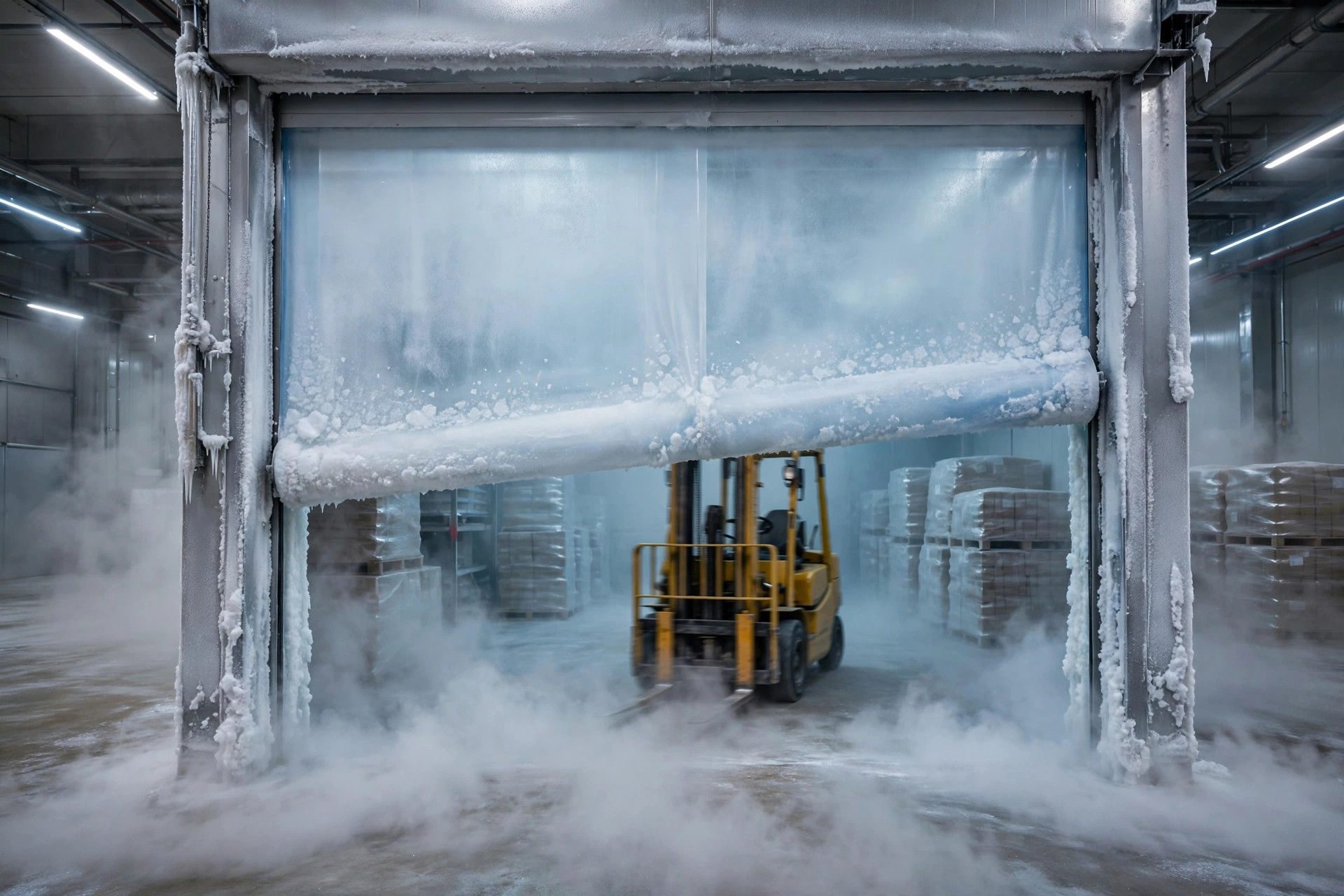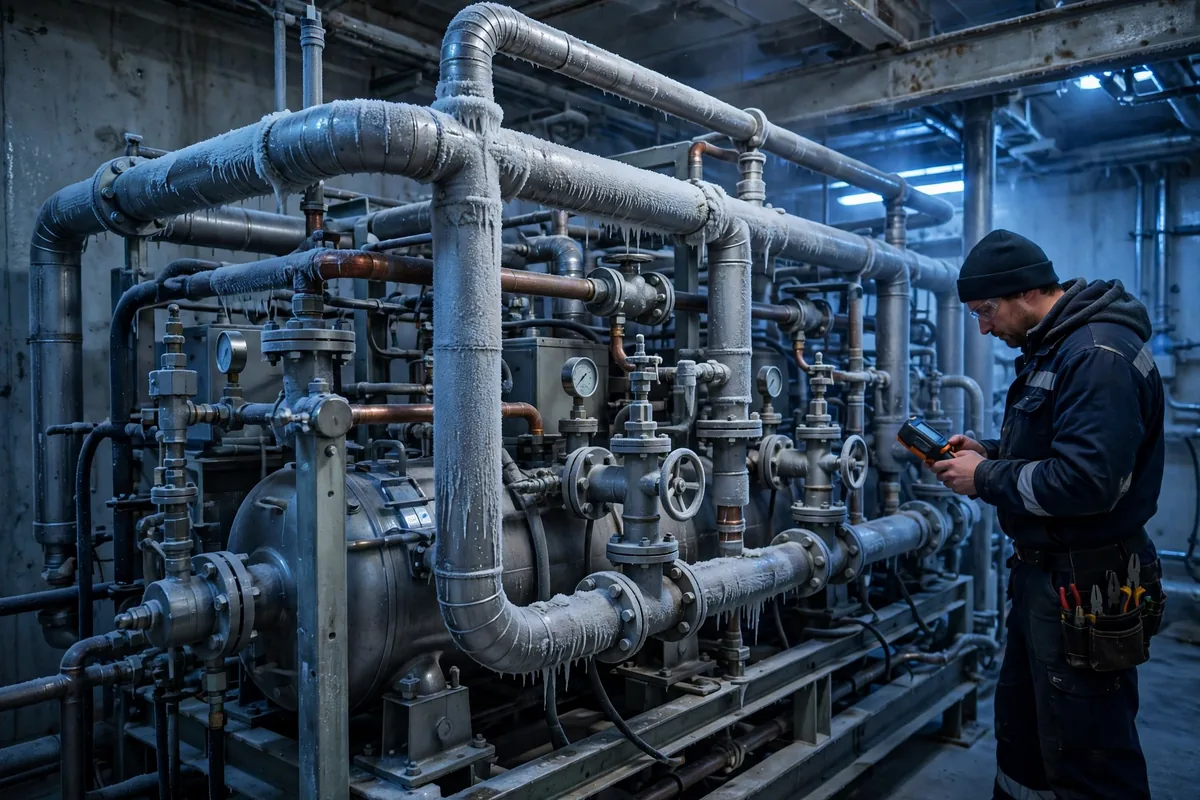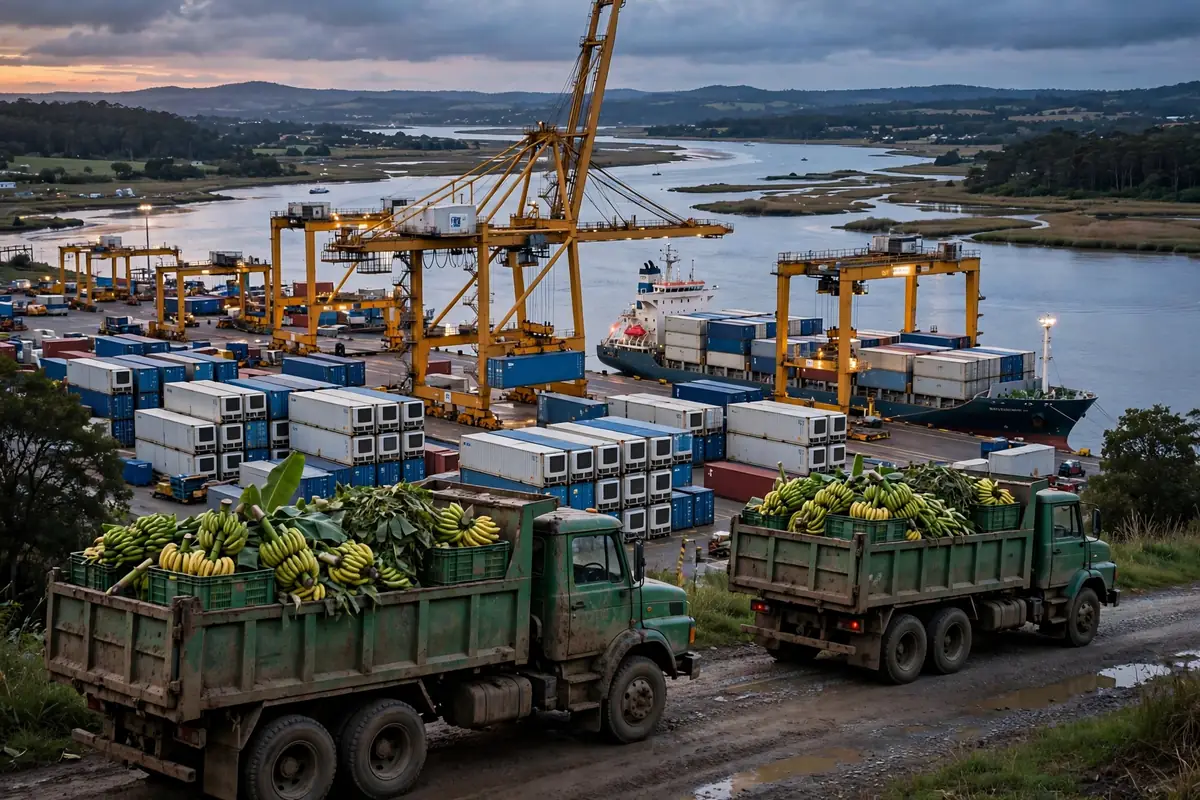
We have a client who exports bananas. A week before the 2024 peak season he called me, voice gone hoarse: his reefer containers at Guayaquil port could not get a plug, the vessel was about to sail, and his boxes were sitting in the yard under the sun. That shipment was bound for the Mediterranean. One day late, and spoilage plus penalties would land on the same invoice. He had not slept all night. I told him something blunt: nine times out of ten, your problem is not on the ship. It is on land, in how your warehouse and the port work together.
We have another client who exports shrimp, and his lesson cost even more. In 2024 he had a shrimp shipment chasing a sailing, and the vessel lost a day at a city terminal because of draft limits on the river. Plug fees and storage charges kept running, the shrimp lost a grade, and the buyer deducted money on the spot. Afterwards he complained to me that the port was right next door, yet his cargo felt like it had travelled halfway around the world. I only said one thing back: you are treating the port as a single point. It never was one.
Guayaquil Port Is Not One Port: Three Terminals and a River
People say "Guayaquil port" as if it were one place. In reality it is a set of terminals plus a river. Inside the city sit two container terminals, Contecon and TPG, close to downtown, and vessels reach them up the Guayas River, where draft is limited. Further south lies Posorja, DP World's deep-water port, with far deeper draft. In 2024, TPG handled 801,506 TEU and served 342 vessels; Contecon moved 858,068 TEU in 2023; and Posorja set a record in 2024 with 955,728 TEU. In the World Bank's May 2024 ranking, DP World Posorja was the 3rd most efficient port in Latin America and the Caribbean and 37th worldwide.
The numbers tell a plain story: big vessels, deep water and efficiency favour Posorja; proximity to shippers, packing plants and city warehouses favours the city terminals. The choice is never about whose ranking looks better. It is about where your cargo comes from, where it is going, and what it fears. Bananas fear heat, shrimp fear a broken cold chain, cocoa and flowers fear crushing and crowding, tuna fears time. Each cargo's fear points at a different terminal.
Peak season adds another variable: the banana and shrimp export peaks often collide. Trucks queue at the packing plants, trucks queue into the port, reefer plugs queue, and when the vessel schedule tightens, everything tightens at once. At that moment the contest is not about the lowest freight rate. It is about who got their containers into the yard and plugged in early. Our banana client learned that the hard way. Now, in peak season, he delivers containers three days early and would rather pay a few extra days of storage than gamble on a last-minute plug.
The Cold Chain Math: Plugs Cost More Than Space
Bananas and shrimp are the two pillars of Ecuador's exports, joined by flowers, tuna and cocoa — almost all of it cargo that fears heat and delay. The clock starts burning money the moment a reefer leaves the warehouse. Too many shippers stare at the ocean freight and forget the daily plug fees, yard storage and demurrage inside the port. When plugs run short, containers queue for power, the cargo inside slowly degrades, and penalties tick up by the day, with the buyer deducting for quality on top.
Here is the counterintuitive part: the terminal closest to downtown is not necessarily the cheapest for cold chain. The city terminals save you trucking distance to your packing plant, but once peak-season plug queues appear, a few days of storage charges eat those trucking savings whole. Posorja is further away, so the truck runs longer, but plugs are plentiful, vessels are bigger, schedules are steadier, and once cargo is loaded it sails. The total bill often comes out lower. In our business, the cheapest line on a quotation is very often the most expensive line in the final cost — clients think I am trying to scare them until they have paid demurrage once themselves.
The table below is the comparison I walk clients through. The figures are an illustrative scenario, not any terminal's official tariff:
| Factor | City terminals (Contecon / TPG) | Posorja deep-water port (DP World) |
|---|---|---|
| Vessel size and draft | River draft limits large vessels | Deep-water berths, large vessels berth directly |
| Recent volume | TPG about 800,000 TEU in 2024 | About 955,700 TEU in 2024, a record |
| Distance to city warehouses | Short, cheap trucking | Longer trucking leg |
| Reefer plugs in peak season | Tight, deliver containers early | Plugs and yard space comparatively ample |
| Best suited cargo | Consolidations, short-turn cargo | Large reefer export volumes, full-vessel loads |
How to use this table? Look at your volume and your cargo. Small volumes, frequent consolidations and constant trips to city warehouses suit the city terminals. Large reefer volumes, full export batches and tight big-vessel schedules suit Posorja. The worst move is to ignore the nature of your cargo, pick whichever quote is lowest, and put a whole year's volume on a single terminal — then peak season arrives and you have no backup at all.
Negotiating With Guayaquil Port: Ask These Three Questions
Our shrimp client came back in early 2025 with another export order, and this time he was smarter. The contract spelled out the latest time reefer containers had to enter the port, a plug-availability guarantee, and how demurrage would be split. The carrier pushed back at first and thought he was being difficult. In the end they signed — because he was holding Posorja sailings as his alternative, and that gave him leverage at the table. The shipment moved without a single incident. He later took me to dinner and said it cost far less than the penalties on his previous order.
So if you ask me how warehouse and port linkage at Guayaquil port really works, my answer is three questions. First: what is the latest time reefers enter the port, how are plugs guaranteed, and is it written in the contract? Second: who pays demurrage and storage, and is there a cap? Third: if the sailing slips, what is the backup plan, and can the other terminal take over immediately?
Think through the answers before you ask the questions, and then the contract is worth negotiating. A contract you cannot ask those questions about is a hole you are digging for yourself.
Next time you negotiate a contract, ask these three questions.
By Susan, 3PL Sales Director