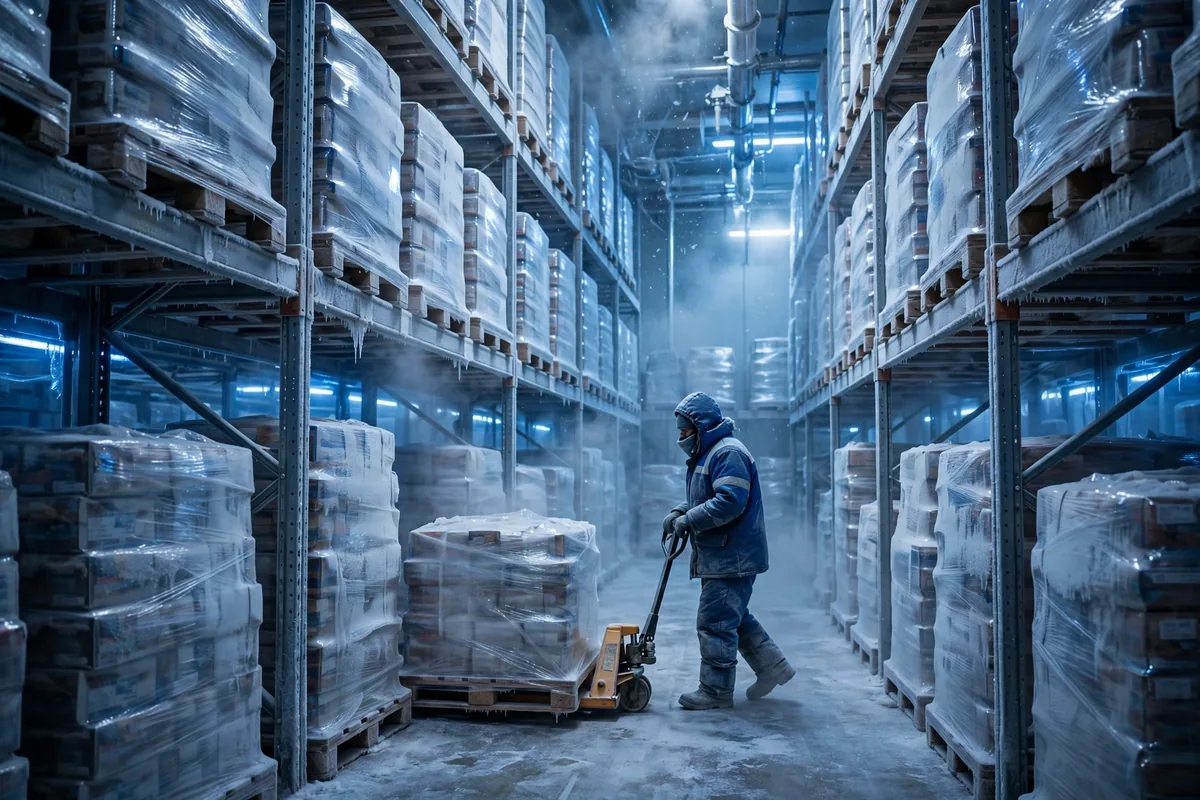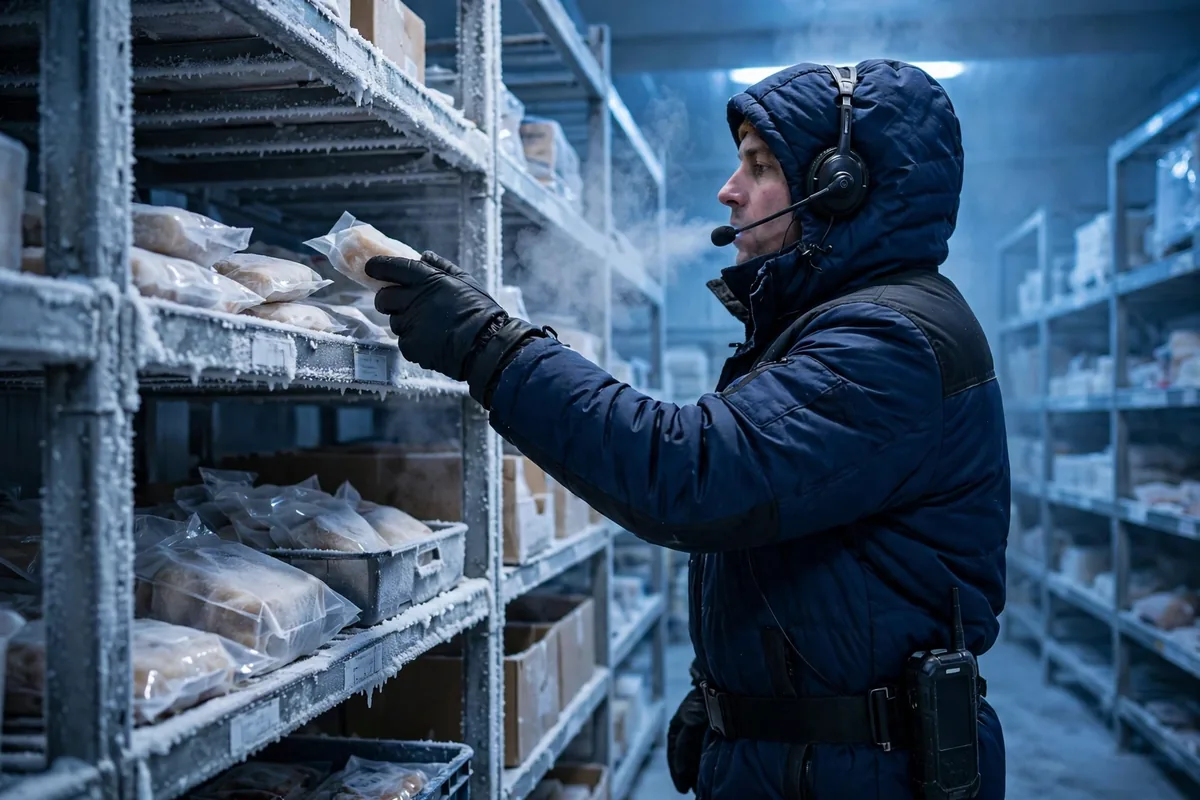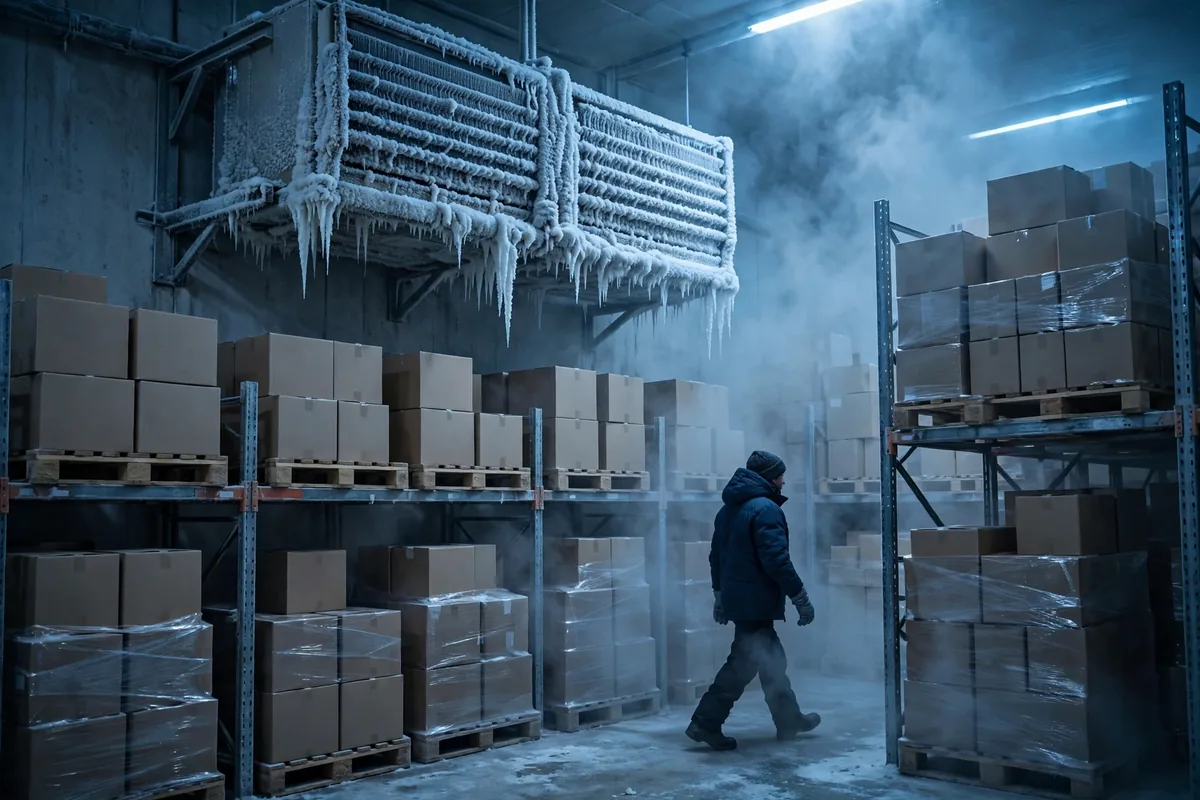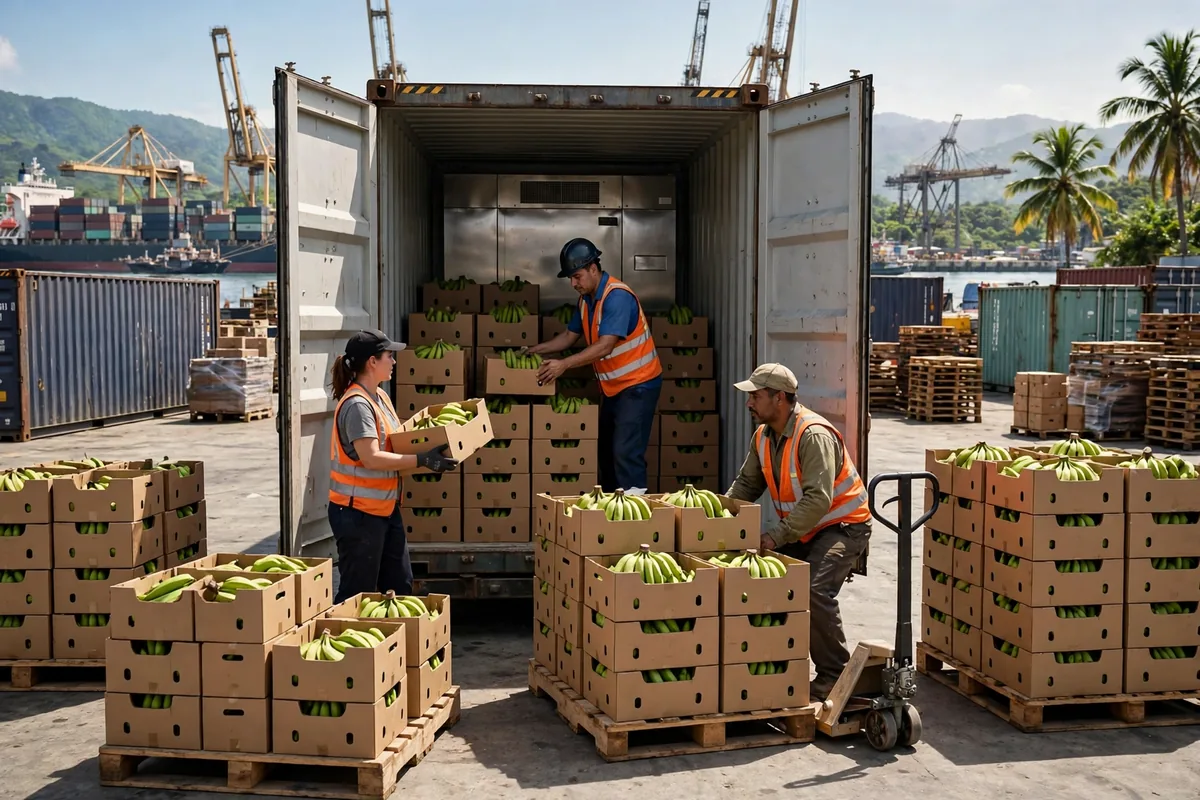
We have a client who has spent over a decade in Ecuador banana export warehouse operations, loading reefers out of Guayaquil for China. In October 2024, one of his 40-foot reefers arrived in Shanghai, and when the doors opened, the crown of almost every hand had turned black, the cartons were damp, and the buyer cut the price on the spot. He called me and asked whether the shipping line's reefer had broken down. I told him not to blame the line yet — pull the loading-day temperature log first. The problem was not at sea. It was on the day the box was loaded.
The figures below are a hypothetical example, just to show the arithmetic: about 1,000 40-lb boxes, assumed at $22 a box on arrival, put the container at about $22,000. The buyer took the fruit as second grade and assumed $3 less a box — $3,000 gone on 1,000 boxes. Inspection, devanning, and re-sorting came on top. That money would have paid for several days of cold storage in Guayaquil.
The log showed the reefer had gone to the packing shed empty, with the inside at around 27 degrees, and the bananas were loaded warm, straight from the field. A reefer holds a temperature; it is not a blast freezer. Pulling a full load from the mid-20s down to 13–14°C takes a long time, and meanwhile the fruit keeps giving off heat and ethylene. The warmer it stays, the faster it ripens. By Shanghai, the blackening was not one or two boxes. It was the whole load.
He changed the routine on the next booking. The fruit spent the night in the packhouse pre-cooling room, came down to around 14°C before loading, and the reefer was pre-cooled at the port before it arrived at the shed. At Shanghai, only a few hands showed any black crown. Same lane, same farm — only the temperature before loading had changed, and the money moved from the loss column to the profit column. (Outcome in this paragraph is a hypothetical scenario.)
Ecuador is the world's largest banana exporter. Public trade statistics put 2024 exports at about 6.25 million tonnes, worth about $3.6 billion — roughly 25% of world banana exports. Production that year was about 7.59 million tonnes, and exports ran to about 346 million 40-lb boxes. That volume does not rest on one farm. It rests on a chain — orchard, packhouse, cold store, port, reefer — and when one link breaks, the whole container pays.
When a box turns black, the loss is bigger than the fruit
People who have never handled a claim think a black banana is a cosmetic problem. The bill comes in layers. The fruit sells at a discount. Then the fees arrive — inspection, devanning, sorting, extra cold storage — and they can add up to more than the discount itself. Then there is the buyer. One bad container makes the next order harder to win, and a buyer who has been burned once starts shopping around. Add those together and a black container costs far more than the price cut on the boxes.
Take a second job, from a packhouse in Los Ríos province in 2024. The times and temperatures here are a hypothetical scenario, used to show what a few hours cost. Fruit picked in the morning was packed by two in the afternoon and did not reach the cold store until eight in the evening — six hours at ambient temperature in the shed. It went into the reefer the next day before the pulp temperature had come down. Another lot from the same farm went into pre-cooling within three hours of picking, came down to around 14°C before loading, and arrived with almost no black crown. Same farm, same fruit. The difference was those six hours after picking.
The road to Guayaquil matters too. In a hypothetical scenario, fruit leaving a packhouse three hours from the port still needs loading time, paperwork, and a queue at the gate, and every hour at ambient temperature is an hour the reefer has to recover later. A booking that looks fine on paper can fail because nobody counted the hours between the packhouse door and the reefer door.
Ecuador banana export warehouse costs: where the money really goes
Here is the counterintuitive part: colder is not better. Bananas are hurt by cold. Below 13°C, held long enough, they suffer chilling injury — the peel blackens and the flesh turns dry and astringent, and it looks worse than heat damage. I have watched newcomers see a warm reading and crank the set point down, then open a container in which every banana is blackened with impressive uniformity. The right sequence is to pre-cool first, bring the fruit to 13–14°C before loading, and let the reefer maintain that temperature rather than chase it.
Ethylene works the same way. The fruit gives it off as it ripens, and ripening belongs at destination, on a planned schedule, where it earns a good price. Ripening at sea earns nothing. A blocked vent or cartons stacked too tight leave the air uneven, so one end of the container ripens faster than the other. Opening a box that is fine at one end and black at the other is the hardest thing to explain to a buyer. Ventilation, temperature, and loading time have to be managed together; watching the thermometer alone is not enough.
Check the reefer itself before loading. When the empty box arrives at the shed, look at the set point — is it 13–14°C, and has the inside air actually reached it? Make sure no carton is blocking the air outlet. Loading into a reefer that was never pre-cooled hands the cooling job to the voyage, and the fruit ripens while the ship is still at sea. Ten minutes of checks at the shed saves a container of claim paperwork.
Put the three approaches side by side and the difference is plain. All figures in the table are a hypothetical example, for comparison only.
| Approach | Pulp temperature at loading | Risk at sea | Hypothetical cost per container | | Load warm, straight from the field | About 26°C | High — black crown | $3,000 assumed downgrade loss | | Hold overnight at ambient, load next day | About 20°C | Medium — patchy blackening | $1,200 assumed downgrade loss | | Pre-cool to 14°C, then load | About 14°C | Low | $150 assumed pre-cooling plus $300 assumed downgrade loss, $450 in total |
The table makes the point plainly. Pre-cooling is the small money; a black container is the big money. Skipping pre-cooling to save a little gambles the value of the whole load.
Before I take a booking, I run three numbers: the pre-cooling charge, the downgrade loss if the fruit arrives warm, and the storage charge if the vessel slips. If the second number is many times the first, pre-cooling is not a cost to argue about. It is the cheapest insurance on the booking.
Ecuador banana export warehouse contracts: three clauses to fight for
In Ecuador banana export warehouse work, the most expensive sentence in a contract is often not the price — it is the clause that leaves responsibility unclear.
Pre-cooling terms need hard numbers. The contract should state the temperature the reefer must reach before loading, who measures it, and when. 'Maintain the cold chain' is not a term. Without a number, a dispute turns into two stories.
Inspection and liability need a named standard. Black crown, chilling injury, damp cartons — each needs a stated test, a named inspection body, and a rule on who pays for the inspection. 'Industry practice' helps nobody when a claim is on the table.
Delay and storage need agreed prices. If the vessel is late, how many days of free cold storage apply, what does each extra day cost, and is there a cap? Agree those figures before the container is sitting at the port, not after.
Next time you negotiate a contract, ask these three questions: What temperature must the reefer reach before we load? What standard decides who pays when the crown turns black? How many free days of cold storage do we get if the vessel is late? Get clear answers to those three, and you have already won half the battle over black bananas.
By Susan, 3PL Sales Director