Here is my verdict up front: bananas are the least forgiving cargo in the cold chain world. 13.3°C — miss it by one degree, and the whole container is finished. That is the unvarnished reality of the ecuador banana export reefer cold chain: from orchards around Guayaquil to supermarket shelves in Europe, thousands of miles with essentially zero margin for error.
Full disclosure: bananas are not my home turf. I have spent 20 years in US warehousing — cold storage, automation, 3PL, I know them cold. I have never worked a banana plantation in Ecuador. But cold chain math is universal — temperature, time, and ethylene do not respect borders. So here is a veteran's read on an unfamiliar chain, with the numbers to back it up.
Ecuador Banana Export Reefer Cold Chain vs. Blueberry Cold Chain: Two Opposite Jobs
Most people think cold chain means "keep it frozen." Frankly, that is dead wrong. The banana cold chain and the blueberry cold chain have opposite objectives:
| Bananas | Blueberries | |
|---|---|---|
| Setpoint | 13.3°C | -0.5 to 0°C |
| Goal | Hold back ripening — don't let it ripen | Preserve — don't let it spoil |
| Ethylene | Extremely sensitive, must be vented out | Relatively insensitive |
| Biggest enemy | Premature ripening, chilling injury | Freezing damage, moisture loss |
Blueberries need time frozen. Bananas need time suspended — held in an unripe state all the way to Europe. That is why the setpoint is the oddly specific 13.3°C: DHL's food logistics team calls 13.3°C "the magic number." Drop below 12.8°C and bananas suffer chilling injury — grey peel, and they will never ripen properly again. Rise above 14°C and ripening runs out of control, the whole box turning yellow early. One degree of room on each side — that is the entire operating window of the banana cold chain.
Every solution has two sides: run one degree colder and the refrigeration unit burns less power; run too cold and the entire container is scrap. People running banana cold chains walk that tightrope every single day.
Too Many Containers Die on Land
Let me tell you about a wreck I still remember — not my container, but a shipment from a friend who imported South American fruit. An Ecuador box arrived in Rotterdam; the doors opened on bananas that had turned fully yellow ahead of schedule. Color arrived, firmness didn't. The European buyer rejected the lot.
The investigation cleared the ocean leg. Six to twelve days at sea, temperature log a flat line at 13.3°C — textbook. The failure happened on land: the packing plant was rushing that afternoon, boxed bananas sat an extra half day in the yard, field heat never got pulled out before stuffing, and the fresh-air vent was set conservatively, so ethylene stewed inside the box the whole voyage.
Bluntly: the most dangerous leg of the cold chain is not the 6–12 days across the Atlantic. It is the 48 hours from orchard to stuffing. Once the box is on the vessel and plugged in, that is paradoxically the safest phase. What kills a banana container is always carelessness on land.
DHL's food logistics specialists draw a 21-day red line: count from harvest, and past 21 days the risk of the fruit "tipping over" spikes sharply. That shipment ran 24 days door to door — three days over. Those three days wrote off the cargo value of the entire box.
The Handoff Ledger: Farm, Packhouse, Port, Ocean
That four-leg ledger is the entire playbook of the ecuador banana export reefer cold chain. Every handoff has a time lock. Drop one baton and the race is over.
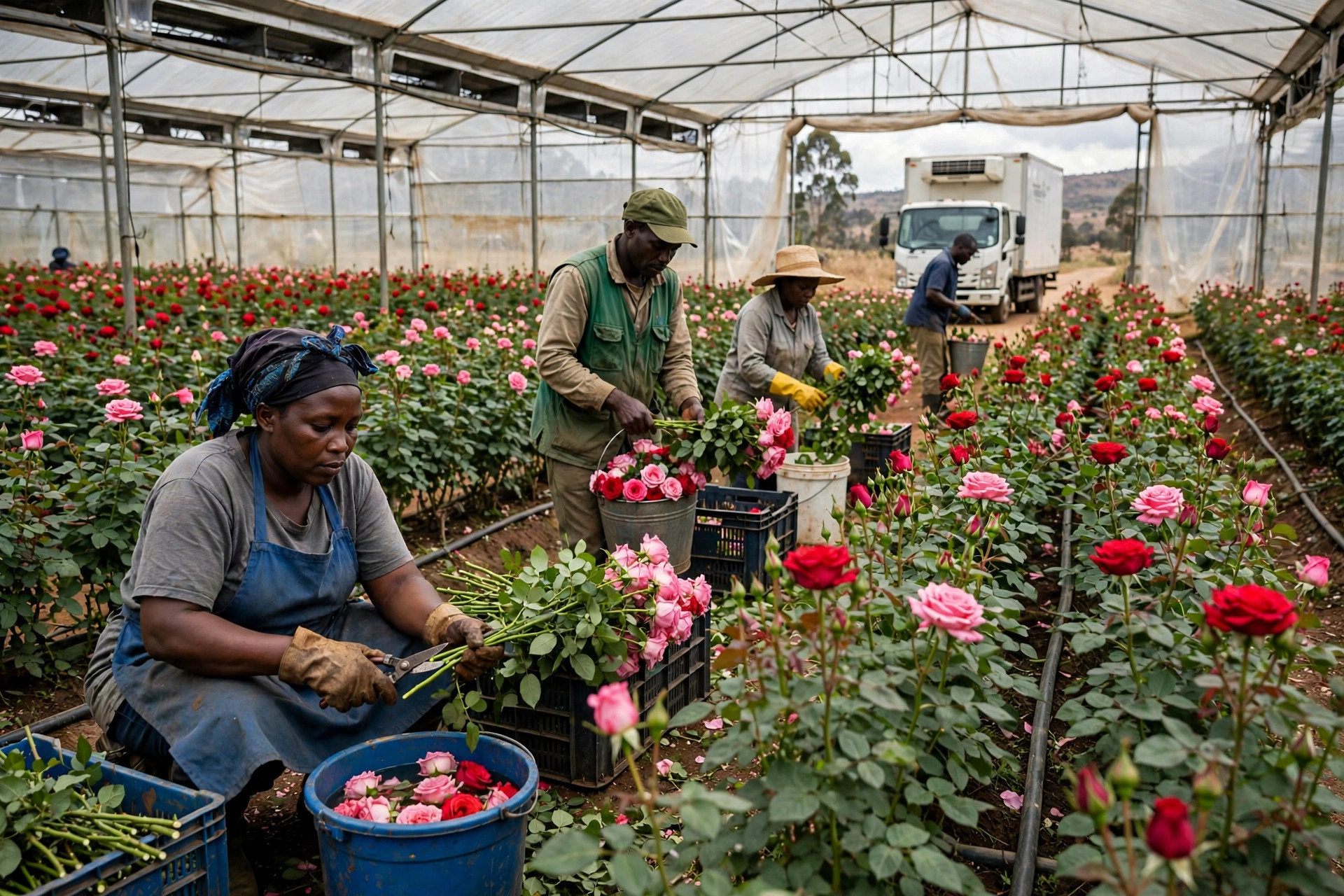
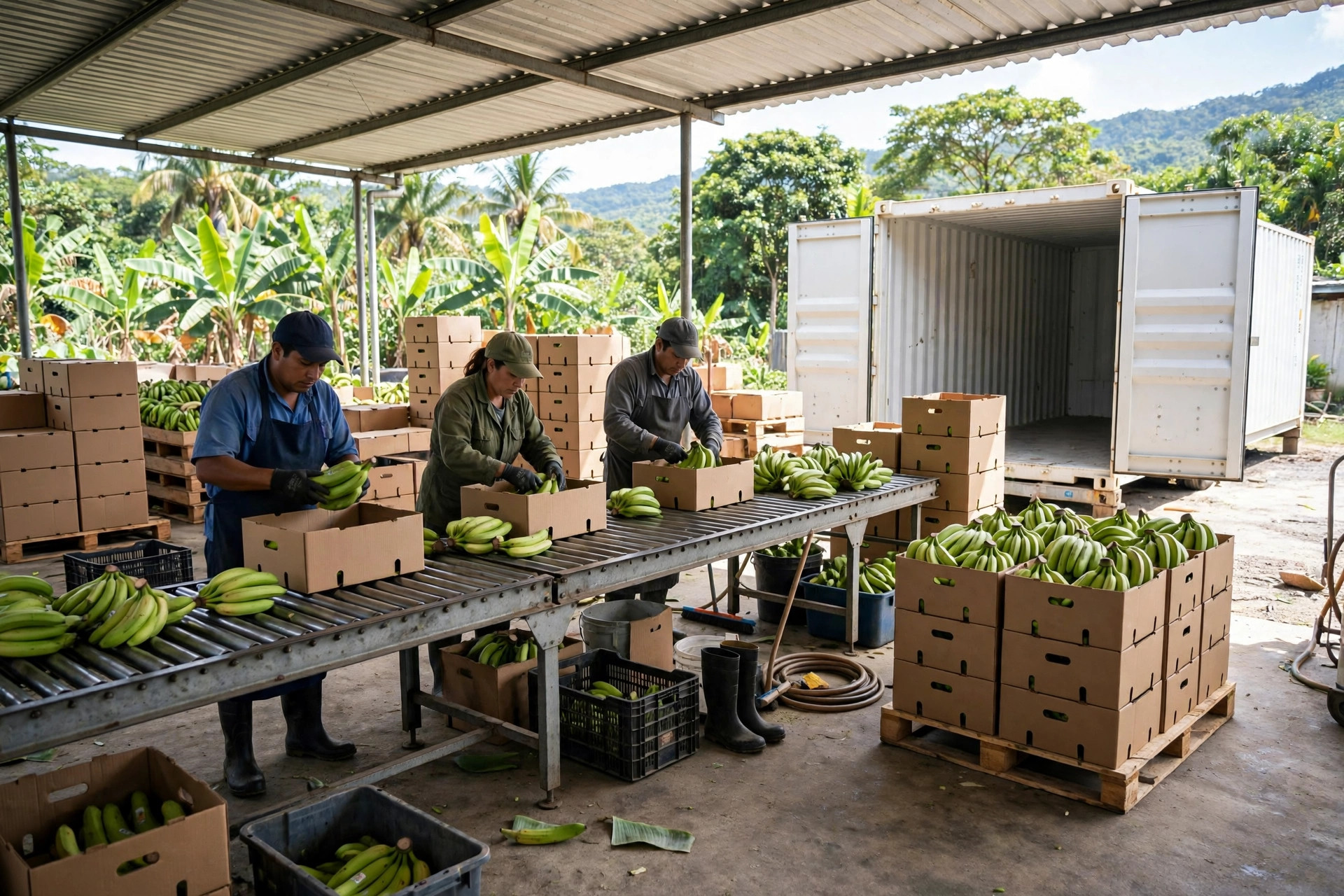
Leg one, orchard to packhouse. Within 20 hours of cutting, the fruit must be under refrigeration — that is a hard clause in banana export FOB contracts. Field temperatures run 30–35°C, and pre-cooling has to drag pulp temperature down to 13°C within 6–8 hours. The tropical midday sun waits for nobody; an extra half day in the heat spends down "green life" before the journey even starts.
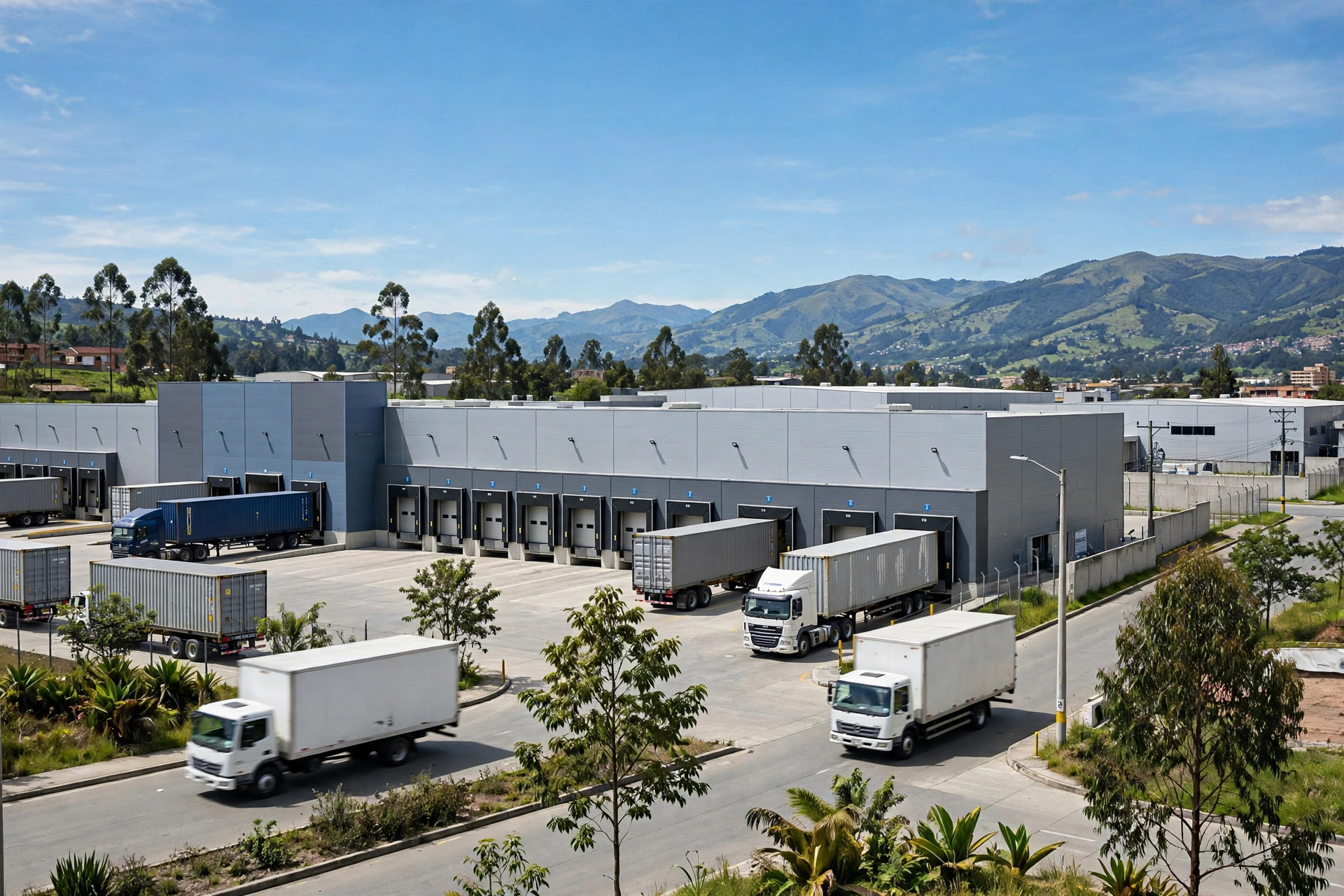
Leg two, packhouse to port. The orchards around Guayaquil are not far from the docks, but the transfer needs reefer or insulated trucks. This leg gets underestimated the most: short distance, so people think "we can tough it out" — and that attitude is exactly where chains break.
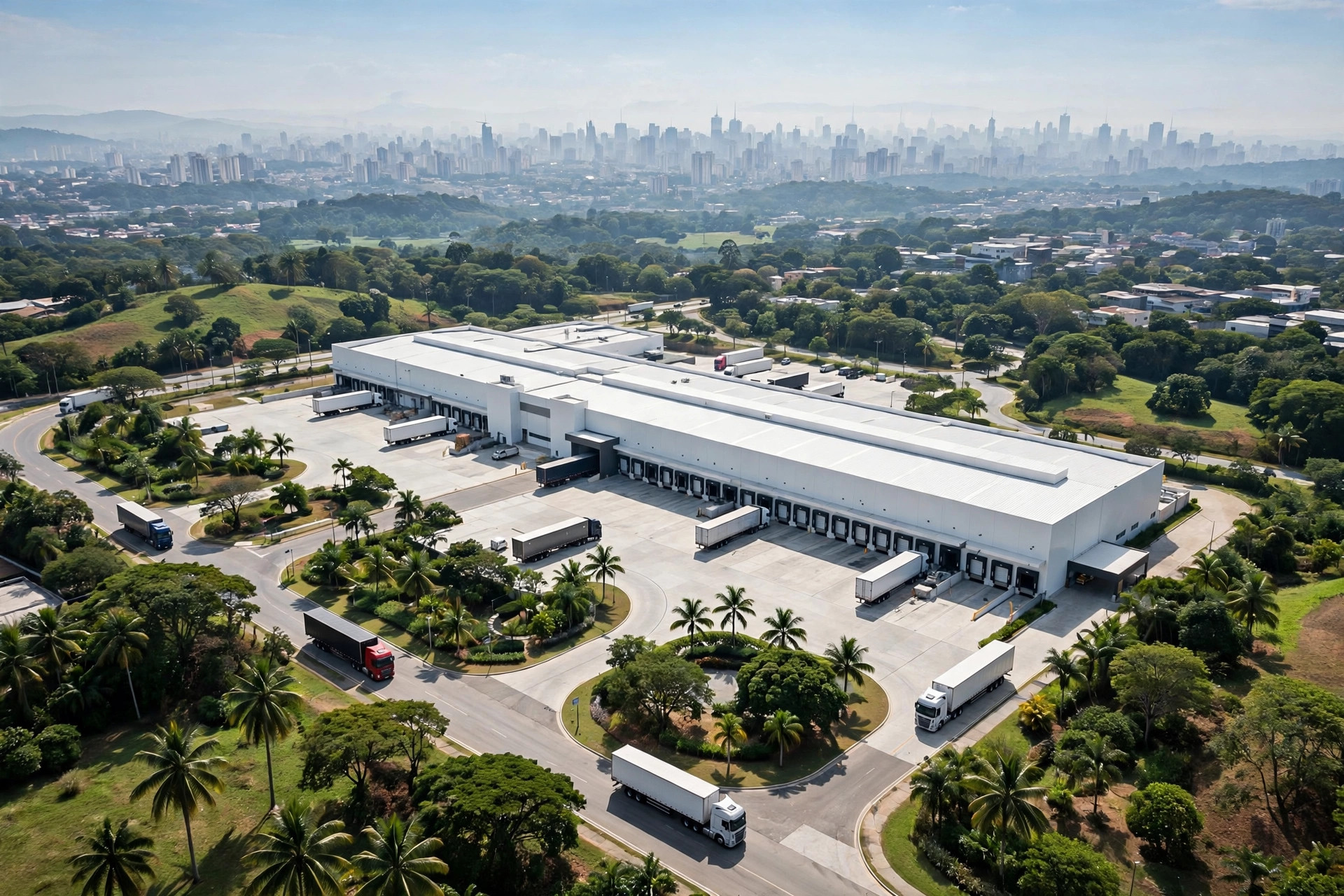
Leg three, the port. This deserves a closer look at DP World's Posorja terminal — Ecuador's first fully greenfield deep-water port, with cold chain infrastructure built around bananas and shrimp: 2,457 reefer plugs keeping yard boxes powered around the clock, plus dedicated refrigerated inspection chambers so cargo examinations happen inside the cold room without breaking the chain. A 2026 expansion adds 900+ more plugs on a $190 million investment — a clear bid for more cold chain volume.
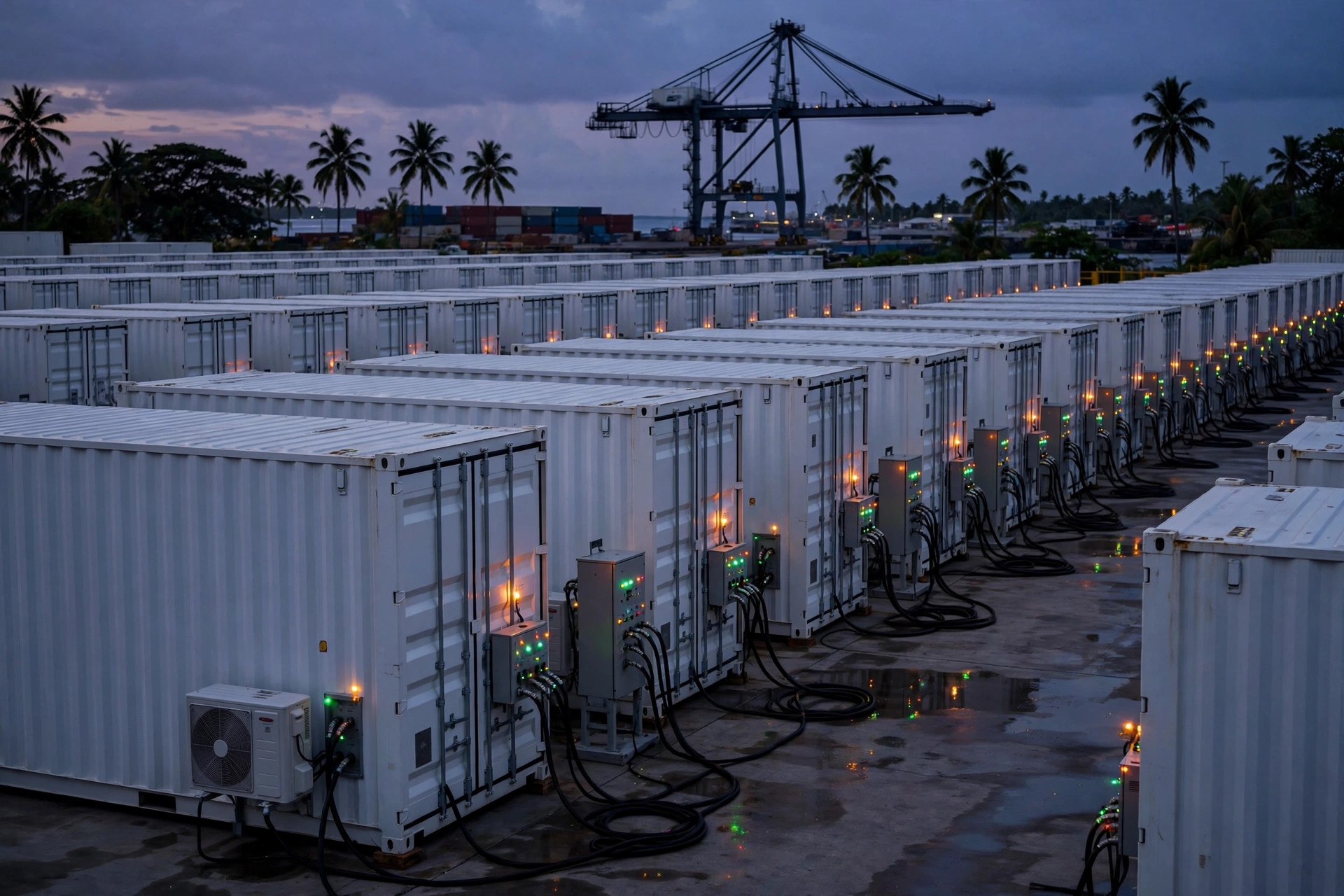
The port leg has refreshingly honest math: a fresh-chamber inspection runs $105.56 per box, yard plug power $5.46 per box per hour — published right on DP World's tariff. One hundred and five dollars to keep a container's chain unbroken. Worth it? Ask the Rotterdam container.
Leg four, the ocean. Setpoint 13.3°C, fresh-air ventilation wide open — carrier guidelines put banana air exchange at 25–60 cubic meters per hour, most lines setting around 30. Why ventilate? To flush ethylene. Bananas respire and emit ethylene, and trapped ethylene is a ripening agent. Across the Atlantic to Europe, 6–12 days, the crew watches two curves the whole way: temperature and ventilation.
There is an advanced option: controlled atmosphere (CA). Carrier's data: standard ventilated boxes hold "green life" for 2–4 weeks; CA stretches it to 4–6 weeks. The cost? Pricier equipment, trickier operation, not every destination port plays along. Two sides again: high-value cargo on long lanes justifies CA; for a standard Europe run, keep the ventilated box's air exchange maxed and spend the money where it counts.
Three Counterintuitive Truths About Ecuador's Banana Cold Chain
First, the word "cold" in cold chain is misleading. The real enemies of banana logistics are ethylene and time; temperature is just the instrument. Memorizing 13.3°C is useless — understanding why it is 13.3 is everything.
Second, ventilation and insulation fight each other. The wider you open fresh air, the cleaner the ethylene flush — but 30-degree tropical humid air flooding in sends the refrigeration unit's load through the roof. That is the trade-off: no having it both ways, only finding the balance point between ethylene concentration and energy burn.
Third, the banana business is bigger than it looks. Zoom out from one box held at 13.3°C and you see a national livelihood: El Comercio reports banana exports at over 4% of Ecuador's GDP, employing around 250,000 people directly — the FAO's count of direct workers lands in the same place. AEBE data shows 282.28 million boxes shipped in the first eight months of 2026. Behind every 13.3°C box sits an industry of that scale.
So the next time someone tells you "cold chain is just keeping things frozen," ask them this: between 13.3 and 12.8 — how much is that one degree worth?
By Lao Mi, Supply Chain Veteran (20 yrs)