Here is my verdict up front: return shipping is the loosest line item on most small and mid-size sellers' books. Every cent of outbound shipping gets scrutinized and comparison-shopped. Return labels, meanwhile, are often whatever the system defaulted to, at whatever price it defaulted to, with nobody watching. I looked at a home-goods seller doing a few thousand orders a month with a return rate under ten percent, and return freight was eating nearly a quarter of their annual logistics spend. The problem was not too many returns. It was that every single return cost far more than it should.
Returns are expensive for three reasons. First, most return labels are bought at retail rates with no discount. Second, returns go to warehouses, not storefronts, and warehouse addresses have weak negotiating leverage. Third, nobody optimizes the process: support prints a label and moves on. Third-party shipping platforms happen to solve all three. This piece covers the return side of the equation: how the major platforms handle returns, how QR-code label-free returns work, how to batch return labels, and who should actually pay for the freight.
How each platform handles returns
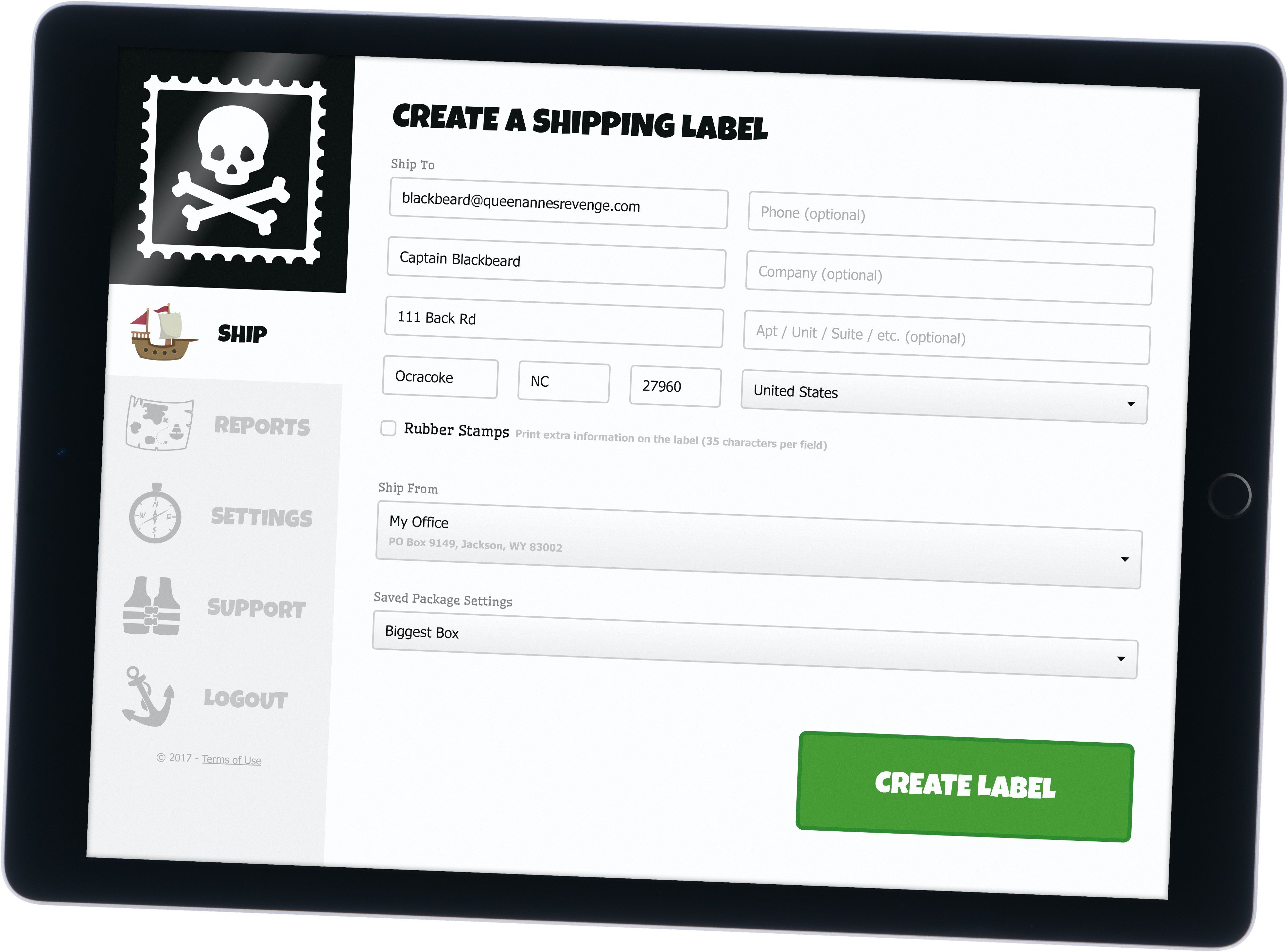
I start with Pirate Ship because it is the friendliest to small sellers: no monthly fee, free account, and you get their negotiated USPS and UPS rates out of the box. Its return logic is simple. You generate a return label from the original order, sender and recipient swap places, and the cost comes out of your prepaid balance. It is the right fit for sellers with modest return volume who want to stop paying retail label prices today. The tradeoff is that the feature set is basic. There is no sophisticated returns rules engine, and managing returns gets painful once volume grows.
Shippo takes a different approach: it turns returns into a workflow. You configure handling rules by return reason, generate a branded returns portal link, and the customer fills in the reason and prints the label themselves. Batch processing is its strength: select dozens of orders and generate return labels in one go. For sellers with medium-to-high return volume and a support team, the efficiency gain is real. Pricing is subscription plus per-label, with tiers that change, so check the latest published plans and map your monthly return volume to a tier before you commit.
ShipStation leans toward rules-based automation: you can set rules so that returns for specific reasons or specific products get auto-approved, auto-labeled, even auto-triggered for exchange. Its advantage is deep integration with marketplaces and warehouse systems. The order data is already there, so the return flow grows directly out of the existing outbound flow. The downside is the learning curve. Small teams tend to configure themselves into a mess.
The common thread: return labels on all three platforms cost less than buying at the post office counter or on the carrier's own site, because you are riding their negotiated discounts. The difference is in positioning. Pirate Ship is lightweight savings, Shippo is process efficiency, ShipStation is automation depth. Pick based on your monthly return volume and whether anyone owns returns full-time.
QR-code returns: no printer required
The most stuck step in the traditional return flow is the customer having to print a label. Customers without a printer convert at roughly half the rate. QR-code returns fix exactly this: you send a code to the customer's phone, they walk into a carrier location, the clerk scans it and prints the label on the spot. The customer brings nothing.
Both USPS and UPS support this. USPS calls it Label Broker; UPS does scan-to-print at its stores. The benefits stack three deep. First, return completion goes up and the customer experience is better. Second, you pay nothing until the label actually gets printed at the counter. If the customer never shows up, the "label" cost you zero, which is the opposite of a prepaid label that bills the moment it is created. Third, the address is pre-filled from your system, so the customer cannot misdirect the package.
But QR returns are not a free lunch. Coverage is the first reality check: customers in remote areas may not have a scan-capable location nearby, so check the carrier's location map before you promise this. Second is cost attribution: the printed label still bills to the seller's account, it just settles after the actual drop-off happens. Third, manage your timeline expectations. Customers sit on the QR code for days on average before they go in, so the return cycle runs longer than you expect.
Batch labels and the "who pays" math
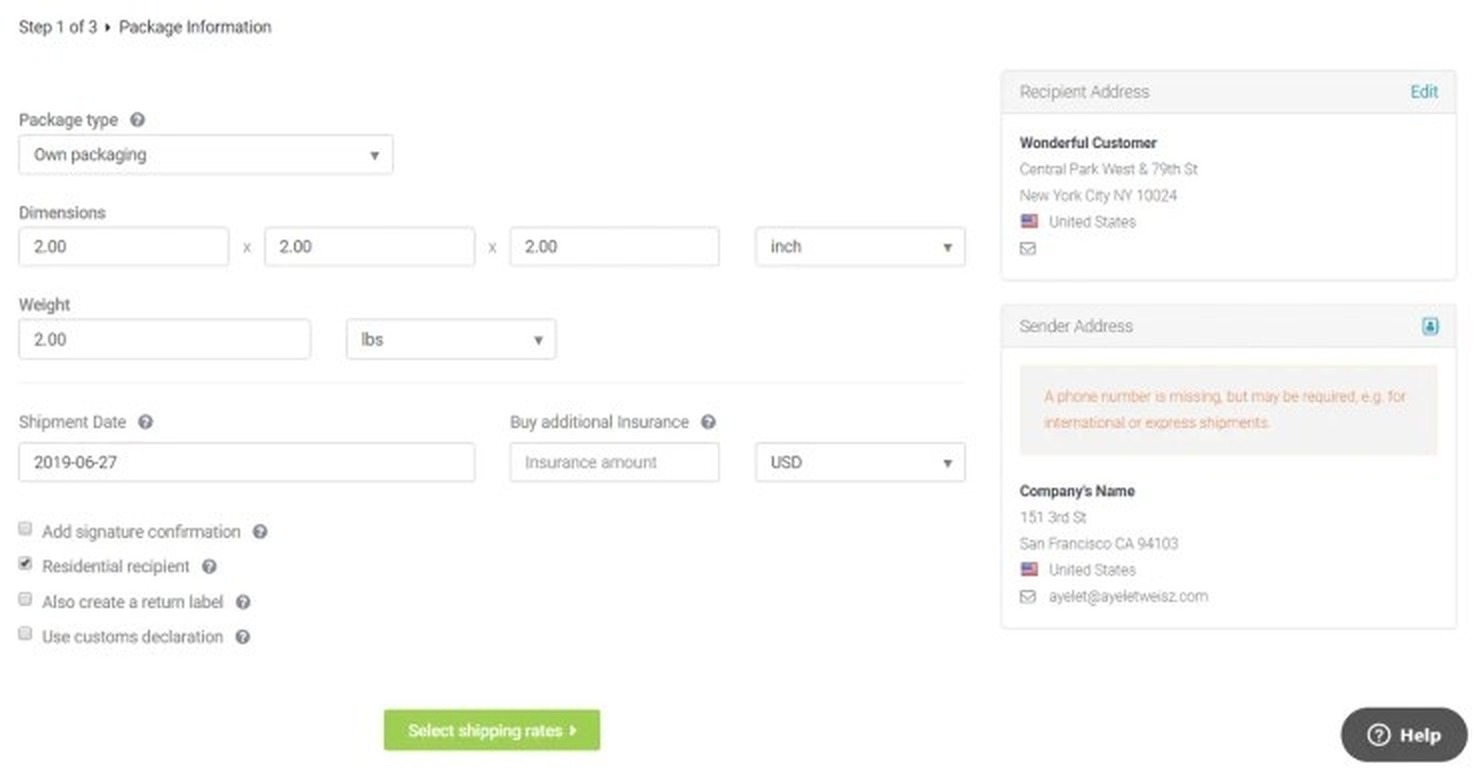
Once return volume climbs, printing labels one by one is pure manual labor. All the platforms support batch operations: filter by order status, generate dozens or hundreds of return labels at once, apply a single return warehouse address. My recommendation is to manage the return address separately. Many sellers use the outbound warehouse as the return address, but return inspection and restocking belong in a dedicated reverse-logistics area. Separate the addresses and the accounting stays clean.
"Who pays for freight" is the math most worth doing, and it breaks into three cases. First, defective-product returns: the seller pays, obviously, but print those labels at negotiated rates, not retail. Second, customer-preference returns, wrong size, changed mind: the customer can bear the cost, or you deduct it from the refund. Each marketplace has its own deduction rules, so read the current policy before you configure anything. Deduct wrong and you get complaints. Third, returnless refunds for high-value-inconvenience items: keep the item, issue the refund. This fits low-ticket goods where the return freight exceeds the recovered value. Amazon and others run programs like this, with eligibility thresholds set in their latest policies.
Here is the counterintuitive part: the ceiling on return-freight savings is not in the label discount, it is in the return rate itself. Moving a label from retail to negotiated rates saves a fixed amount per parcel. Moving the return rate from ten percent to seven percent saves everything. Accurate size charts, honest product descriptions, and a "contact us first if there is a problem" card in the box are worth more than switching label platforms.
A few traps to close with. First, claims: the lost-parcel claim process for returns is not the same as for outbound shipments. Read the declared-value terms separately, because reading them after something goes missing is too late. Second, account risk: declare weight and dimensions honestly on third-party platforms. Systematic under-declaring gets you back-billed by the carrier or banned. Third, reconciliation: export the platform invoice every month and match it against your own return records. Unused-label refunds, duplicate charges, these small amounts stop being small over a year.
Something you can do tomorrow: export last month's return labels from whatever platform you use, split them into "retail-rate labels" and "negotiated-rate labels," and calculate the gap if all of them had gone negotiated. That number is your starting point for optimizing return freight.