Here's my verdict up front: you cannot prevent refund-without-return abuse. You can only contain the damage. And containment doesn't come from better customer-service scripts — it comes from an evidence chain built on the warehouse floor. Whoever documents shipments best wins at the dispute table. Whoever ships blind just pays.
I've watched too many sellers get this backwards. Last September, a friend in Shenzhen selling pet supplies — Amazon and TikTok Shop, 4,000+ orders a month — came to me with 180+ refund-without-return disputes in a single month. Dispute rate over 4%. Average order value around $20. That's nearly $40,000 walking out the door every month. His first instinct was to hire more CS reps and write appeal letters. Sixty-plus letters in two months; fewer than ten wins. I walked his Dongguan warehouse and saw the problem in one lap: no scale at the packing station — parcel weights were whatever the carrier label estimated. No packing photos. When a dispute hit, he had nothing. He wasn't arguing a case. He was showing up to court empty-handed.
The Three Abuse Patterns
Here's the thing, and there are two sides to it: platforms want frictionless buyer experience and repeat purchases; sellers want to survive. Refund without return started as a sensible policy for low-value orders where return shipping costs more than the item. Then it became a playbook. In my experience it boils down to three patterns:
1. The "never arrived." Tracking shows delivered; buyer says nothing was at the door. They target last-mile deliveries with no proof-of-delivery photo. You have no leverage.
2. The "wrong or damaged item." Buyer claims the wrong product, damage, or missing parts, snaps a photo, demands a full refund. Three out of ten are real. Seven are theater. Good luck telling them apart.
3. The crew. Same delivery address, same device, rotating accounts placing order after order. Each order looks legitimate on its own; together it's a harvest. I saw this two years ago at a Chinese-run 3PL warehouse in Los Angeles — one address placed 40+ orders in a month and got 30+ refunded, all refund-without-return.
Four Warehouse-Side Fixes for Refund Abuse, Ranked by Payoff
Scripts won't save you. Evidence will.
1. Weigh and photograph every parcel — scale reading and label in one frame
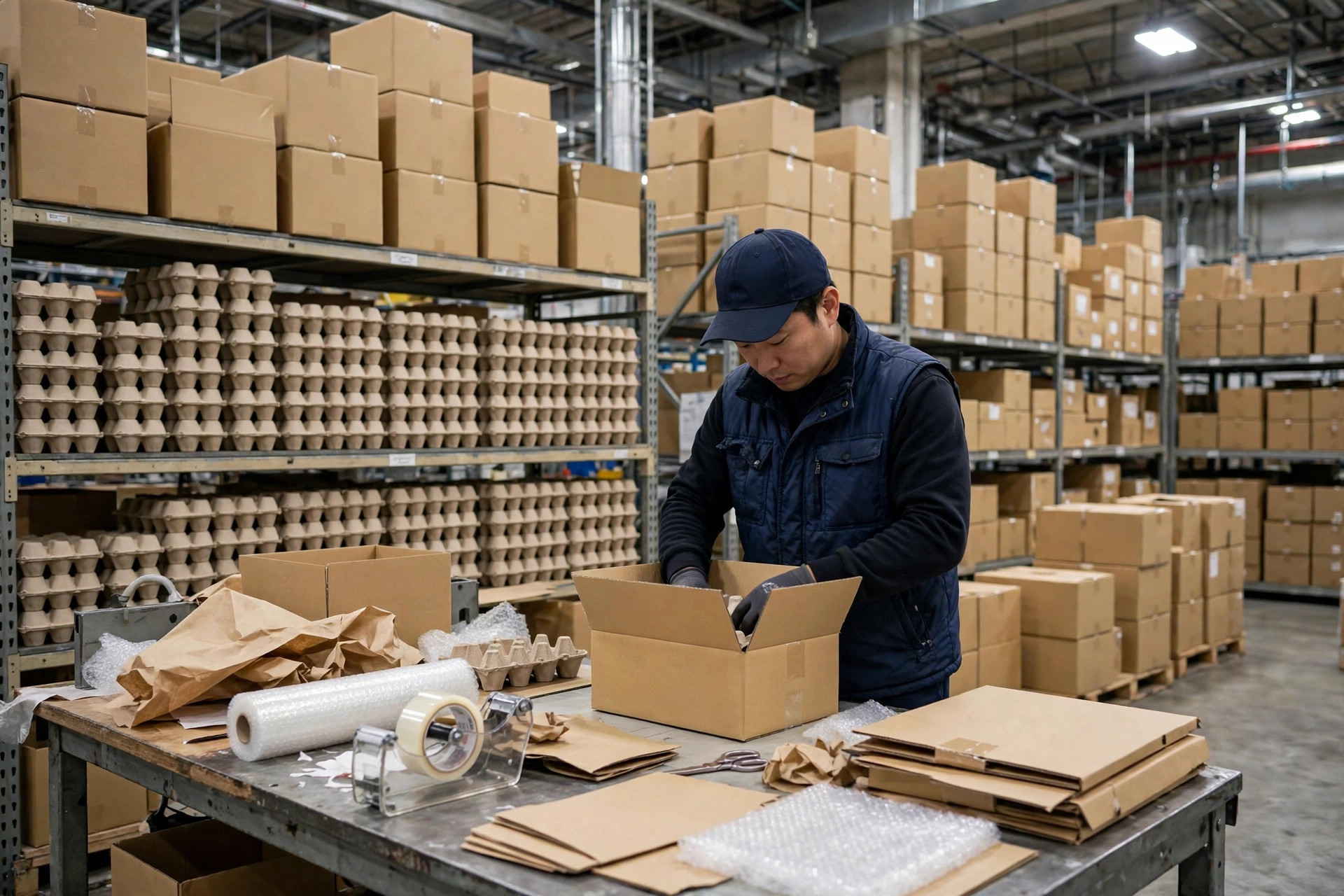
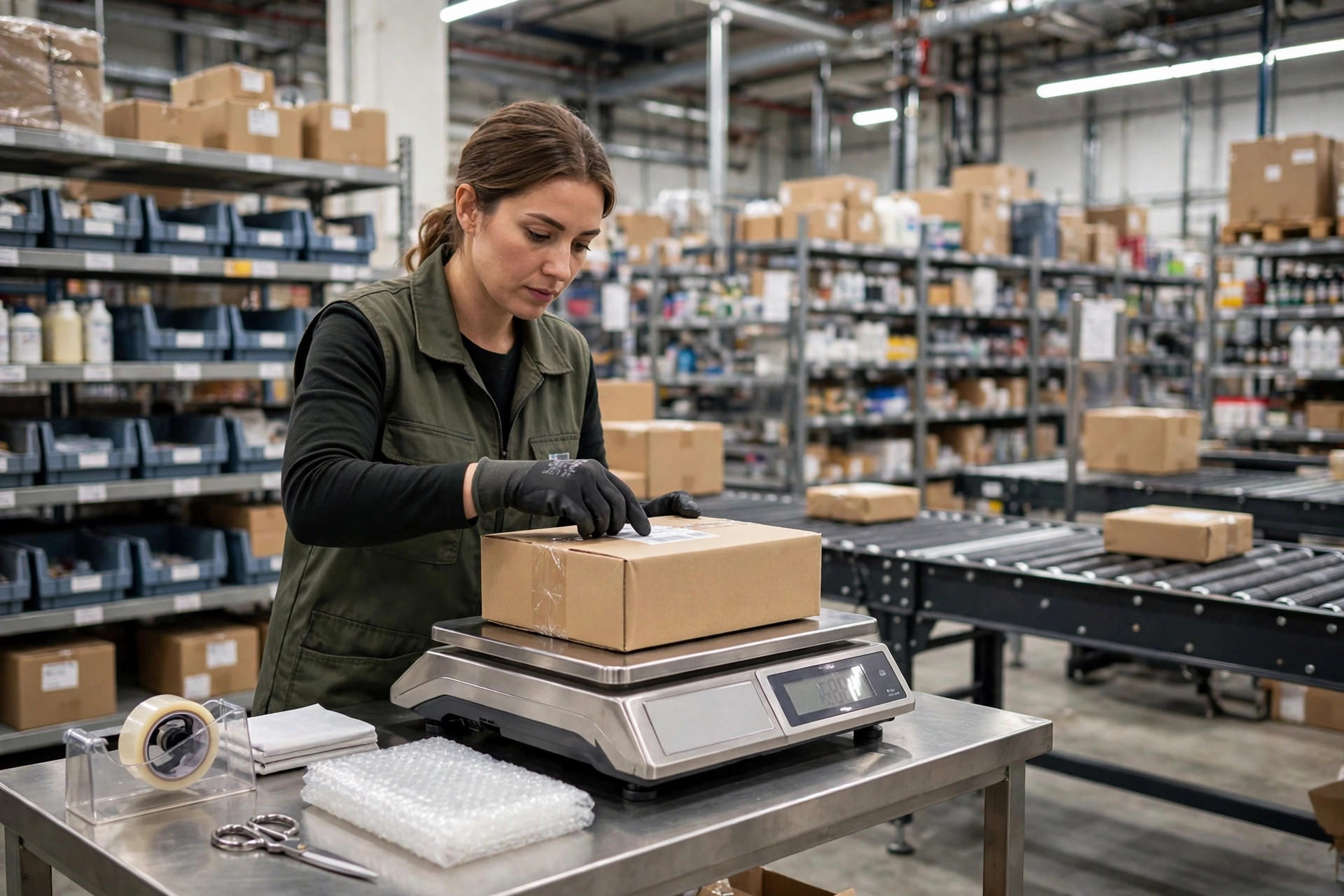
The cheapest move there is. A scale plus a fixed camera at the packing station: parcel on the scale, shipping label in the same shot, photo filed by order number for 90 days. Buyer claims "missing item" or "wrong item"? Send the weight-stamped photo and half of those disputes die on the spot. Cost is in the table below — for a 500-order-a-day warehouse it works out to under ten cents an order.
2. Video the packing of high-value orders
Set a threshold — say $50 — and record full packing video above it. Don't record the whole line; record what's worth recording. There are two sides: video eats storage and slows the line, so only the orders that justify it. With video in hand, disputes over $50+ orders are winnable.
3. Build the delivery evidence chain — last-mile tracking tied to the order
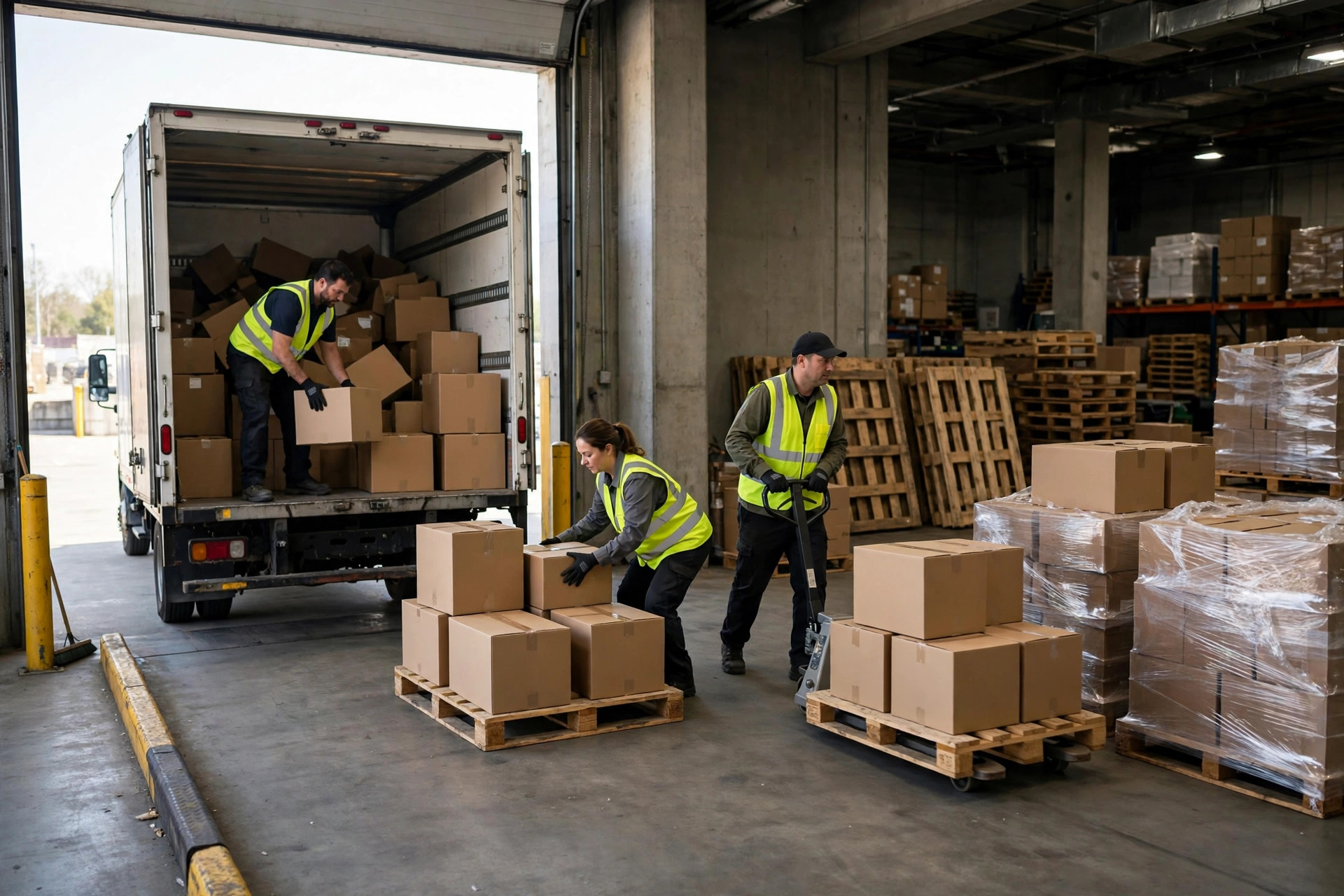
"Never arrived" disputes are won or lost on delivery proof. Carrier tracking number, delivery timestamp, GPS drop point — pull everything you can into the order notes. When platforms judge these cases, they look at two things: delivery record plus shipment weight. Have both and you're in good shape; have neither and nobody can help you.
4. Inspect every return before it goes back to stock
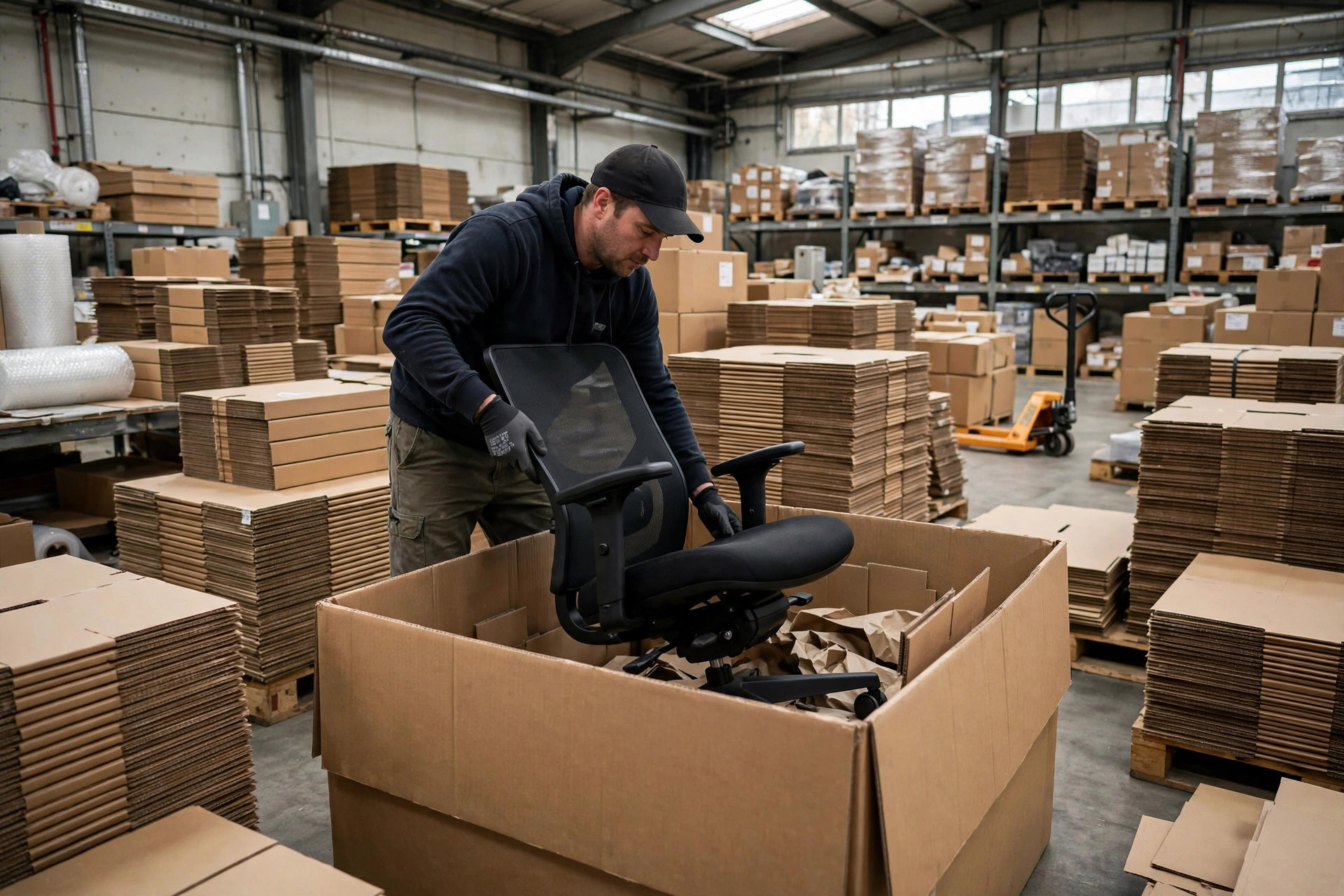
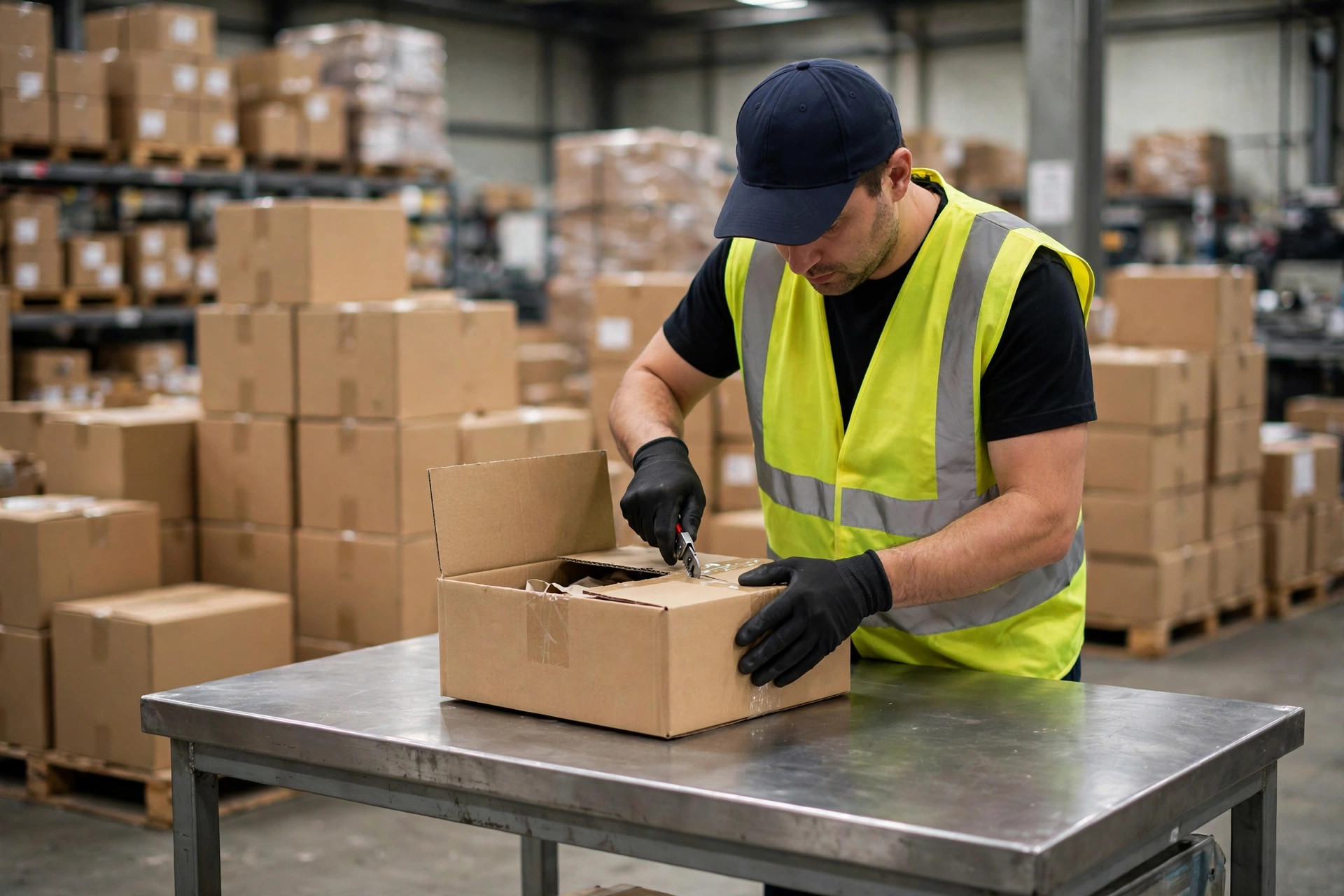
Don't restock returns blindly. Set up an inspection station: open, photograph, weigh, compare against the outbound record. The "damaged" item a buyer sent back is often not the item you shipped at all — I've seen this more times than I can count. Without inspection you won't even notice, let alone win an appeal.
How to Package an Appeal: Evidence in This Order
Having evidence isn't enough — you have to present it. A platform reviewer looks at hundreds of cases a day. If your evidence pack takes more than 30 seconds to understand, you've lost. Keep the order fixed:
- Order screenshot (order number, amount, timestamp — one page, the whole story)
- Shipment weight photo (weight plus label in one frame — this is your trump card)
- Last-mile delivery record (tracking, delivery time, GPS point)
- Packing video (high-value orders only — don't stuff everything in)
- Returns inspection record (direct proof of swapped or empty-box returns)
And the appeal text itself: one paragraph, facts only, no essay. "Shipped Oct 3, parcel weighed 1.2 kg, label XXX, delivered Oct 6, buyer filed refund-without-return on Oct 7 claiming non-receipt." Done. No sob stories, no lectures about platform ecosystems — reviewers don't care. When citing platform policy, write "per the platform's current policy" and never quote a clause number. Clause numbers change, and quoting a stale one digs your own grave.
The Math: Evidence-Chain Cost vs. Recovered Losses
These are ranges from warehouses I've actually worked with, not textbook numbers:
| Step | One-time cost | Monthly cost (500 orders/day) | What it stops |
|---|---|---|---|
| Weigh + photo | Scale and camera, $1,000–2,000 | ~0.5 headcount | "Missing/wrong item" disputes: appeal win rate from ~15% to ~60% |
| High-value video | Reuse existing cameras, add storage | Storage cost negligible | $50+ disputes winnable with evidence |
| Returns inspection | One station | 0.5–1 headcount | Swapped items and empty-box returns caught on the spot |
Put plainly: an extra two or three thousand dollars a month in labor and gear buys back several thousand a month in recovered disputes — plus a dispute-rate curve heading the right direction. The math works.
The Counter-Intuitive Part: Don't Fight Every Dispute
And now the most important line in this whole piece: don't fight every dispute. A sub-$10 order costs your CS rep half an hour to appeal. Win and you recover $10; lose and you've burned the labor too. The sharper trade-off is on the account side: file too many appeals and platform risk systems flag you as a high-dispute appellant, quietly throttling your traffic and weight. I've seen sellers win the battle for every single order and lose the account.
My rule: draw a line, say $15. Below the line, take the loss and blacklist the address and device. Above the line, fight the fights worth fighting. When you can only protect one — dispute rate or account health — protect the account.
So stop asking "how do I eliminate refund-without-return abuse." The question is wrong. The right question is: is this order worth spending evidence on? Draw that line first. Everything after is execution.
By Lao Mi, Supply Chain Veteran (20 yrs)