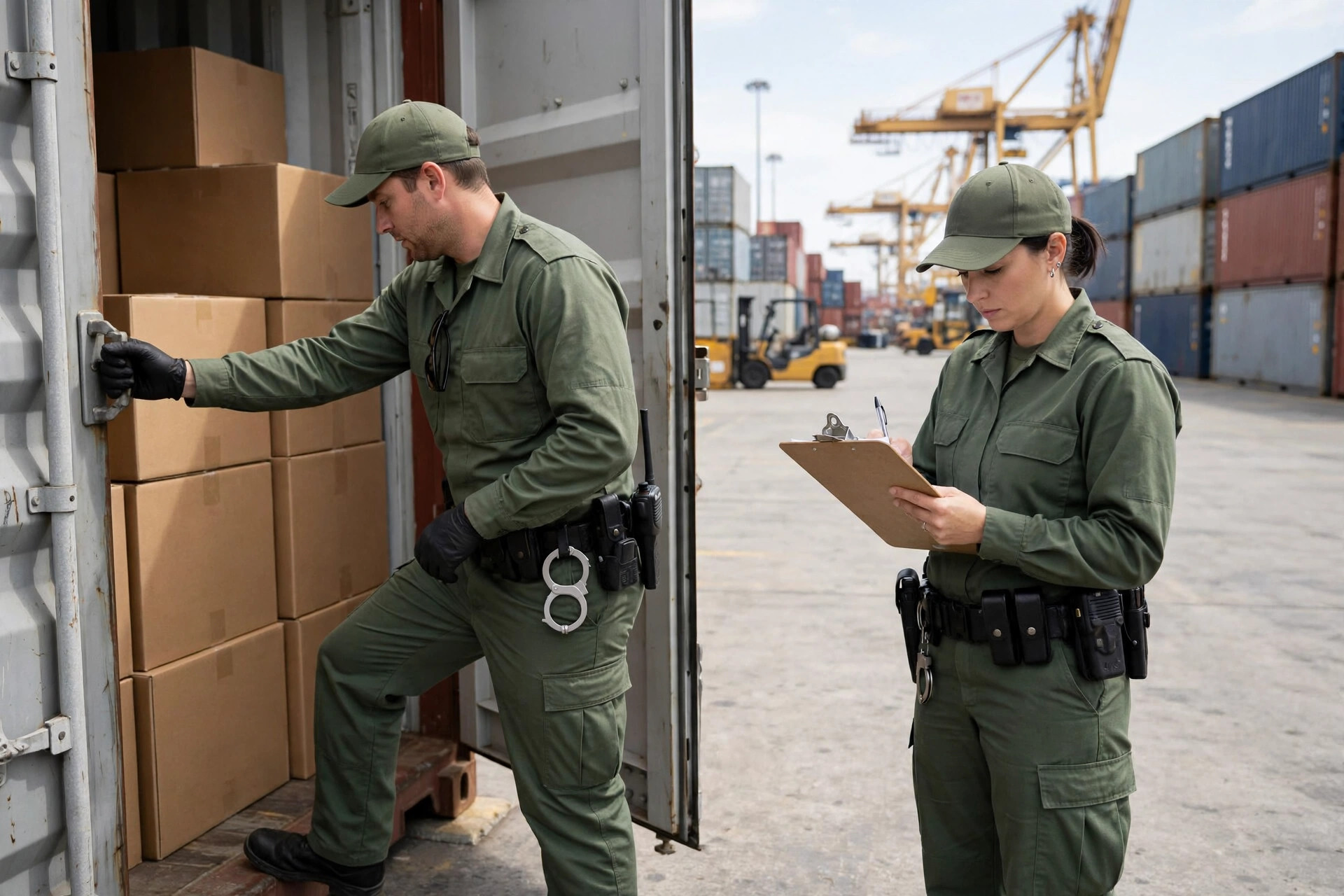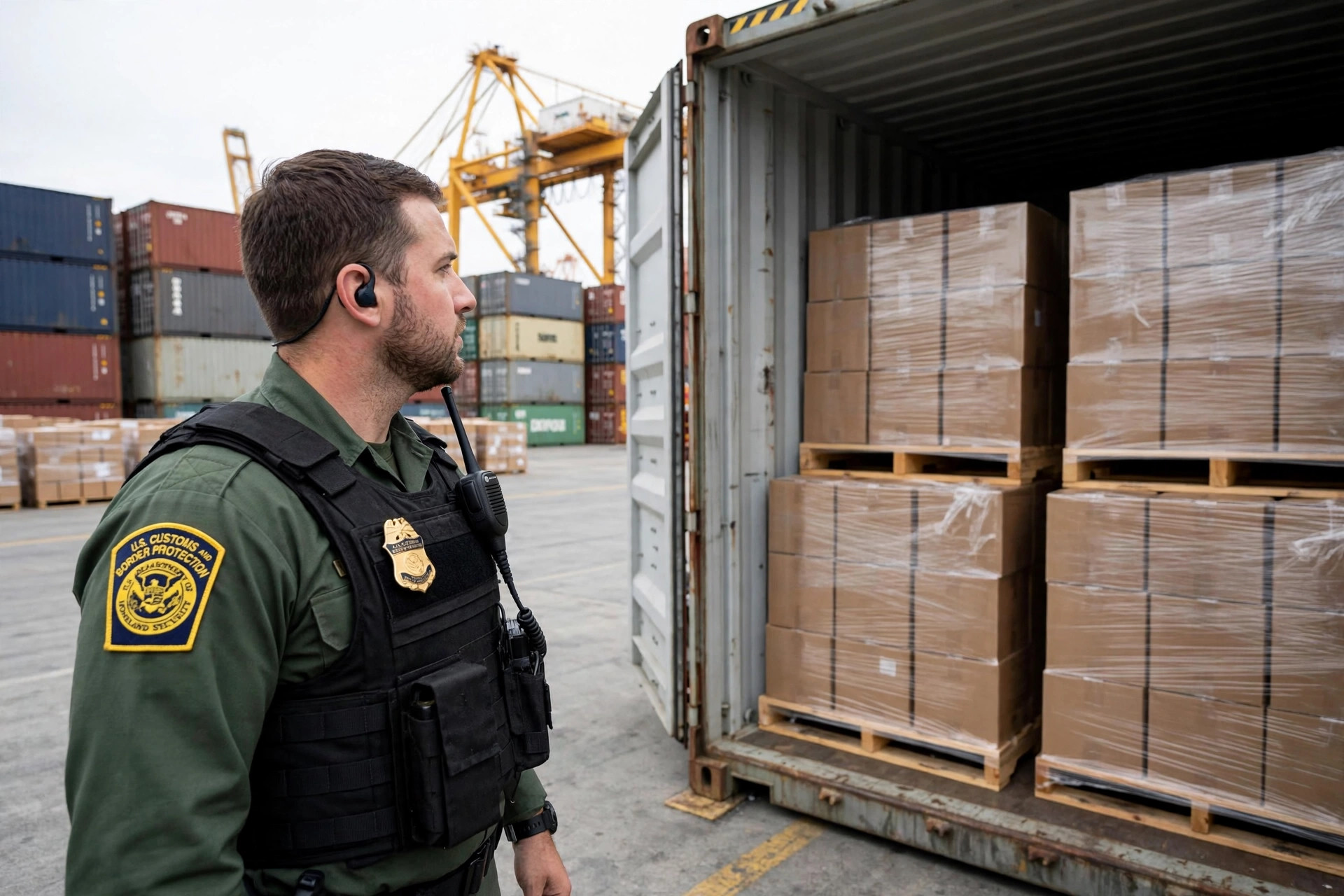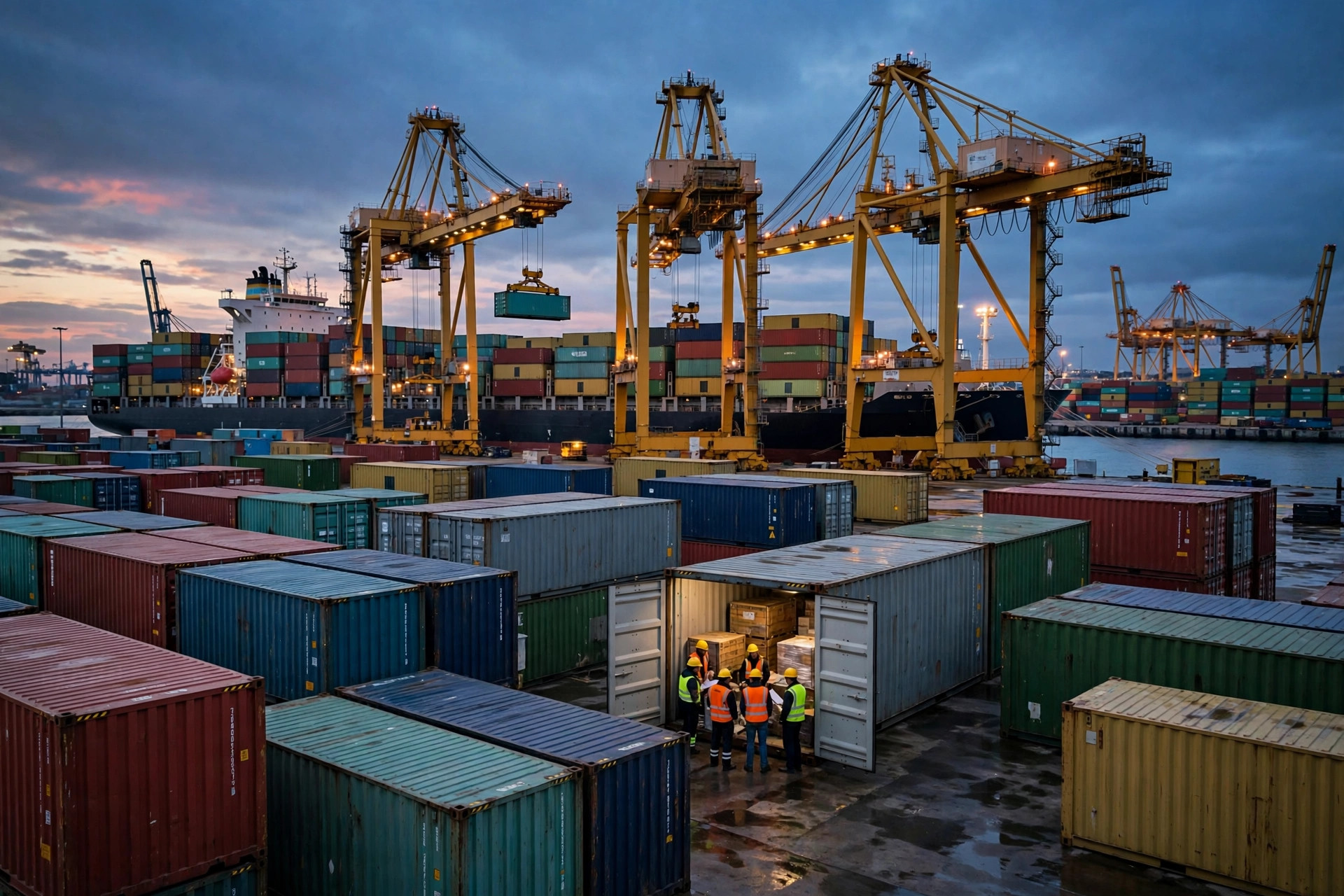
Let me start with arithmetic. Say you import $2 million a year from China at an average 20% duty rate — that's $400,000 in duties paid. If half of those goods end up exported (re-exports, in-transit, warranty returns all count), the law lets you recover up to 99% of the duties paid — $200,000 × 99% ≈ $198,000.
$198,000, sitting with CBP, waiting for you to claim it. And from what I've seen, nine out of ten small and mid-size importers either don't know this money is recoverable or give up because it "sounds complicated." This is duty drawback: who qualifies, who files it, and how long it takes.
Why the Refund Exists: Simple Logic
The US government's logic: duties protect the domestic market. If you sell the goods abroad instead of competing with American manufacturers, you shouldn't have paid the tax. So goods that are imported and then exported (or destroyed under Customs supervision) qualify for a refund of up to 99% of duties, taxes, and fees paid — the remaining 1% is a statutory retention, CBP's "service charge."
The program dates to 1789. The TFTEA (Trade Facilitation and Trade Enforcement Act of 2015) modernized it: broader scope, and everything filed electronically. All drawback claims now go through CBP's ACE system — no more paper.
Three Ways to Qualify
1. Direct identification (export the same goods) Imported merchandise that was never used in the US gets exported as-is. You imported 1,000 coffee machines, couldn't sell 800 domestically, re-exported them to Mexico — the duties on those 800 are refundable. Note: "unused" doesn't mean "untouched." Testing, cleaning, repacking, and relabeling don't count as use; manufacturing does.
2. Substitution (export equivalent goods) The workhorse of drawback. You export different goods that are commercially equivalent. The requirement: imported and exported merchandise must share the same 8-digit HTS number. Import 5,000 cotton T-shirts in March, export 5,000 cotton T-shirts under the same code in August (not necessarily the same shirts) — match made, refund due.
This is exactly why part one told you to build a classification ledger. Drawback is a matching game played with tariff numbers. Messy records, dead claim.
3. Manufacturing drawback Import components, manufacture finished goods in the US, export them — recover the duties paid on the components. Import Chinese motors, assemble fans in Ohio, export the fans. Since the 2016 modernization, substitution rules apply to manufacturing drawback too, which opened up a lot of room.
What Qualifies in 2026 — and What Never Does
This is the table that matters. Different duties, different fates:
| Duty type | Refundable? | Notes |
|---|---|---|
| Section 301 duties (incl. 2026 additions) | ✅ Yes | Fully recoverable — and this is the big one |
| Regular MFN duties | ✅ Yes | Always was |
| MPF, HMF and other fees | ✅ Yes | Included in the 99% |
| Section 232 steel/aluminum | ⚠️ It depends | Set proclamation by proclamation — some yes, some no |
| Antidumping / countervailing duties | ❌ Never | Never refundable |
| IEEPA fentanyl tariffs | ❌ Never | Expressly excluded |
See the point? The Section 301 tariffs — the heaviest layer on China-origin goods — are exactly what's refundable. The more you paid, the more you can recover. That's why drawback filings surged in 2026.
The Process: Four Steps
Step 1: pick your filer Two options: your customs broker (large brokerages have drawback departments) or a dedicated drawback service firm. Fees typically run 10–20% of the refund as commission, or a flat per-claim fee. My rule: if expected annual refunds exceed $50,000, hire a specialist; for smaller amounts, ask your broker first.
Step 2: assemble the match Three document sets must line up: the import entry summary (CBP 7501), the export evidence (B/L or export records), and the classification basis proving the same 8-digit code. Keep records at least 3 years from the claim's liquidation — CBP audits drawback claims.
Step 3: file in ACE Everything is electronic now. The claim designates which imports pair with which exports and which duties you're recovering. The deadline is a hard line: a complete claim must be filed within 5 years of the import date. Miss it and the money is gone. Five years sounds generous, but matching, document cleanup, and processing all take time — don't start in year four.
Step 4: wait for CBP — with a shortcut Good news: CBP offers accelerated payment — qualifying claims can receive an estimated refund before full review completes. Realistic timelines run from a few months to over a year, depending on complexity and the port's workload.
A Full Timeline: Watch the Money Come Back
A realistic example (numbers simplified):
- May 2023: a California outdoor-gear company imports $400,000 of tent fabric, HTS 6306.22, List 3 at 25% plus MFN — total duties paid about $120,000
- Sep 2023–Mar 2024: fabric becomes finished tents at a US factory; 70% exported to Canada and Europe
- Jun 2024: drawback firm assembles the package — import 7501s, export B/Ls, production records matched
- Sep 2024: manufacturing drawback claim filed in ACE with accelerated payment requested
- Early 2025: first refund lands, about $83,000 ($120,000 × 70% × 99%)
Under two years from import to cash. The service firm takes 15%, netting over $70,000. The owner's comment: "If I'd known about this years ago, think of what I left behind."
Is It Worth the Trouble? Do the Math
$2M annual imports, 20% duty, half exported: about $198,000 recoverable. 15% commission leaves about $168,000. Document labor costs a few thousand at most. ROI north of 20-to-1.
Even small: $500,000 in imports at 25% duty, 30% exported — about $37,000 recoverable, about $30,000 after commission. Still real profit.
Duties hurt going out and feel great coming back. Leaving eligible refunds unclaimed is donating margin to the Treasury. Next: FTZ vs. bonded warehouse — instead of pay-then-refund, how to legally defer, reduce, or eliminate duties from day one.
Drawback rules are complex and change. Confirm with cbp.gov and a qualified broker or attorney before acting.
Photo credits: Cargo inspection photo (public domain, via Wikimedia Commons); "Container forklift" by Oxam Hartog, CC BY-SA 2.5, via Wikimedia Commons.