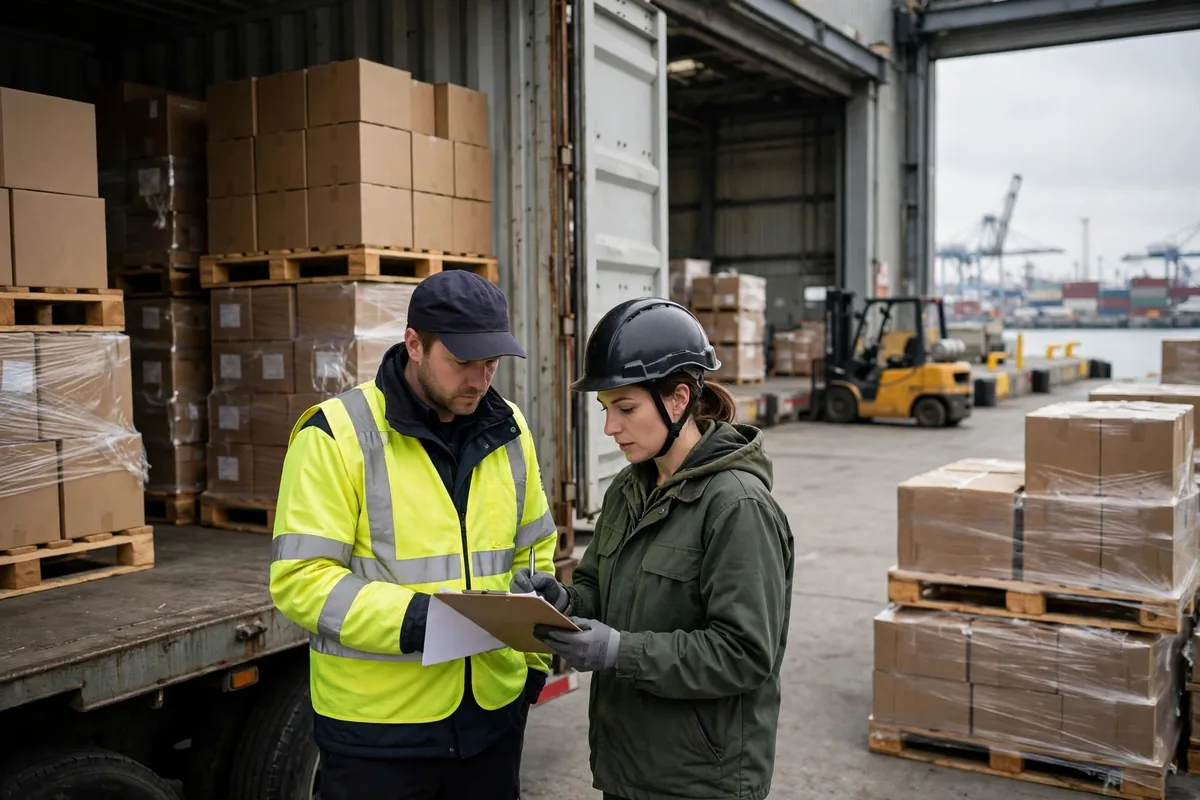
We have a client that imports outdoor gear — tents, sleeping bags, the works. In 2023 it paid close to $900,000 in import duties. At year-end, the finance director asked a casual question: half of those goods were shipped on to Canada and Mexico, so could any of that duty come back? That one question turned into a six-figure refund. The money was sitting on the table the whole time. Nobody had gone to pick it up.
Duty drawback is one of those programs that few importers know about and even fewer actually use. Plenty of importers assume that once duty is paid, it is gone. In the United States, Customs and Border Protection runs a formal drawback program: duties paid on imported goods can be claimed back when those goods are later exported, or used to make products that are exported. The refund can reach up to 99% of the duties paid. Rates and deadlines follow the latest policy on the CBP website, and that policy changes, so check the official source before you file anything.
Why Duty Drawback Money Sits There Unclaimed
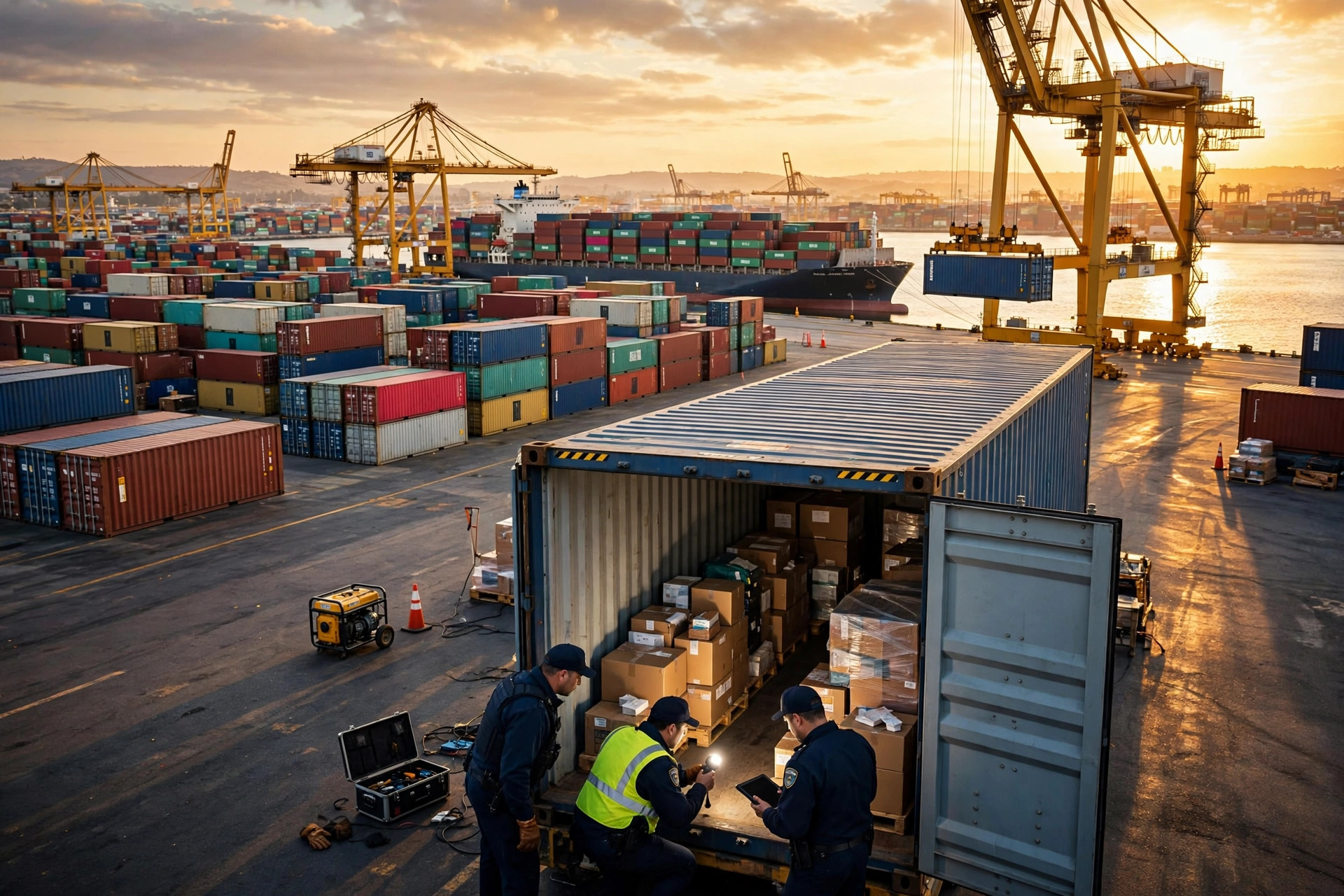
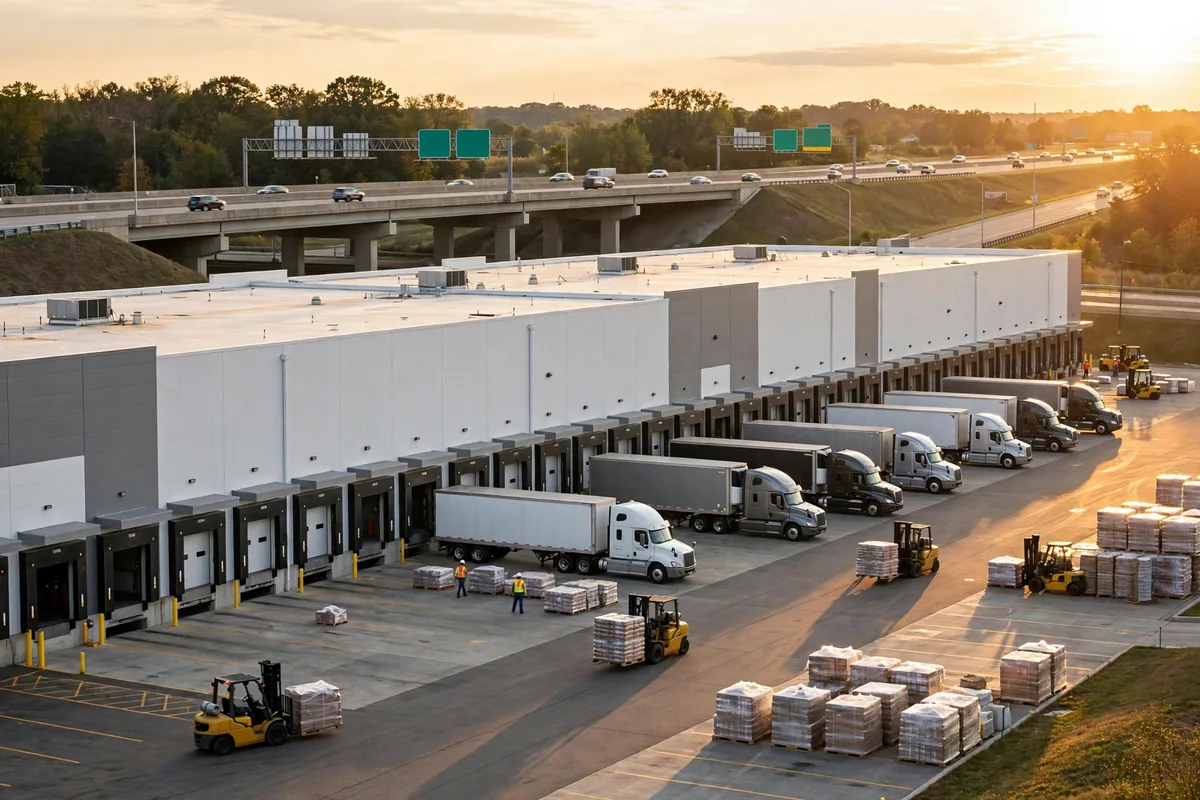
Let me put a number on it. That outdoor gear client imported tents and sleeping bags from factories in Asia into a US warehouse. Some sold in the United States. The rest went to distributors in Canada and Mexico. The duty on the re-exported portion was refundable. The client had been trading for three years and had not claimed a cent for the first two. It was not ineligible. It simply did not know the program existed.
I see this pattern all the time. An importer's attention is on the front end: negotiating prices, booking freight, clearing customs. Once the duty is paid, the books are closed and nobody looks back. The customs broker does not always volunteer the idea either, because a drawback claim is extra work on a separate process, often for a separate fee. So the money sits in a government account until the filing window closes.
There is another reason: the word "drawback" sounds like a tax audit waiting to happen. People hear "refund claim" and imagine months of paperwork and inspections. It does require documentation and a clear paper trail, but it is a routine customs process, not an audit. With the file complete, straightforward claims move through in a matter of months.
Three Tests Before You File
Not every importer qualifies, so run three tests first. First, the goods must have entered the country with duty paid. Goods sitting in a bonded warehouse that never paid duty, or goods that entered duty-free, are outside the program. Second, the goods must have gone back out, or been consumed making something that went out. The most common cases are goods imported and then exported in the same condition, or imported materials manufactured into finished products that are then exported. Third, there has to be a clear chain linking the import to the export, so you can show exactly which duty payment matches which shipment out.
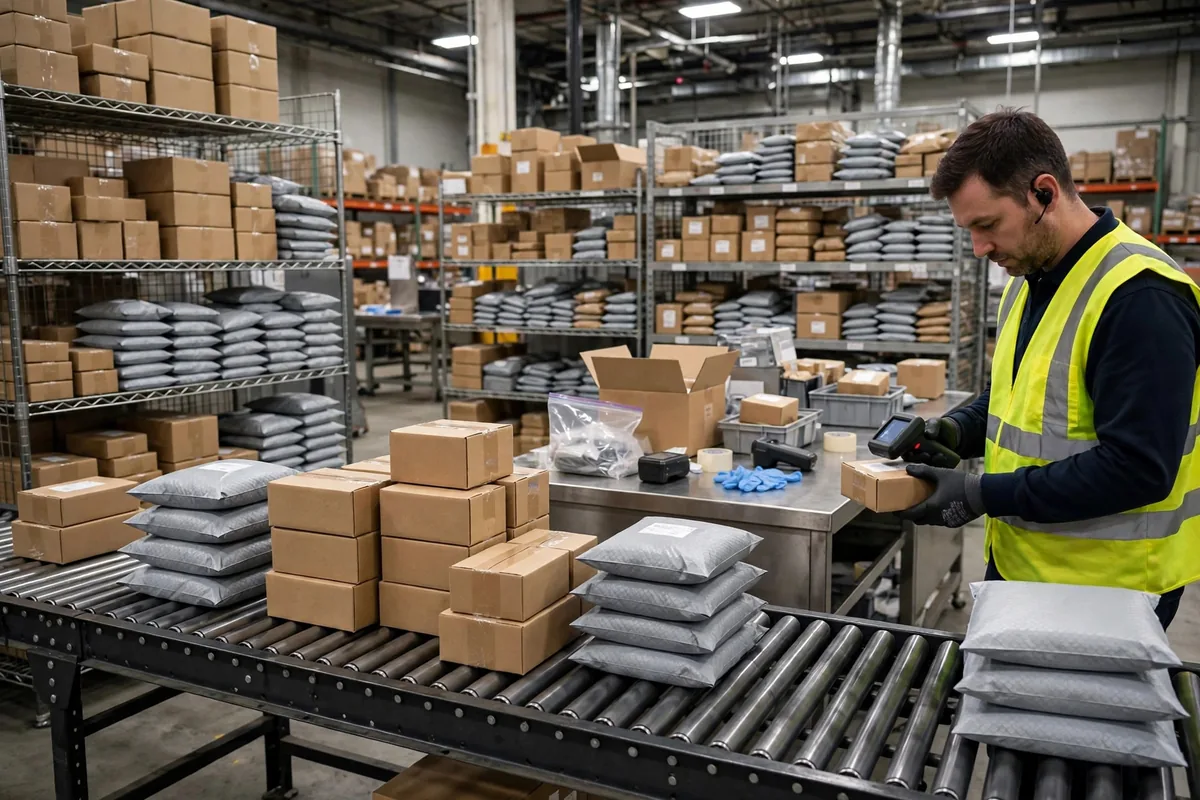
Our client's case shows what that chain looks like. The import entry listed the tent models and quantities. The warehouse outbound records showed the same models shipped to Canada. The export declaration carried the matching quantities and dates. Three documents lined up, and the chain held. This is where a good warehouse management system earns its keep: inbound, outbound, and lot records all matter, and a missing link can stall the whole claim.
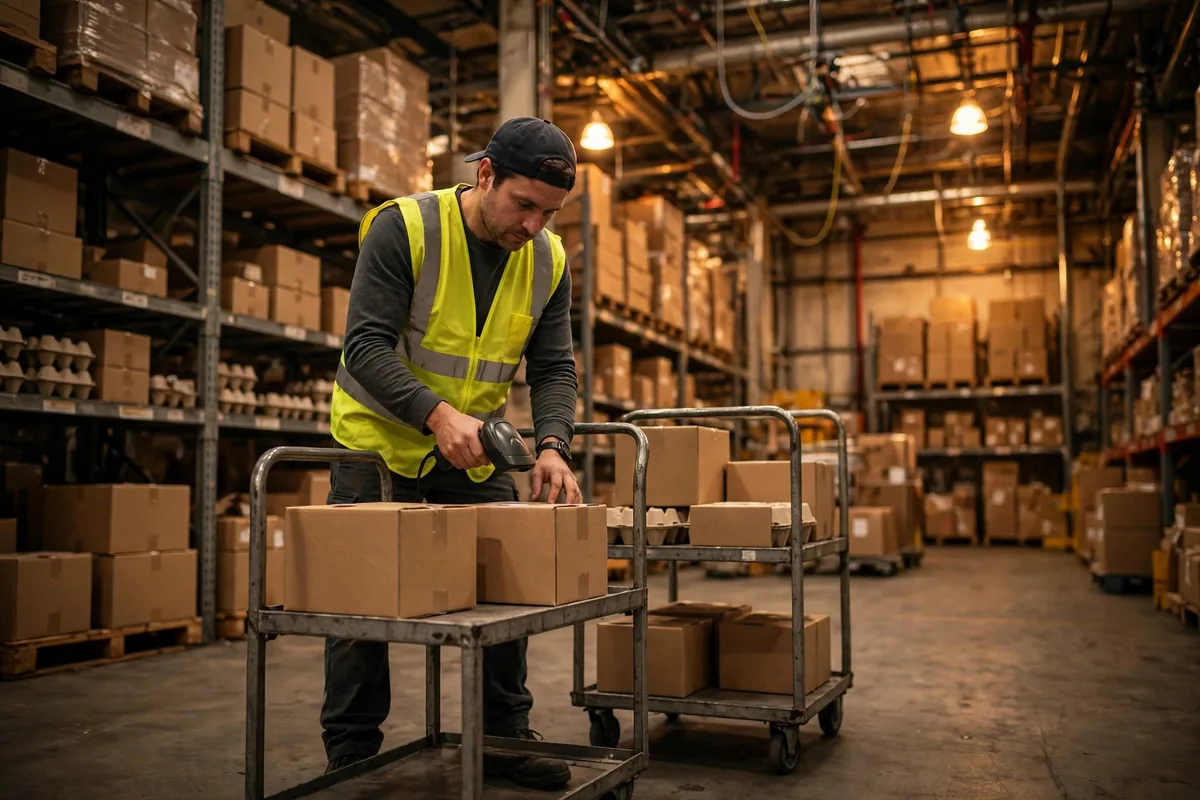
The most common sticking point is mixed lots. Three import lots of the same model arrive, the warehouse picks without tracking lots, and the outbound record cannot be matched back to a specific import lot. The claim goes back for more evidence. If a 3PL handles goods like this, lot separation has to start at receiving. Do not wait until the drawback claim to go digging through old records.
The Duty Drawback Claim Process, From First Document to Refund
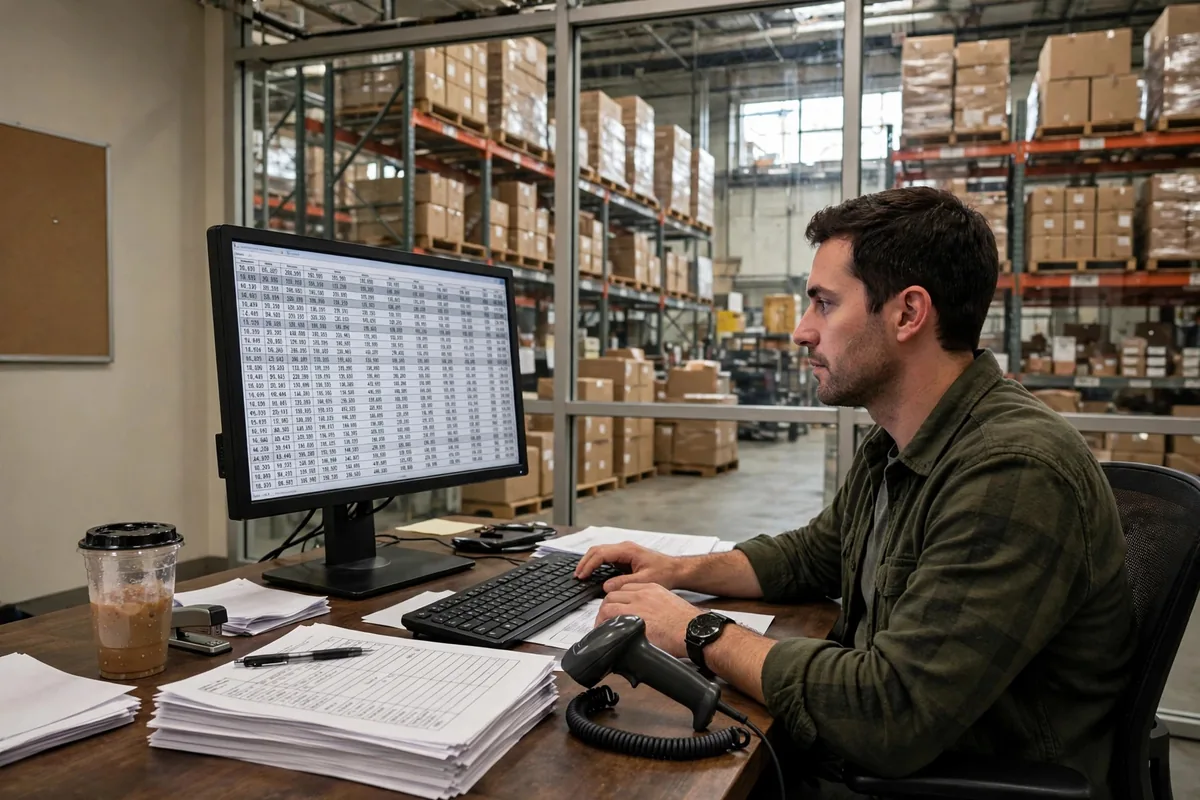
The process has four steps. Step one: keep the import paperwork from day one. The import entry, the duty payment receipt, the commercial invoice, and the packing list are the foundation of the claim. Lose one and you will be reconstructing it later. Most clients fail here, because the import happened years ago and nobody knows where the papers went.
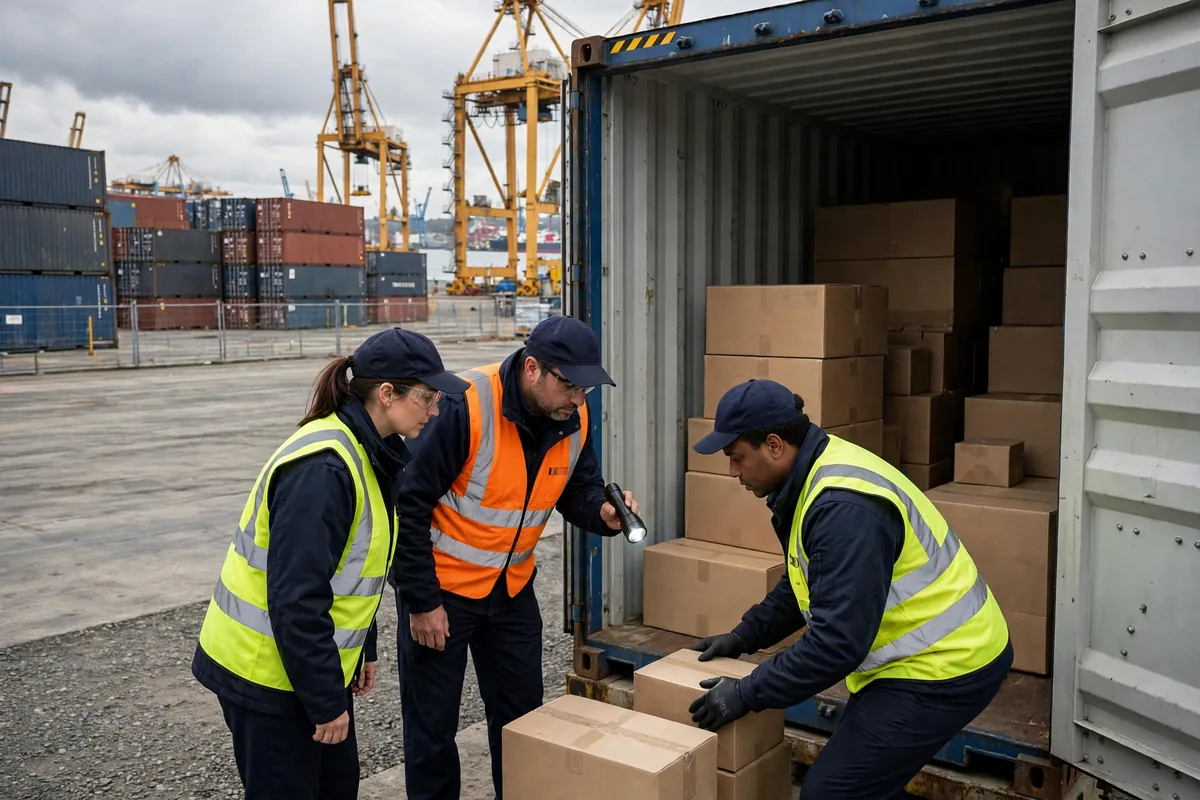
Step two: leave a trail every time the goods move. Export declarations, outbound warehouse records, and transport documents prove the goods actually left. If imported materials were manufactured into an exported product, keep the production records showing which imported inputs went into which exported finished goods. The more complete the file, the faster the review.
Step three: file through a broker or a specialist firm. Claims are submitted through the CBP system, and the exact forms, deadlines, and submission method follow the latest CBP policy, so confirm them on the official website. You can file yourself, but for a first claim I recommend a broker with drawback experience. They know exactly which details the reviewer will check.
Step four: wait for the review and the refund. Timing depends on complexity. A simple claim can take a few months. A complicated one takes longer. The refund goes back to the designated account. Our client's first refund took close to five months, and it was a six-figure sum. The finance director later told me the budget for the previous two years would have looked very different if they had known.
One timing detail deserves special attention: drawback claims have a filing deadline, and once it passes, the money is gone. Confirm the current deadline on the CBP website and do not estimate it from memory. Another client of ours missed it entirely. Goods exported in 2022, a claim attempted in 2025, deadline already passed, nothing recovered. The goods qualified. The calendar did not.
Build the Refund Into the Contract Conversation
Duty drawback is not only a finance topic. It belongs in the conversation when you negotiate a warehousing or logistics contract. If an importer moves a lot of goods onward to other countries, the 3PL's ability to manage lots and produce the outbound reports a drawback claim needs decides whether the money is recoverable at all. Before you sign, ask your 3PL: how granular is lot tracking, and can outbound records be traced back to the import lot?
Here is the counterintuitive part: a high refund rate does not mean every shipment is worth claiming. Small, scattered exports can cost more to claim than the duty they recover. Our rule of thumb is to compare the filing cost against the refund before filing, and to bundle small claims together where the rules allow. Do not spend thousands in service fees to recover a few hundred dollars in duty.
One more thing: drawback is not a one-off windfall. For an importer with steady re-export business, it should become a routine process — import documents filed away with every shipment, export records archived as they happen, and claims summarized and filed on a regular schedule. Our outdoor gear client does exactly that now, once a quarter. The refund has become a regular line in the budget.
Next time you sit down to negotiate a contract, ask three questions. First, which of our goods qualify for a duty drawback refund? Second, can our warehouse lot records support a drawback claim? Third, can our broker run the drawback process for us? Three questions, and the money stops sleeping in a government account.
By Susan, 3PL Sales Director