Full disclosure first: our little warehouse could never afford this — opening a depot in South Africa and chartering a vessel is big-company stuff. I run a 3,000-square-meter warehouse, and writing about Durban's port-warehouse link is a stretch for me. But over the past two years, fellow operators kept asking me the same thing: when freight arrives through Durban, how does the warehouse actually receive it? Enough people asked that I decided to collect what I have learned helping clients receive Durban cargo, and write it down.
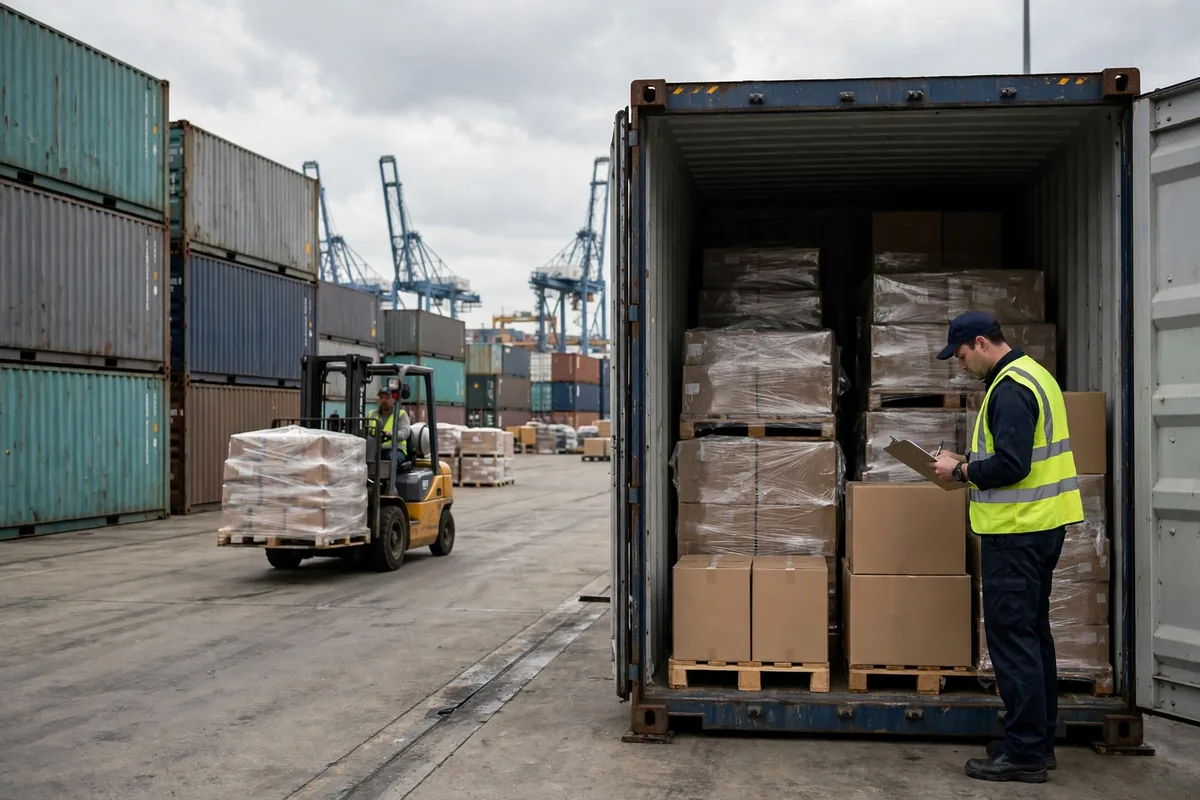
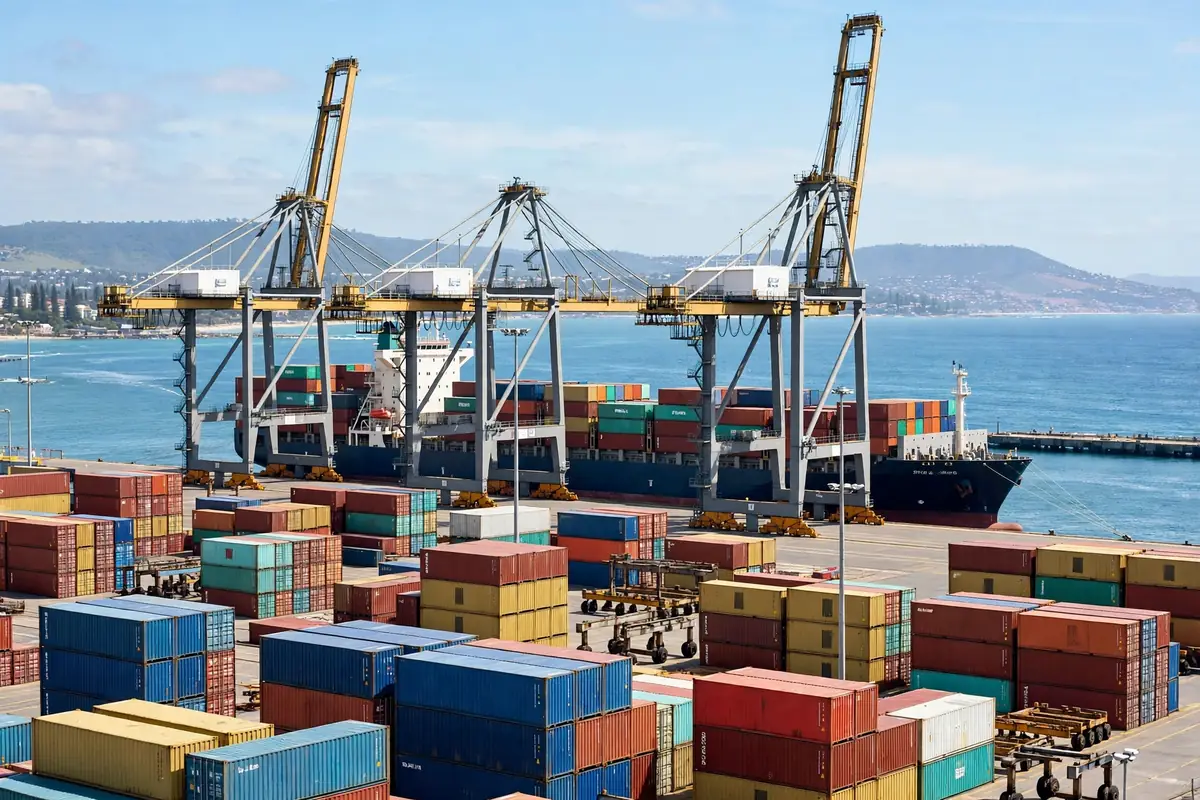
Durban is South Africa's largest container port and one of the busiest in southern Africa. For many Chinese sellers and traders, sea freight to South Africa lands at Durban first. The port is big, the volume is heavy, the sailings are frequent — it all sounds smooth. But cargo reaching the port is not the same as cargo reaching the customer. Between a container coming off the vessel and entering the warehouse sits a whole chain: collection, customs clearance, inspection, trucking, and receiving. If any link stalls, the box sits at the port another day, and the cost burns another day.
In early 2025, I helped a home-goods client receive three containers. The ocean leg from China took more than a month, and the client was thrilled the day the vessel berthed — surely the goods would be on sale the next day. Then container collection jammed for three days: the terminal queue was long, the trucking company had no spare vehicles, and the boxes sat in the yard. Once the containers finally reached the warehouse, devanning, counting, and putaway took another day. From berthing to saleable stock took five full days. The client later told me he had assumed goods would be selling the day after the ship arrived. He learned the hard way that a fast port does not mean fast freight.
The Bottleneck Is Usually Outside the Port
Many people assume port efficiency decides everything. Durban has upgraded a good deal of equipment in recent years — gantry cranes, yard capacity — and unloading a berthed vessel is genuinely not slow. The real bottleneck sits outside the gate: whether enough trucks are available for collection, whether customs paperwork is complete, whether your container gets picked for inspection, and whether the warehouse has scheduled receiving in advance. If any one of those is off, the box waits in the yard.
That client learned the lesson. On the second shipment, he had the customs documents ready a week before arrival, the trucking company booked three days ahead, and the warehouse had reserved dock space and staff — the containers were devanned and put away the same day they arrived. Same three containers, same port, same equipment: berthing to saleable in two days instead of five. Nothing about the port had changed. Only the preparation had.
That is my main takeaway: port-warehouse coordination is not won by how fast the port moves, but by how far ahead of the vessel your preparation runs. The month-plus the ship spends at sea is your best preparation window. Documents, trucks, dock space, staff — line up all four in advance and freight moves the moment it lands. Miss one, and the freight queues at the port waiting for you.
Customs paperwork deserves its own mention, because it is where first-timers get caught. South African customs is particular about documents — the commercial invoice, packing list, and certificate of origin all have to match, and a single mismatch can hold a container for inspection. My client learned this on the first shipment: the packing list showed two pieces more than the actual devan count, and customs held the box for two extra days. Since then, his rule is that the factory checks the packing list against the invoice three times, line by line — quantities, descriptions, piece counts — before anything ships. That check takes half an hour. It can save two or three days of yard storage.
Another cost people forget: every extra day in the yard costs more than storage fees. Insurance, tied-up capital, and delivery promises to customers are all burning at the same time. Many traders count only the storage charge and decide two extra days is no big deal, while the real damage is a customer cancelling an order over a missed delivery date — a loss far bigger than any storage fee. Count the whole bill, not one line of it. I have watched more than one trader save pennies on storage and lose the entire order.
Durban Freight Heading Inland Adds Another Calculation
Not all Durban cargo stays in Durban. South Africa's economic center of gravity is inland — Johannesburg is the bigger consumer market — so much freight has to travel inland after discharge. That adds a decision: warehouse near the port in Durban, or warehouse in Johannesburg?
A Durban warehouse sits close to the port, so collection is fast and storage is relatively cheap, but every order then needs another long-haul trip to reach customers. A Johannesburg warehouse is the reverse: close to customers and fast to deliver, but freight must first travel inland, adding linehaul cost and time. The right answer depends on the goods. Fast-moving consumer products belong in Johannesburg — one day closer to the customer is one more day of sales. Slow-moving large items and seasonal goods are cheaper near Durban, stored at lower cost and forwarded inland gradually.
A building-materials trader I know splits it exactly this way: one warehouse near Durban for slow-moving large items, one small warehouse in Johannesburg holding only fast-selling lines. Combined, the two cost him less than one big warehouse would, because he never again has to charter an emergency truck from Durban inland for a rush order. The split sounds simple, but he only worked it out after emergency charters burned him three times.
Here is a counterintuitive point: a warehouse in a port city is not necessarily better the closer it sits to the quay. Quayside warehouses make collection easy, but rents are high, traffic controls are strict, and big trucks queue to get in and out. Move half an hour out from the terminal and rents drop sharply, while collection only takes half an hour longer. For most freight, that half hour changes nothing — but the rent saved is real money. That is how a small warehouse owner counts: every cent gets split open and examined.
One last note for operators eyeing the South African market. With Durban cargo, the key to warehouse distribution is not the port itself — it is how much preparation you did before the ship arrived: paperwork ready, trucks booked, dock space reserved, inland split decided. Prepare ahead and freight moves on arrival. Prepare late and freight waits. The port will not wait for you, and customers will wait even less.
Small warehouses have their own way of surviving, and big ports have their own rules. Learn both sets of rules, and a small warehouse can handle big-port freight just fine.
By Xiao Ma, Small Warehouse Owner