Returns nearly killed my DTC store before I figured this out.
Back in 2023, when I launched my independent store, my return address was in China. A customer sends something back, international return shipping costs $20+, the product itself sells for thirty-something bucks, and then you wait half a month. Every single return lost money. Then I got smart: I moved the return address to a US warehouse. Since then, returns went from "pure money pit" to "actually recovers cash."
Here's my verdict up front: if you run a DTC store selling to US customers, put your return address at a US warehouse. Receive locally, inspect locally, refurbish locally, resell locally. Closed loop. I've been running this for two years, and my net loss on returns dropped by roughly 70% (my own books — your mileage may vary).
Move the Return Address to a US Warehouse First
I tried the lazy route first: a friend's place in Los Angeles. Then a peak season hit and returns piled up across his entire garage. The guy has a day job — he's not opening and logging your packages every evening. Two parcels went missing and we argued about it for a month. Almost cost me the friendship.
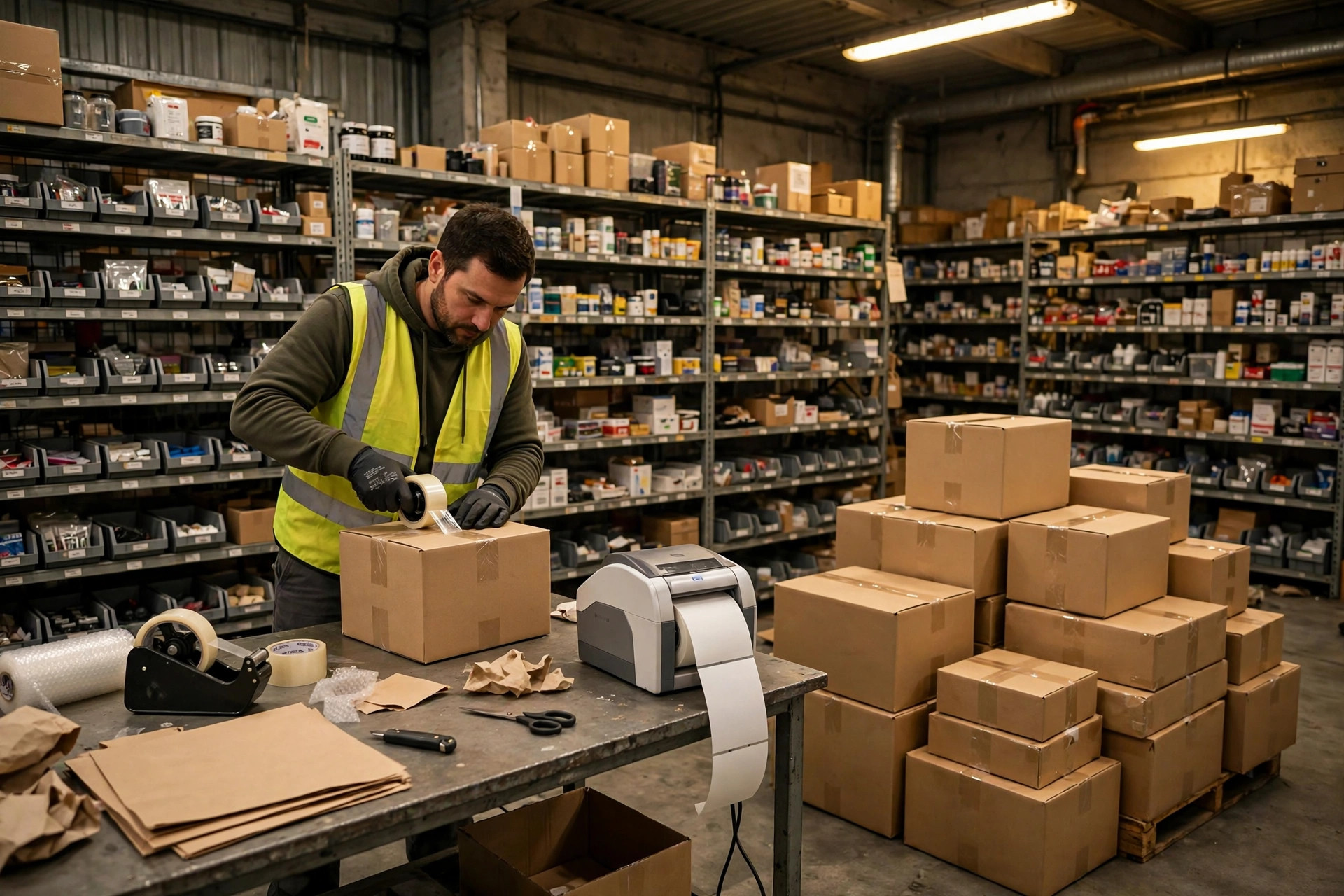
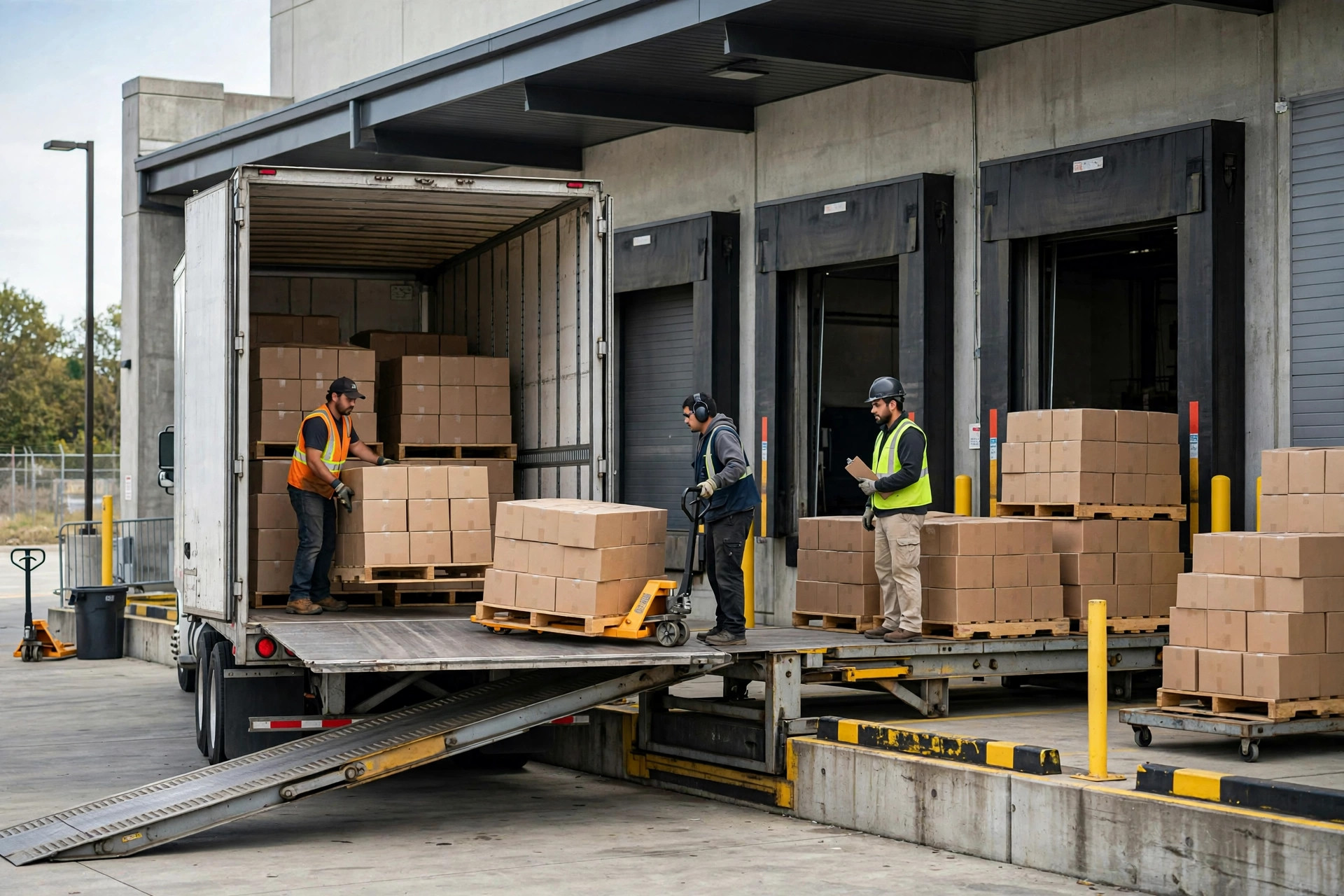
Then I switched to the 3PL warehouse I work with in Ontario, California, and returns became a real process: customer requests a return, the system auto-sends a return label, the warehouse receives it, unpacks and logs it within 24 hours. Warehouses typically charge $1.50–2.50 per unit for return receiving and processing (going rate in my experience — confirm the quote before you sign). Worth every cent, because every unit is tracked. Nothing disappears.
Grading Returns: Four Grades That Decide Everything
This is the step that makes or breaks the whole loop. Get grading wrong and everything downstream is garbage.
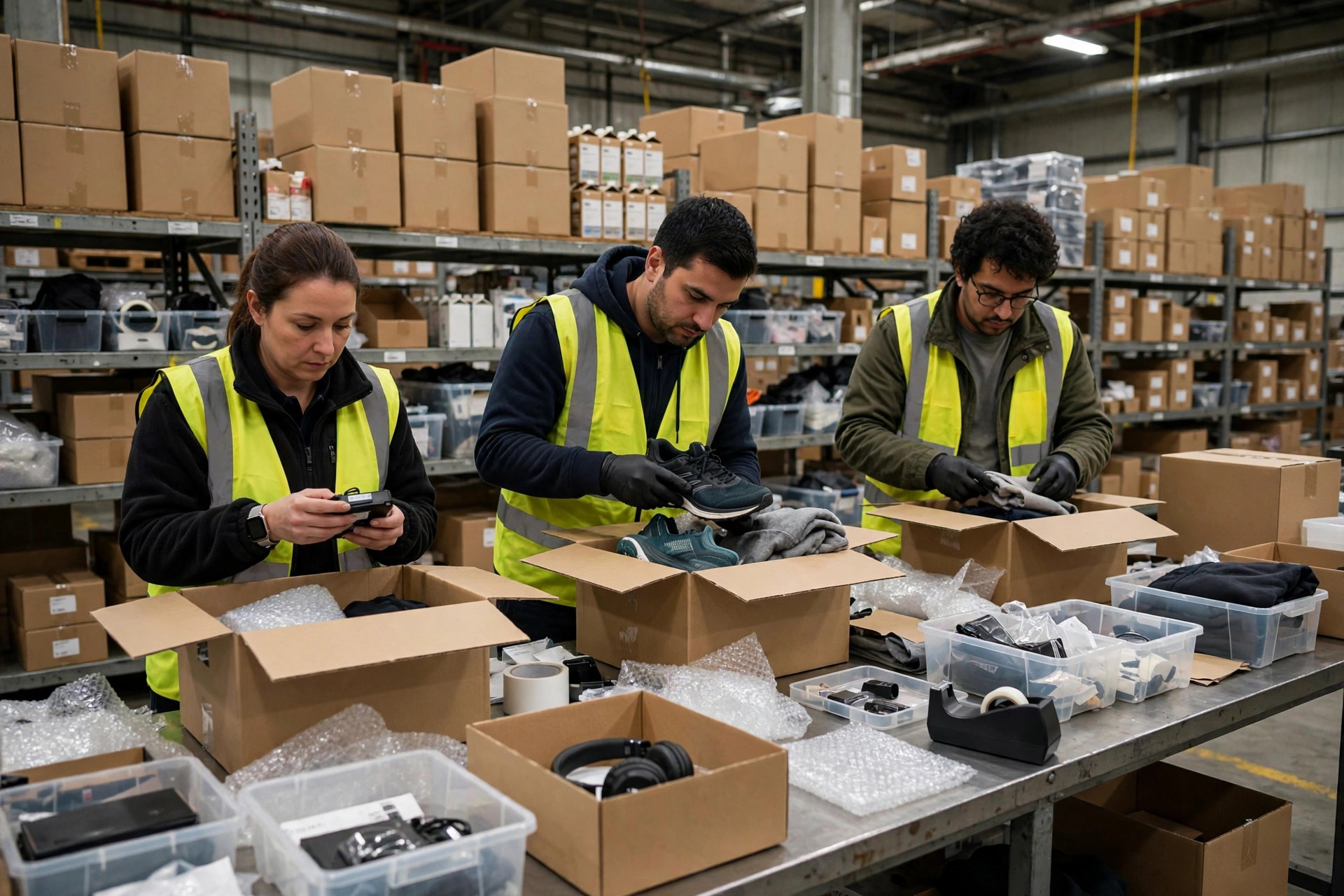
I have the warehouse sort every return into four grades:
- Grade A: never opened, or opened with zero signs of use. Goes straight back to sellable inventory.
- Grade B: box damaged, accessories complete, works fine. Repack in a fresh box, sell as "like new" at 10–20% off.
- Grade C: visible wear but fully functional. Clearance at 30–50% off, or bundle-sell to a liquidator.
- Grade D: broken, missing parts, unfixable. Strip usable parts, scrap the rest.
The grading standard has to be written down, with photos on file. I learned this the hard way: early on I just told the warehouse "use your judgment," and Grade B and Grade C got mixed together. Two one-star reviews followed: "said 'like new' — the corners are all scuffed." Then I made a grading sheet with three sample photos per grade. Problem solved, reviews recovered.
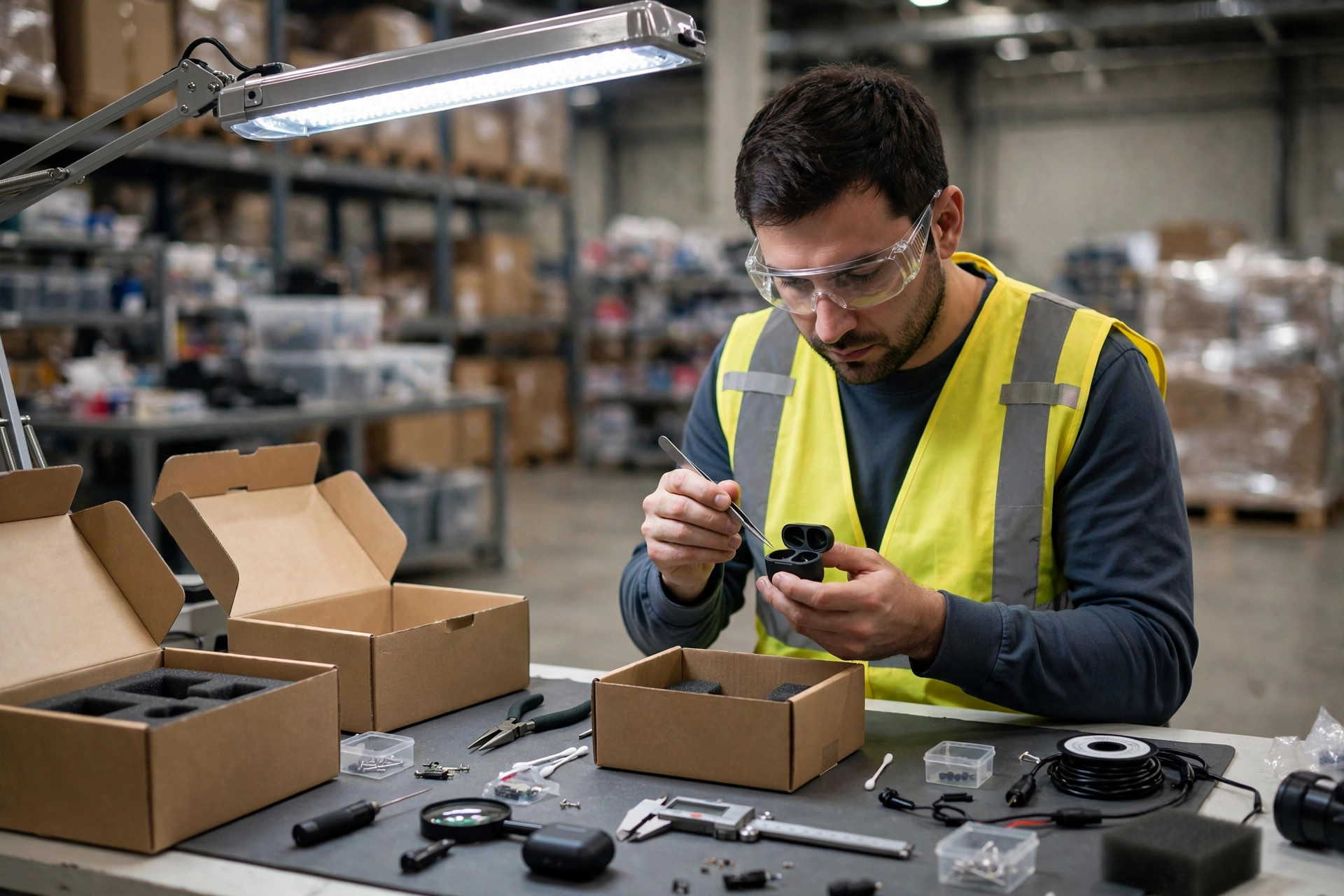
Refurbish, Then Resell: The Two Moves That Turn Returns Into Money
Don't hear "refurbish" and think scam — refurbishing is a legitimate craft.
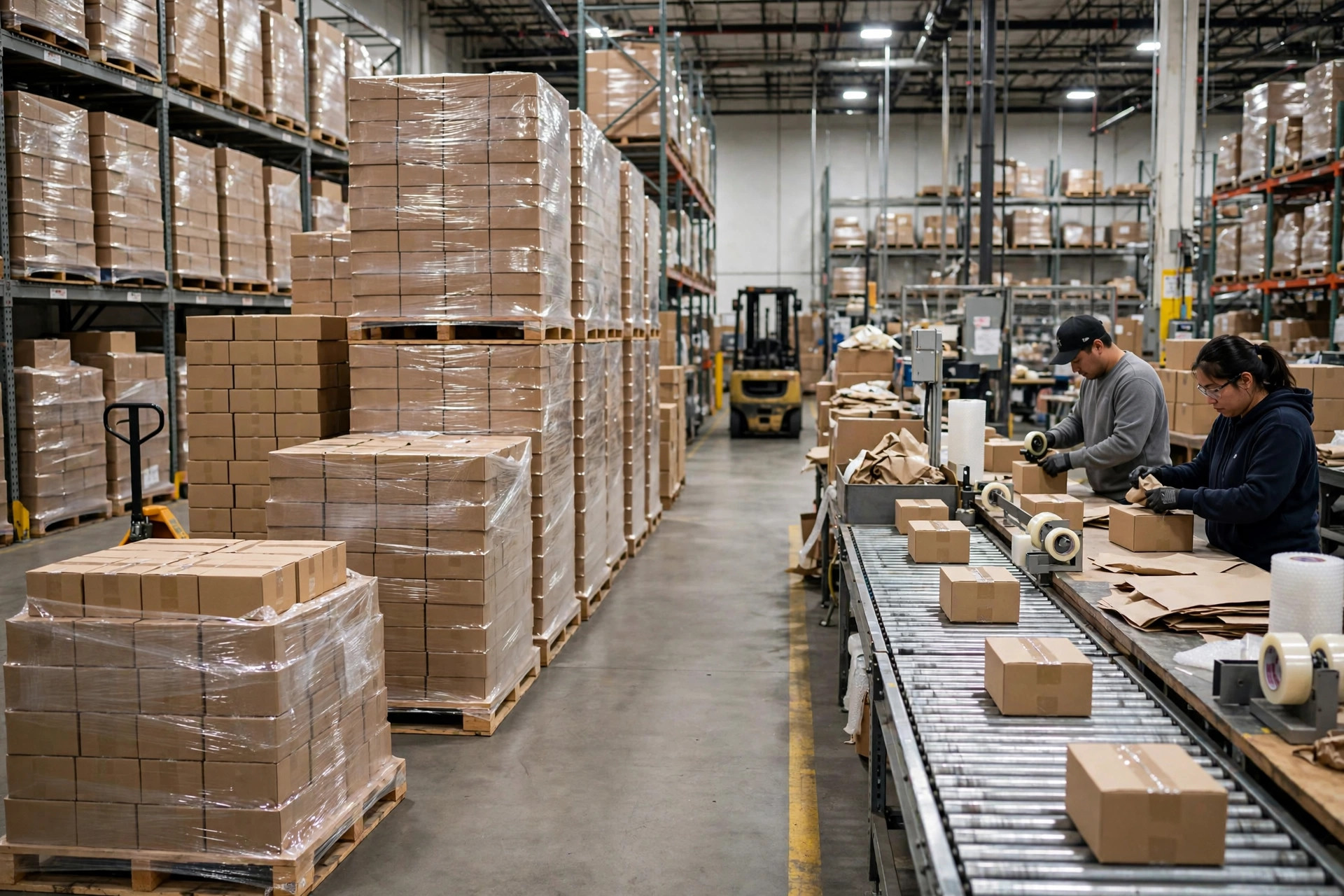
My hero product is a neck massager. The most common returns come back with: crushed retail box, missing manual, charging cable tangled into a bird's nest. The warehouse refurb flow: fresh retail box (I bulk-print and ship them over — under $1 per box), replacement manual, cable re-tied, full five-minute power-on test. Total refurb cost: $3–6 per unit in my experience.
Iron rule of refurbishing: if the refurb cost exceeds 30% of the unit's residual value, don't refurbish — send it straight to Grade C clearance. I ran the numbers: refurbishing a Grade B massager costs me $5 and it resells at 20% off, recovering $40+. But refurbishing a $15 cheap gadget costs $4 and clears for $8. That's just busywork.
For resale, don't mix refurbs with new products — give them their own "Open Box" section. I built a dedicated page on my store called "Open Box Deals": Grade B at 10–20% off, Grade C at 30–50% off, clearly labeled "customer return, professionally inspected, may show light wear, full warranty included." Guess what? That page converts better than my new-product pages. Buyers feel like they scored a deal, and return rates on discounted items run lower — lower price, lower expectations.
Now the numbers, because that's what actually matters. My books for the first half of 2025:
| Item | Figure |
|---|---|
| DTC orders | ~9,000 |
| Return rate | ~12%, i.e. 1,080 returns |
| Grade A back to stock (zero loss) | ~35%, 380 units |
| Grade B refurbished and resold (avg. 75% of retail recovered) | ~30%, 320 units |
| Grade C clearance (avg. 40% of retail recovered) | ~20%, 210 units |
| Grade D scrapped / stripped for parts | ~15%, 160 units |
| Total return processing cost (receiving + inspection + refurb + relisting) | a little over $6,000 |
| Total resale recovery | ~$28,000 |
Compare that to the old days with a China return address: $20–35 international shipping per return × 1,080 units = $20,000–30,000 in freight alone, before customs and the time cost — and everything had to be inspected all over again on arrival. With the loop, returns went from a guaranteed loss to roughly break-even, occasionally slightly profitable.
Here's the counterintuitive part: a 10–15% return rate on a DTC store is healthy. Don't chase zero.
A friend of mine squeezed his return policy so tight his return rate dropped under 5% — and his conversion rate fell off a cliff with it. Shoppers see "buyer pays return shipping + 15% restocking fee" and bounce to a competitor. My policy: 30-day no-questions returns, I cover the US return label ($5–8 a pop in my experience). Return rate went up 3 points, conversion went up 12%, overall profit higher. A return policy is customer acquisition cost, not pure loss. Do the math that way.
Four Pitfalls, All Paid For With Real Tuition
First, make the warehouse log return reason codes. Every return gets a code at unpacking: defective / couldn't figure out how to use / wrong item shipped / buyer's remorse / shipping damage. Without reason codes, you have no idea what's wrong with your product. My end-of-2024 review showed "couldn't figure out how to use" was nearly 40% of returns — so I added a quick-start card with a QR code to a setup video in every box. Three months later, that category of returns dropped by half. Best money I spent all year.
Second, don't route everything to the US warehouse. For low-ticket items (under ~$15), return shipping plus processing can exceed the product's value — "refund without return" is cheaper. My policy states it plainly: items under $15 get an instant refund, no need to ship back. Fewer support tickets, and customers think you're generous.
Third, don't let your Open Box page cannibalize your main product page in search. Don't target the same keywords with both pages or they'll fight each other in the rankings. I keep Open Box as a standalone collection page, out of competition for head terms, driven by on-site recommendations and email marketing.
Fourth, audit your returns inventory quarterly. Grade B and C units sitting in the warehouse still rack up storage fees. Anything unsold after 90 days gets bundled off to a local liquidator — recover the cash and move on, no sentimentality.
Bottom line: you can't avoid returns. DTC means you write your own return policy — too loose and you bleed money, too strict and you bleed customers. The only real answer is turning returns into a recovery pipeline: receive locally, grade fast, refurbish cheap, resell with dignity.
This one's tested and proven on my own store. Two years in, returns went from "a black hole that loses money on every order" to "roughly break-even, occasionally profitable." The money I saved covers two extra months of ad spend.
By Ah K, E-commerce Seller (5 yrs)