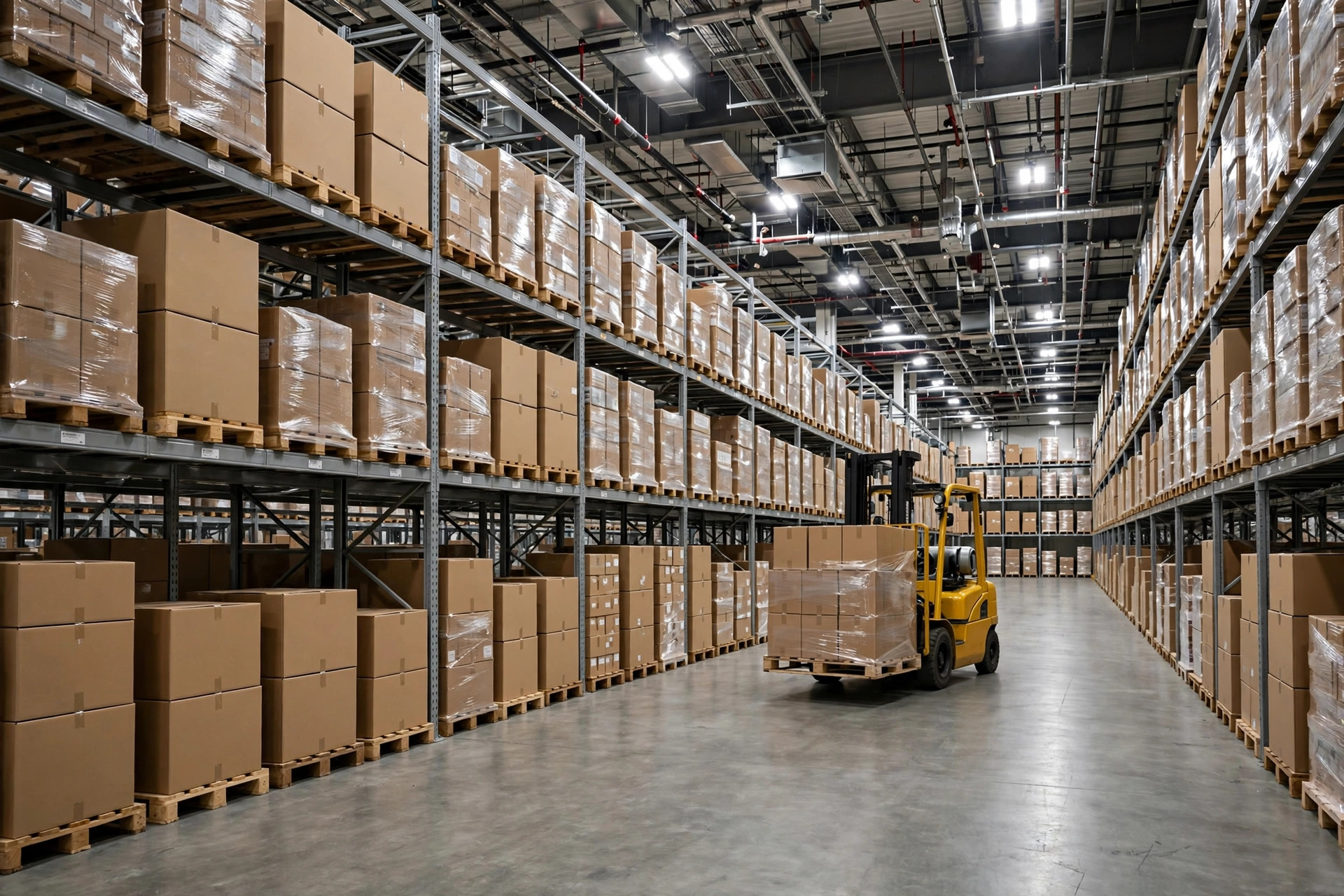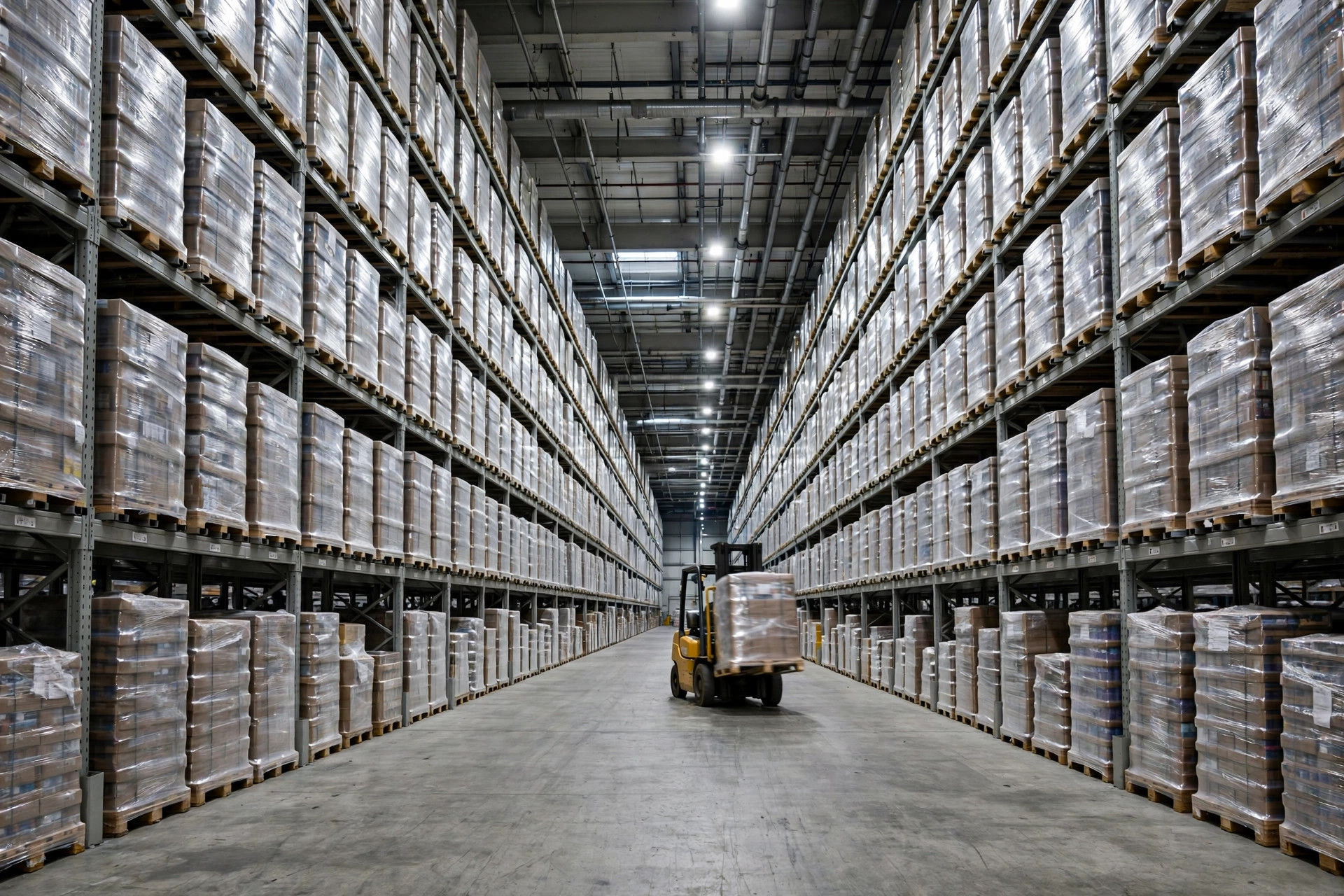
Take the same half-kilo trinket. Dropshipped, fulfillment runs roughly $8–12 per order. Stock it in bulk at an overseas warehouse and ship from there, and you're down to $4–6 per order. Tempting — until you remember the second option means parking tens or hundreds of thousands of dollars in inventory, plus warehouse rent. The dividing line isn't unit cost. It's inventory velocity. I've run this math for plenty of sellers, and the ones who get it wrong lose real money.
Both sides of the ledger
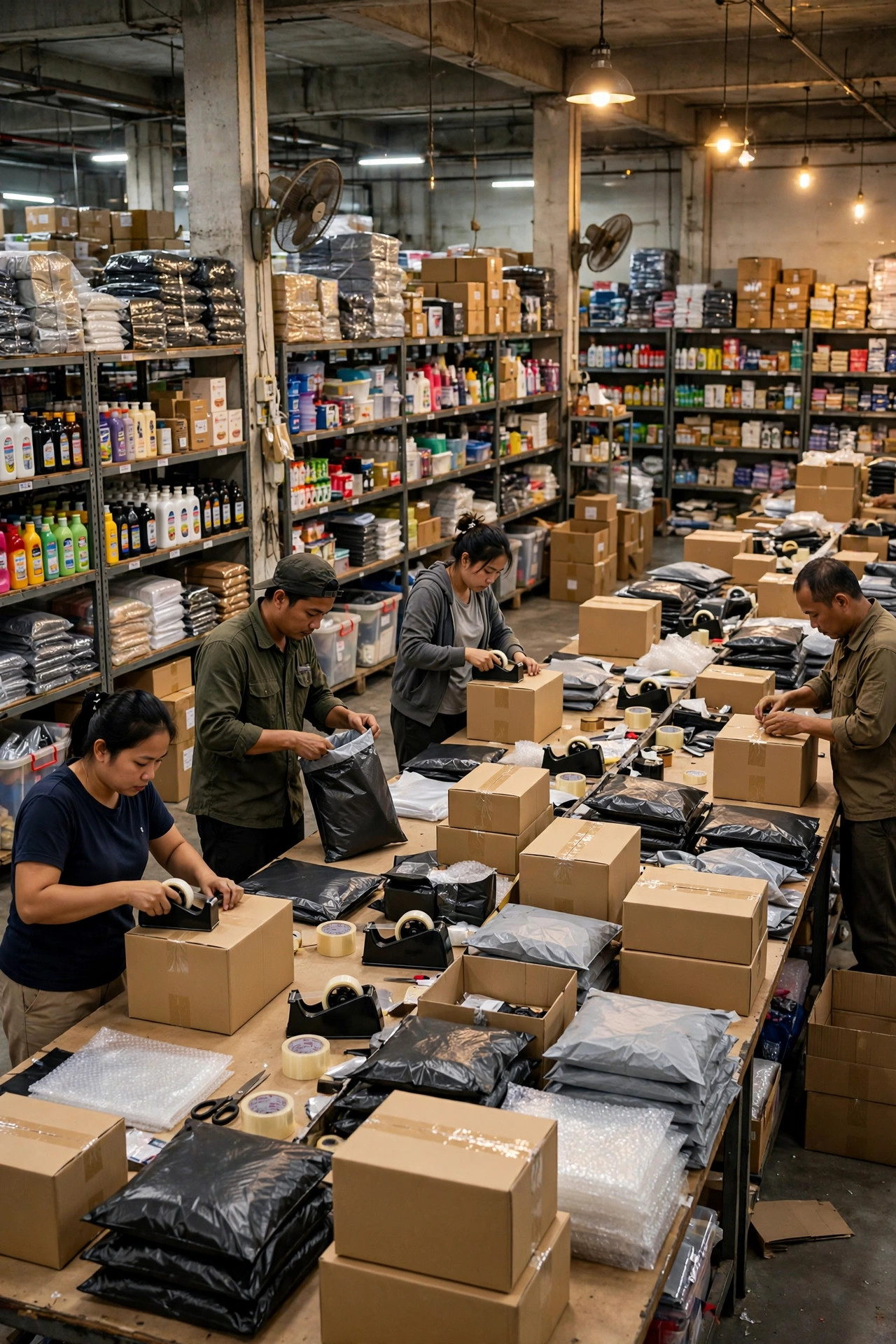
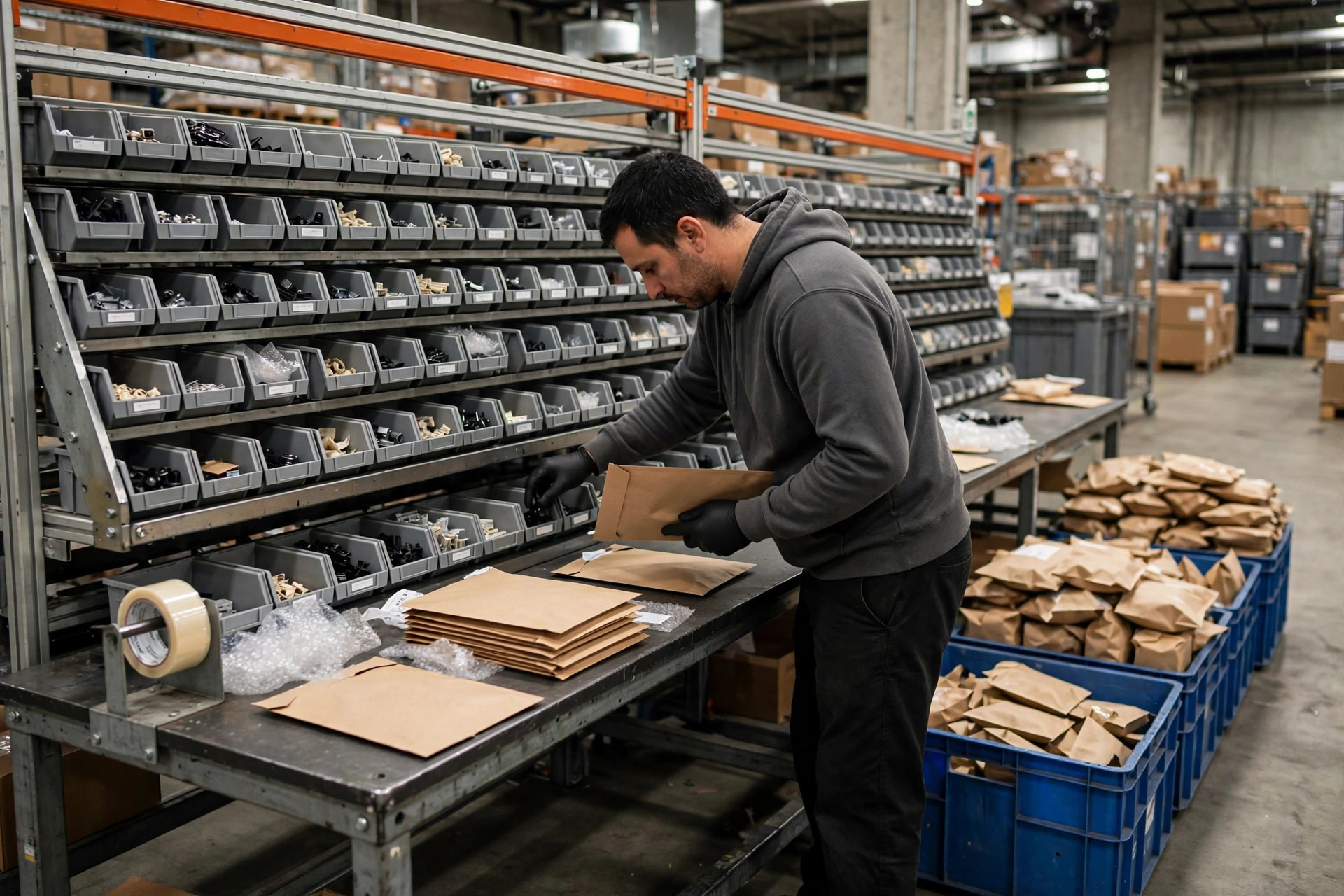
Dropshipping has a clean cost structure: product cost (after the dropshipper's markup), a per-order dropship fee, and last-mile postage. No inbound freight, no warehousing, no tied-up capital. It's expensive per unit because the dropshipper takes a cut and last-mile ships at something close to retail rates — $8–12 an order is typical, and volume doesn't move the needle much.
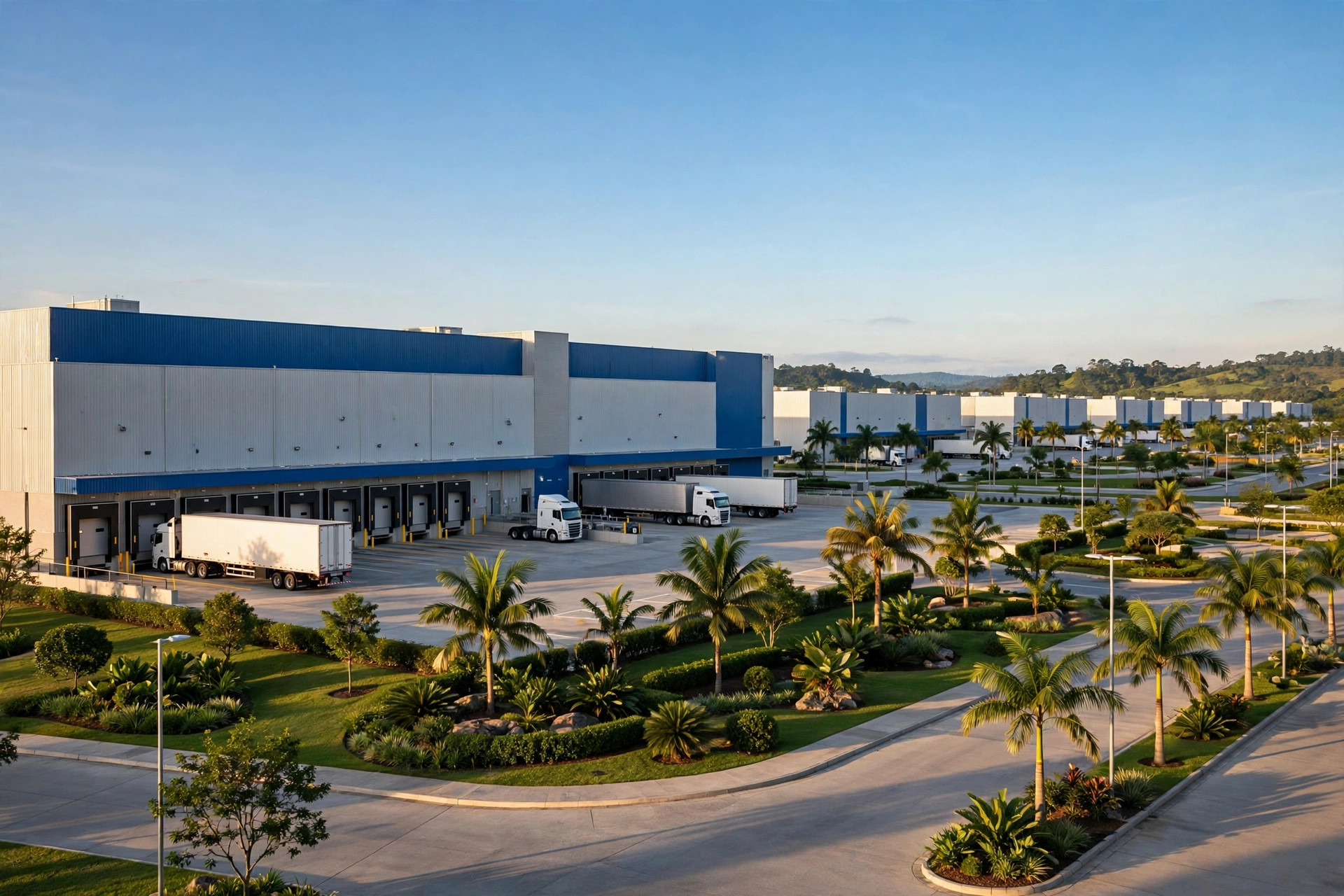
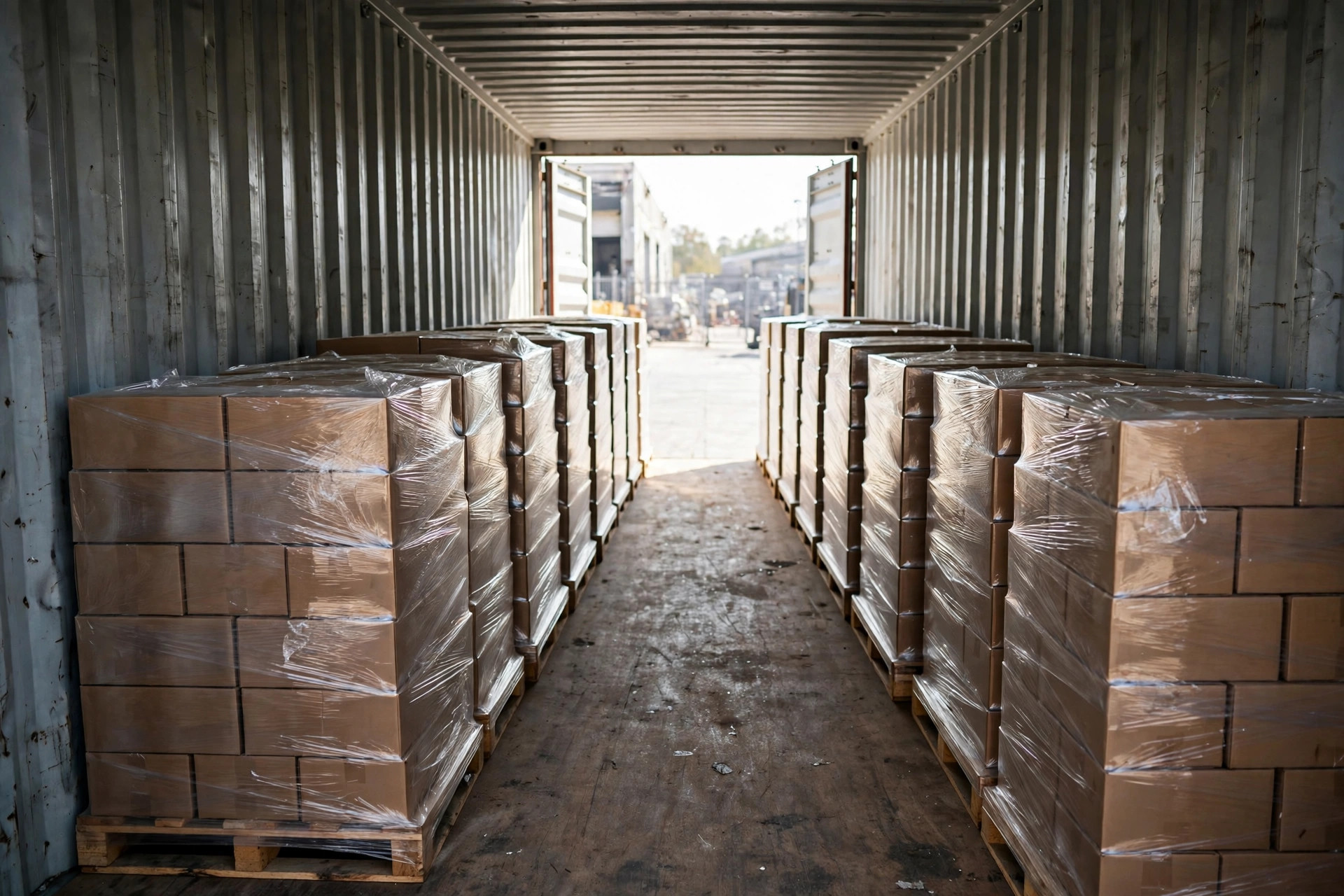
Bulk stocking plays a different game: inbound ocean freight amortized per unit, overseas warehouse storage (per pallet or per cubic foot), outbound handling fees, last-mile postage (where volume earns you real discounts), plus the cost of capital sitting in that inventory. You can get to $4–6 a unit — but only if the goods keep moving. Every pallet gathering dust is burning money.
Neither side has counted returns yet. A 5% return rate and a 15% return rate are two different businesses, and dropship return handling is brutally expensive. More on that below.
Returns deserve their own line item because they break the simple math. On dropship, a return usually means one of three bad outcomes: the customer ships it back to the supplier in China (postage exceeds the product value), it's destroyed locally (you eat the full unit cost), or it sits in a returns consolidator's warehouse racking up storage fees. None of these show up in the per-order quote your dropshipper gave you. I tell sellers to model returns as a separate P&L: return rate × average return handling cost, and get that handling number from three months of actuals, not the supplier's brochure.
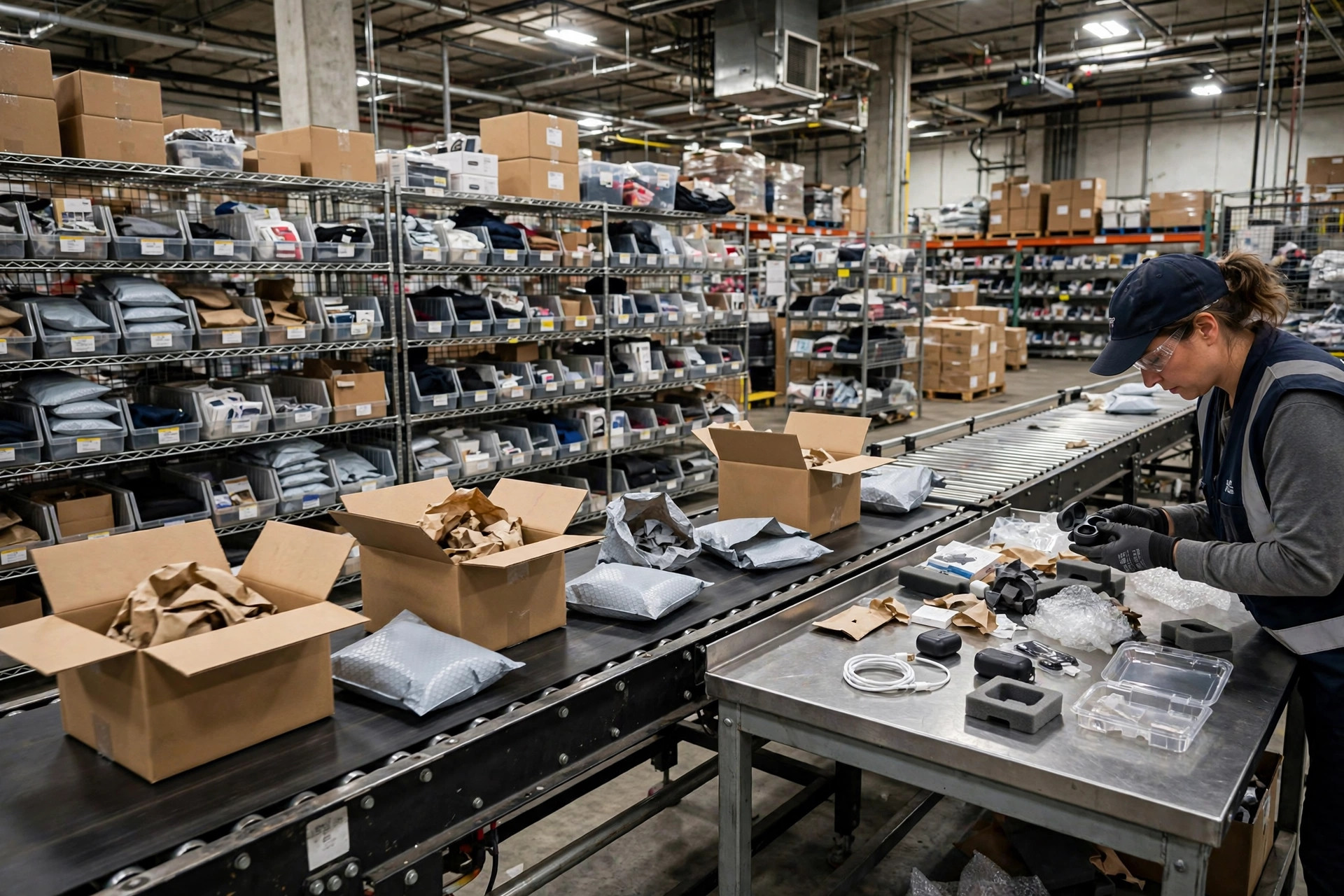
On bulk, returns go back to your overseas warehouse, where a two-minute inspection sorts them into resellable, refurbishable, and scrap. A resellable return recovers nearly the full unit economics; even refurbishable ones recover most of it after a wipe-down and a new polybag. The warehouse charges a receiving-and-inspection fee per return — typically a few dollars — which sounds like a cost until you compare it against destroying a $25 product on the dropship side. High-return categories aren't just cheaper on bulk; they're only viable on bulk.
Three numbers decide which side you're on
Ignore the pitches from both camps. Look at your own three numbers:
One: daily orders per SKU. The hardest metric there is. A SKU doing 20+ orders a day with stable sell-through almost always wins on bulk — inbound and storage amortize beautifully across volume. A long-tail SKU under 5 a day will kill you on bulk: 35 days on the water, plus customs, plus receiving — three months of capital locked up at sea and in the rack, and if it doesn't sell you've built yourself a dead-stock monument.
Two: sell-through stability. Evergreen winners and proven staples suit bulk; test runs and seasonal items suit dropship. I knew a Shenzhen seller whose outdoor lamp went viral in 2023 — daily orders jumped from 30 to 400. He rode dropship for two months at double the per-unit cost of bulk, and his reasoning was sound: if this is a three-month fad and I stock 50,000 units, that's a graveyard. The fad did fade. He carried zero stranded inventory. Money well spent.
There's a hybrid most sellers miss: bulk the proven core, dropship the long tail, and use the overseas warehouse as the consolidation point for both. Some 3PLs will receive your dropship supplier's parcels, quality-check them, and inject them into your outbound flow — you pay a per-parcel handling fee, but the customer gets one tracked shipment and your brand on the box instead of the supplier's. The per-order cost lands between pure dropship and pure bulk, and it buys you something neither gives you alone: a single unboxing experience across your whole catalog. Ask your 3PL whether they offer supplier-parcel injection before assuming the two models can't mix.
Three: return rate. Apparel returns run 20% or higher, and dropshipped returns either get destroyed or shipped back at a postage cost above the product's value. For high-return categories, bulk stock at an overseas warehouse with refurbishment and resale is actually the cheaper play — every returned unit you inspect and resell saves the full unit economics of the order.
The worst place is the middle
SKUs doing 30–100 orders a day are the awkward teenagers of this decision: too expensive to dropship comfortably, too thin to amortize bulk, inbound shipments that can't fill a container, LCL rates that won't come down. Plenty of sellers bleed from both sides in this band and blame their operations.
My advice: if you're stuck in the middle, cut SKUs first. Kill the bottom 30% of movers and keep them on dropship for testing; move the top 20% decisively to bulk. The middle band isn't something you optimize your way out of — it's something you choose your way out of.
The line, ready to use
Here's the rule I've drawn for clients more times than I can count: a single SKU doing 20+ orders a day, stable sell-through, controllable returns — bulk it. Under 5 a day, testing, seasonal — dropship first. Stuck between? Cutting SKUs beats optimizing costs.
One more iron rule: the moment to switch from dropship to bulk isn't "when it feels like enough volume." It's when daily volume has held above the line for 60 straight days. One viral day doesn't count. Two stable months do. Bulk stocking buys certainty, not viral dreams.