Building your own US overseas warehouse is the idea I hear most these days. It almost always starts the same way: the boss looks at the 3PL's monthly invoice, winces, and thinks, "I could do this myself for half the money." Hold that thought. Let me tell you about two clients first — then decide.
We have a client who signed the lease before finishing the math
Fall 2022. A Shenzhen seller of small home appliances came to me. He'd been with a 3PL east of Los Angeles for two years, doing about 2,000 orders a day, spiking to 8,000 in peak season. The 3PL's monthly bill — storage plus handling — was creeping toward six figures in Q4. He slammed the table: "I'll do it myself and save half."
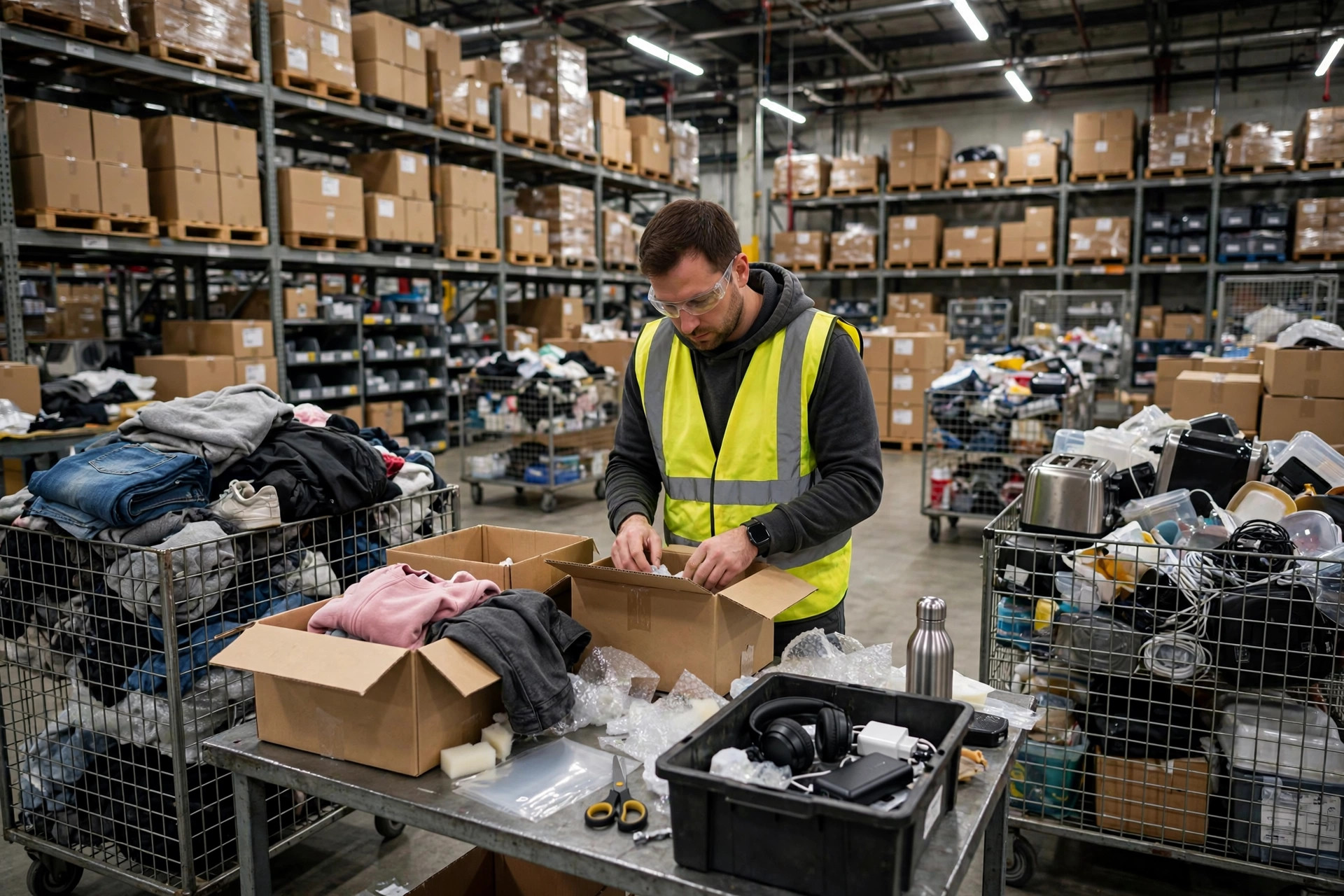
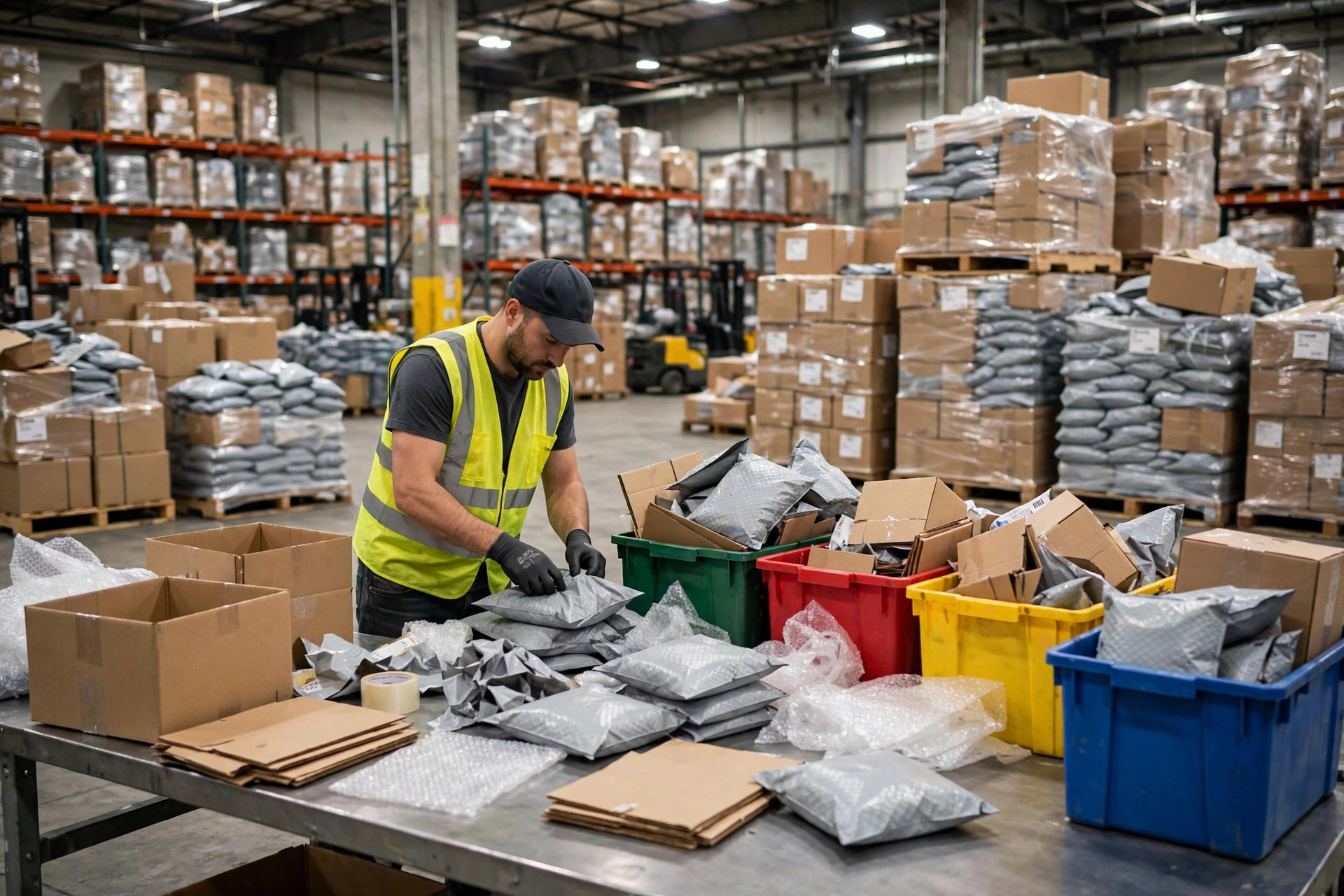
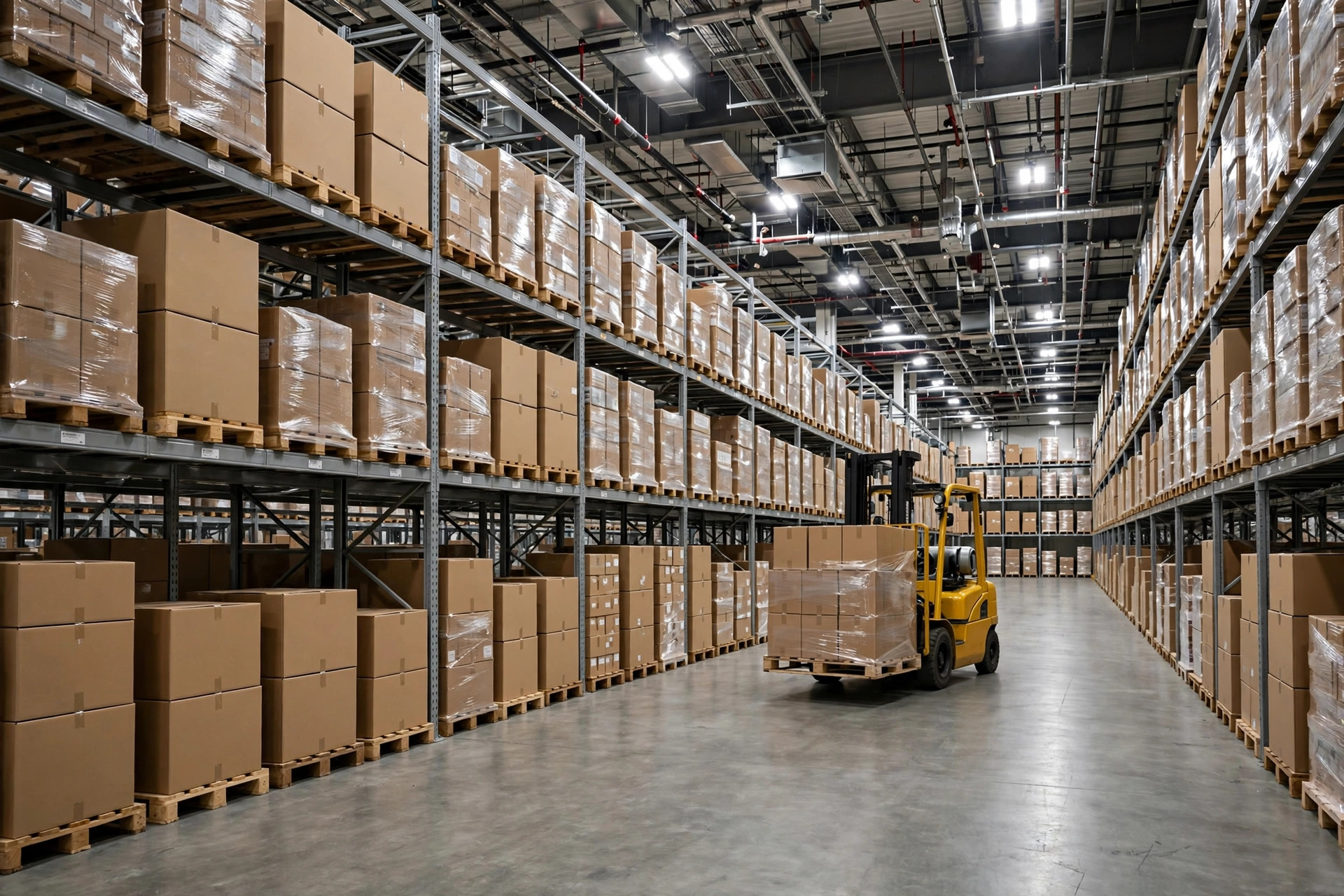
I couldn't talk him out of it. By year-end he'd signed a 30,000-square-foot lease near San Bernardino, five-year term. Then came the buildout: racking, two forklifts, a WMS, a dozen hires. Year one was pure friction — racking installation took two months, the warehouse manager he hired quit after three, and integrating the WMS with his ERP back in China ate another quarter. Then peak season hit in year two, short-staffed, and the warehouse blew up for three days. Guess who he called? Us. Emergency 3PL rates, as you can imagine, are not the friendly kind.
In year three I ran the full numbers with him. Years one and two, self-operating cost him nearly double what the 3PL would have charged. Only in year three, with volume steady above 4,000 orders a day, did his per-order cost finally dip below the 3PL's quote. His own words: "If I'd known the timeline, I'd have waited two years — or grown the volume first."
The second client was smarter. A Dallas auto-parts seller, 2023, doing around 500 orders a day, also tempted by the idea. But before signing anything, he asked me for a complete 3PL rate card and broke every line — inbound, storage, pick/pack, outbound, account fees, returns processing — into a "shadow P&L": what would each order cost if he built it himself? Answer: more than 1.5x the 3PL's price at his volume. He didn't build. He took that shadow P&L back to his 3PL and negotiated a three-year deal at a steep discount. "That spreadsheet," he told me, "was worth a down payment."
The mechanics of a self-built US warehouse: three buckets of money, each more rigid than the last
After years on the selling side of this business, I see three buckets in any self-built US warehouse — and each is more rigid than the last. Once the money goes out, it doesn't come back.
Bucket one: the lease. US warehouse leases typically run three to five years, with annual escalations baked into the contract. Everyone signs thinking, "I'll definitely be bigger in five years." Then the slow season arrives, and every empty square foot burns cash. Why can 3PLs take on small clients? Because we blend dozens of clients' peaks and valleys together and smooth them out. Build your own, and that smoothing becomes your job.
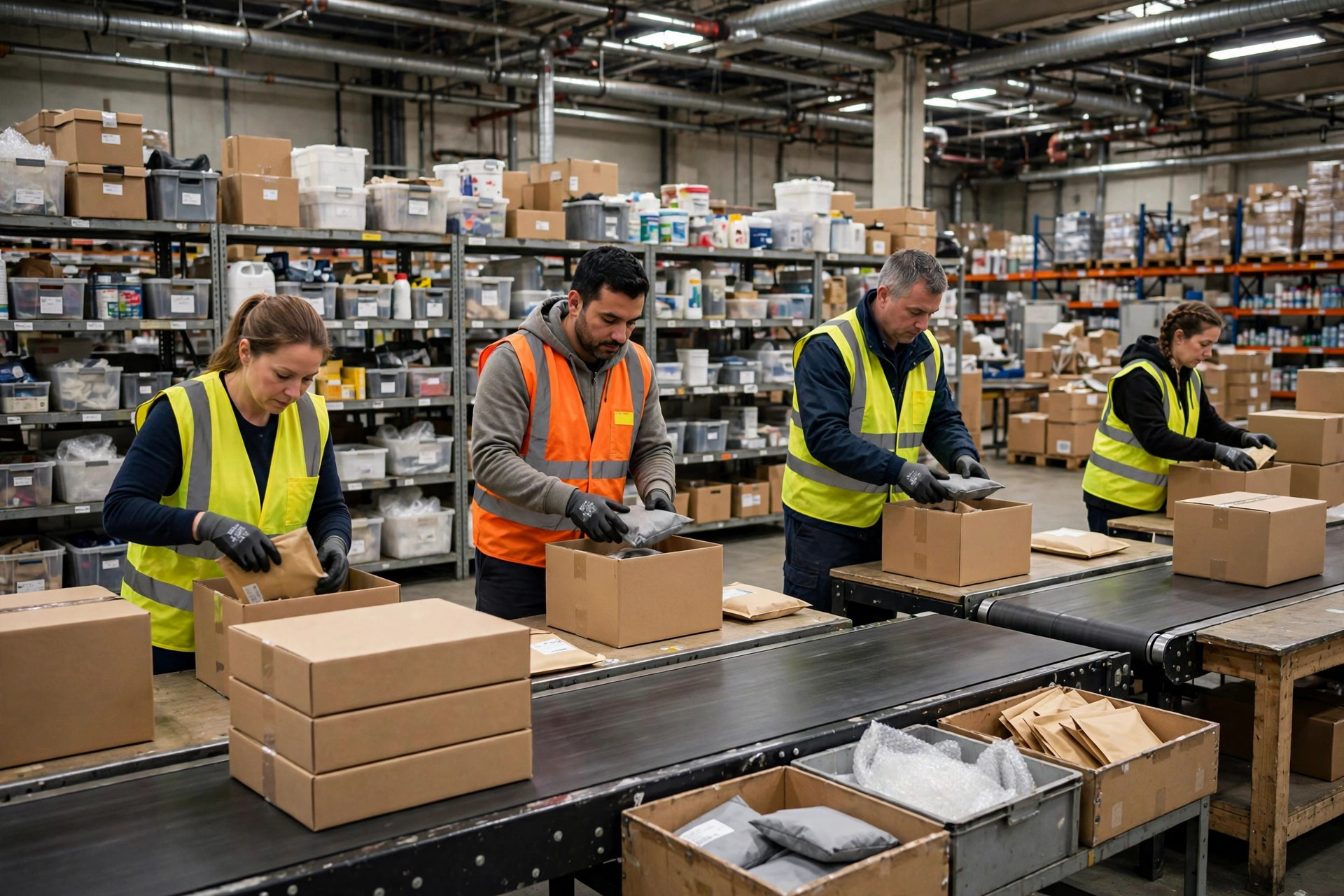
Bucket two: people. This is the bucket clients underestimate most. Hiring for a US warehouse is not "post a notice and they show up." Peak season needs double the headcount; temp agency labor costs a premium over full-time, and you still have to train them and eat their error rate. A solid warehouse manager in LA or Dallas gets poached constantly. One of our clients went through three managers in a single year — every changeover cost a month of productivity.
Bucket three: the system. WMS — buy it outright or pay per order? Deep water here. Buying is cheaper long-term but demands heavy upfront spend, and integrating it with your home-country systems is a whole separate project. Per-order pricing is flexible, but gets expensive at scale. Most bosses budget for the software and forget the implementation and integration man-days.
Rolled together, here's the rough framework I use (treat the figures as directional — check your local market, and don't quote me on these):
| Cost item | Self-built warehouse | 3PL overseas warehouse |
|---|---|---|
| Rent / storage | Fixed, 3–5 year lease, paid even in slow months | Pay for what you use, flexible |
| Labor | Fixed crew + peak-season temp premium | Per-order / per-touch pricing |
| Systems | Upfront investment + annual maintenance | Bundled into service fees |
| Equipment (forklifts, racking) | Upfront, depreciation is yours | Not your problem |
| Hidden costs | Hiring, training, emergency overflow | Transparent bill, but the rate includes the provider's margin |
The breakeven hinges on two dimensions: volume and time. Back-solving from the dozen-plus rate cards I've negotiated over the years: below roughly 3,000 orders a day, self-building rarely pencils out. Above roughly 5,000 a day, with peak-to-trough swings under 2x, payback typically lands in the 18–36 month range. Stuck in between? Then it comes down to how much you value control.
The counterintuitive part of a self-built US warehouse: you don't build to save money
Here's something we on the selling side don't love admitting: building your own US overseas warehouse doesn't necessarily save you money.
Buried inside that pick/pack rate your 3PL quotes you is a cost you never see — we absorb your slow season. A 50,000-square-foot building running at 30% utilization in February: the empty 70% is our problem, and it never shows up on your invoice. Build your own, and that cost of smoothing peaks and valleys lands on you, every cent of it.
So the real value of building isn't savings. It's control — your destiny in your own hands. When volume explodes, you don't beg for receiving appointments. New product launch? No waiting in the 3PL's inbound queue. Returns policy? Yours to set. Think of it as insurance, and the mindset clicks: insurance was never supposed to save you money.
Next time you're at the negotiating table, ask these three questions
Whether you're genuinely building or just using the threat of building as leverage with your 3PL, ask these three questions next time you sit down. They're the ones we on the selling side least like hearing:
One: where does peak-season labor come from? If it's a staffing agency, who eats the temp premium and the error rate? This one tests their labor foundation.
Two: can the lease flex? Blend-and-extend, sublease rights, early-termination penalties — how are they written? Rent is the most rigid cost in a self-build; flex clauses are the lifeline.
Three: can we run the system before committing to buy it? Run the WMS on per-order pricing for three months, then negotiate the buyout once the data looks good. Completely different leverage.
Do the math carefully, negotiate hard. Build or outsource was never a question of pride — it's arithmetic.
By Susan, 3PL Sales Director