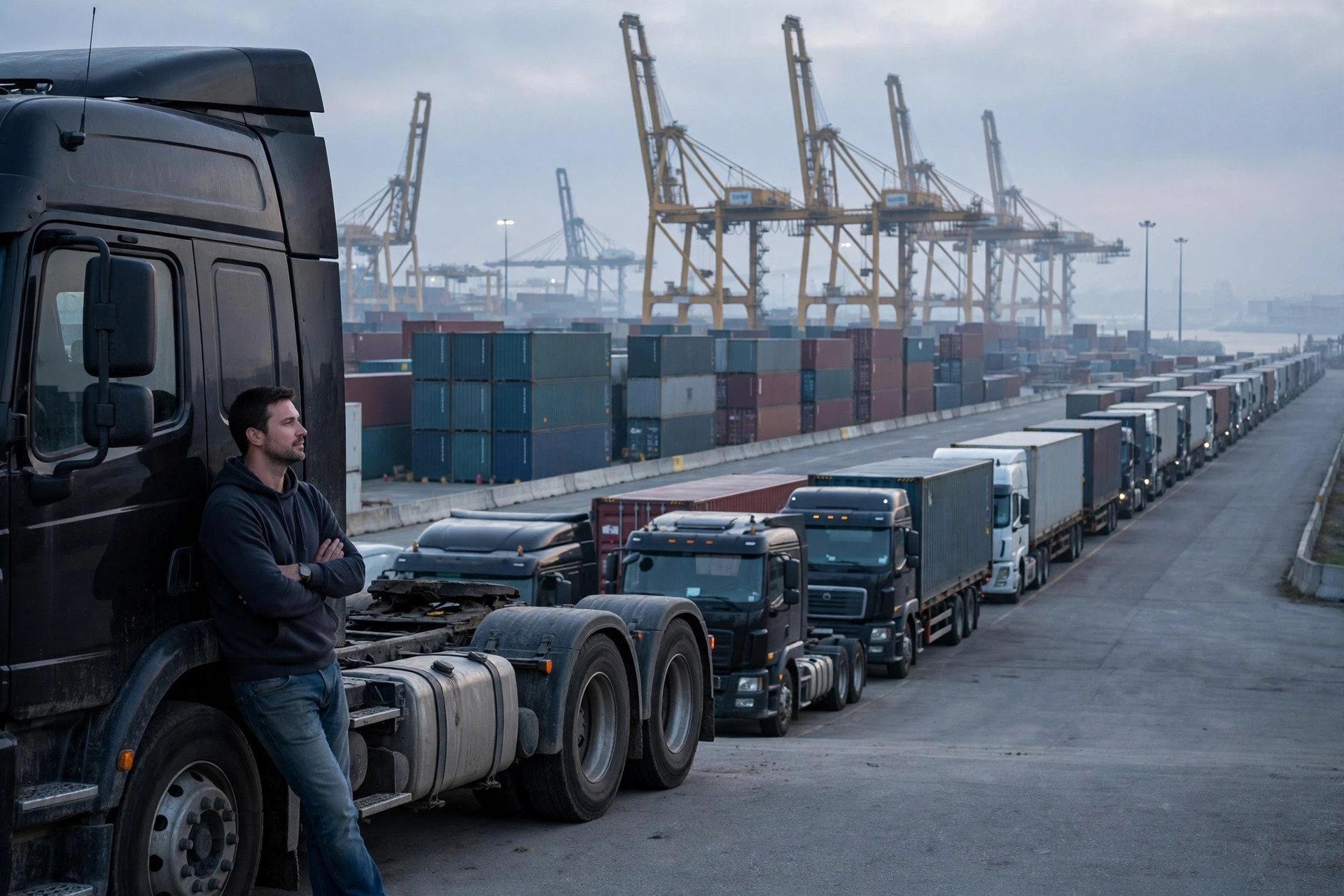
Here is my verdict up front: drayage waiting-time fees are half negotiated at the table and half passed through in the contract. Treat them as a fixed cost and you will eat them yourself — I have watched a mid-sized forwarder absorb close to $100,000 a year in waiting fees on the Long Beach lane alone, money that appeared on exactly zero of their quotes.
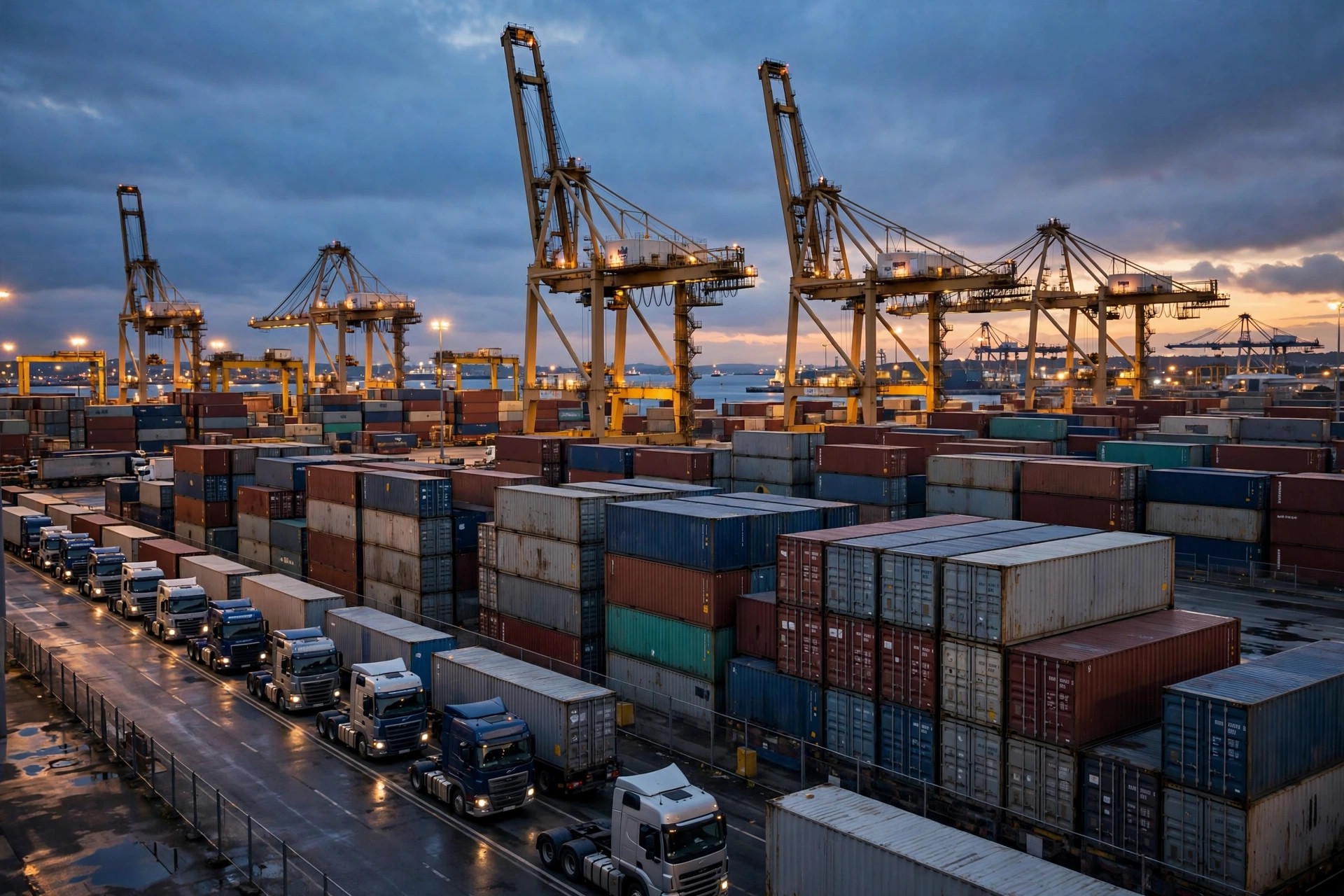
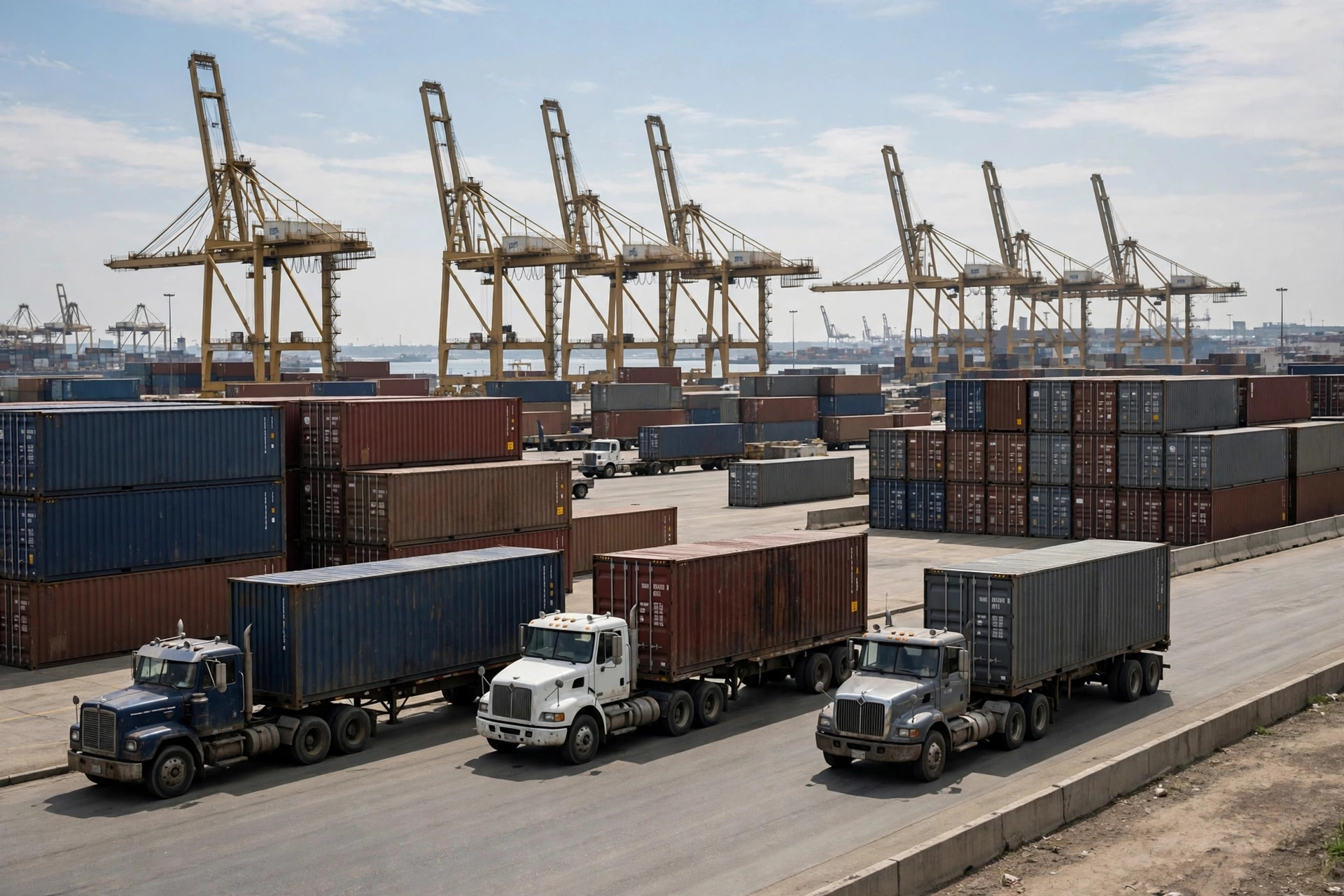
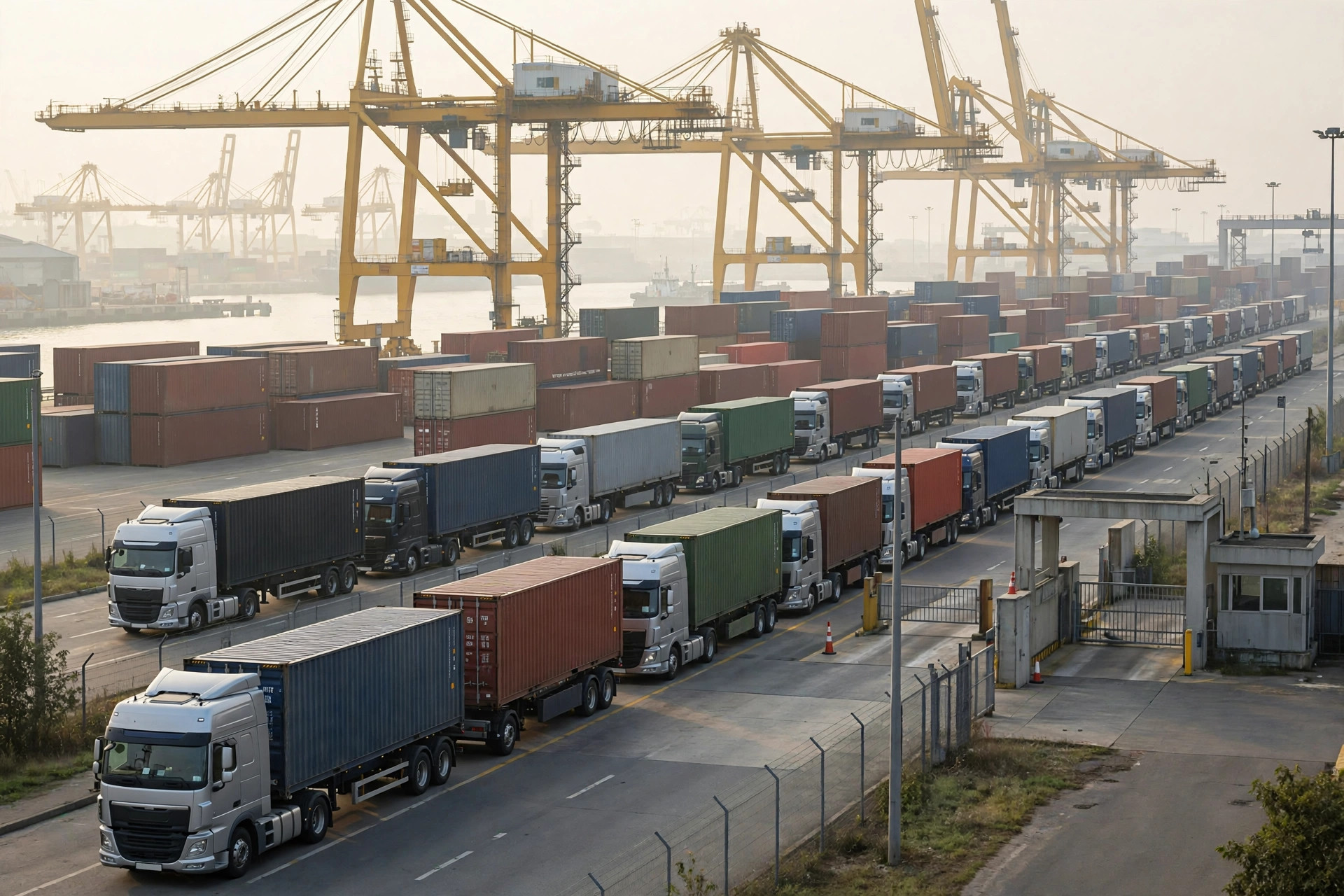
Where does the fee come from? One sentence: the driver got to the terminal, and the container did not come out on time. The causes are always the same short list — the appointment window got pushed by the terminal, the yard had to dig the box out of a stack, customs held it for exam, or the steamship line released the pickup order late. The driver sits outside the gate for two or three hours, and the carrier's clock does not care whose fault it is. Once free time expires, hourly billing starts ticking, and the cost lands on whoever in the chain has the least leverage.
So the first job is figuring out whose bill this actually is. My rule is simple — whoever caused the delay pays — but only if the contract defines what "caused" means with evidence. Plenty of small forwarders write "terminal waiting time at cost" and call it a day. That sentence is worthless. A usable clause names three things: the gate timestamps as the source of truth, the free-time allowance, and the hourly rate with a cap. Timestamps are objective — the terminal app on the driver's phone and the carrier's GPS trail both back them up, which leaves little room for argument.
At the negotiating table, I would focus on four items. First, the free-time allowance. Carriers quote new customers tight terms by default, but if you bring monthly volume, moving free time from one hour to two is very doable — carriers want steady volume and this concession costs them little. Second, a cap on the hourly rate. Open-ended hourly accumulation is the killer; negotiate a per-load ceiling so one nightmare week during peak congestion season cannot blow up the month. Third, the definition of when the clock starts. Does "waiting" begin at the appointment time or when the driver actually reaches the gate? That one sentence can swing thousands of dollars a month. Fourth, billing cadence. Waiting fees are small and frequent — insist on monthly reconciliation with timestamp documentation attached. Settling them load by load will bury your accounting team.

Passing the cost to the shipper is a separate exercise, and the core principle is: write it into the quote before the move, not into an invoice after the fact. I have seen too many salespeople blur the waiting fee to win the business, assuming "it probably won't queue up," and then watch peak season eat their entire margin. There are three ways to write it, in order of aggressiveness. The gentlest is "all-in with an exemption clause": the quote includes two hours of free waiting, anything beyond bills at actuals, with the rate and cap spelled out. The middle path is line-item transparency: freight, waiting time, and chassis usage each get their own line so the shipper sees waiting as a standalone cost — a side benefit is that shippers start pushing their own suppliers to have cargo ready. The most thorough is a congestion surcharge mechanism: when average terminal wait times cross an agreed threshold, a surcharge kicks in automatically, no per-load negotiation during peak. That third one only works if you have the leverage with the customer.
One link most people miss: the paper trail. Did the driver notify dispatch promptly on arrival? Is the notification logged? Make it a process: the driver must check in through the system and photograph the gate queue within 30 minutes of arrival, and dispatch notifies the shipper within an hour that "your box may incur waiting fees." This is not bureaucracy — it is what lets you pass the charge through later without a fight. Shippers can accept paying; what they cannot accept is a surprise waiting-fee invoice for a move from three months ago.
One thing you can do tomorrow: pull six months of waiting-fee invoices and pivot them by terminal, by carrier, and by shipper. Odds are that 80% of the fees sit on 20% of the lanes — renegotiate those lanes first and the payback is immediate. Waiting fees are not an act of God. They are a tax on contracts that were not written properly.
There is one more negotiating lever that small forwarders overlook: appointment discipline on your own side. Terminals track which carriers consistently hit their appointment windows, and the ones with good on-time records get better treatment when things get tight — faster rebooking, more forgiving dispatchers. If your drivers are habitually late to appointments, you are manufacturing your own waiting fees. Before you negotiate harder terms, clean up your own arrival data for 90 days. It strengthens your position and, frankly, it is embarrassing to demand two free hours when your own on-time rate is 70%.
A word on chassis, because waiting fees and chassis fees travel together. When a driver waits at the terminal, the chassis underneath the box is also on the clock, and some carriers bill chassis usage separately from waiting time. Read the contract for whether the hourly waiting rate includes the chassis or stacks on top of it. I have seen invoices where the "waiting fee" line looked reasonable until you added the chassis line underneath it and the real hourly cost doubled. If you can negotiate, push for an all-in hourly rate that covers driver, tractor, and chassis. One line, no surprises.
Finally, revisit these contracts on a calendar, not when you are angry about an invoice. Put a 90-day reminder before every carrier contract renews, and walk in with the lane-level data: total waiting fees paid, top three delay causes, your volume trend. Carriers respect customers who manage the relationship like a business instead of calling to complain about one bad week. The shippers who get the best terms are not the biggest — they are the most prepared.