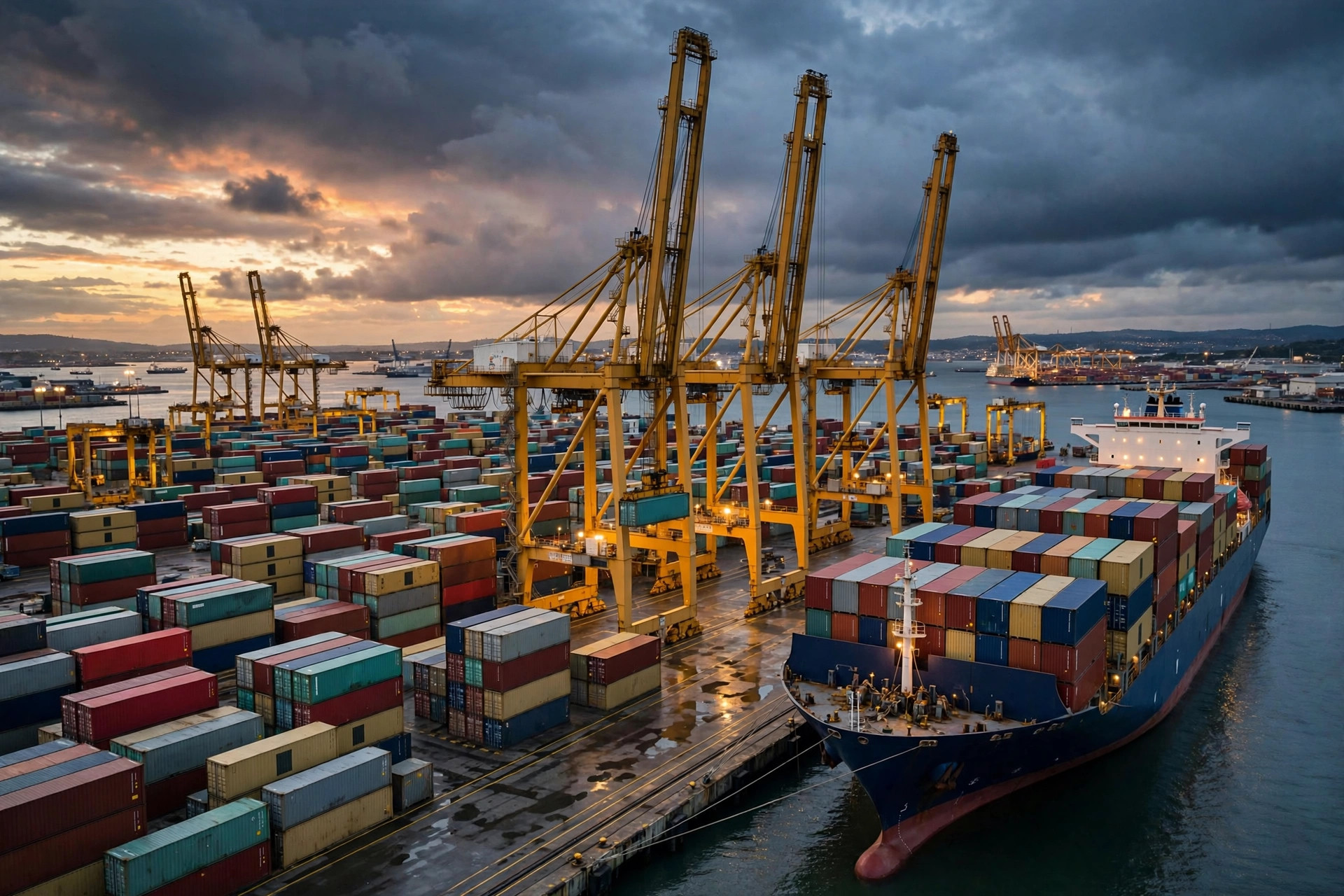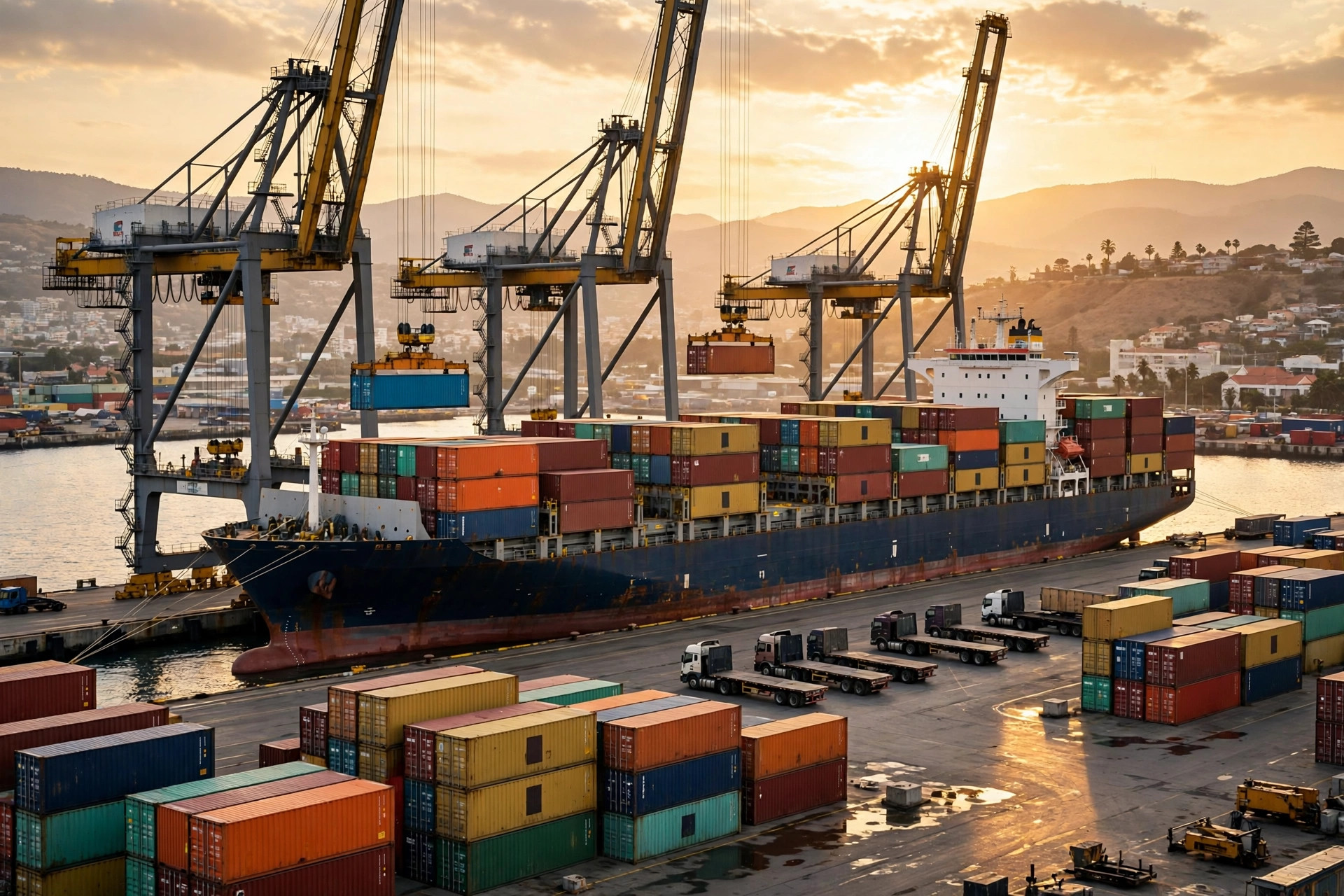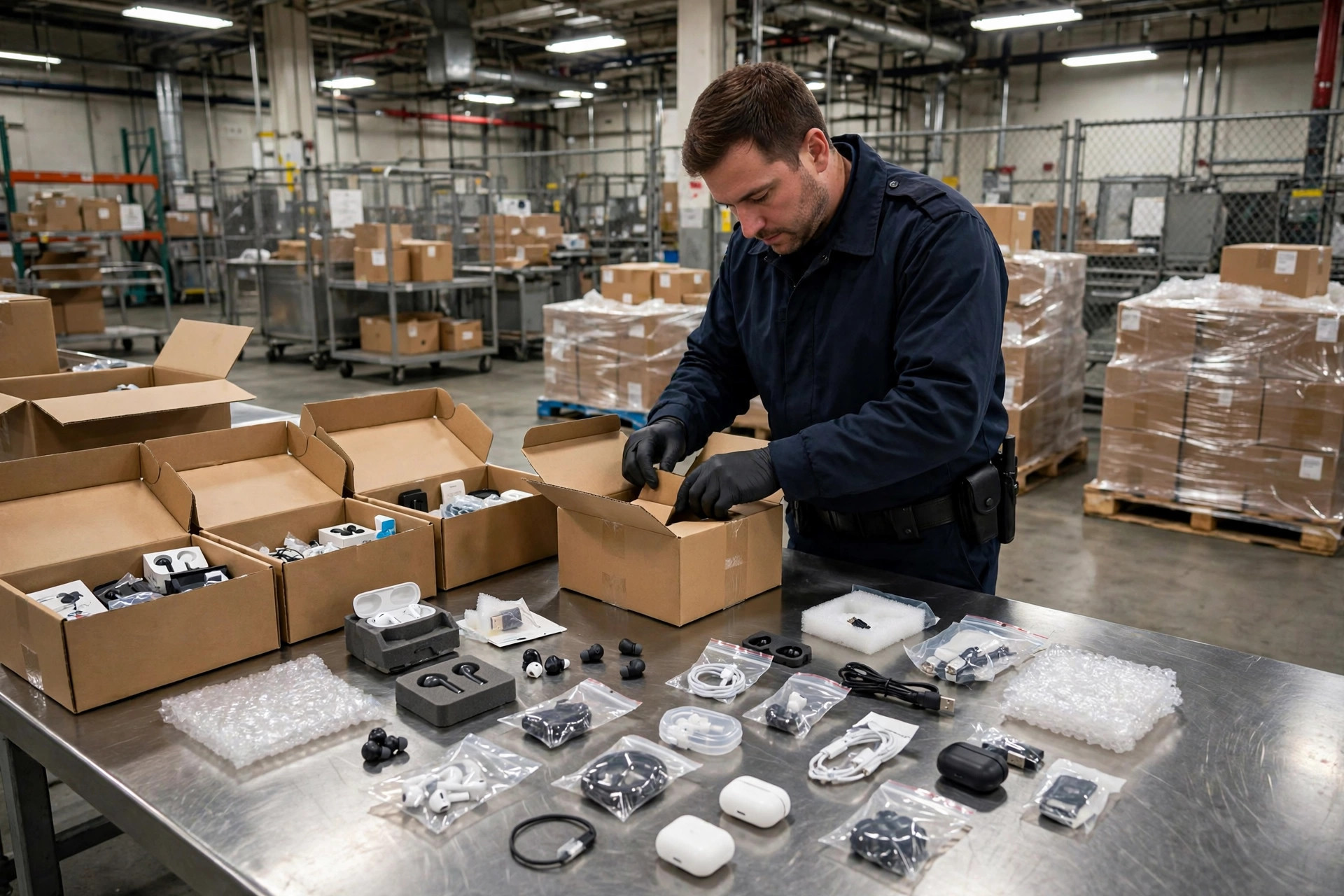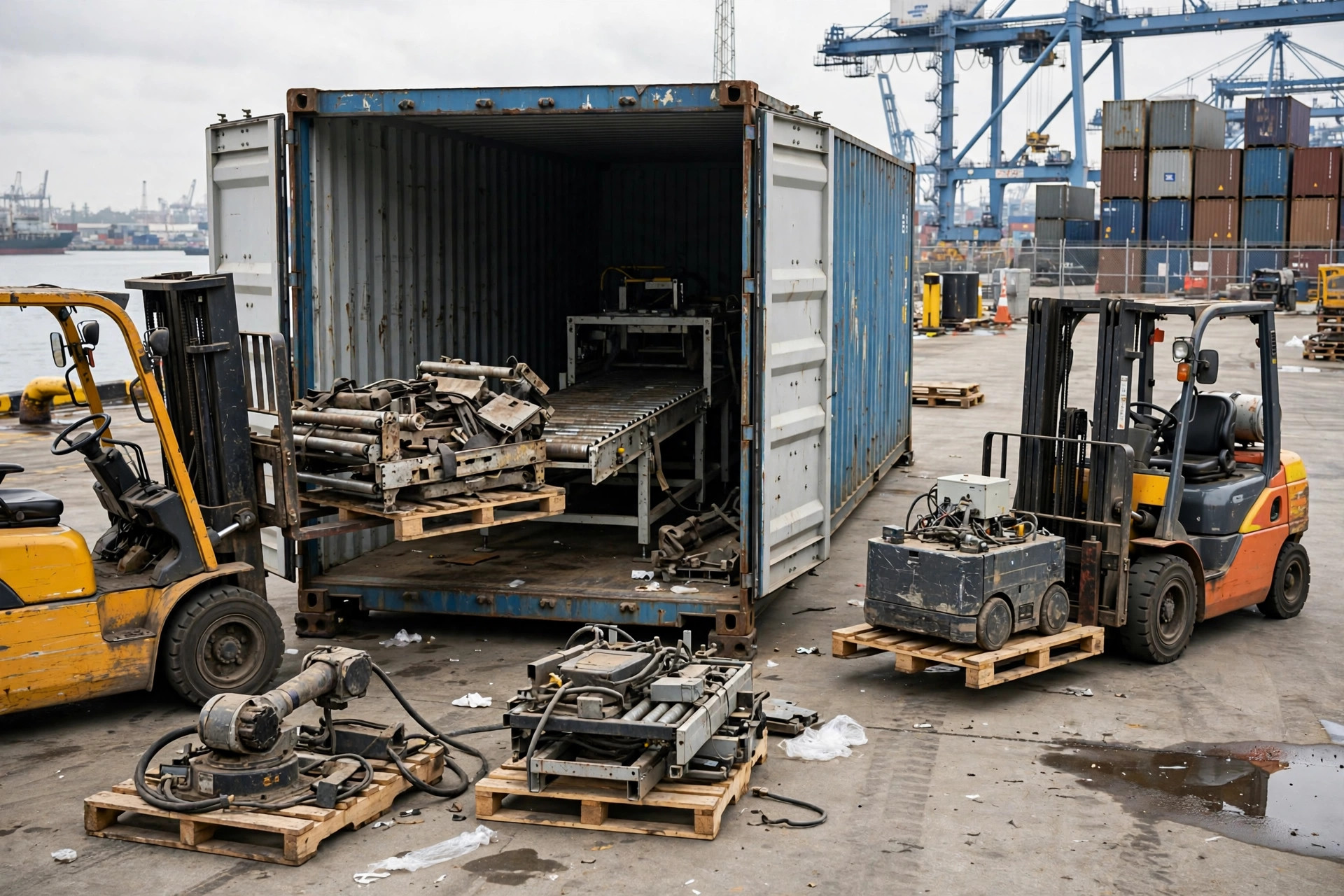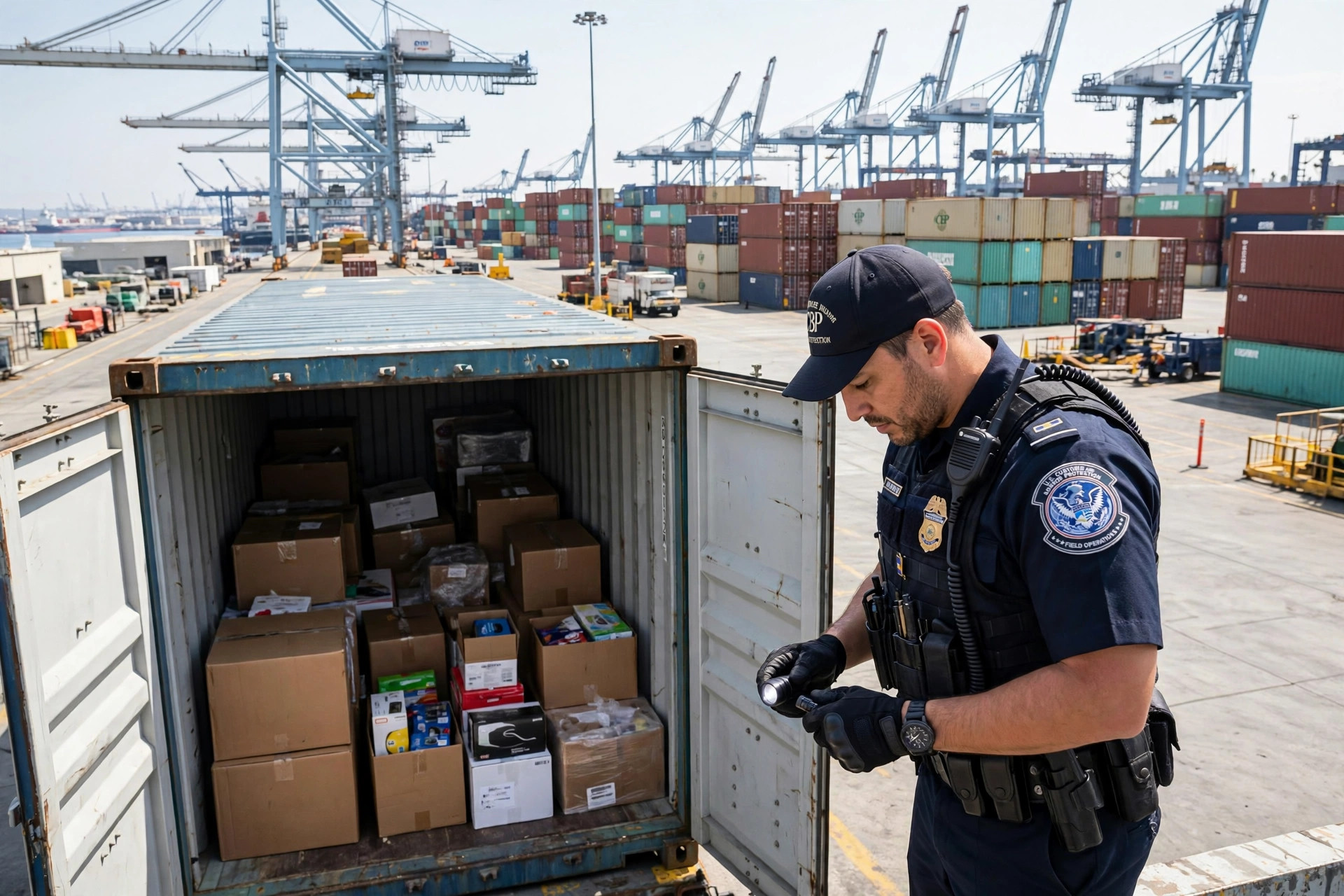
"We do DDP. Duty paid, delivered to your door. You don't have to do anything."
That's what the Chinese sales rep said on a video call last year, while I was helping a 3PL client buy automated forklifts. The client's owner lit up. Equipment leaves the factory in China, shows up at his warehouse in California, and every bit of customs and duty in between is the seller's problem. He wouldn't even need a customs broker.
My first thought: there's no such thing as a free lunch. Somebody priced that convenience in.
Twenty years in this business has taught me that "hassle-free" quotes always come with a price tag. The work doesn't disappear — it just changes hands, and whoever takes it on bakes the cost and the risk into the number. DDP done right buys you certainty. Done wrong, it buys you dependence.
So what does DDP actually cover — and what doesn't?
Let's unpack the term. Incoterms 2020 has eleven rules, and DDP is the only one where the seller handles import clearance and pays the duties. Under the other ten — DAP, FOB, EXW, all of them — import is the buyer's job, period.
DDP stands for Delivered Duty Paid. The seller arranges freight to the US, handles export clearance, clears the goods through US import customs, pays all duties and import taxes, and delivers to your named warehouse. In theory, the buyer only unloads the truck.
Sounds great. Two catches the sales rep won't volunteer.
First, DDP does not include unloading. The truck arrives at your dock; getting the equipment off is on you. Trivial money, but I've watched buyers get blindsided by detention charges because the driver sat at the gate for three hours while everyone argued about whose job unloading was.
Second, the bigger one: the seller has to be legally capable of importing into the United States. The Incoterms rules are explicit — DDP requires the seller to complete import formalities in the destination country, which means acting as the importer of record or appointing a compliant agent. The reality? Plenty of small and mid-size Chinese equipment makers have no US entity. They subcontract clearance through layers of freight forwarders. When something goes wrong in that chain, you can't even get a complete set of entry documents — and the equipment is yours. If Customs comes back with questions later, they follow the cargo.
When does DDP turn into a trap?
A DDP quote is, at its core, an all-in price. Buried inside it is the seller's bet on the duty rate.
When rates sit still, everyone is happy. But duty rates on Chinese automation equipment haven't sat still for years. Section 301 additional duties on Chinese goods have historically ranged from 7.5% to 25%, and many product categories saw sharp increases starting in 2025. For AGVs, automated forklifts, and racking systems, the rate depends on the ten-digit HTS classification of each item — always verify against the latest CBP tariff schedule. Anyone who quotes you a fixed duty rate with a straight face is gambling.
Here's what losing that gamble looks like. I've seen three versions:
The most common is the pre-shipment price hike. "Duties went up, we need to adjust the DDP price." Your project is already approved, your warehouse retrofit is underway, switching suppliers means starting over. You pay.
The second is the slow-walk. No price increase, just… no shipment. Weeks of silence until you crack and suggest switching to DAP so you can clear it yourself. Leverage gone.
The third is the dangerous one: the seller quietly "optimizes" the classification to a lower-duty code, betting Customs won't look. Under DDP the nominal declarant is the seller or their agent, but the goods are yours, and enforcement follows the cargo. That kind of saving isn't worth touching.
There was a fresh cautionary tale just this month, widely reported in the trade press: CBP issued an evasion determination against the US arm of a Chinese mobile equipment manufacturer, finding it had misrepresented Chinese-made equipment as manufactured in Mexico to dodge antidumping duties. The reported duty exposure was severe. That's the textbook version of clever turning stupid — transshipment, misdeclaration, and classification games are exactly what CBP has been cracking down on, with heavier penalties each year.
So here's my verdict: the real risk of DDP isn't the price — it's that you've outsourced both the duty-rate risk and the clearance control. The price is a visible line item. Losing control is an invisible one, and invisible line items always surface eventually.
Is DAP automatically the safer choice?
Under DAP (Delivered at Place), the seller gets the goods to the destination and handles export; import clearance and duties are entirely yours. The upside is real: you pick the classification, you check the rate, you choose the broker, and every document sits in your files. When rates move, you hear about it first — not from a seller asking for more money.
But DAP has a prerequisite: you have to be able to catch what the seller throws.
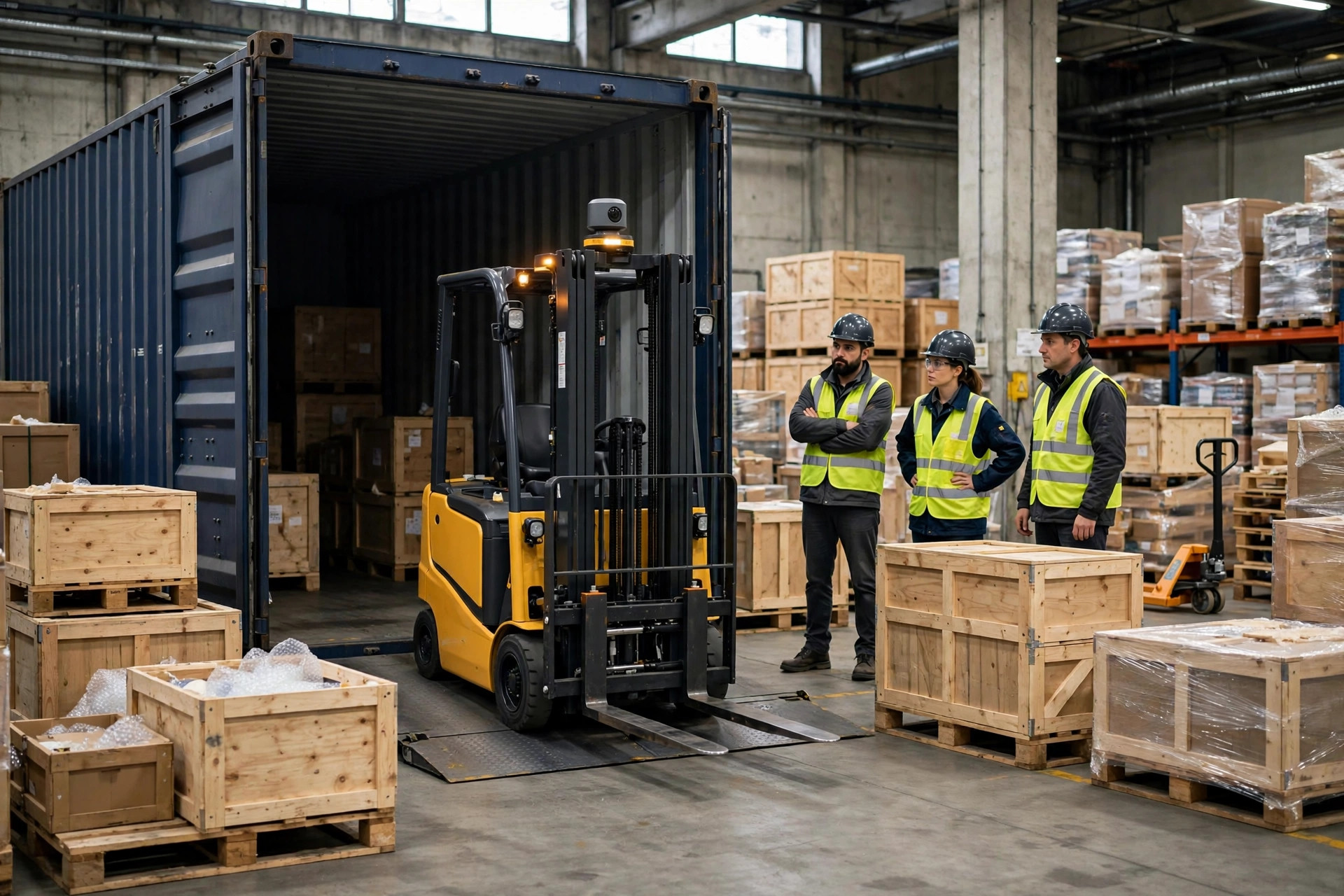
I watched a small company learn this the hard way on its first AGV import from China. They picked DAP to save money, but nobody had set up a continuous import bond, and the broker was hired last-minute. The container hit Long Beach, the paperwork didn't line up, and the shipment landed in a customs exam queue. Once the free container time expired, demurrage started burning by the day. The shipment was worth a few hundred thousand dollars; the storage and detention fees they burned through would have covered a broker retainer for years.
There is no universally right answer between DAP and DDP. There's only a fit question: does your import capability match the term you signed? If you have a broker, someone who owns the paperwork, and shipment values large enough to justify running the duty math yourself, DAP is the better deal — you keep the risk premium the seller would have baked into a DDP quote. If you import once or twice a year and nobody in-house speaks customs, that DDP premium is tuition you should pay — but pay it with your eyes open and the math in the contract.
Ask these questions before you sign
Whichever term you choose, these items belong on paper before the deal closes. This is the checklist I run through every time I review an equipment import contract for a client:
If you go DDP:
- What HTS code and duty rate is the quote based on? Get the classification and rate written into a contract exhibit — not just the word "duty-paid."
- Who absorbs the difference if rates go up? Push for a clause: beyond a defined swing in the duty rate, the price gets renegotiated — not unilaterally raised by the seller.
- Who is the US clearance entity? Who is named as importer of record? Demand copies of the entry documents; the clearance process should be transparent to you.
- Who determined the classification? Ask for the rationale, and consider having a US broker run an independent classification review with both sides at the table.
If you go DAP:
- Broker and continuous bond in place before the vessel sails — not after it docks.
- Run the worst case on paper: duties at the high end of the range, plus a customs exam with demurrage. If the project still pencils out, place the order.
- Require the seller to provide the full document checklist before loading and verify every shipment. Paperwork problems are cheapest to fix at the port of origin.
Either way:
- Stay on the compliant path: correct classification, every dollar of duty paid. Anyone pitching "a different code" or "routing through a third country" to cut duties gets cut off. Evaded duties come back with interest — plus your company's import credibility.
- Don't sign a long-term DDP deal on day one. Run one shipment on DAP first. Learn the classification, the rate, the clearance rhythm yourself. Then negotiate the DDP annual price — and you'll finally see how much padding was in the seller's number.
Back to that video call. My advice to the client: run the first two automated forklifts on DAP, hire your own broker, learn the process. Once it runs smooth, negotiate DAP-to-DDP for the next batch — with the rate and classification in the contract and a renegotiation trigger on duty changes. The owner thought I was overcomplicating things. Six months later he told me that owning the classification alone had killed a mysterious "duty reserve" line item in the seller's second-batch quote.
DDP isn't a trap, and DAP isn't the answer. The answer is simpler: don't outsource what you don't understand and pretend it went away. The tariff bill has to be understood by someone — either you do the math, or you pay someone to do it properly. The most expensive option is not knowing.