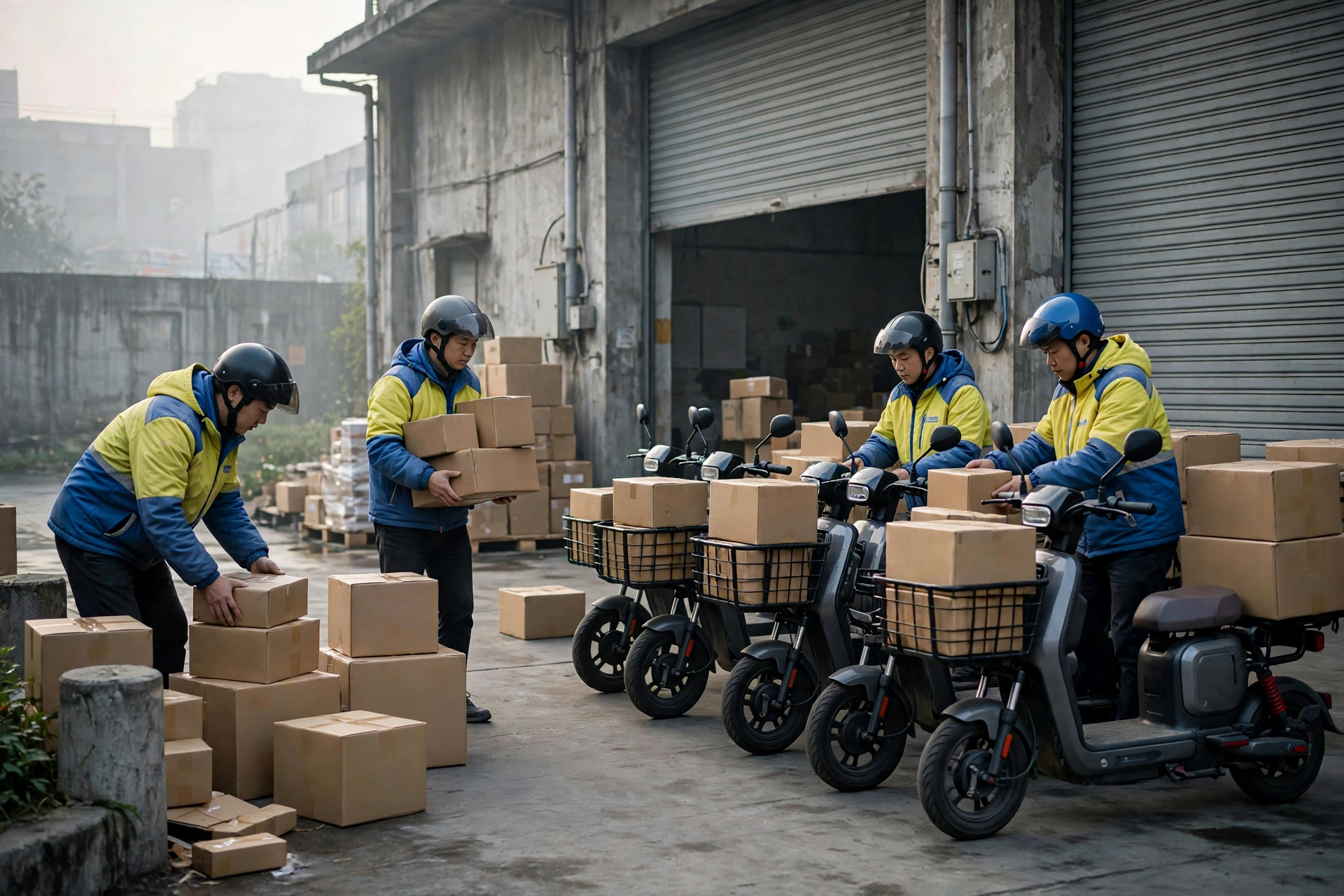
Let me start with a rant: during peak season, delivery capacity planning never survives contact with the actual order volume. Last Double 11, crowdsourced delivery saved our lives — and nearly killed us first.
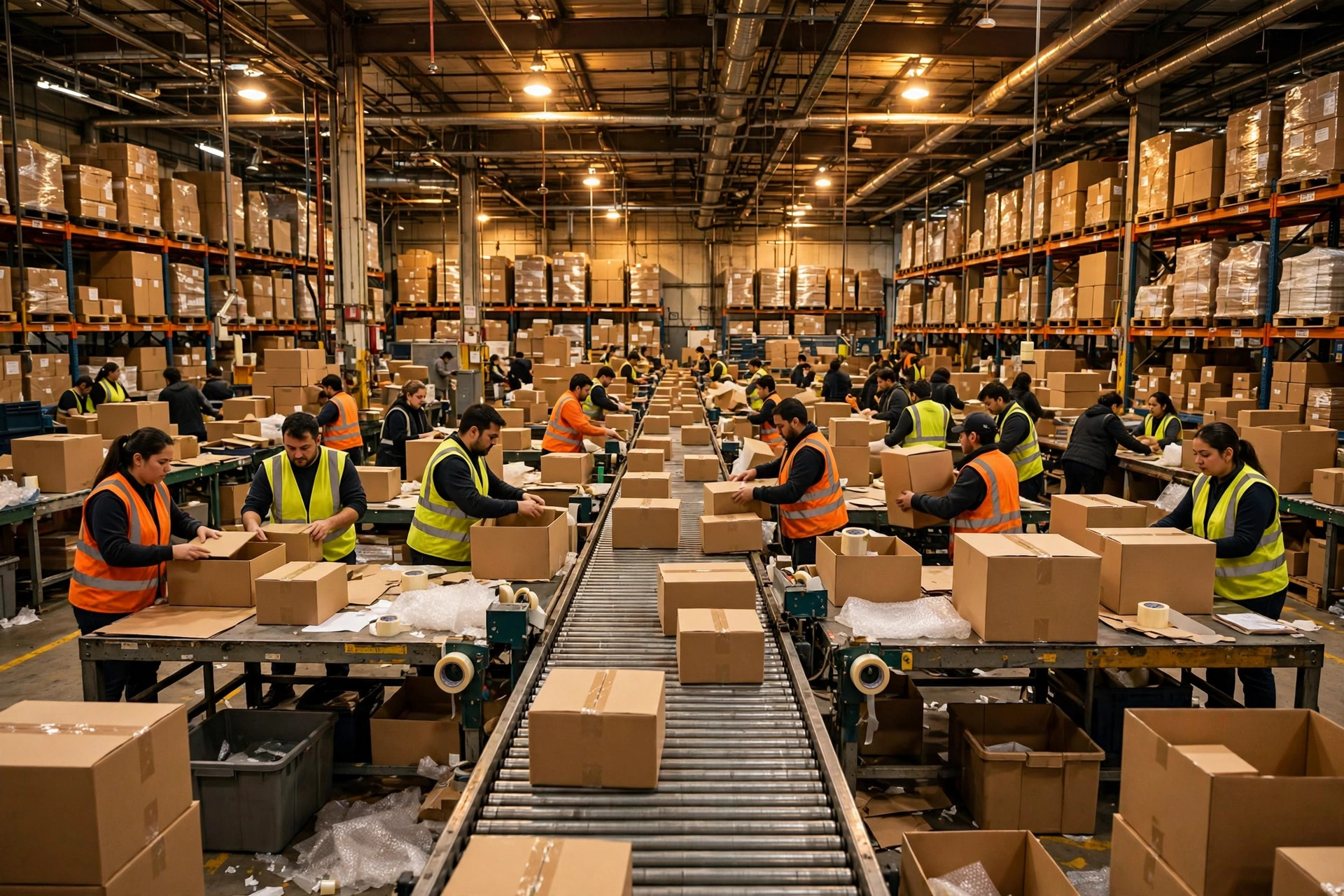
Daily orders more than tripled. Our own couriers ran from morning to midnight, parcels piled up at the warehouse door, and our courier partner just said "we're cutting off intake today, the rest goes tomorrow." All I could think was: if these orders don't ship, every yuan of ad spend goes down the drain.
So for the first time we leaned hard on crowdsourced delivery — gig riders from platforms like Dada, Meituan's crowdsourcing arm, and SF Express's intracity service who grab orders off an app. We tried several; the model is basically the same everywhere: post the order, a rider grabs it, picks up at your warehouse, delivers. The real differences are coverage density and peak-season rider subsidies — check each platform's official site for current rates and rules, and don't trust secondhand quotes.
Bottom line up front: yes, gig riders can handle the surge — but only if your warehouse is ready first. Otherwise they're just queuing up at your door making things worse.
Can gig riders hack it? The real test is your warehouse
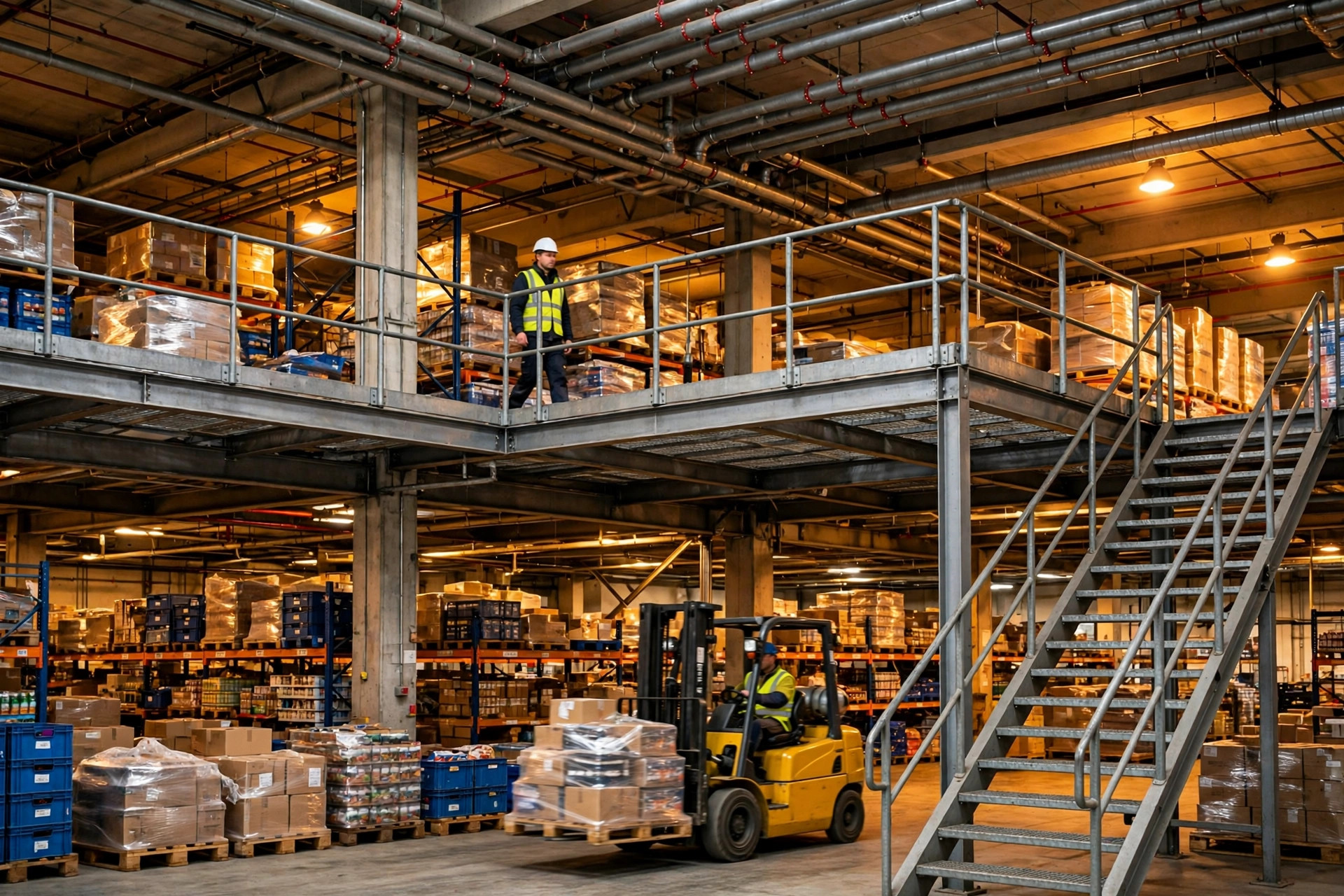
Day one was a disaster. We pushed orders to the platforms all at once, dozens of riders showed up at the warehouse gate, and the goods weren't even sorted yet. Riders waited over forty minutes, started cursing in the group chat, and a few just cancelled and left. That night's timeout cancellations kept customer service apologizing until their voices gave out.
The problem was never the riders. It was us: our outbound waves and the riders' order-grabbing ran on two completely different rhythms. Riders earn per order — make them wait and they vote with their feet.
Day two we changed tactics. Three moves, that's it.
Move one: release orders in waves. No more real-time pushing — crowdsourced orders go out every half hour. The warehouse picks, packs, and labels by wave, so when riders arrive the parcels are already waiting in the "gig pickup zone." Door-to-door time for a rider: under ten minutes.
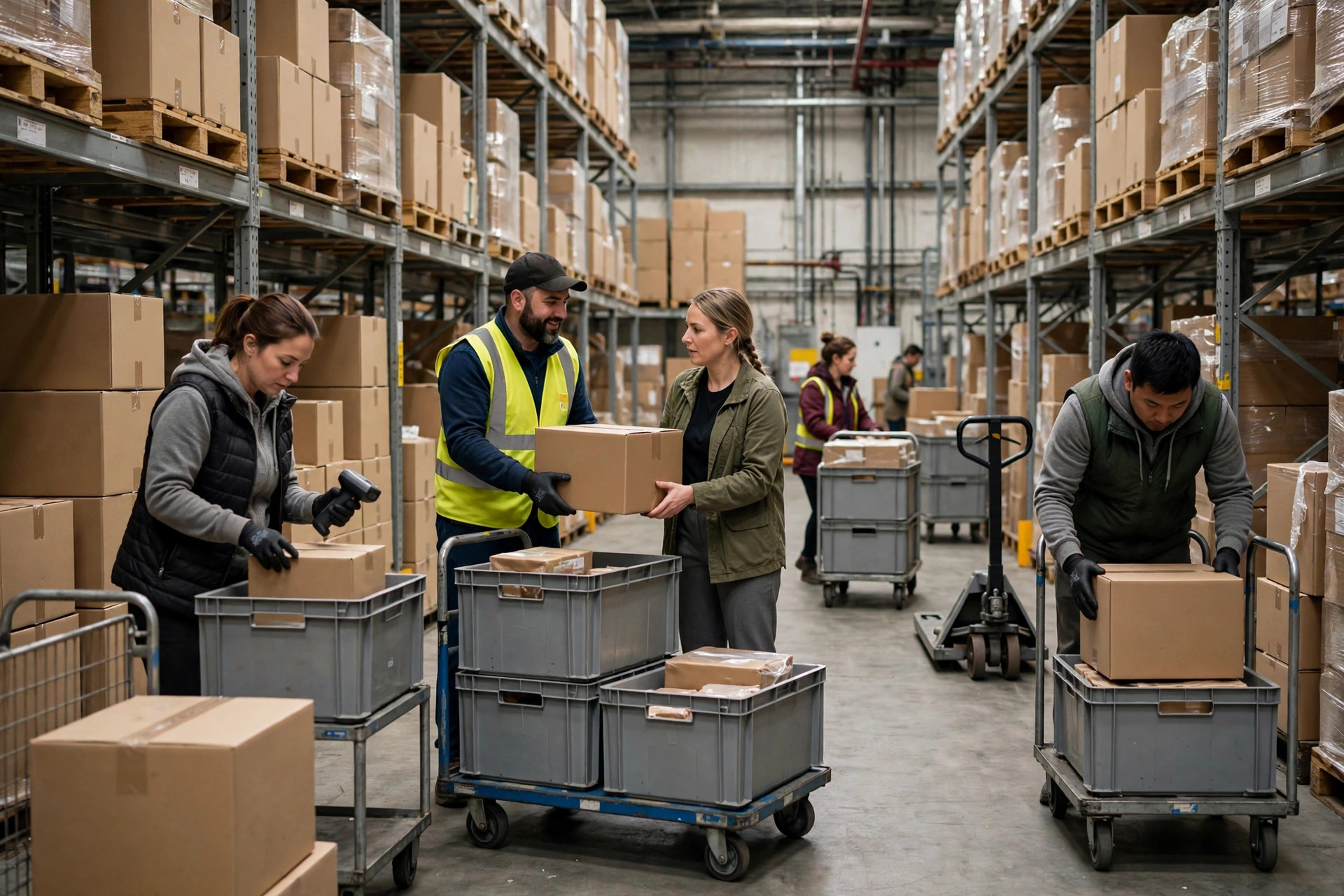
Move two: zone the gate area. We carved out a dedicated gig pickup zone at the warehouse entrance, split into piles by delivery direction, with floor markings. Riders walk in, read their order, grab their pile — no asking around. We also reserved scooter parking for riders. Before that, randomly parked scooters meant daily fights with security. Smooth flow, fewer fights.
Move three: split the orders at labeling. Gig orders and courier orders get separated right at the label-printing step. Gig riders only take same-city and urgent orders; couriers handle the rest. Mix them together and sorters get confused, riders get confused. Split them and the gig zone is readable at a glance.
Results? Numbers talk. After the change, average rider wait time at pickup dropped from over forty minutes to under ten. On-time delivery recovered to normal levels, and same-city orders mostly made same-day delivery through the peak. "Why hasn't my order shipped" complaints to customer service fell off a cliff.
The crowdsourced cost math: where it's expensive, where it saves
Now the part everyone cares about: cost. Honest answer first — gig delivery during peak season is not cheap. Don't expect savings. Its job is saving your life.
Here's my comparison table:
| Own fleet / fixed partner | Courier | Crowdsourced delivery | |
|---|---|---|---|
| Cost structure | Fixed cost, paid even in slow months | Per order; peak-season surcharges, early cutoffs | Per order; obvious peak-season premiums |
| Flexibility | Worst — overtime is all you've got | Medium — at the mercy of the local depot | Best — post it and someone grabs it |
| Delivery control | Strongest | Medium | Weakest — high rider turnover |
| Best for | Steady daily volume | The regular order base | Same-city urgent orders, peak shaving |
See the picture? Gig delivery is your flexibility player, not your cost player. During peak days, per-order cost runs noticeably above normal — that's just how it is. But it absorbs the orders couriers can't take. The real money-saving setup: couriers for the base load, gig riders to shave the peaks, gig riders again for urgent same-city orders. Each does its own job; don't expect one trick to cover everything.
Here's the counterintuitive call: most people think crowdsourced delivery is about "which platform to pick." Wrong. Platforms don't differ that much. The real decider is your warehouse gate — whether your outbound rhythm can keep up with riders' order-grabbing rhythm. Every extra ten minutes a rider waits at your door, your on-time rate drops a notch. We flopped on day one and turned it around on day two without changing platforms — we changed the warehouse playbook.
Pitfalls: four lessons written in blood
One: get your business verification done before peak season. Registering or signing up last-minute means the review process finishes long after you needed it. We had corporate accounts on all the major platforms ready half a month early.
Two: never send fragile or high-value orders through gig riders. You can't control their delivery process — one lost high-value parcel wipes out days of profit. Send those by courier, even if it's a day slower.
Three: document every handoff. Riders photograph parcels at pickup; match the label to the goods face to face. We learned this the hard way — a rider said he never got a parcel, the warehouse said it was handed over, and we argued for a week before finding it in the wrong pile. Photo at pickup is now iron law.
Four: give riders a reason to pick you. Parking spots, a clear pickup flow, a bottle of water in summer — costs almost nothing, but it decides whether riders prioritize your orders during peak season. Riders are human. Whosever gate is easiest to pick up from gets their orders grabbed first.
Last honest word: crowdsourced delivery isn't fancy tech. It's "buying flexibility with money." During a peak-season blowout, flexibility is worth more than anything. Get your warehouse sorted, and gig riders become your most reliable rapid-response force.
This one I've personally tested and it works.
By Ah K, E-commerce Seller (5 yrs)