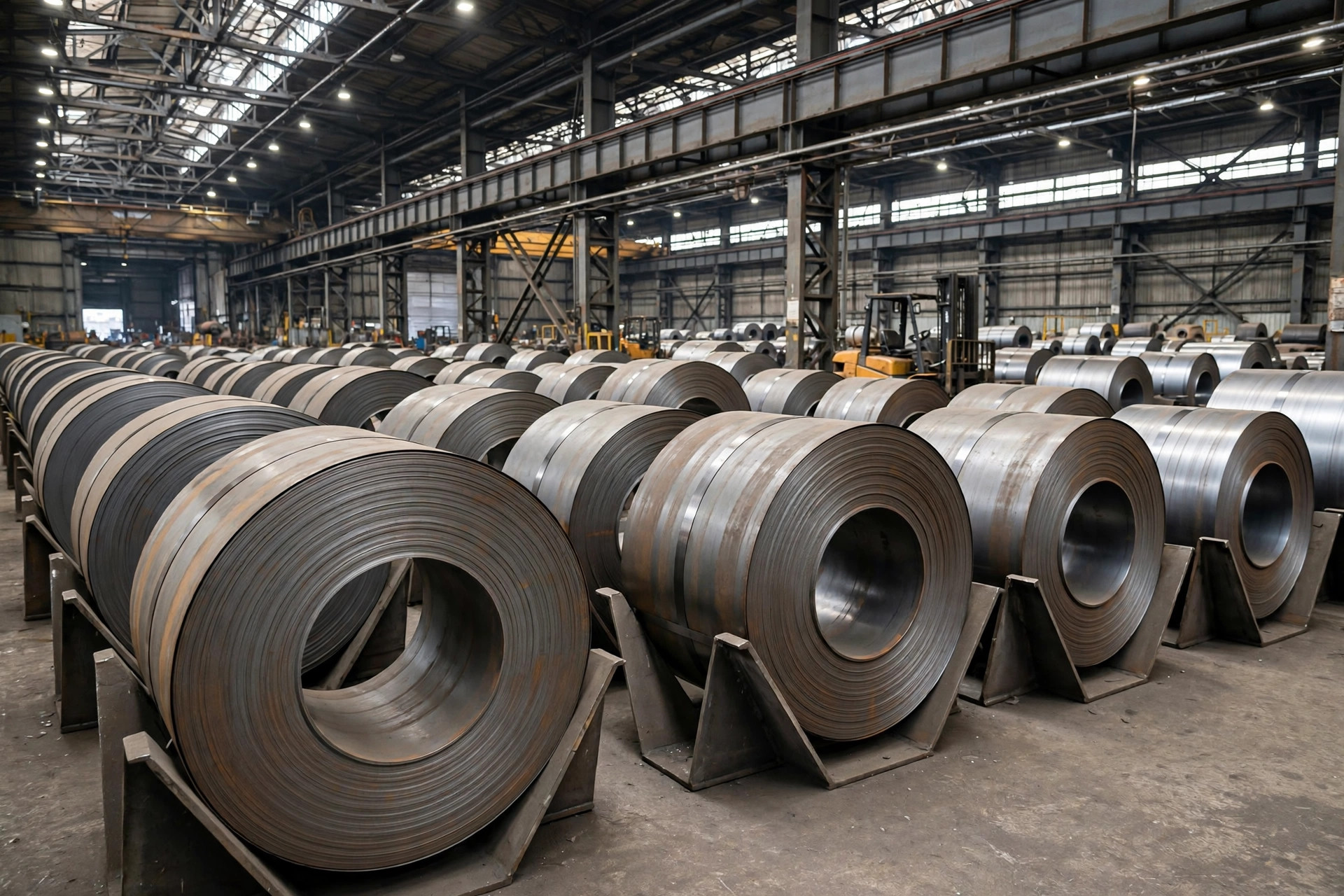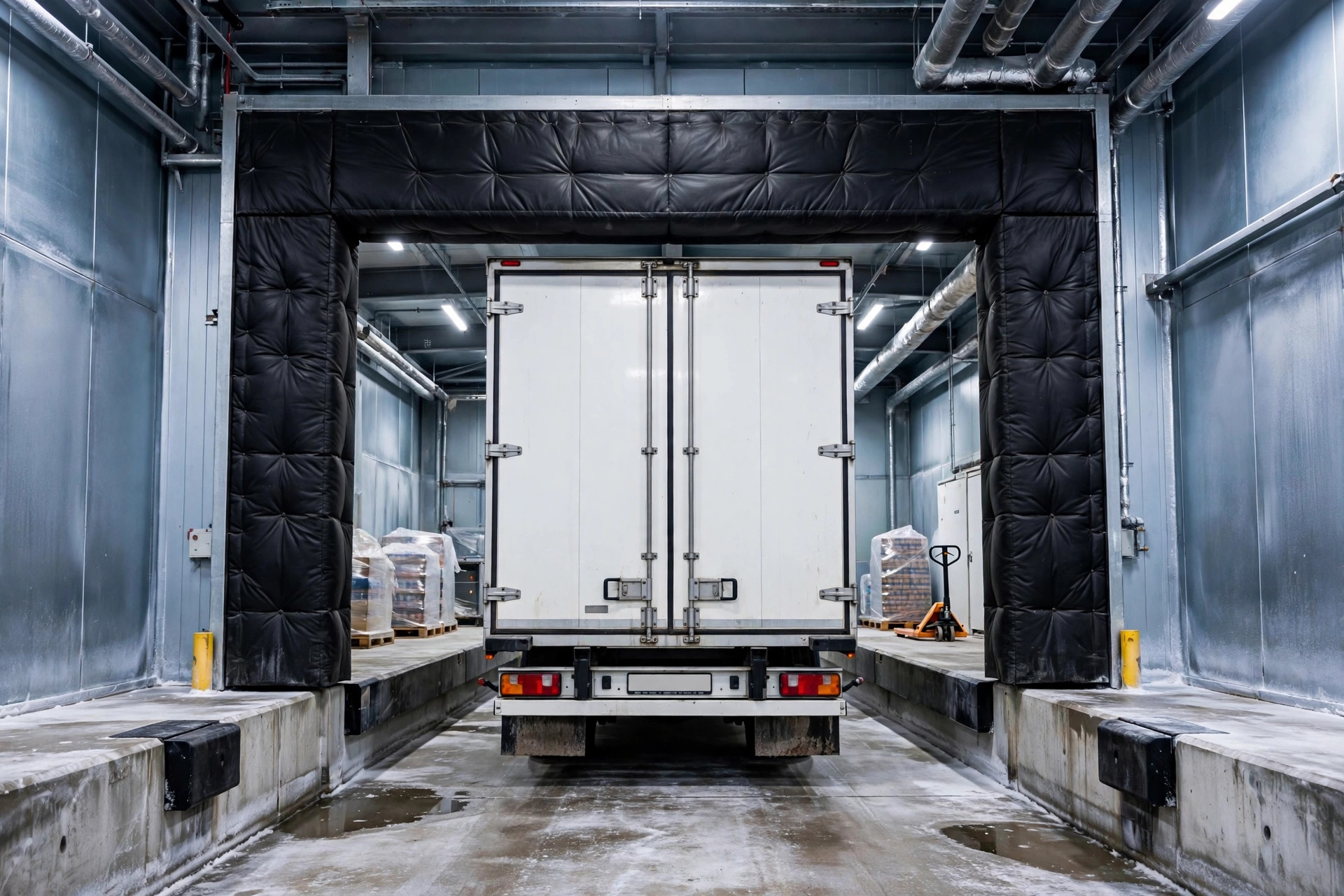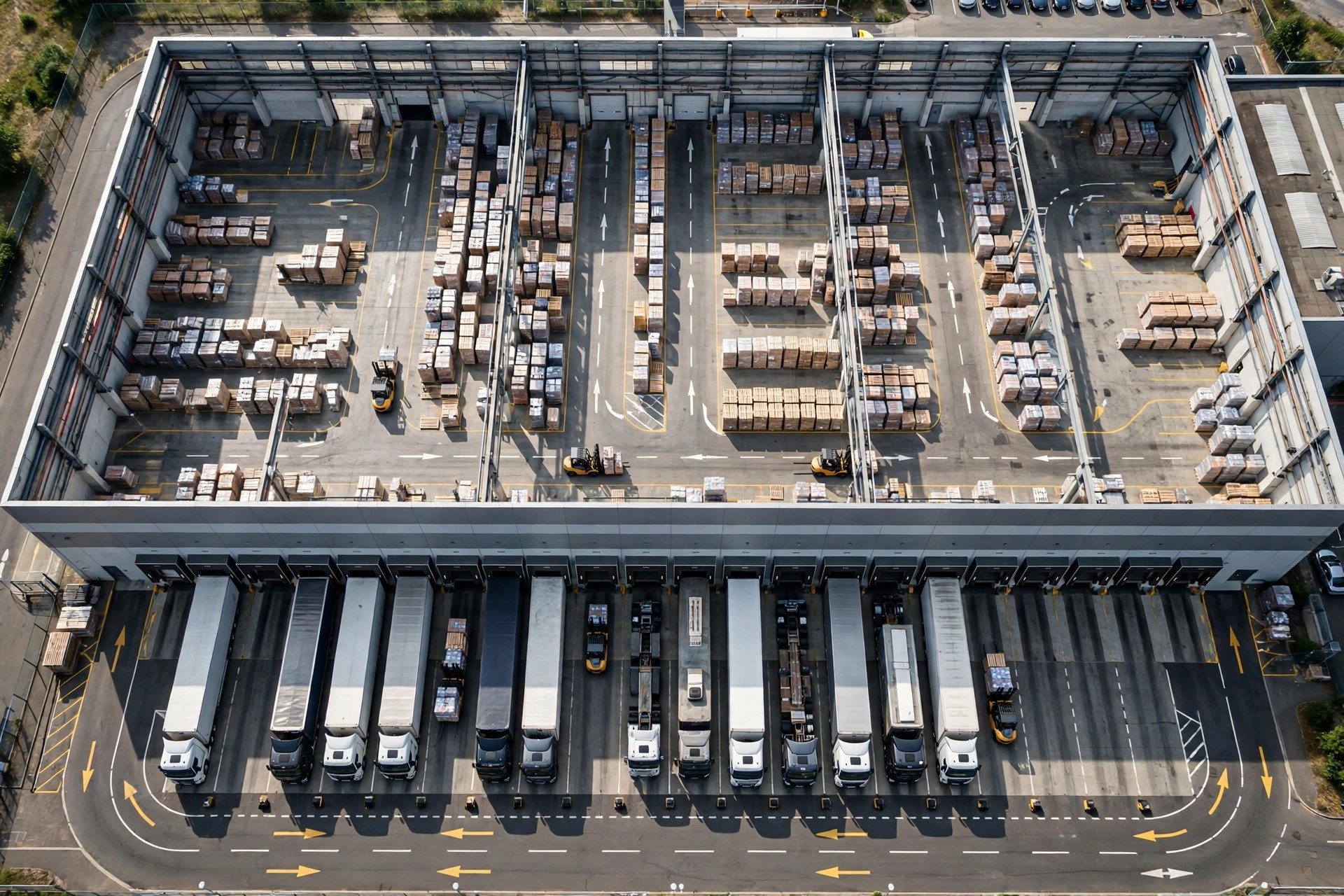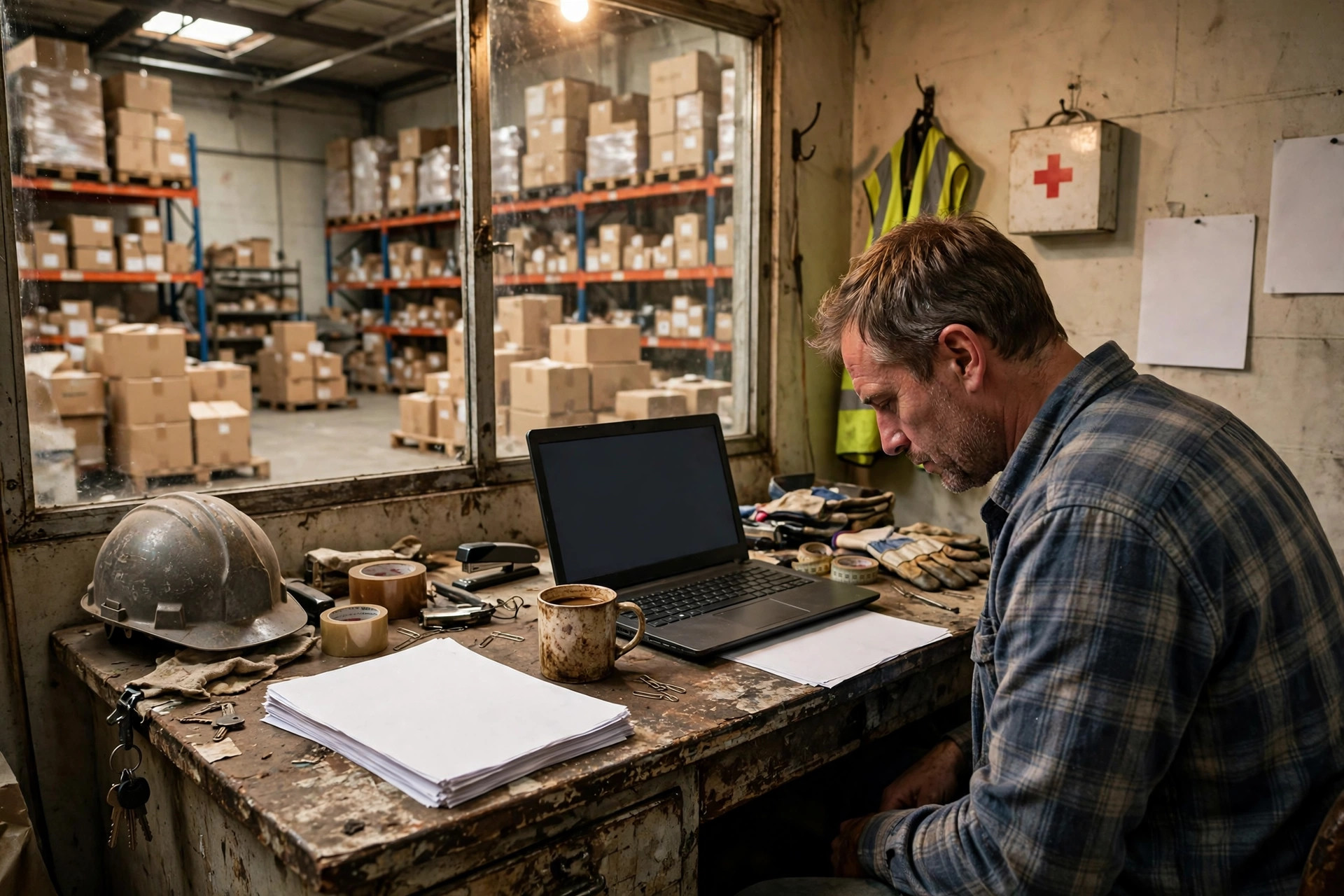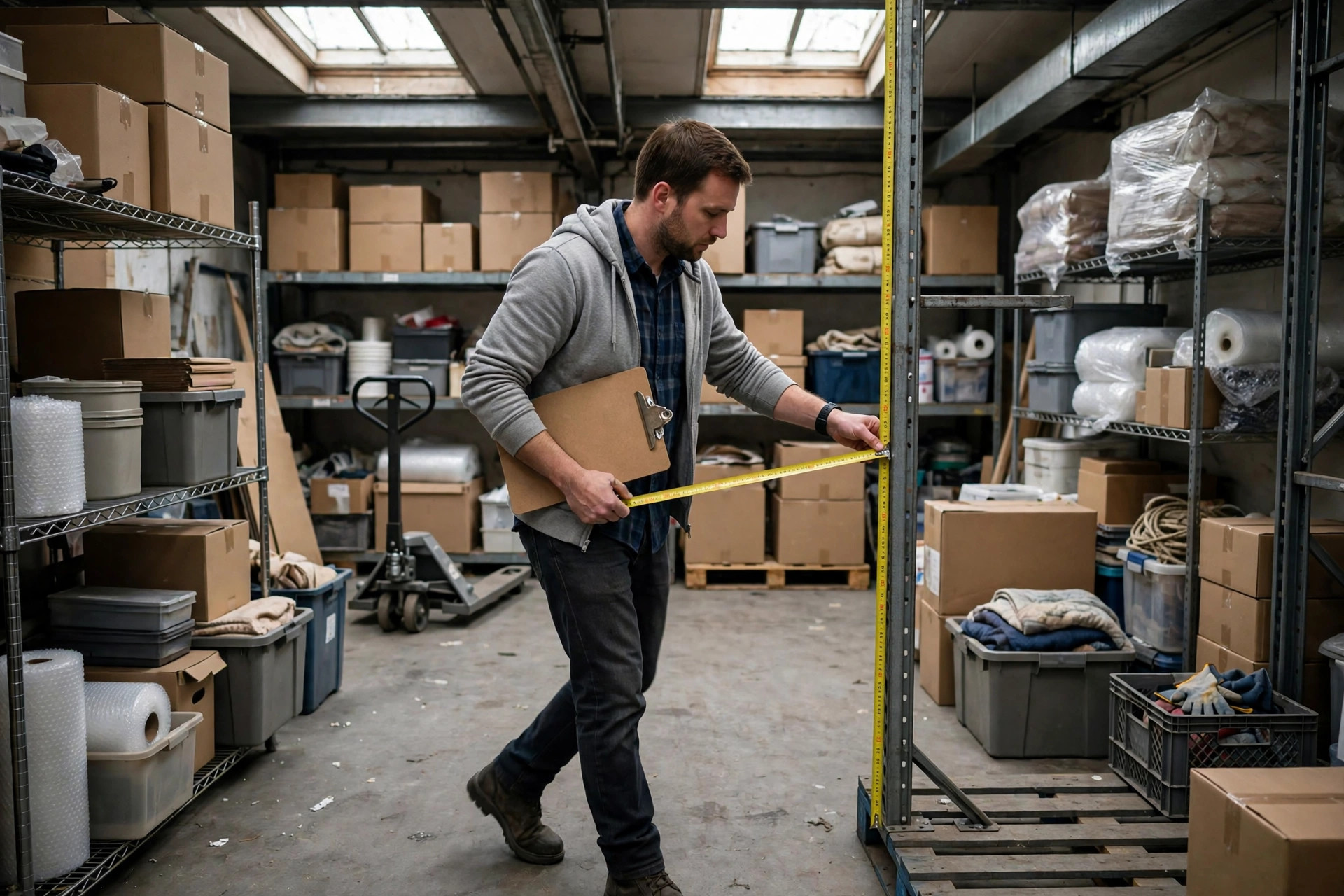
The thing that hurts most at our little warehouse these past two years? Rent. We've got 32,000 square feet with 30 feet of clear height, and our freight stacks to about 16 feet — above that, the forklifts can't reach and neither can people. Every month we pay rent on 30 feet of height and use 16. The other 14 feet are working for the air. We small warehouses can't afford to burn that kind of money.
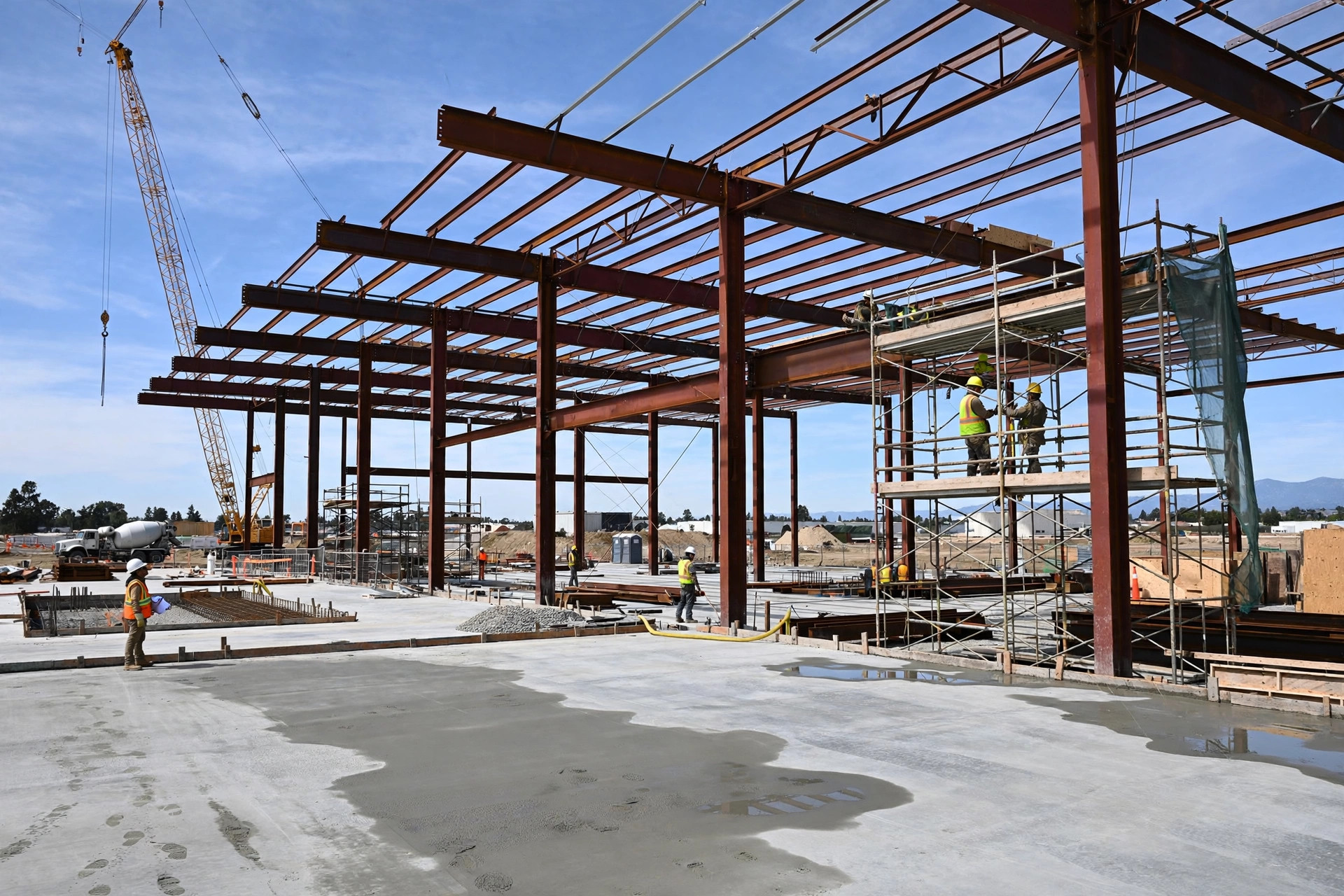
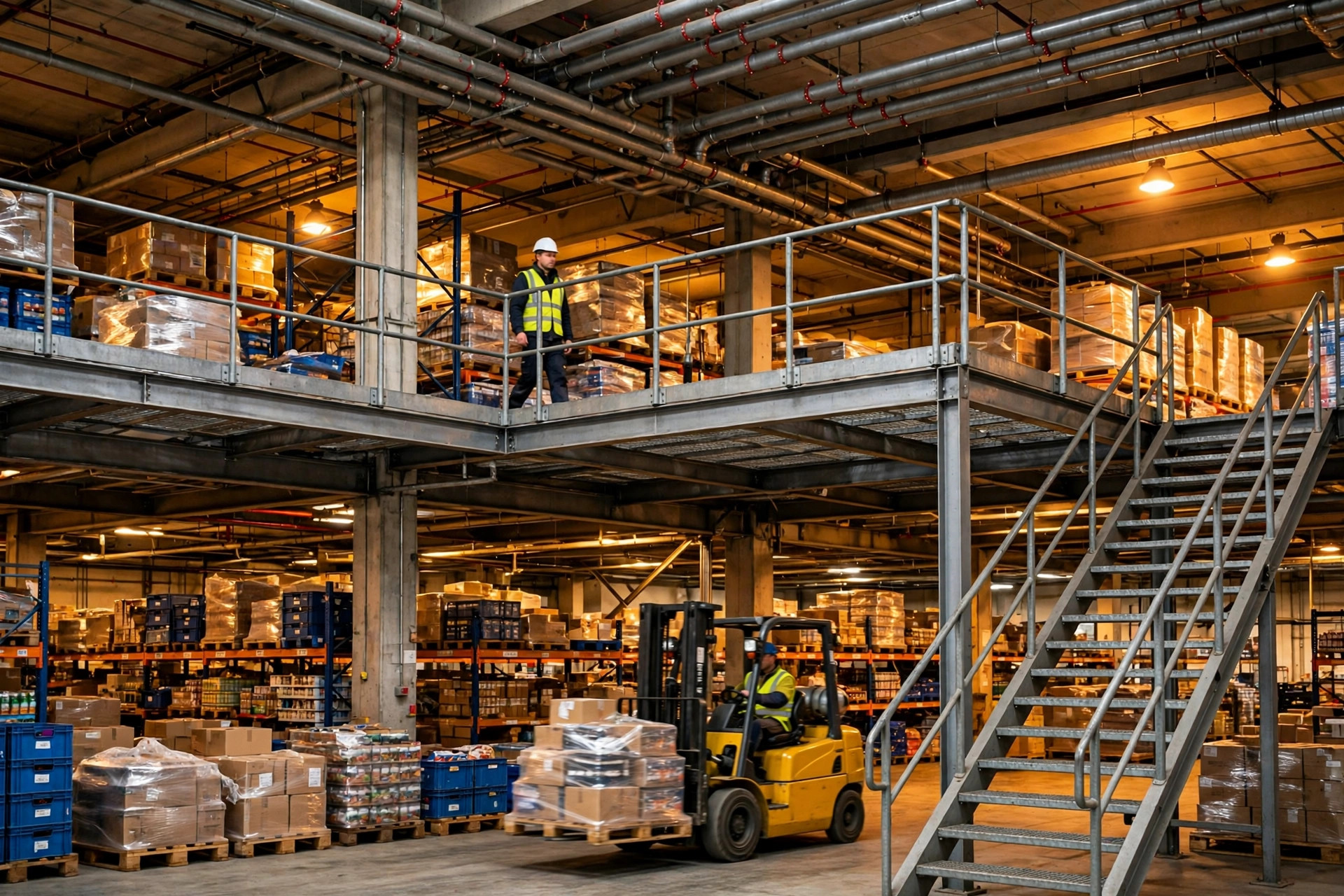
So in mid-2024 I gritted my teeth and did it: installed a mezzanine rack. Basically a second steel deck inside the warehouse — picking and packing upstairs, full-pallet storage downstairs. A year later I've run the numbers, and it's probably the best money we've spent in years. But fair warning first: mezzanines are genuinely great, and the pitfalls are genuinely real. Today I'm laying out our bind, our scrappy fixes, and the traps we hit — all of it.
Mezzanine Rack vs. Bigger Warehouse: Do This Math First
Before breaking ground I made the crudest comparison table. Don't laugh — crude works:
| Add a mezzanine rack | Move to a bigger warehouse (48,000 sq ft) | |
|---|---|---|
| New usable space | ~13,000 sq ft (second deck) | 16,000 sq ft |
| One-time cost | Racking + freight lift + sprinkler rework — under $60K for us | Relocation + buildout + downtime, easily six figures |
| Monthly rent change | Zero | Up nearly 50% |
| Schedule and downtime | Phased install, basically no shutdown | At least two weeks dark, customers to soothe |
| Risk | Fire inspection must pass (details below) | A move is a re-opening — bigger risk |
We figured the mezzanine pays for itself in under a year — that's the 50% rent hike we didn't have to pay. And the biggest factor: no move. Move a warehouse once and you get lost freight, mispicks, customer complaints — the hidden costs are uncountable. A small operation like ours can't survive that kind of thrash.
But here's the counterintuitive take first: a mezzanine's value isn't "an extra floor of storage." It's moving the people upstairs. Picking and packing on the second deck, full pallets below — pickers stop crisscrossing the racking aisles and the flow actually gets smoother. After ours went in, pick productivity rose about 30% and mispicks dropped — because the second floor is a dedicated pick zone with fewer interruptions. I didn't see that coming. Happy accident.
Mezzanine Rack Fire Sprinklers: Ask the Inspector Before You Build
This is the biggest trap. Full stop. The moment the mezzanine goes in, your existing sprinkler system is half-useless — the heads are up at 30 feet, the second deck shields everything below it, and if a fire starts upstairs the water never gets there. Fail the fire inspection and every dollar before it is wasted.
We got quotes from three fire-protection contractors. Same story from all of them: add a sprinkler layer under the second-floor deck, keep the ceiling layer, two systems. But here's the step you must not skip: take your drawings to the local fire authority and ask what they'll require for sign-off — before you build.
Why? A buddy of mine in the same business finished his mezzanine, then got told at inspection he needed added fire compartmentation. Tear-out and redo: nearly $30K extra. His words to me: "One afternoon asking questions would have saved thirty grand." I'm not printing specific code numbers here — jurisdictions differ, so go by whatever your local fire authority requires. But the process has three steps: drawing pre-approval, construction, inspection — and get everything in writing. A verbal okay counts for nothing.
One more thing: don't cheap out on the sprinkler rework, but don't buy the priciest option either. Some contractors will upsell you the deluxe package. Ask the authority what the requirement is, build to the requirement, not a dollar more. Every dollar in a small warehouse has to land on the blade's edge.
Mezzanine Rack Floor Loads: Calculate Before You Stack
The second trap is floor load. The second deck looks solid — thick steel plate — but how much it carries per square foot is engineered, not felt. "Looks thick enough" is the most expensive illusion there is.
What we did: listed everything going upstairs — the heaviest cartons, the pack stations, the totes, plus people walking around — and handed it to the racking vendor to calculate. They gave us a per-square-foot rating, and we run at 70% of it, keeping real margin. I won't print the specific rating — every vendor's structure differs, so go by your vendor's calculation sheet.
And here's a scrappy trick that works: upstairs gets lightweight freight only, plus all the picking and packing. Heavy freight stays on the ground floor. That cuts the load stress in half and lightens the freight lift's workload — two birds. Our second deck now holds only smalls and packing materials; the heaviest carton up there is under 45 pounds. The deck barely notices.
Picking the Freight Lift: Don't Buy Cheap, Don't Buy Fancy
The lift is the mezzanine's lifeline. Get this wrong and it hurts every single day.
We started cheap — a basic hydraulic lift platform that took over a minute per cycle. A hundred-plus trips a day meant nearly two hours just waiting on the lift. Three months later we bit the bullet and bought a faster one. Productivity doubled overnight. Net-net, the cheap one was money thrown away.
My advice to fellow small operators: count your daily trips first, then pick the machine. Few trips — a hydraulic platform is fine. Lots of trips — buy the fast one up front and don't flinch at the price gap. Take equipment specs from the manufacturer's published data, not from a sales rep's "roughly" and "about." The words "roughly" and "about" are the three most expensive words in a small warehouse.
Small Warehouses Have Their Own Way of Living
Big companies talk automated high-bays and eight-figure budgets. We can't play that game, and we're not jealous. We just use every foot of height we've got: 30 feet clear, full pallets on the ground floor, picking and packing upstairs, the lift stitching it together. A year in: rent unchanged, space up by half, productivity up.
From the heart: a small warehouse's edge was never expensive equipment. It's knowing exactly what every square foot is doing. The mezzanine-rack math has two mandatory questions — fire and floor load. Answer both right and you've gotten half a warehouse for free. Answer wrong and you've bought yourself an expensive lesson.
We can't afford to burn that kind of money, so every investment gets calculated first. If you're thinking about a mezzanine, come talk — I've got the full materials list from how we cleared the fire-inspection hurdle.
By Xiao Ma, Small Warehouse Owner