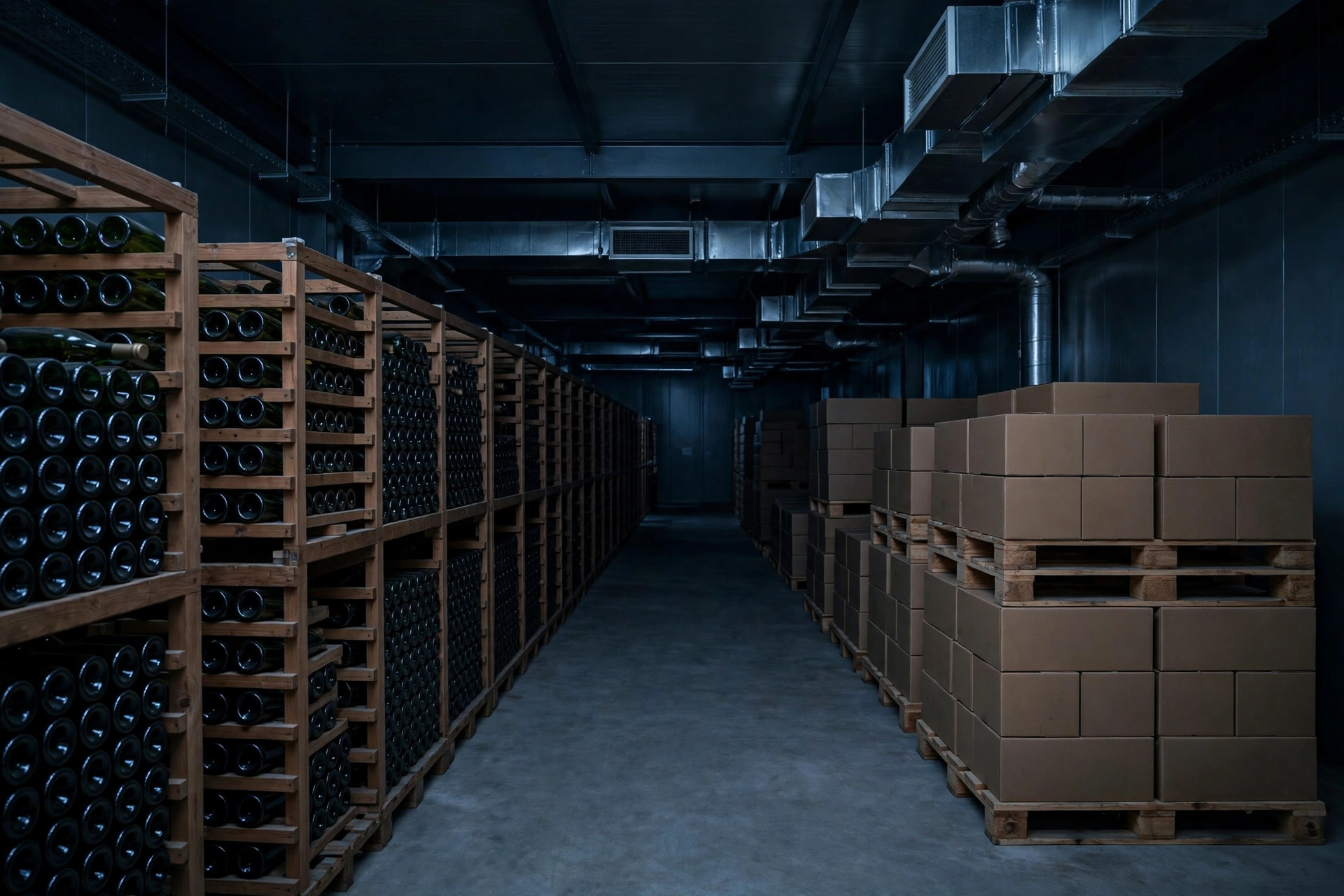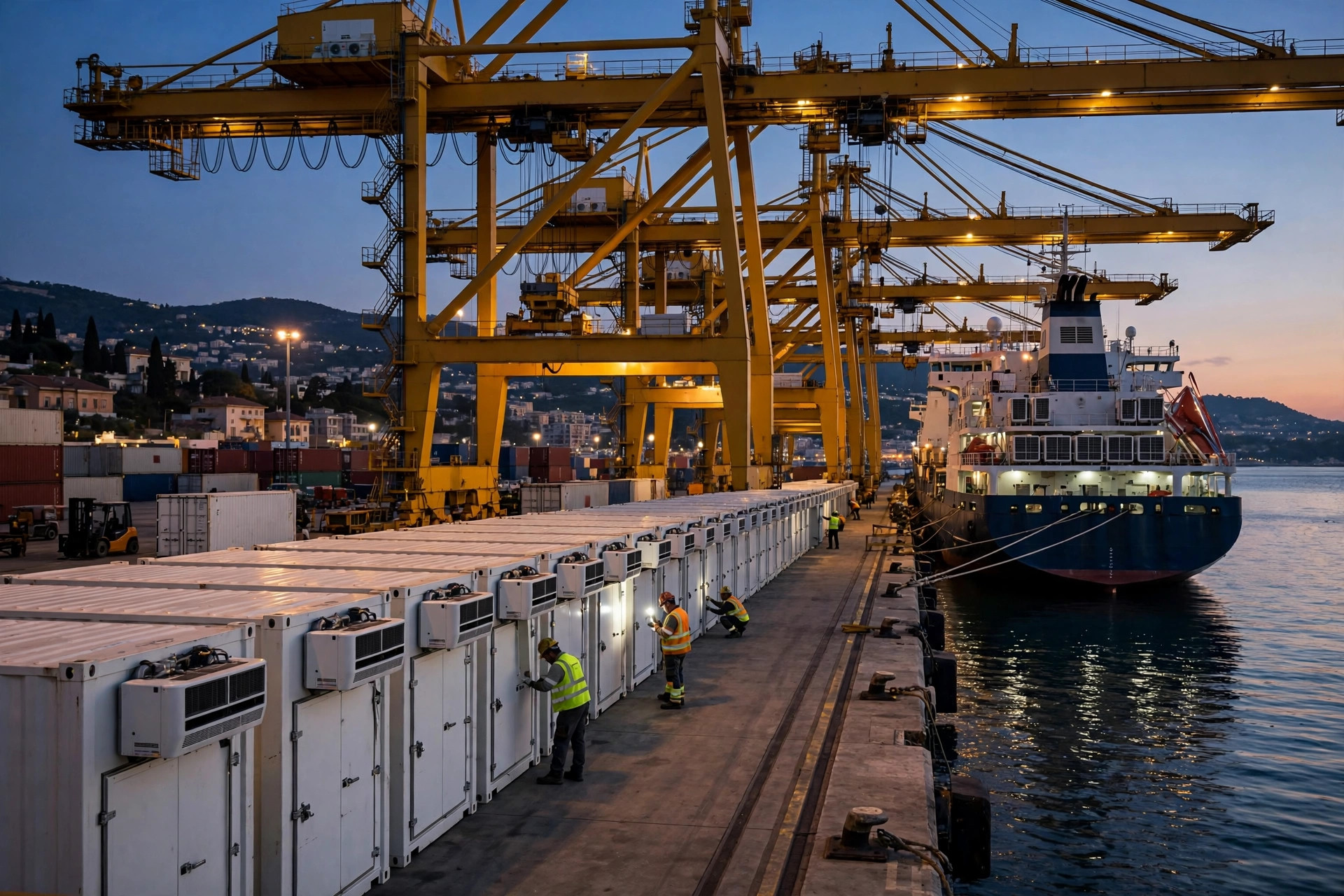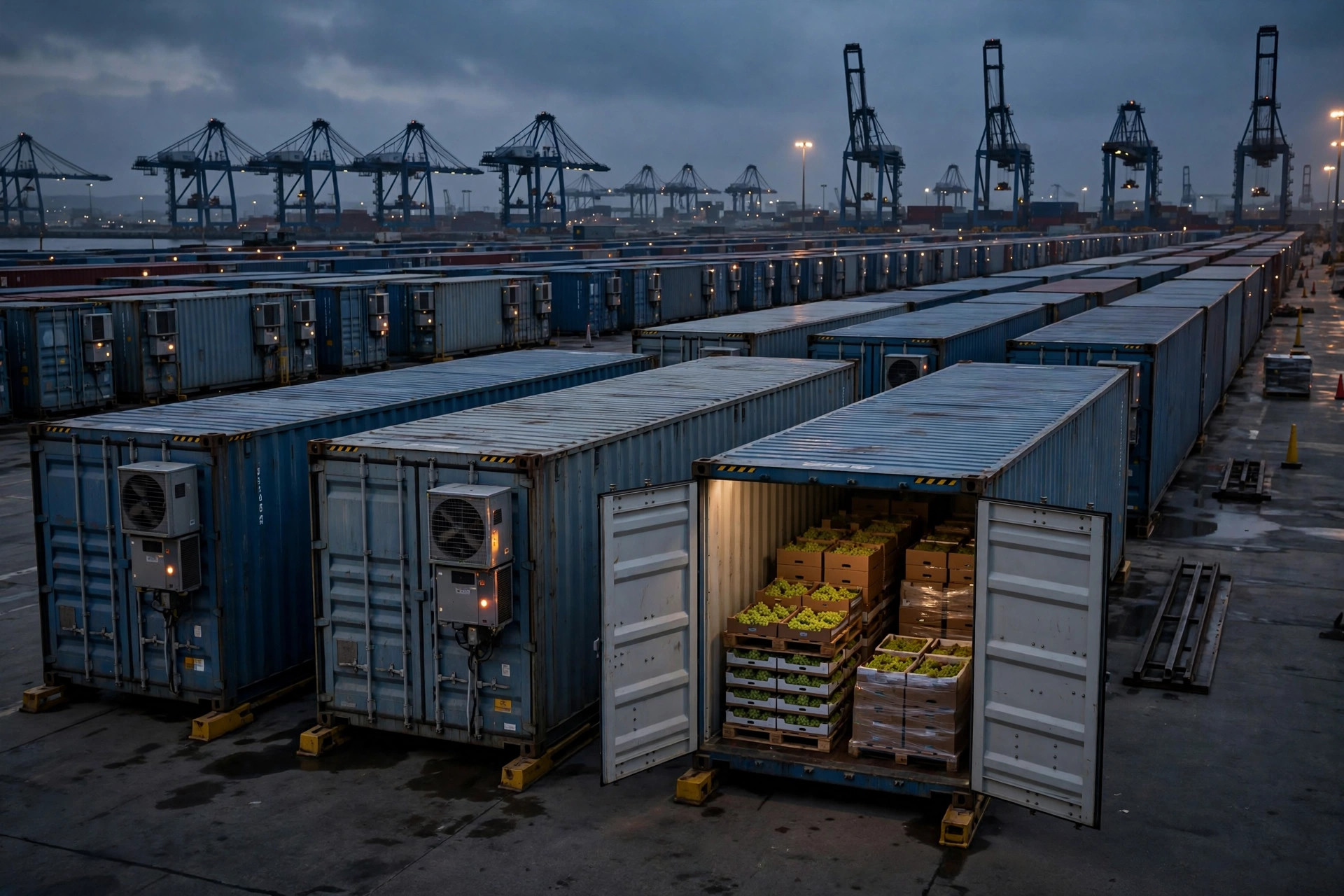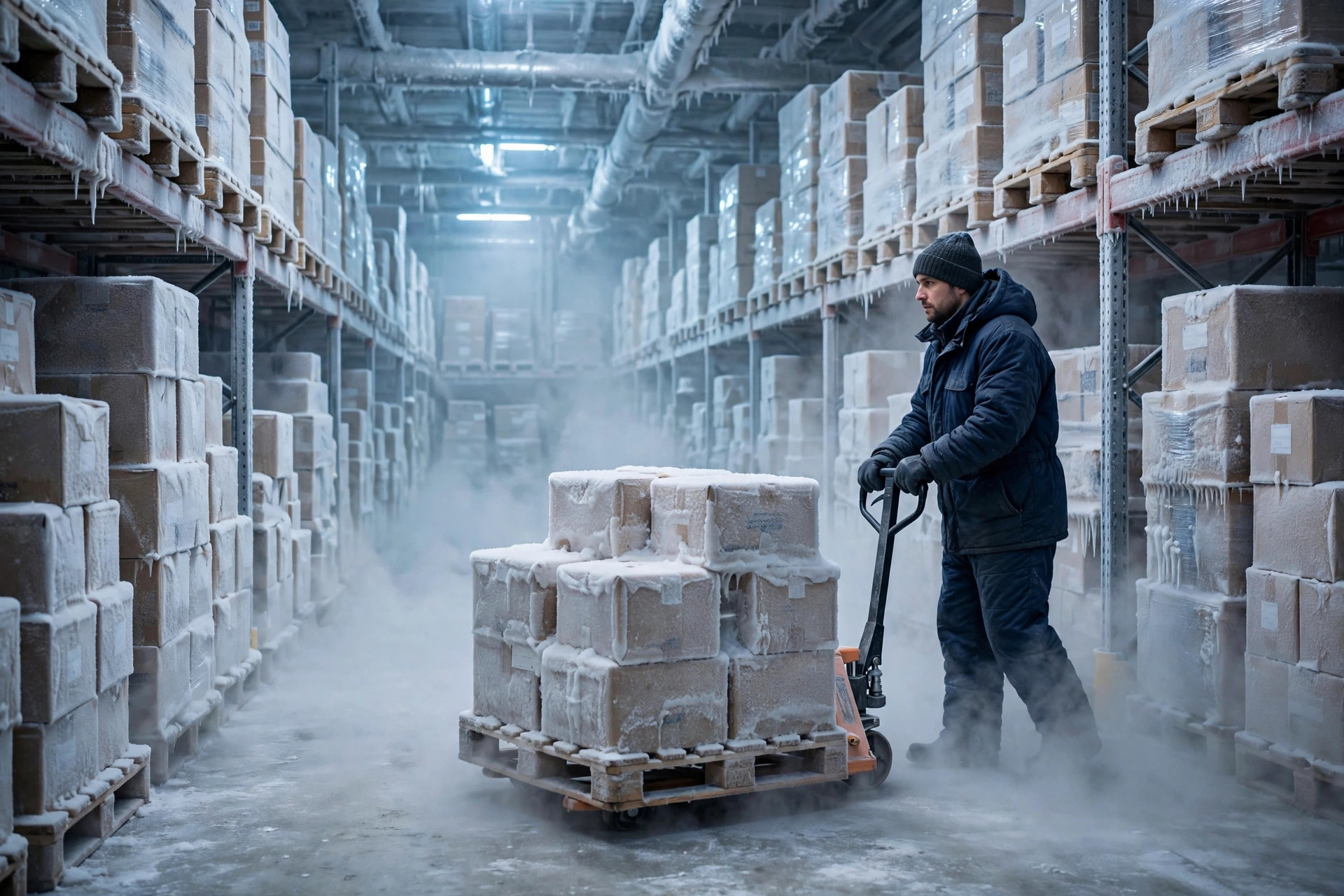
Here's a number that wakes people up: a 50,000-square-foot freezer can easily run a seven-figure annual power bill. In twenty years of cold chain work, I've noticed a pattern — warehouse managers can quote their labor cost per unit down to the penny, but ask about the power bill and you get a shrug. The bill arrives, they wince at the total, and life goes on. Here's the thing about refrigeration: whatever you save on system selection gets paid back double over ten years of operation, and every wasted dollar in daily operation burns 24 hours a day, 365 days a year.
Selection is where you win or lose: three calls to make
Refrigerant first. Ammonia systems are efficient and cheap to run — that's industry consensus — but ammonia is toxic, which means engine room standards, safety training, and leak response plans are non-negotiable. It fits large facilities with dedicated refrigeration engineers. Synthetic fluorinated refrigerants are the workhorse of mid-size cold storage: simple to install and maintain, but environmental regulations keep tightening and refrigerant prices swing. It's a declining curve long-term. CO2 transcritical systems are the rising star — strong environmental story, solid efficiency in deep-freeze applications, but higher upfront cost and a thin bench of technicians who know how to service them. The worst case I ever saw was a food distributor in Arizona that bought a used fluorinated system to save money. Five years later, refrigerant price spikes plus regulatory pressure forced a retrofit that cost more than a new system would have. There's no universal right answer, but one rule holds: size the system for the next ten years of your operation, not this year's budget.
On compressors, the variable-speed drive is money well spent. Fixed-speed compressors know two states: on and off. The box hits setpoint, the compressor stops; temperature drifts, it slams back on at full power — dozens of cycles a day, chewing electricity and shortening equipment life. Variable-speed units modulate to match the actual load, and the savings are real. The math is simple: the price premium over fixed-speed typically pays back from the power bill within a year or two on a large freezer. Cutting this line item is the most short-sighted saving I see.
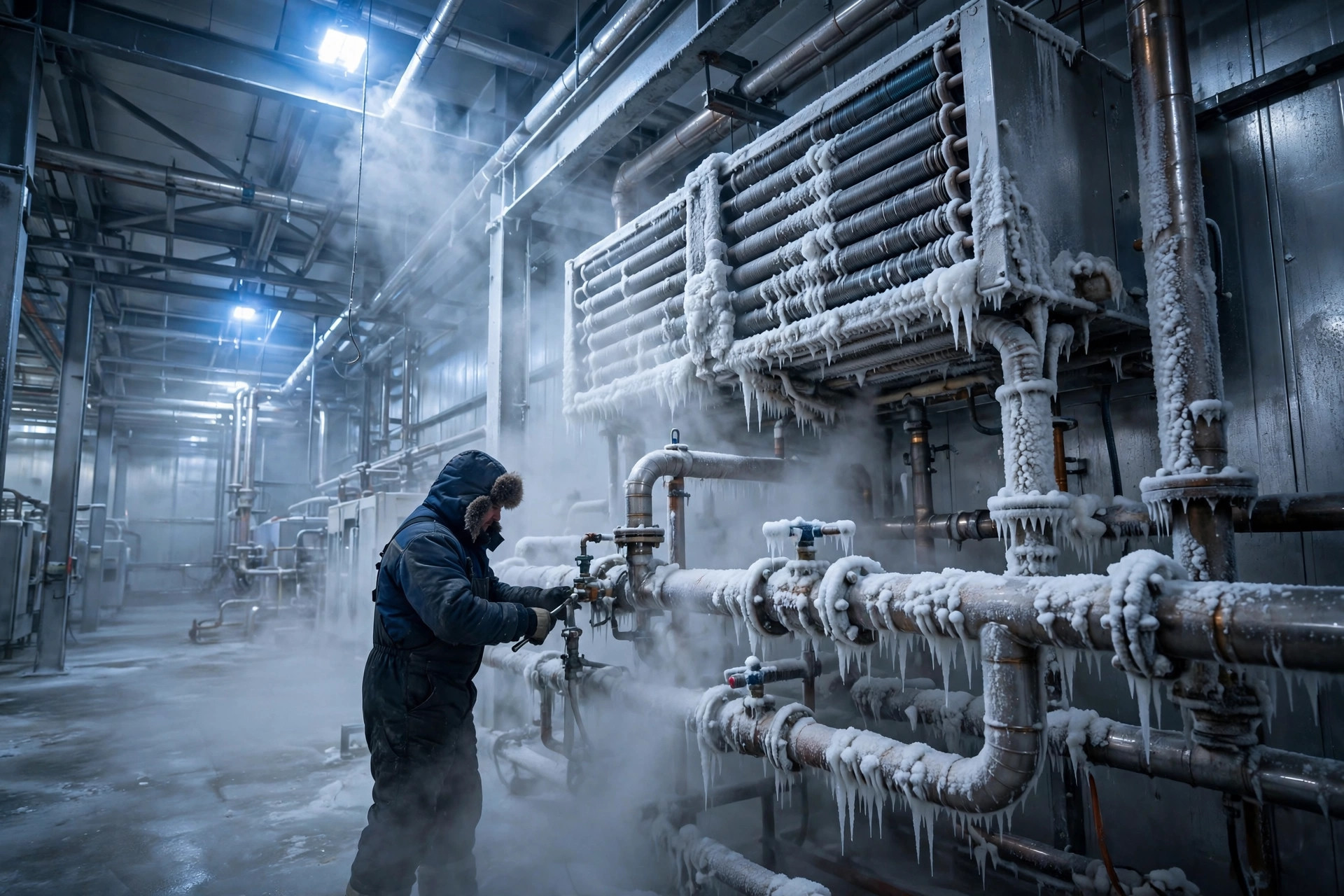
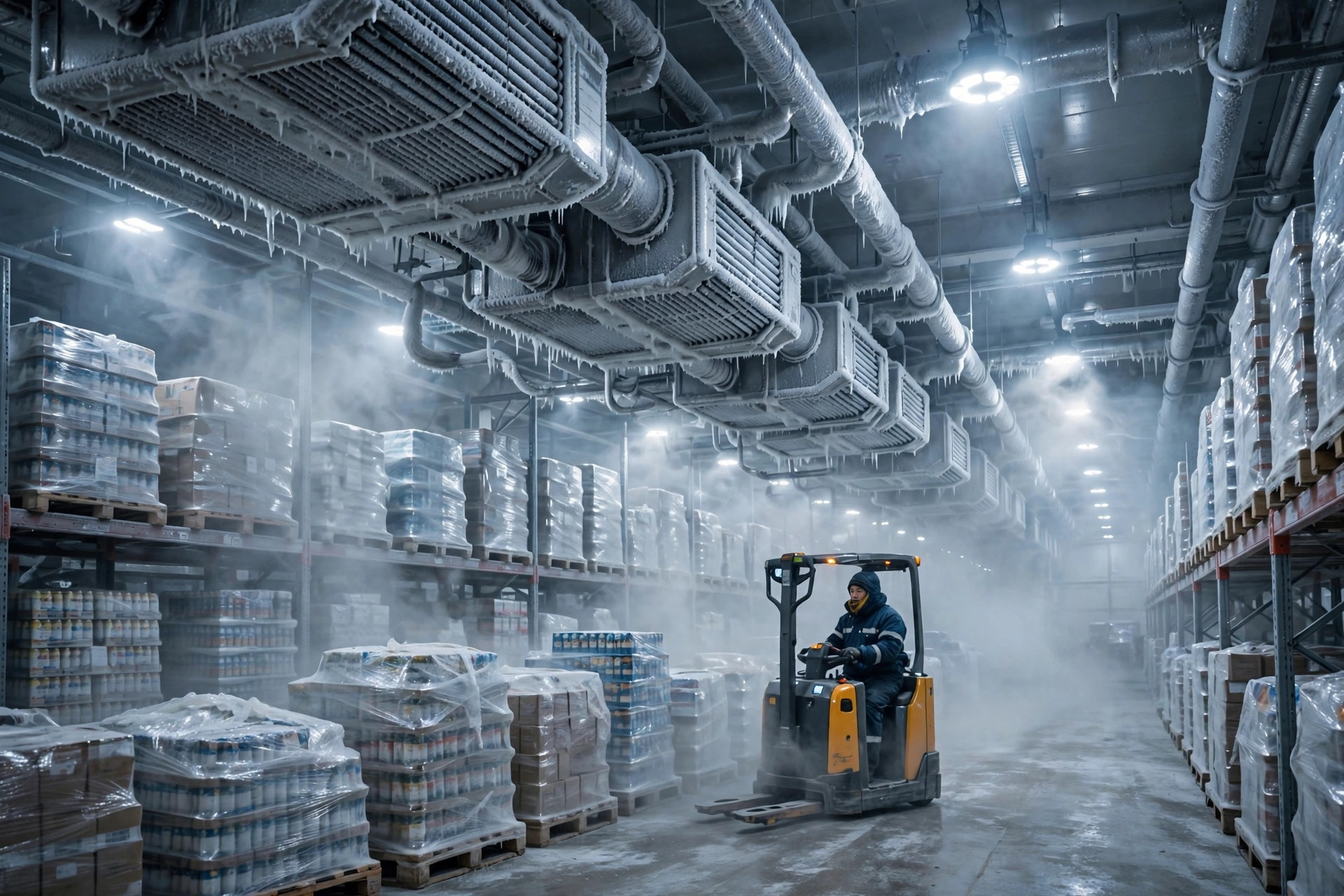
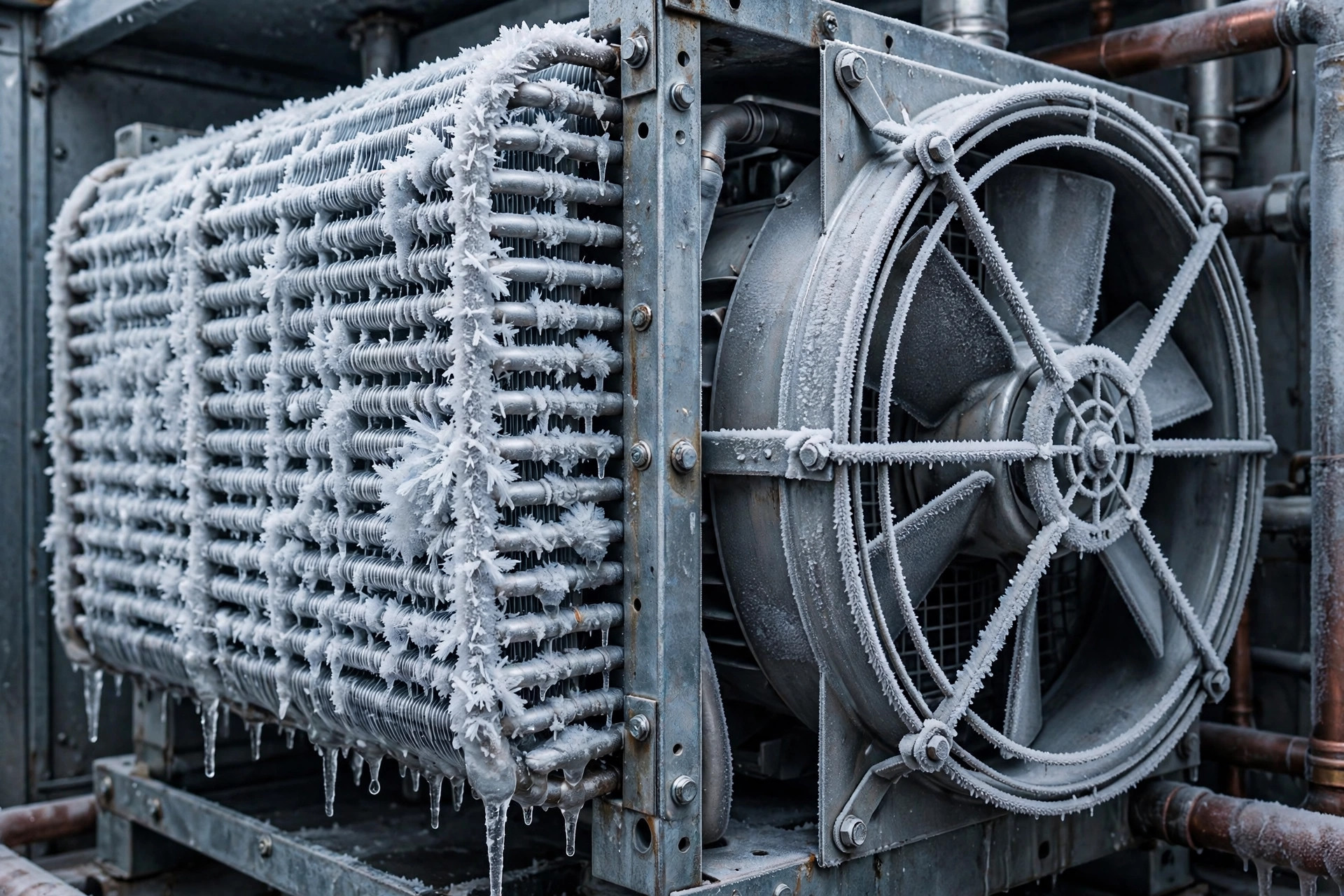
Then there's the evaporator and condenser setup — and the question nobody asks at purchase time, which is defrost. Frost is the silent power thief of cold storage. A layer of frost on the evaporator is literally insulation; the thicker it gets, the harder the compressor works to push heat through it. Hot-gas defrost beats electric defrost on energy, but the system is more complex; water defrost is simple and direct where it fits. There's no silver bullet here. The real lever is tuning the defrost cycle to actual frost conditions instead of running the factory default for a decade.
The unglamorous habits that actually save power
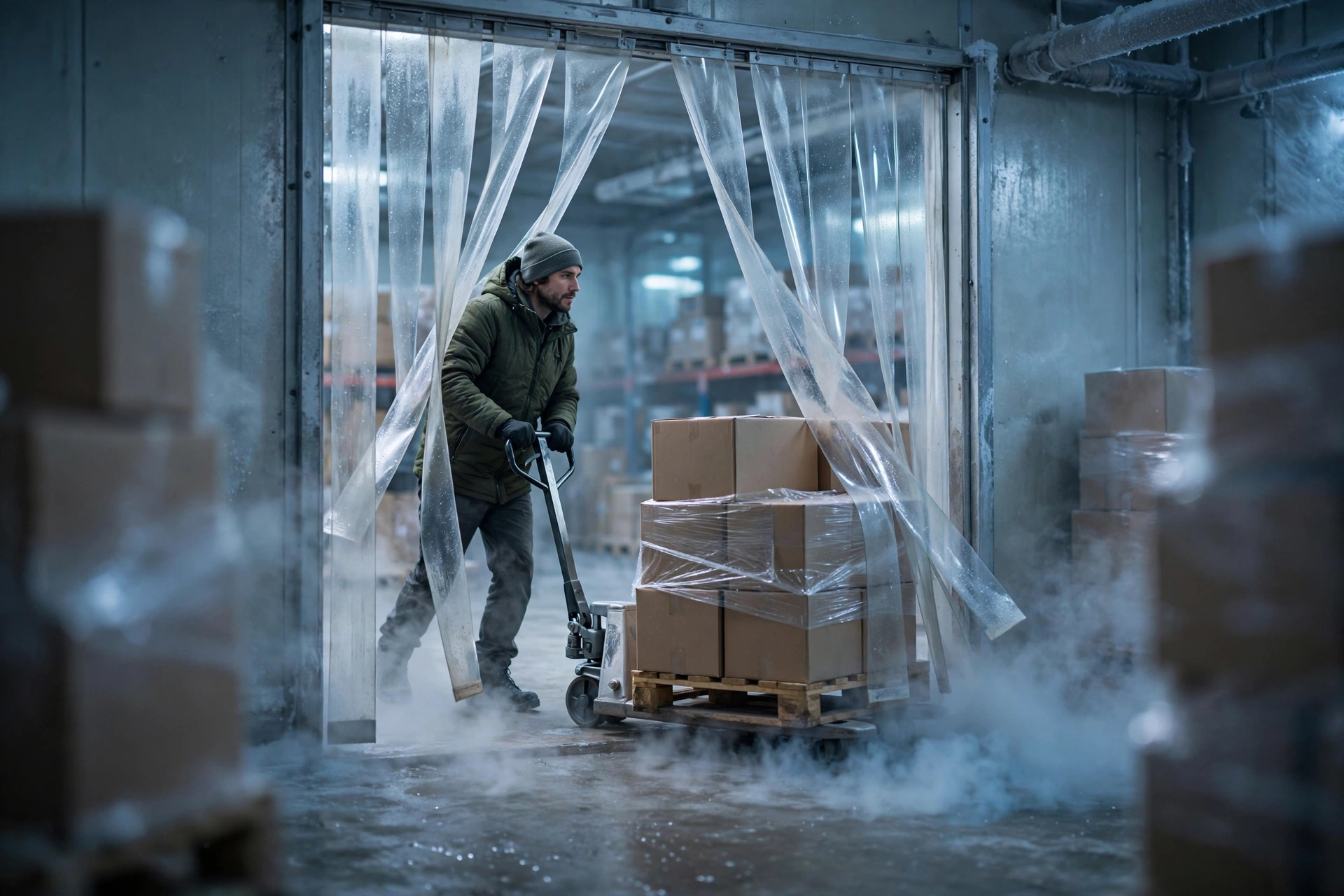
Door management is the highest-ROI saving in cold storage, and it's not close. Every time a freezer door opens, cold air pours out and warm air pours in, and the compressors work overtime to recover. I once walked a refrigerated warehouse in California's Central Valley where the dock door curtains had been torn for six months. Cold fog rolled out every time a door opened, and their power bill ran noticeably above comparable facilities. High-speed roll-up doors, air curtains, strip curtains — these are standard equipment, and when they break, you fix them today, not next quarter. Even simpler and more effective: make door discipline part of the shift — close doors behind the forklift, track door-open time. It sounds like elementary school rules. It works.
Temperature setpoint is a discipline, not a dial. Every degree higher genuinely reduces compressor load and genuinely saves power — but food safety and product quality are the other side of that ledger. Frozen product temperature limits are hard lines; before raising a setpoint, check what your QA team and your customers actually allow. I watched a warehouse nudge its setpoint up a couple of degrees to save power and end up with a thawed shipment at a customer site. The claim cost more than years of electricity savings. My rule: set the temperature at the highest point your regulations and customer specs allow — and not one degree above what you've verified.
Defrost scheduling and maintenance are the two most neglected line items. Dirty evaporator coils, clogged condensers, slow refrigerant leaks — none of them trigger an alarm, but each makes the compressor work noticeably harder every single day. A full refrigeration service at least once a year, with inspections before and after the hot season, is one of the highest-return expenses in cold storage operations.
What's a waste of money
Every few years, a new miracle product makes the rounds in cold chain circles — magnetic energy savers, nano-coating stickers, devices with plausible-sounding physics. Real-world results: essentially zero. Buying them is a donation. A subtler waste is over-cooling. Some warehouses run their freezers several degrees colder than needed, on the theory that colder is safer. Every extra degree is the compressor burning money, and the "insurance" is imaginary — the product spec defines safe, not your anxiety.
The money nobody rushes to spend is building insulation. Plenty of older cold storage buildings have cracked panel joints and worn door seals, leaking cold air around the clock — effectively air-conditioning the outdoors. A thermal imaging scan of the building envelope shows every leak in an afternoon, and resealing usually pays back in under a year. It's not sexy. It beats every gadget on the market.
One question to take with you: last month's power bill — do you actually understand every line on it? Demand charges, time-of-use rates, power factor penalties. Most warehouse managers can only read the total. If you can't read the bill, your savings are just luck. Spend half an hour this month learning what each line means. Your first real saving opportunity is hiding in that bill.