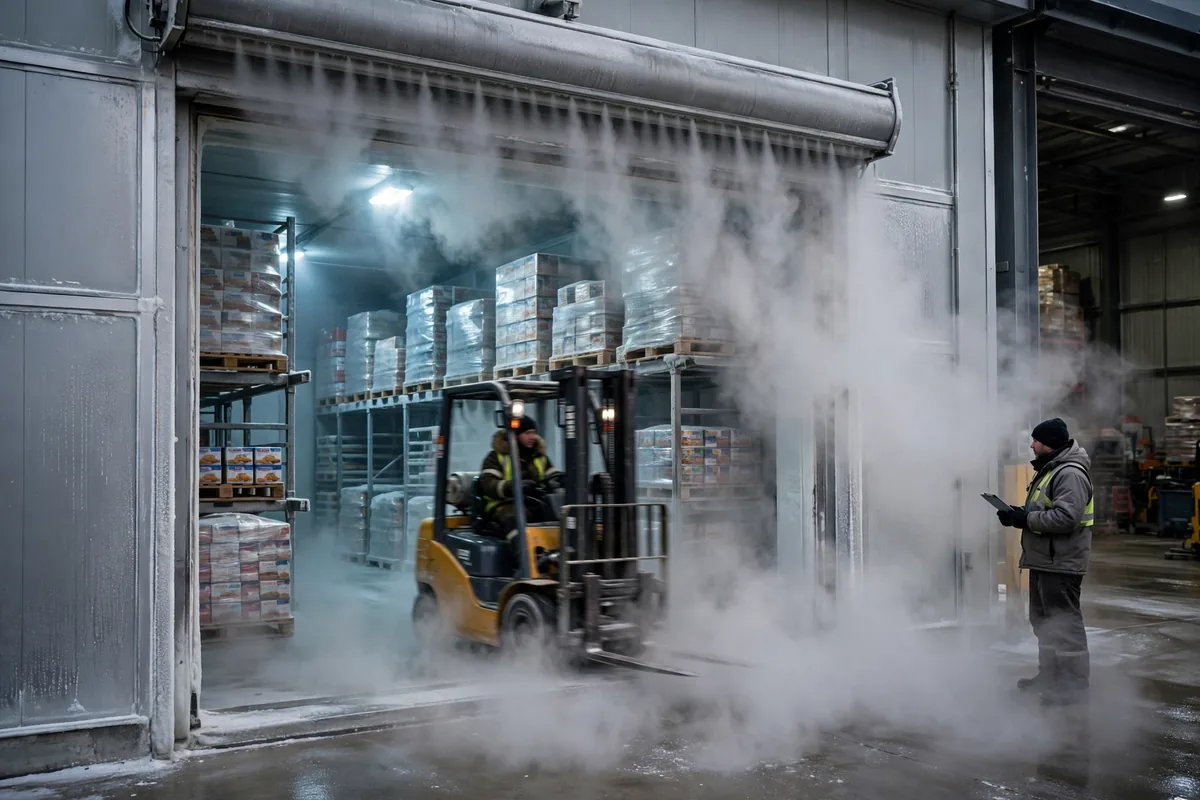
Last July, the electricity bill arrived and I just stared at it. The culprit turned out to be cold storage door opening temperature recovery: heat pouring in every time the door stood open, and compressors working overtime to push it back out. June had been a little over thirty thousand yuan, and July was charging toward forty thousand, and nothing in the warehouse had changed. No new equipment, no extra volume — if anything we were holding less stock. Our old refrigeration hand, Lao Zhou, glanced at the bill and said, forget the meter, go look at the door. I remember that line because once I looked, I realized the money was quite literally leaking out through the doorway.
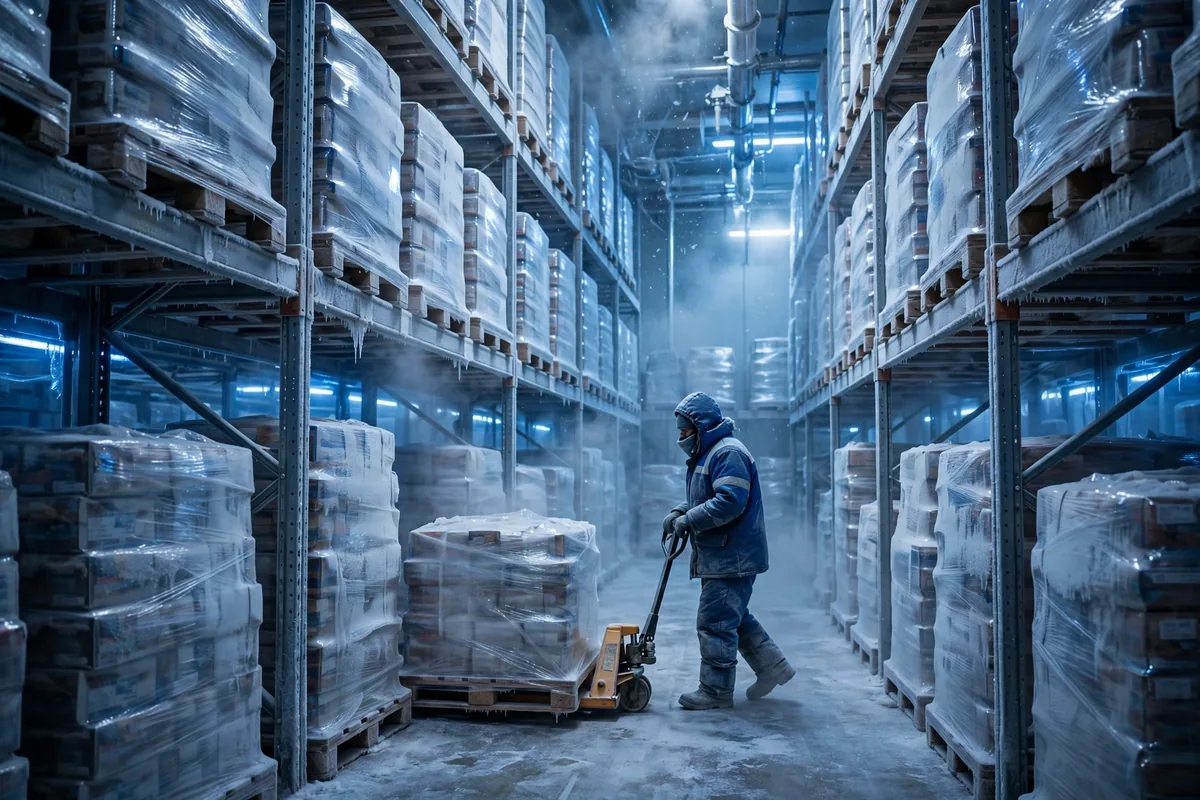
We run a small cold storage, about 3,000 square meters, holding frozen goods at minus eighteen degrees, with more than a hundred forklift trips in and out every day. Outside it was thirty-seven, thirty-eight degrees. Every time a forklift rolled through, the cold air poured out like it was free. The temperature sensor by the door kept an honest record: three minutes with the door open and the reading near the doorway climbed from minus eighteen to minus thirteen. Close the door, and the compressors would grind away for twenty minutes or more to drag it back down. Three minutes of open door, half an hour of extra compressor work. We are a small warehouse. We cannot afford to burn money like that, and a hundred trips a day of it explains the electricity bill completely.
Cold Storage Door Opening Temperature Recovery, Counted in Kilowatt-Hours
I sat down with Lao Zhou and worked out the arithmetic from our own sensor logs and meter readings. These are illustrative figures from our own shed, not industry standards, but they were painful enough to change how we work. One minute of open door, roughly two degrees of recovery near the sensor, about eight minutes of extra compressor runtime. Three minutes, four to five degrees, more than twenty minutes of extra runtime. Let a tally clerk chat in the doorway and leave the door standing open past five minutes, and you are looking at seven or eight degrees of recovery and forty minutes or more of compressor work. And the damage is not only the electricity. Every swing up and down touches the surface temperature of the goods stacked near the door. Frozen product hates that kind of cycling. You cannot see the thaw with your eyes, but quality slips away a little with every swing.
| Door open time (illustrative) | Temperature recovery near sensor | Extra compressor runtime | Extra daily power, ~100 trips (illustrative) |
|---|---|---|---|
| About 1 minute | About 2 degrees | About 8 minutes | Roughly a dozen kWh |
| About 3 minutes | About 4–5 degrees | About 25 minutes | Roughly forty kWh |
| Over 5 minutes | About 7–8 degrees | Over 40 minutes | Sixty kWh and climbing |
Here is the counterintuitive lesson, and I learned it the expensive way: a smaller door gap does not save power. Our first folk remedy was to open the door just a crack and let the forklift squeeze through slowly. Each trip then dragged on for two or three minutes, and the door was actually standing open longer in total. We flipped the approach — open the door fully, forklift in and out fast, total open time under a minute — and the recovery shrank immediately. Cold storage door opening temperature recovery is not a contest of gap size. It is a contest of total open time. It is like dieting: one proper meal beats five snacks, and one quick full opening beats a door left ajar while people dawdle.
Cutting Door Opening Temperature Recovery With Cheap Tools and Stubborn Habits
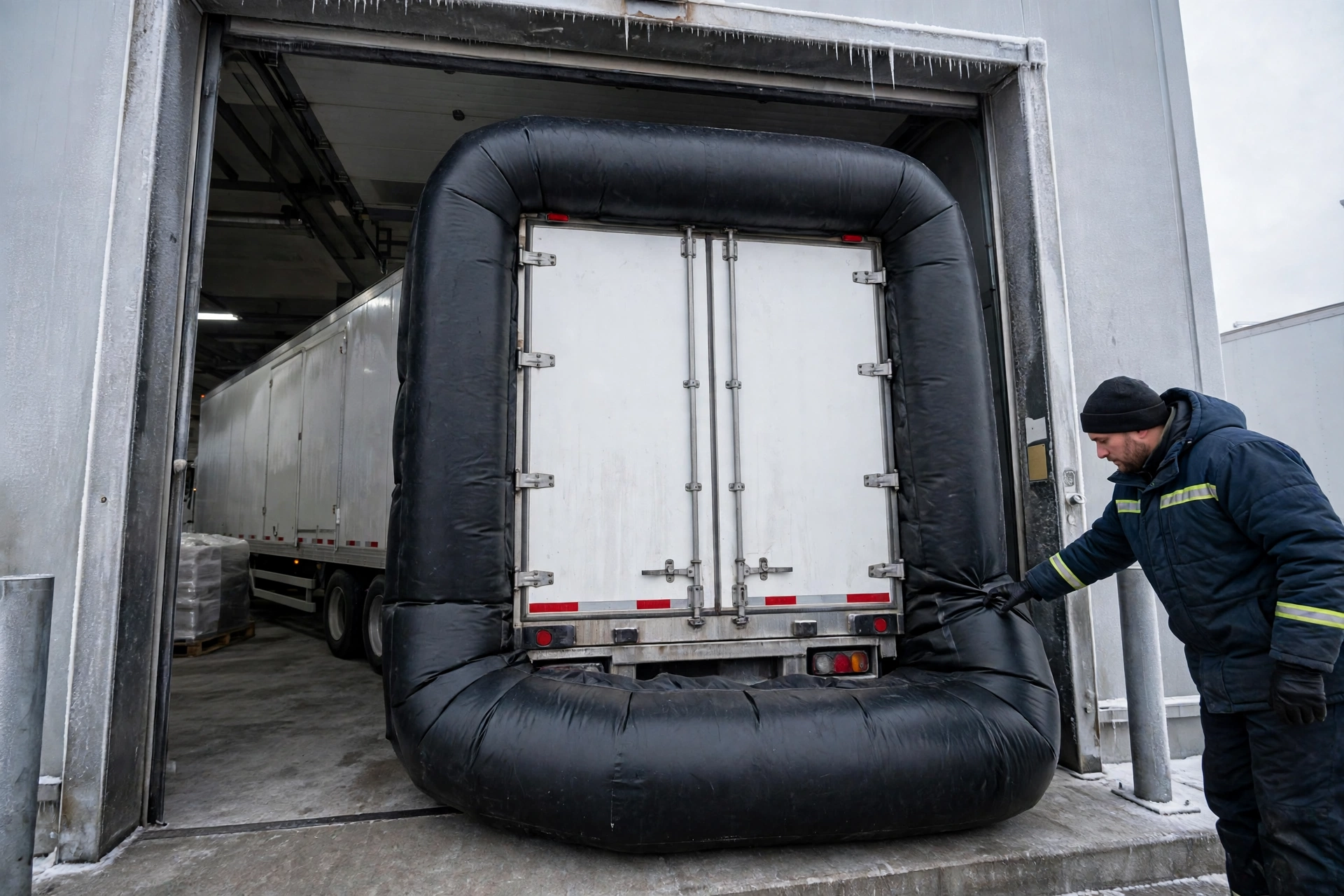
Once that clicked, the rest was small money doing a big job. We did not replace the door or buy anything fancy. We did three cheap things. First, PVC strip curtains across the doorway, a few hundred yuan worth, which the forklift pushes straight through and which fall back into place on their own, blocking a large share of the cold air loss. Second, a second-hand air curtain mounted above the door, blowing a wall of air whenever the door opens, keeping hot air out and cold air in. Third, we changed the work rhythm: inbound and outbound moves were concentrated into a morning window and an evening window, tally clerks matched their paperwork in advance, forklifts queued and moved in one pass, and nobody was allowed to wait in the doorway or count stock with the door standing open. The three changes together cost very little — the air curtain was used, the curtains were bought by the meter — and the most expensive part was the few days it took to change habits, with a sheet of paper by the door recording open times and whoever ran over buying drinks for the crew.
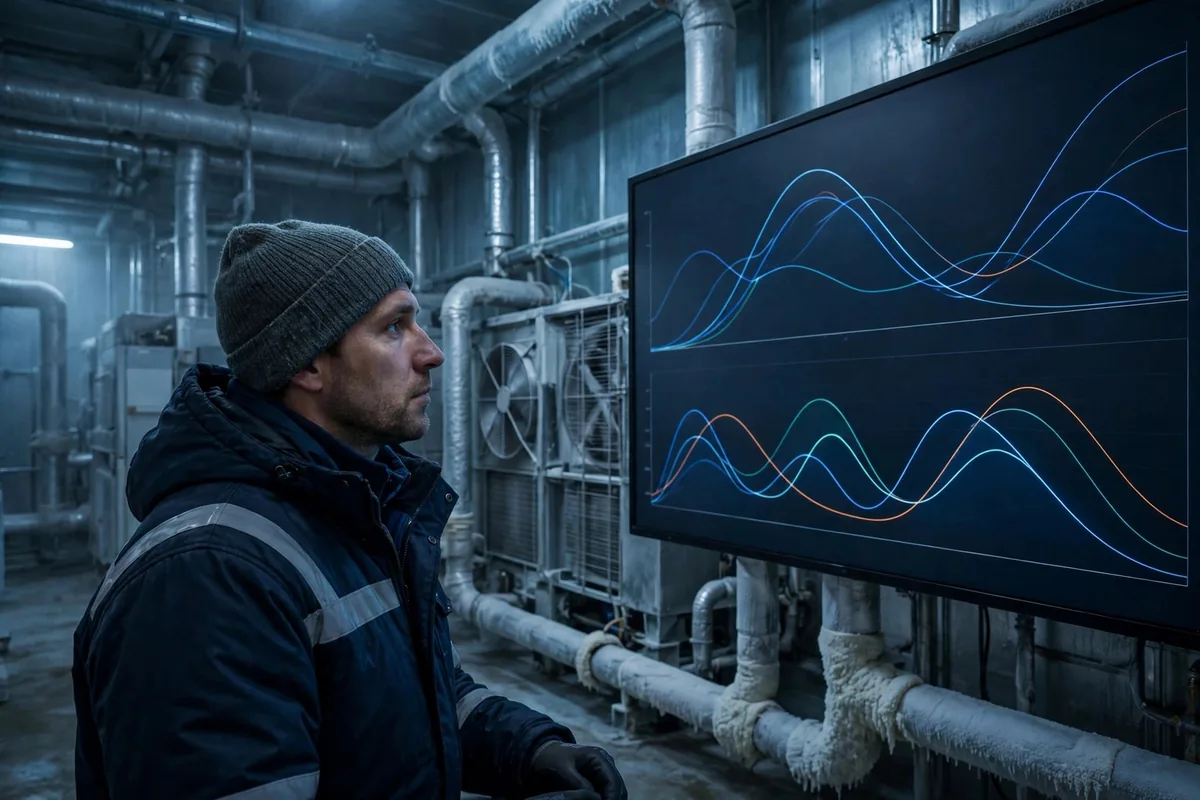
A month later the results were plain to see. In the same late-July heat, the temperature curve flattened out: three minutes of open door now recovered only about two degrees instead of four or five, and the extra compressor runtime roughly halved. The electricity bill was the real judge. August came in more than three thousand yuan below July, and the curtains and the air curtain paid for themselves within about six weeks. There was an unexpected bonus too. Complaints about frost-burned or whitened surfaces on frozen goods, which used to arrive now and then, basically stopped after August. I will not claim the door deserves all the credit, but steadier temperature makes for happier product, and that part is hard to argue with.
If you run a small cold store like mine, here is what I would pass on, all of it learned by bumping into walls. Measure before you buy. Do not start by replacing doors or compressors; hang a sensor by the door, log a week of curves, work out your own arithmetic, and only then decide where the money goes. Fix habits before buying hardware, because no air curtain on earth can compensate for a door that stands open all day. And do not worship expensive equipment. Our second-hand air curtain is still humming away happily. What fits a small warehouse is what is good, and the prettiest numbers on a spec sheet are worthless if you cannot afford to buy or run the thing.
Big warehouses have their own way of solving cold storage door opening temperature recovery, with budgets and engineering teams to match. Small warehouses have a smaller way of living, and it works: guard the door with cheap tools and stubborn habits, and the temperature holds, the bill comes down, and the goods stay in better shape. That is the whole secret, and it cost us less than one month of the electricity we were wasting.
By Xiao Ma, Small Warehouse Owner