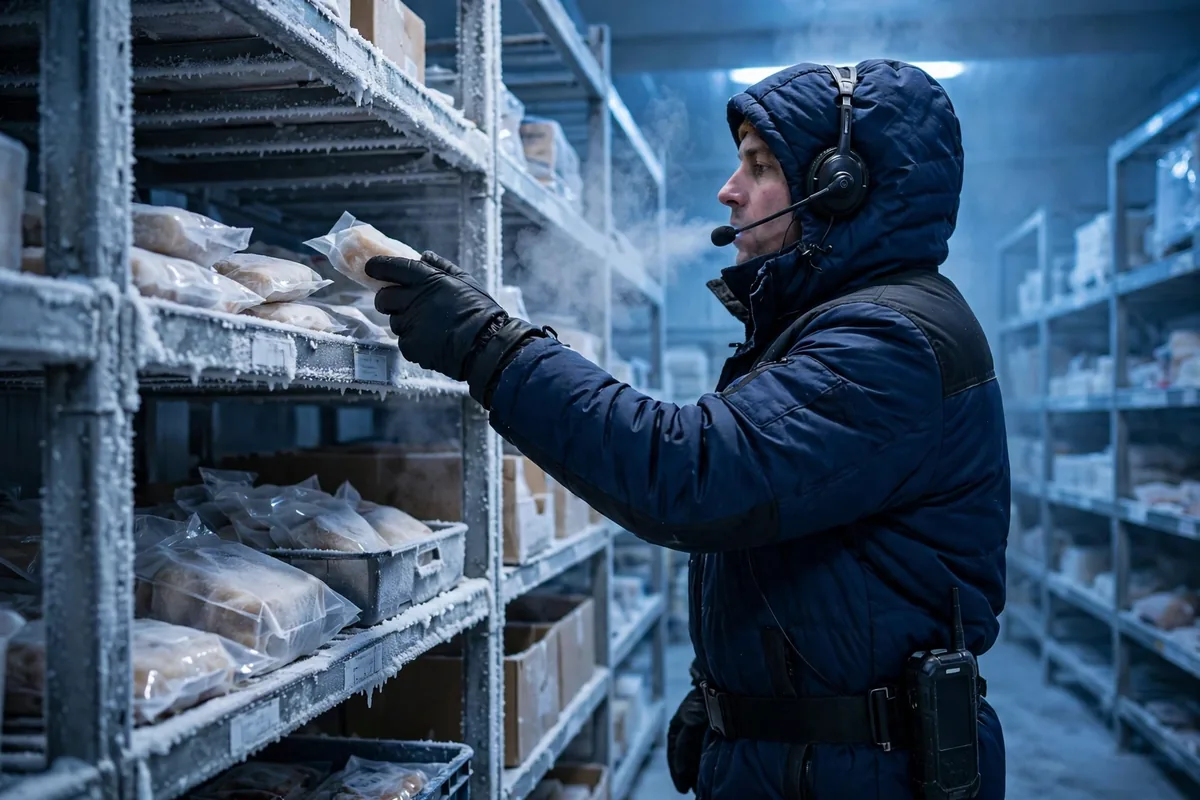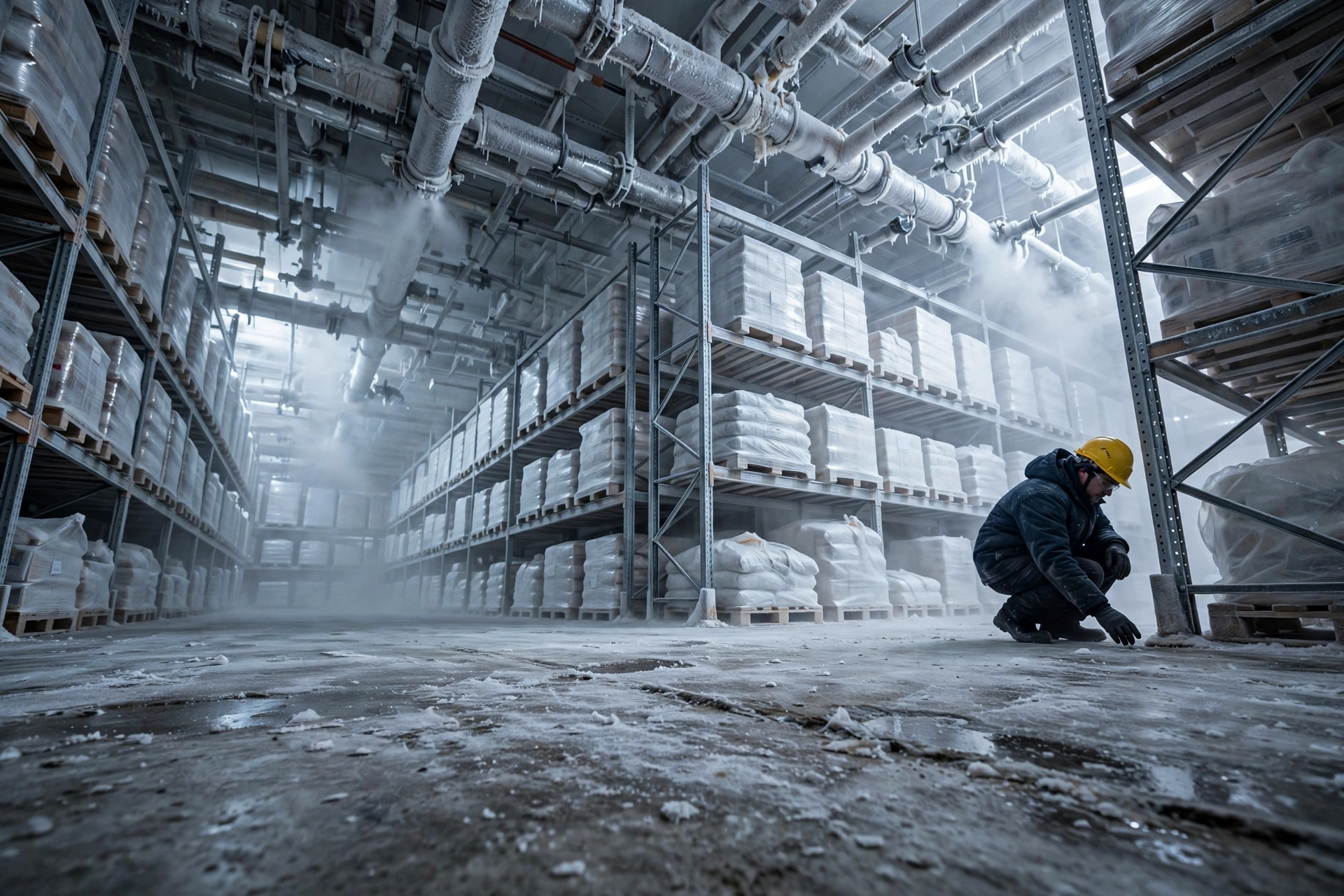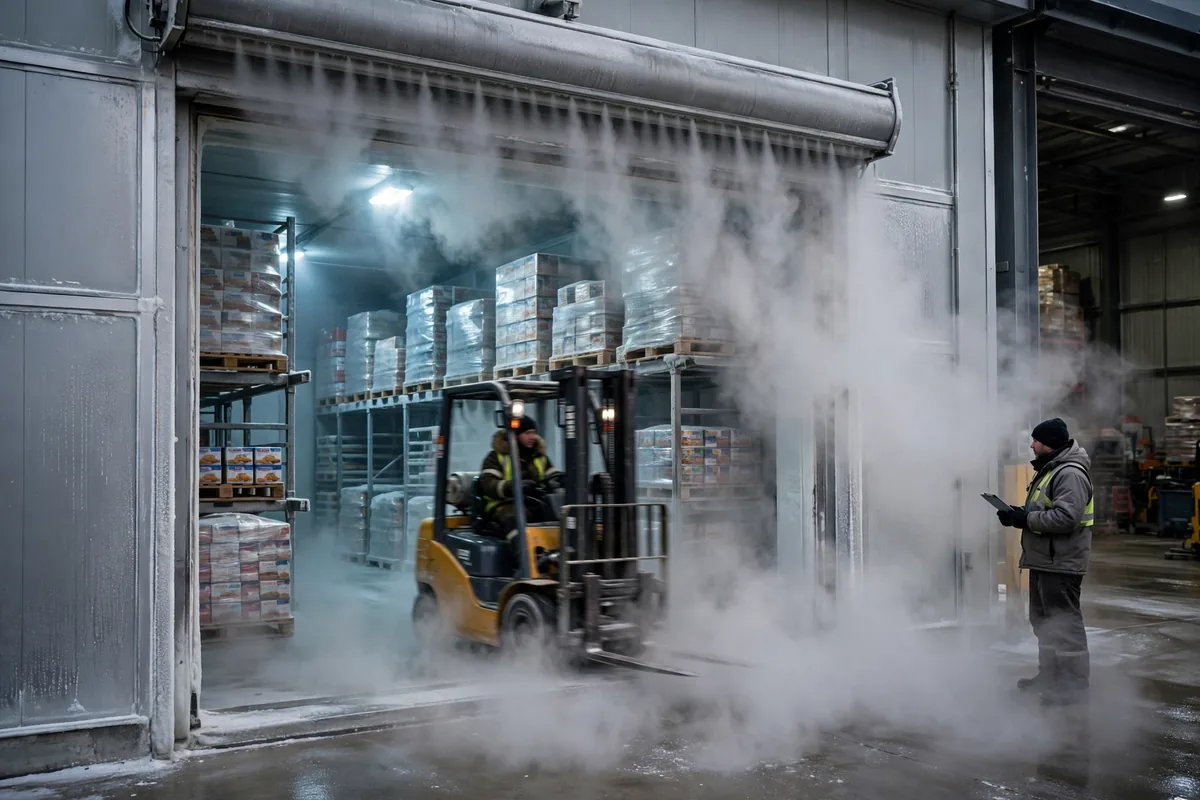
The cold storage defrost cycle sounds like something only engineers at big cold storage facilities worry about. My cold room is small, just one modest chamber holding frozen goods and a few temperature-sensitive lines, and we definitely cannot afford to burn money on it. That is exactly why I pay attention to it. When I first took over the warehouse, I followed the defrost schedule in the equipment manual to the letter, a fixed number of cycles every day, rain or shine. Then the electricity bill arrived, and I had one thought: the defrosting was costing me more than the goods it was supposed to protect.
The problem showed itself one summer. Goods were moving in and out constantly, and the cold room door opened dozens of times a day, letting warm humid air pour in. Frost built up on the evaporator fast, cooling performance dropped noticeably, and the compressor barely stopped running. But my defrosting still ran on the old timetable. Sometimes it ran when the frost was still thin; sometimes the frost was already thick long before the scheduled cycle. One batch of frozen goods came out with a white frosty coating because the room temperature had swung around, and the customer did not look happy receiving it. That batch went out at a discount, and the money I lost would have covered quite a few electricity bills.
My neighbor Lao Zhang, who runs an even smaller frozen goods operation, figured this out before I did. His method could not be simpler: every morning before opening, he looks at the evaporator, judges how thick the frost is, and then decides whether to defrost. On quiet days with little traffic, he cuts cycles back. In humid weather or after a big delivery, he adds cycles. He bought no new equipment. He uses his eyes and a small notebook. As he put it, frost does not eat on a schedule, so why feed it one?
Defrosting by the Clock Ignores How Frost Actually Grows
A fixed schedule assumes conditions inside the cold room are the same every day. In a small warehouse, they never are. Delivery volume changes, door openings change, outdoor humidity changes, and the type of goods changes. Humid summer air grows frost fast. Dry winter air grows it slowly. A big delivery of room-temperature goods forces the room to pull the temperature down, and frost follows. One rigid timetable cannot handle that many variables.
Getting the cold storage defrost cycle right matters precisely because of this double cost. Thick frost costs you twice over. It insulates the evaporator, so heat exchange gets worse and the compressor has to run much longer to hold temperature. That is electricity burned quietly in the background. Thick frost can also make temperatures uneven across the room, so corners far from the evaporator drift first and the goods stored there suffer. On the other hand, defrosting too often costs you as well. Every cycle uses heat to melt frost, and then the system has to pull the temperature back down again. Each round pushes room temperature upward, so frequent defrosting means your goods ride through more temperature swings every day.
Frost, Electricity, and Damaged Goods: Three Bills in One
If you break the cost down, a small operator is really paying three bills. The first is extra cooling electricity, because frost makes the compressor work overtime. The second is the electricity used by defrosting itself, heating plus re-cooling, which is real consumption every single time. The third is the one most people overlook: damaged goods and lost customer trust. One or two temperature swings may not show, but repeated swings hurt the appearance and quality of frozen products, and that damage eventually shows up as discounts or lost repeat orders.
Small warehouses do not need an expensive solution to tune the cold storage defrost cycle. They need to think through the options honestly first:
| Approach | Where the money goes | Result | Best for | | Fixed schedule defrosting | Defrost electricity plus overtime cooling | Easy, but often too much or too little | Warehouses with steady volume and steady door traffic | | Manual adjustment by frost thickness | Almost nothing, just a few minutes of looking | Matches reality, but depends on someone caring | Small warehouses where staff are on site anyway | | Seasonal adjustment by delivery volume | Nothing, just keeping a few notes | More cycles in peak season, fewer in quiet times, fairly balanced | Frozen goods warehouses with clear busy and quiet seasons | | Simple sensor reminder | A small one-time purchase for a probe | Timely reminders without daily watching | Operators who want peace of mind without a big spend |
My own approach combines the second and third rows. Every morning I look at the evaporator. If frost covers most of the fins, I defrost. If it is only a thin layer, I leave it. I also set a rough upper and lower limit based on the season and delivery volume, so I am not just guessing wildly. After one quarter of running this way, the electricity bill visibly came down, room temperature held steadier, and no customer has mentioned frosty goods since.
Cheap Fixes a Small Warehouse Can Start Tomorrow
For anyone running a small cold room, here are a few steps that cost almost nothing. First, look at the frost at the same time every day and write it down. After a couple of weeks, the pattern shows itself. Second, do not defrost during the busiest loading hours, because defrosting with the door open wastes cold air and defeats the purpose. Third, check the door seals regularly. A door that does not close properly lets humid air stream in endlessly, and no defrost schedule can keep up with that. Fourth, do not stack freshly delivered room-temperature goods right in front of the evaporator outlet. Blocking airflow grows frost faster and cools the goods slower.
None of these steps requires big spending or outside experts, and together they are what a sensible cold storage defrost cycle looks like in a small operation: observation first, habit second, equipment only if the first two are not enough. The point is simple: a defrost cycle is not a number printed in a manual. It is a reflection of what is actually happening inside your cold room. Big warehouses have automation. Small warehouses have eyes, a notebook, and the habit of paying attention. Watch the frost, do the math in your head, and both the electricity bill and the damaged goods come down. A small warehouse has its own way of surviving, not by piling on equipment, but by getting every small thing right, and that is steady enough for me.
By Xiao Ma, Small Warehouse Owner