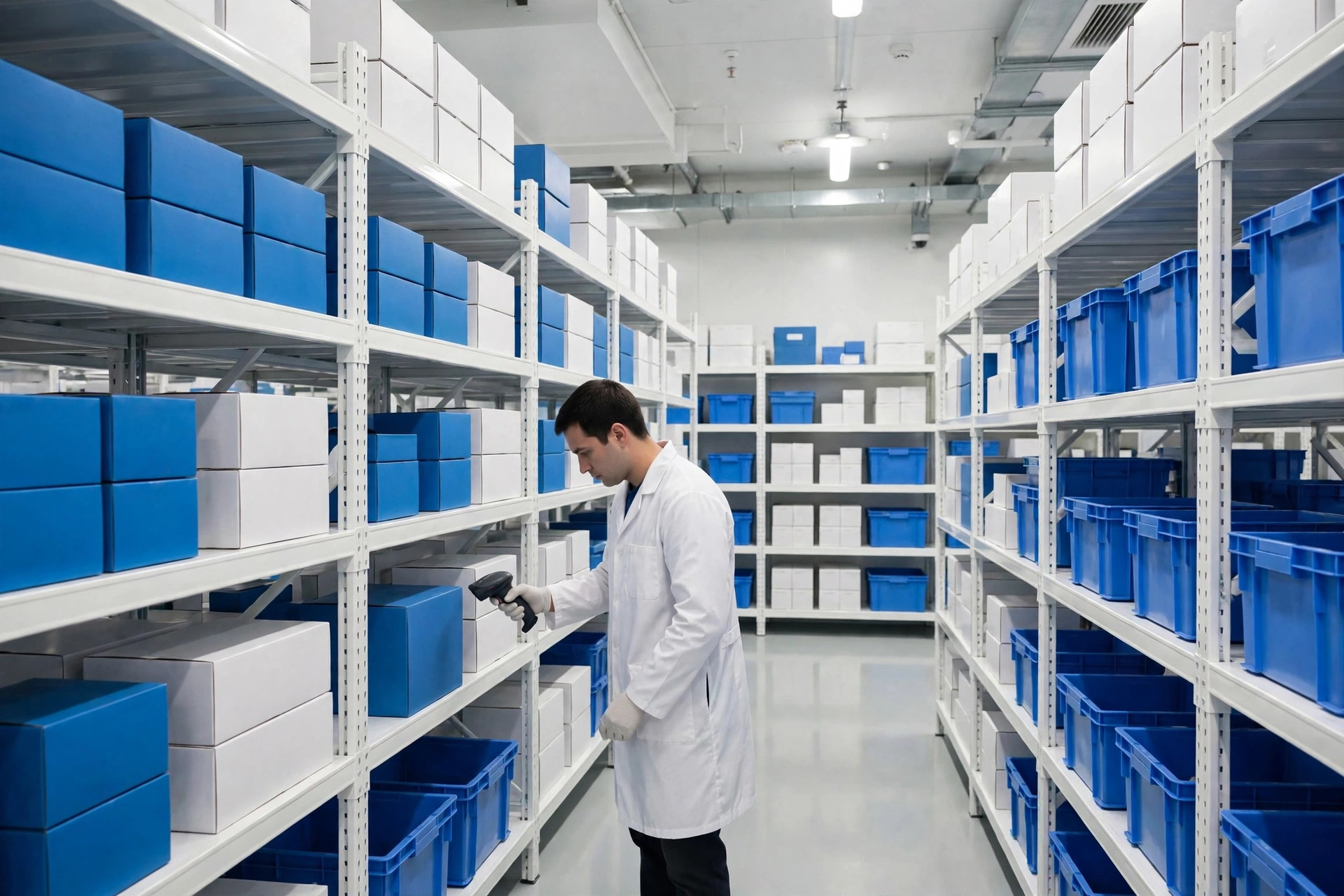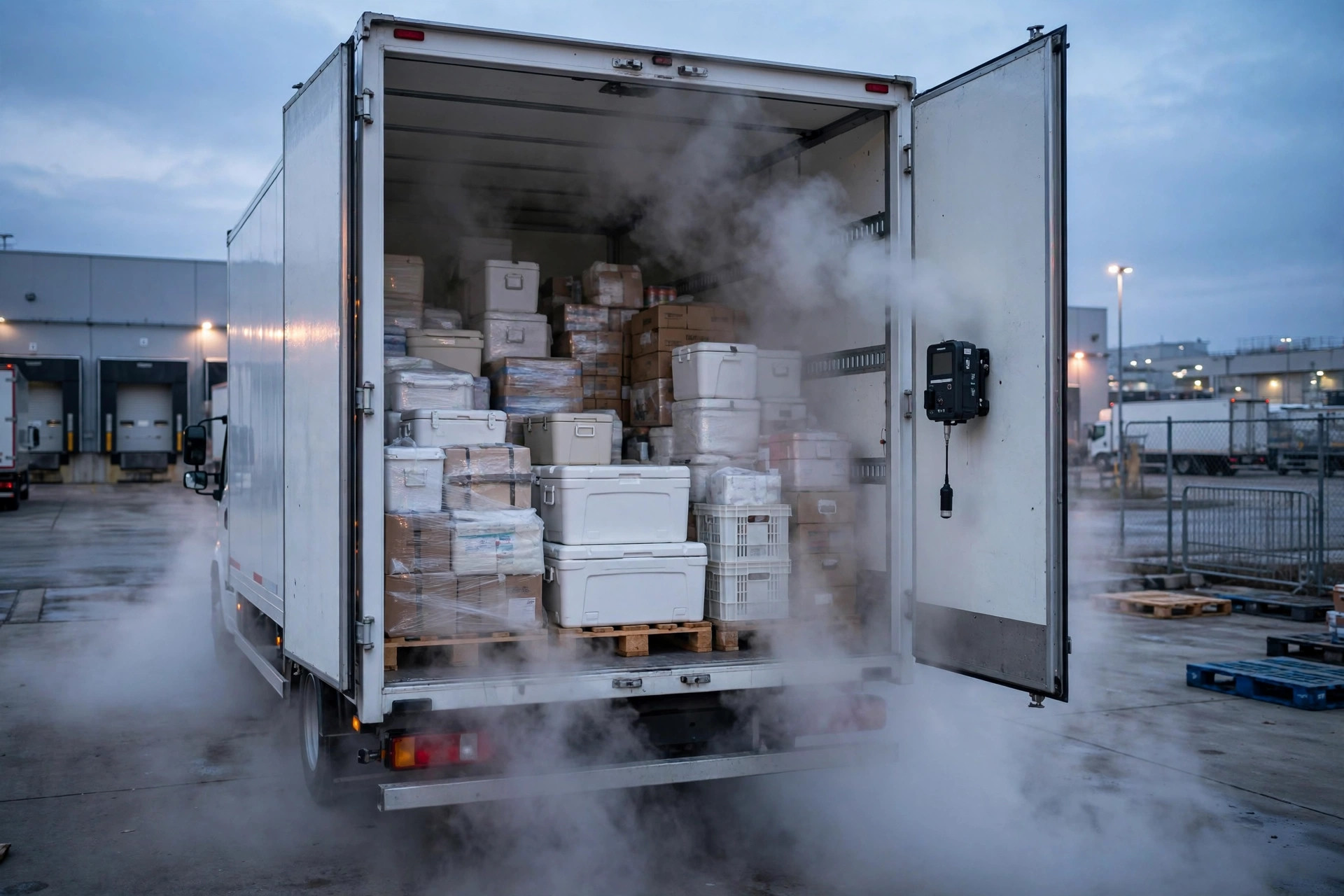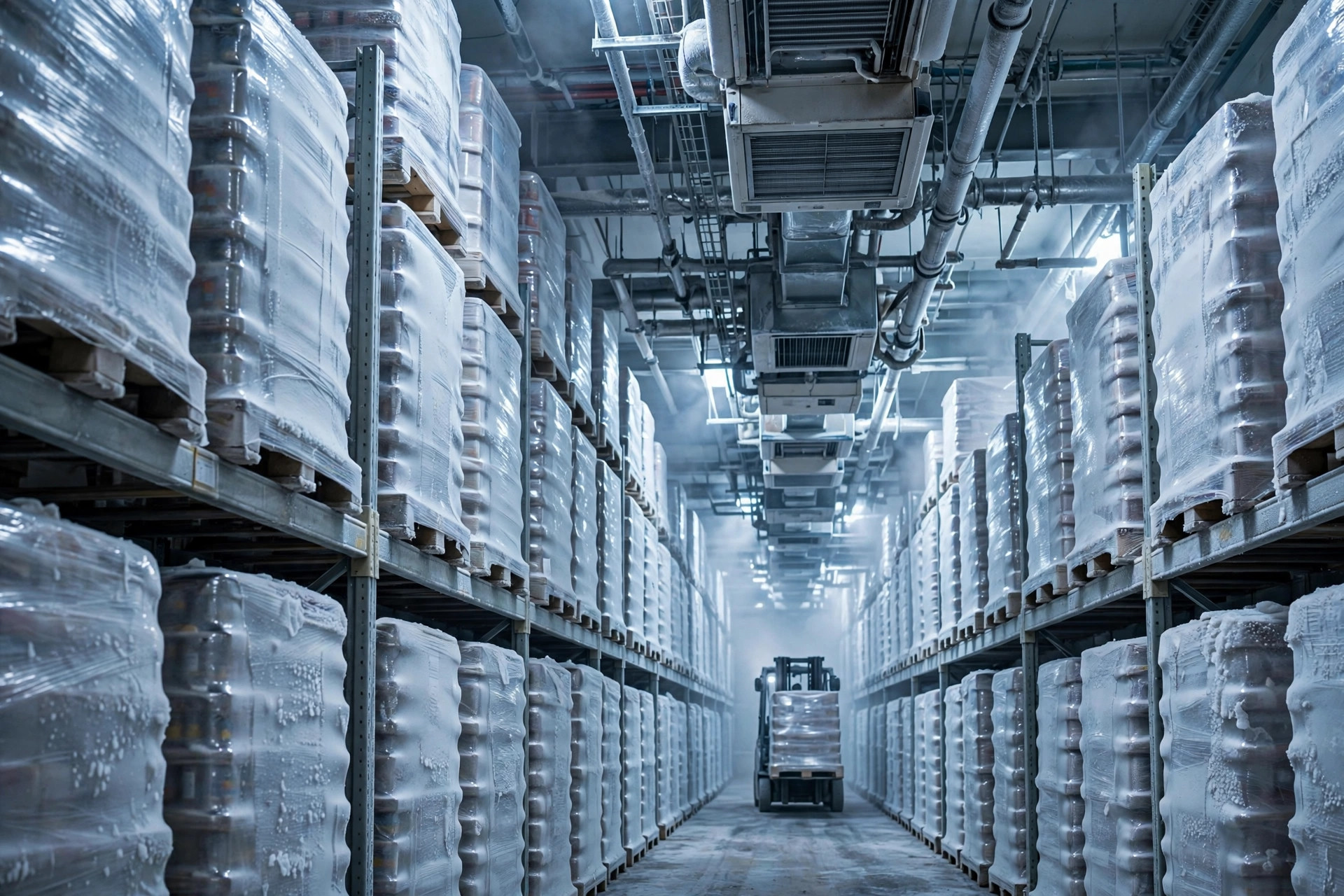
A temperature excursion by itself doesn't kill a product. Mishandling it does.
I can say that with a straight face after twenty years running cold storage in the U.S. I've watched the same kind of temperature deviation end two different ways: one load ships as normal, another gets destroyed in full. The difference was never "how many degrees, how many hours." It was what the warehouse did in the first few hours—whether the evidence survived, whether the product got frozen in place, and whether the decision landed on the right desk.
Back in 2021, a frozen-goods 3PL warehouse in Ontario, California had a client importing frozen shrimp. A refrigeration unit failed on a Saturday night and the room temperature started climbing. The person on shift noticed, called the supervisor, and the supervisor said they'd look at it Monday. Monday morning the temperature logger showed a perfect, complete curve—and the product was still a total loss. Not because the excursion was severe, but because trucks kept picking up freight all weekend, and part of the lot had already shipped through normal channels. By the time the customer's QA team ordered the whole lot quarantined, it was on the road. Recall, destruction, insurance fights. Over four hundred thousand dollars of product. The 3PL paid up and lost the client anyway.
The scariest thing about a cold chain excursion is never the temperature curve. It's product moving while nobody owns it.
The alarm sounds—don't call anyone yet: quarantine, preserve the evidence, read the data. The first four hours are the real battleground
When the alarm goes off, the warehouse really has four jobs, in order.
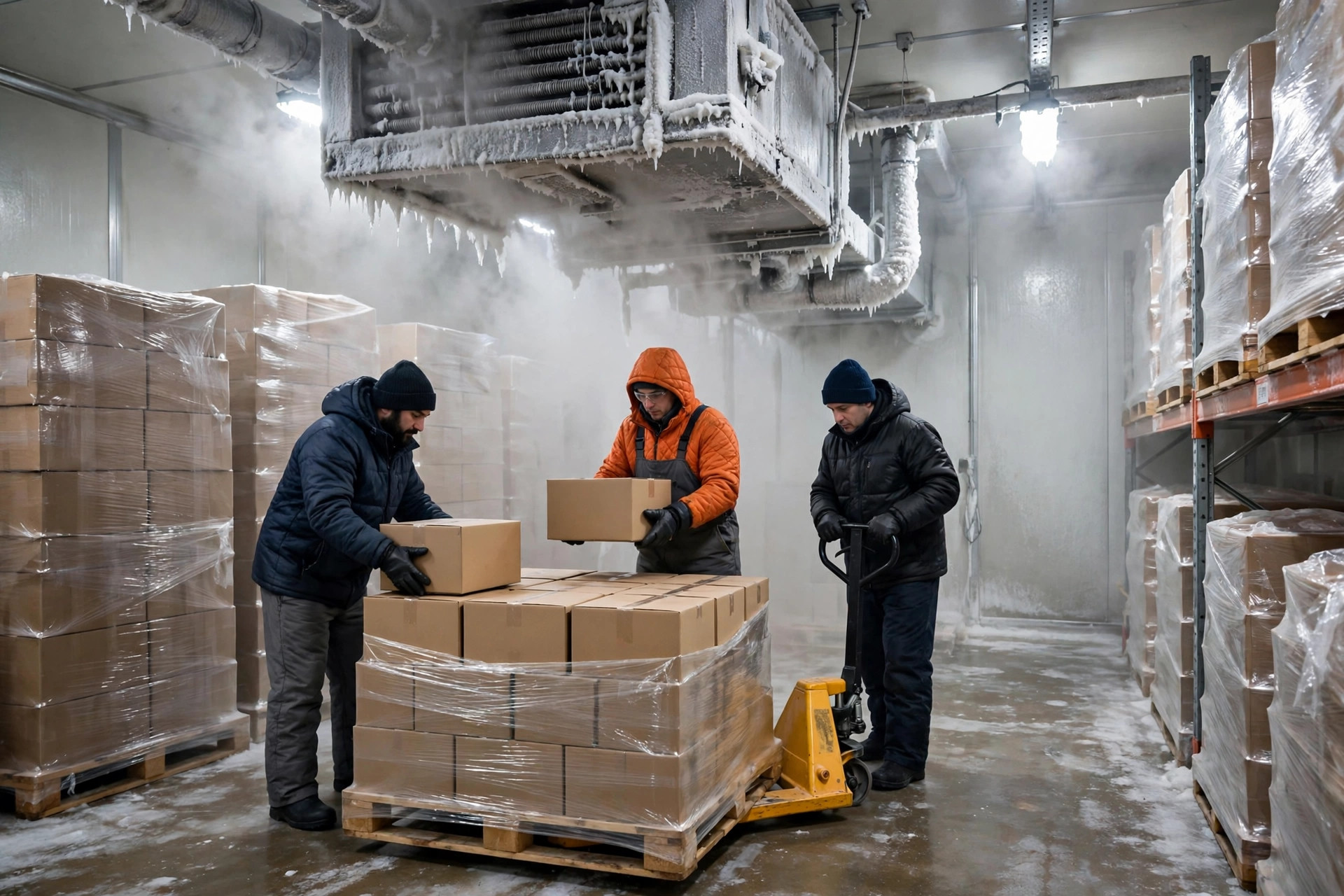
Job one: quarantine, fast. The first move when you find an excursion is not to call your boss—it's to lock the product down. Freeze the inventory in the system, tag it on the floor, move it to a hold area or seal it in place, whatever is quickest. One rule: from this moment on, not a single case moves. Ontario lost on exactly this point—for forty-eight hours the freight kept flowing. Quarantine is damage control. It freezes the situation at the moment the excursion happened.
Job two: protect the evidence. Don't rush to pull the temperature logger. Export the alarm history from the monitoring system, keep the refrigeration service ticket, and pull the records for who entered the room and how many times the doors opened. And one thing most people never think of: back up the camera footage for that window. I've been burned here—once a customer insisted the warehouse had left a door open, and only the footage proved the refrigeration unit had shut itself down. Evidence is what separates blame from fact.
Job three: read the data and figure out how bad it really was. First, a trap worth flagging: where you put the logger decides what the data is worth. A logger hanging by the door measures the door's air. The product in the middle of a pallet, wrapped in stretch film, lives in a different thermal world. I've seen door-area air spike while the core product temperature barely moved, and I've seen the reverse. If all your loggers live in convenient spots, your excursion data is decoration.
Download the logger data and look at four dimensions: which temperature zone drifted (frozen, chilled, and fresh mean completely different things); how high the peak temperature went; how long it lasted; and whether the whole room drifted or just one area. The evaluation logic is really "duration × temperature band": short, shallow excursions that recovered cleanly sit in a different universe from long, deep ones. But one principle is non-negotiable: the warehouse's job is to lay out the facts, not to decide the product's fate. Hand the complete data package to the customer's QA team or the supplier and let them make the call—release or destroy—against the product specifications and the quality agreement. A warehouse making that call on its own is the real trap. Release it and something goes wrong, it's on you. Destroy it and the customer later says the product was fine, it's still on you. Let the qualified people sign. You own the facts.
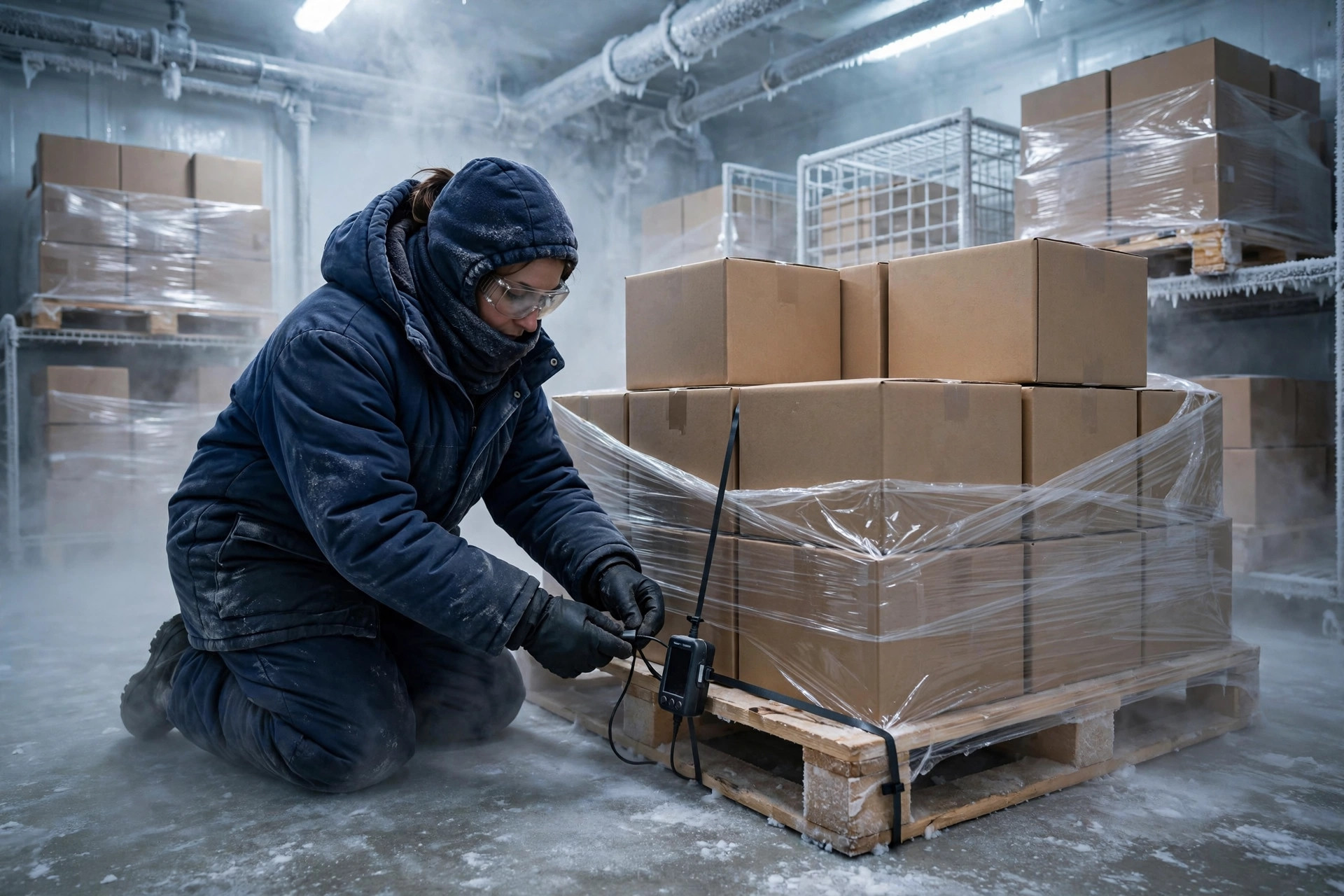
One word on prevention. The loggers themselves need tending: an out-of-calibration logger or a dead battery gives you garbage data when you need it most. My habit is a quarterly spot check on logger calibration status, and I reconcile the alarm setpoints against the room monitoring system. Ten minutes of work that can save a six-figure argument on excursion day.
Stop writing "retrain the staff" in your CAPA: what a corrective action looks like when an auditor can't poke holes in it
Job four: the investigation report and the CAPA. This document isn't written for the customer. It's written for a future auditor. A deviation investigation that survives an audit traces the root cause down to the equipment and the action: which unit, what failed, why the alarm wasn't caught in time, why the quarantine was late.
Corrective and preventive actions have to be just as concrete: what the maintenance schedule changes to, what new logic goes into the alarm system, which step of the shift procedure changes, who owns it, and by when. Skip words like "immediately" or "ASAP" in the due dates—put an actual calendar date on it, because a CAPA that isn't closed on time becomes a second deviation. Auditors despise seeing "retrain the staff" as a CAPA. The moment an inspector reads those words, they've decided you're papering over the problem. Write every action as something that can be verified, and the audit has nothing to bite on.
One last question for you: who looks at your temperature logger data on a normal day, and how often? If the honest answer is "only when there's an alarm," then next time an excursion hits, you won't even have baseline data—and what exactly will you bring to the table when the customer's QA team asks whether the product can ship?