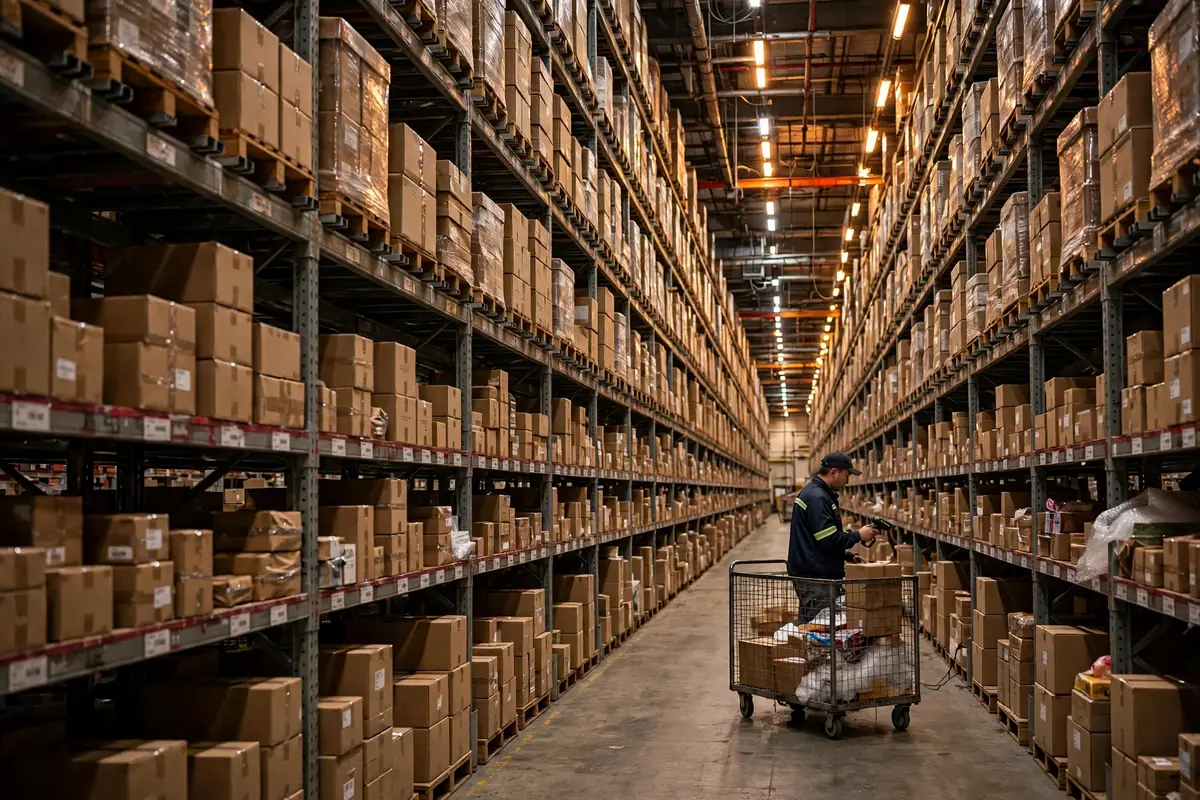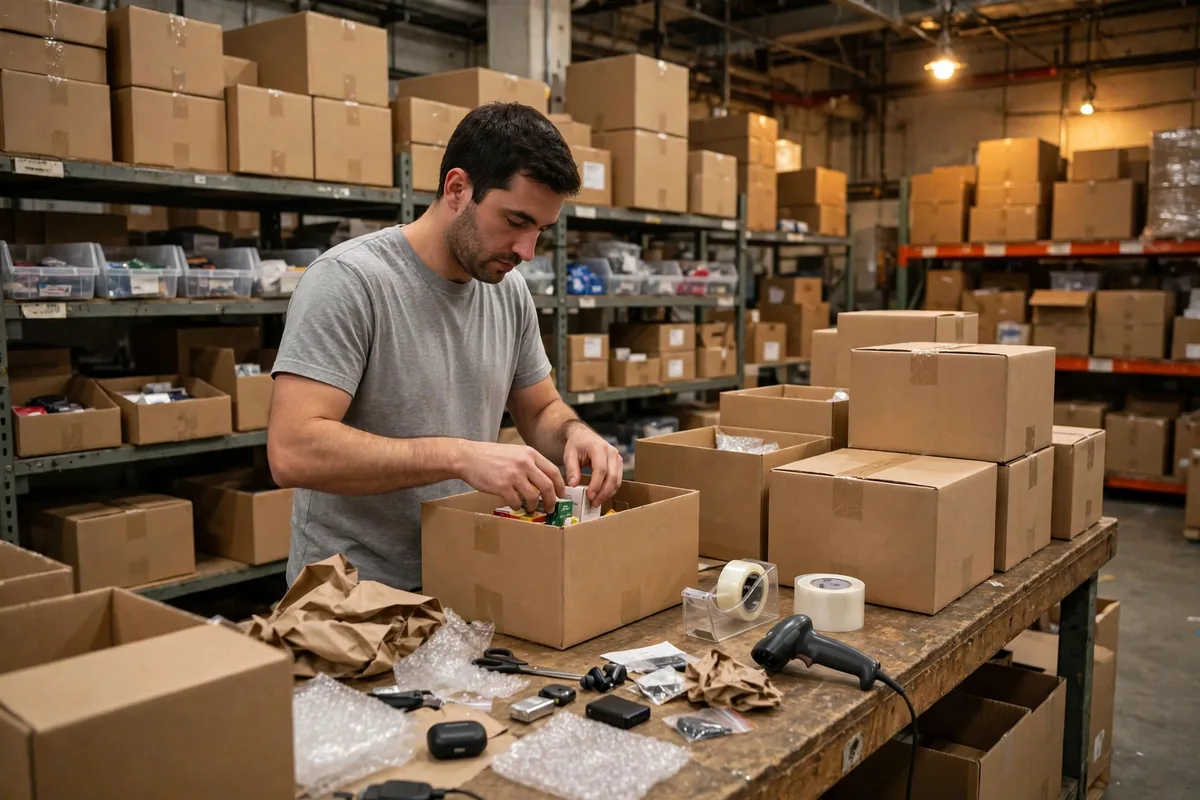
We have a client who exports consumer electronics. In the fall of 2024 he asked me one question about ciudad del este paraguay warehouse distribution: where should we rent a warehouse?
On paper, the logic was hard to argue with. Ciudad del Este is Paraguay's second-largest city, sitting on the Paraná River across from Foz do Iguaçu in Brazil, with Argentina a short drive south. One warehouse there, he figured, could serve three markets at once. Rents and labor in Paraguay run well below São Paulo levels, and the Friendship Bridge puts Brazilian and Argentine buyers within reach. He wanted me to help him sign a three-year lease and lock the rent in.
I told him to hold off. In border warehousing, the rent is the last thing worth negotiating first.
The warehouse by the bridge can keep you waiting all day
Let me tell you about another client first. Also consumer electronics. In late 2023 he rented a warehouse on the Paraguayan side of the Friendship Bridge, less than ten minutes' drive from the crossing, because he wanted freight to roll off the bridge and straight into his racks. The contract looked great — rent came in about ten percent below a comparable warehouse downtown, and he thought he had found a bargain.
The first peak season broke that theory. When bridge traffic builds up, trucks queue for hours to cross. His trucks would reach the bridge in the morning and not get into the warehouse until the afternoon. Worse, his whole distribution plan was built on same-day arrival, same-day deconsolidation, and same-night dispatch toward Asunción. One late arrival and the entire chain slipped a day. Customers in Asunción were waiting to put product on shelves; buyers on the Brazilian side were waiting to collect. All he could do was stand in the warehouse and wait.
He later told me the "ten percent cheaper" rent was eaten alive in a single peak season — extra shuttles, overtime unloading, and orders he simply lost. He paid more for the cheap warehouse than he would have for the expensive one.
The lesson is simple: a border warehouse is not a race to be closest to the bridge. It is a question of whether you control the timing of freight entering your building. The biggest risk of a bridge-side warehouse is not inside the warehouse. It is on the bridge, and you do not control the bridge. So never build a distribution plan that depends on "cross today, ship today." Before you sign anything, ask two questions: when the bridge is jammed in peak season, does the warehouse offer backup receiving windows? And how is overtime unloading charged? If those two answers are not in the contract, the peak-season invoice will surprise you.
Warehouse, Customs, and Distribution Are Three Separate Bills (ciudad del este paraguay warehouse distribution)
Our second client did it smarter. He sells small home appliances. Instead of a bridge-side warehouse, he rented a cross-dock in downtown Ciudad del Este and a small distribution point on the road toward Asunción. Full containers come in, get broken down, sorted, and labeled in Ciudad del Este, then move out by order toward Asunción and the other side of the border.
It looks like an extra step. In practice it saved him real money. The downtown warehouse does not live or die by the bridge — freight arriving half a day late does not wreck the dispatch plan. Deconsolidation and sorting happen where rent is cheap, and only loaded, order-ready freight goes on the road.
Here is the framework I built with him. Ciudad del este paraguay warehouse distribution really comes down to four cost lines, and you can run your own numbers through it:
| Cost line | Bridge-side warehouse | Downtown cross-dock | Inland distribution point |
|---|---|---|---|
| Rent | Low | Medium | Low |
| Border waiting time | High — bridge queues are out of your control | Medium — staggered receiving | Low — freight is already cleared |
| Shuttle and handling | Low — one step | Medium — one extra breakdown | Medium — freight moves in batches |
| Distribution flexibility | Poor — one delay stalls everything | Good — dispatch follows orders | Good — close to the end market |
Here is the counterintuitive part: most people think the value of a border warehouse is that it is cheap. It is not. Its value is that it is a buffer. The real advantage of Ciudad del Este is that it lets you split "crossing the border" from "distributing the freight" — bring the goods in, break them down slowly, and ship on your own schedule. The moment you tie those two jobs together and rush both, you end up paying for the queue on the bridge.
On customs and duties, I will keep this short: policies change year to year, so treat the Paraguayan customs authority's latest published rules as the only source that counts. One practical tip — before signing a warehouse lease, ask your customs broker to price the Brazil-inbound route and the Argentina-inbound route separately, with documents, lead times, and fees written down for each. The two routes have completely different cost structures, and a quote that lumps them together is almost always hiding surcharges.
When you visit a warehouse in person, do not just look at floor area and ceiling height. Check four things: whether the access roads let a large truck turn around, whether the dock height matches your container type, whether night shifts are possible and who pays for overtime, and whether the yard floods in the rainy season. Ciudad del Este sits at the tri-border near the Itaipu hydropower plant, and the rainy season is no joke — a low-lying warehouse that looks cheap can teach you an expensive lesson in a single storm. Once you have checked those four points, you have actually understood ciudad del este paraguay warehouse distribution site selection: you are not renting a shell, you are renting the ability to move freight in and out.
The Three Lines in the Contract Everyone Skips (ciudad del este paraguay warehouse distribution negotiation notes)
Back to the contract. When clients negotiate a border warehouse lease, they love to haggle over the rent per square meter and celebrate saving a few cents. Anyone on our side of the table knows the real money sits in three other lines:
First, the free storage period. Delays at the border are normal, not exceptional. Three free days versus seven free days can mean a large bill in peak season. Leave this vague and you have agreed to carry all the border risk yourself.
Second, who pays when customs holds the freight. Does the rent clock keep running while goods sit uncleared? Who covers demurrage? If the contract does not say, both sides will argue about it later — while the freight keeps burning money in the warehouse.
Third, who owns the cross-border leg into Brazil or Argentina. Many warehouses only cover "inside the building." Once the truck leaves the dock, it is your problem. Ask clearly: is the cross-border leg handled by the warehouse's partner carrier or by your own trucks? Who issues the documents? If freight is lost on the road, whose account does it hit?
One more thing I always tell clients: do not sign too long. Border trade policy, exchange rates, and crossing rhythms all move. A three-year lease with locked-in rent looks cheap until your volume mix changes or your distribution focus shifts from Brazil to the Argentine interior — and then the long lease becomes a cage. Sign for one year, prove the model works, then negotiate the renewal from strength.
Next time you sit down to negotiate a warehouse contract, remember to ask these three questions: how are receiving windows protected when the bridge is jammed in peak season? Who carries the rent when customs delays the freight? And who actually owns the cross-border leg? Ask those three before you sign, and ciudad del este paraguay warehouse distribution stops being a gamble and starts being a business you can run.
By Susan, 3PL Sales Director