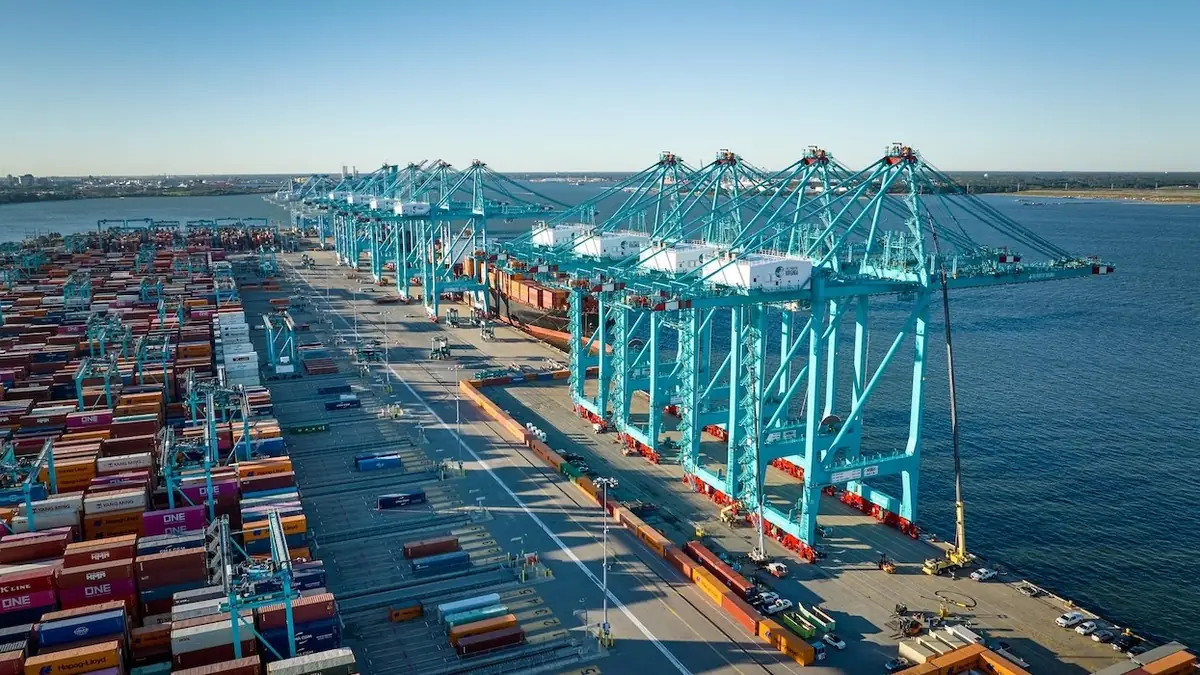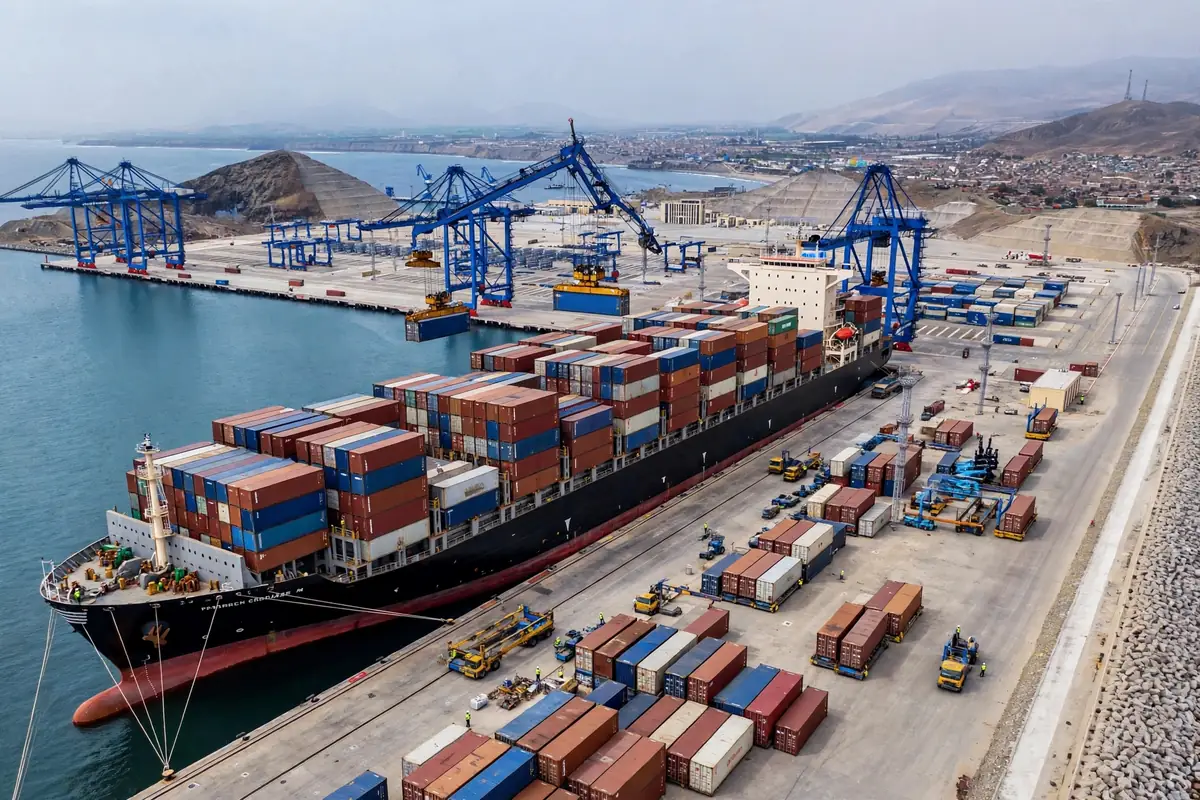
Chancay Port opened on November 14, 2024. It sits about 78 kilometers north of Lima, runs four berths in its first phase with water 17.8 meters deep, and offers a direct Chancay–Shanghai sailing of about 23 days. The old routing took roughly 35 to 40 days, and logistics costs on the lane are down about 20%. When the news broke, a friend of mine who exports blueberries called me late at night: "Xiao Ma, this means we can sell an extra round of fruit." I told him to slow down. "Do the math first. Our little warehouse cannot afford to burn money on excitement."
That is the reality of running a small warehouse. I operate a 3,000-square-meter facility with a crew of about ten, and every dollar on the books already has a name on it. They only matter to me if they answer one question: does this new route let me hold less stock, spend less money, and take fewer angry calls from customers? If not, the biggest headline in the world is none of my business. So here is the Chancay Port math — three small ledgers that a small operator actually keeps.
What Chancay Port Really Saves: More Than a Few Days
Start with the numbers that matter. The direct Chancay Port sailing to Shanghai takes about 23 days, versus roughly 35 to 40 days before, and logistics costs are down about 20%. What does a fortnight actually mean? For a container of blueberries, avocados, or grapes, it is shelf life: arriving fresh versus arriving discounted. On the old routing, fruit spent more than a month at sea, then still needed distribution after arrival. The spoilage and markdowns never showed on the freight invoice; they showed up at month-end reconciliation, all at once.
My blueberry-exporter friend lives this every peak season. His worst fear is not having no fruit — it is having fruit arrive at the same moment as everyone else's, so wholesale prices collapse. With Chancay Port open, his cargo can reach Shanghai nearly two weeks earlier and hit the shelves inside a better price window. That is his math, though, not yours. If your cargo is copper concentrate or fishmeal — goods that do not mind waiting — saving two weeks mostly means slightly less capital tied up in transit. Same port, different ledger.
Here is another number most people skip: about 45% of Chancay Port's volume is transshipment cargo. In plain terms, the port is not just Peru's own gateway; it is a consolidation point for South America's west coast. Cargo from neighboring countries funnels into Chancay Port and boards big ships straight to Shanghai. For a small warehouse, that means more sourcing options down the road — you are not locked to one country's single port. It also means berth space and rates at Chancay Port will follow the whole region's cargo volume. A new port does not mean unlimited space in peak season, so do not plan like it does.
The Chancay Port Warehouse Math: Three Ledgers for a Small Operator
Do not hear "costs down 20%" and cut your quotes by 20% — that is how you dig your own hole. That figure is a lane average, and what it means for your specific shipment has to be broken apart. Here are the three ledgers I keep, and you can copy the format:
| Ledger | The old way | After Chancay Port opened |
|---|---|---|
| Cash in transit | Cargo at sea 35–40 days, payment locked up for over a month | Direct sailing about 23 days, cash freed nearly two weeks sooner |
| Safety stock | Long, unreliable sailings forced extra buffer stock | Shorter, steadier sailings let you trim safety stock one notch |
| Spoilage and markdowns | Long transit meant spoilage and price cuts were accepted as fate | Faster arrival protects fresh produce value and cuts markdowns |
The first ledger is cash in transit. When a shipment spent 35 to 40 days at sea, the money for it sat on the water for over a month. For a small warehouse, stock on the water is money that cannot take the next order. At about 23 days, cash comes back nearly two weeks sooner, and over a year that can mean one or two extra inventory turns — which means one or two more rounds of orders your warehouse can accept. That money never appears on a freight bill. It appears in how many orders you can take by December.
The second ledger is safety stock. Long and wobbly sailings force a warehouse to hold extra buffer stock, and buffer stock eats space and cash; too little buffer and you stock out and pay the customer for it. Shorter sailings mean shorter replenishment cycles, so safety stock can come down. But note the wording: it can come down, not that it must be slashed. I have watched people cut safety stock in half the week a faster route opens, then get hit by one delayed sailing and stock out completely. Trim one notch, run it for two months, check the on-time rate, and only then decide on the second notch.
The third ledger is spoilage and markdowns on fresh produce. Blueberries, avocados, and grapes are cargoes where time is literally money. Arriving nearly two weeks earlier means nearly two weeks more shelf life and fewer forced price cuts. Money that used to be written off can now be partly recovered. But here is the contrarian point: a faster ship does not guarantee a better price for your fruit. If everyone switches to Chancay Port and everyone arrives two weeks early, the cargo still piles up at arrival and prices still fall. The real bonus window is the period before everyone else catches on.
Do Not Rush In: Three Traps on the Chancay Port Route
The first trap is the inland leg. Chancay Port sits about 78 kilometers north of Lima, and no matter how fast the port is, cargo still has to travel from the growing region to the port and from the port to your warehouse. Those road hours are not inside the 23 days. My friend's first Chancay shipment did sail faster, but collecting cargo from the production area cost two extra days, so the total saving shrank. Always count door to door, never port to port.
The second trap is building your own overseas warehouse. The moment Chancay Port opened, people started telling small sellers to set up shop and rent land in Peru. My advice: our little warehouse cannot afford that kind of money. A port designed for about 1 million TEU a year in its first phase is still growing its warehousing, customs, and trucking ecosystem, and a small team arriving as strangers will pay for rent, labor, and compliance the hard way. The scrappy route is to run one consolidated shipment through a third-party overseas warehouse first, learn the real costs and the real process, and only then scale up. Shared-container costs split across shippers are far cheaper than renting your own warehouse, and if it goes wrong you can walk away.
The third trap is putting all your eggs in one basket. Chancay Port is operated by COSCO Shipping, and the direct service is efficient — but the more concentrated a route is, the more concentrated its risk. If schedules shift or space tightens one week, cargo with no backup plan is stuck. The small-warehouse way is to run Chancay Port as the main lane and keep the old route as a spare tire. The old route is slower and pricier, but it can save your skin at the critical moment. Two lanes look like extra cost; in reality they are cheap insurance.
So here are three suggestions for fellow small operators. First, recalculate your safety stock and cash cycle on the new sailing time instead of the old one — trim one notch, run it for two months, then trim again. Second, let fresh produce lead and dry cargo follow: time-sensitive goods like blueberries and avocados capture the benefit first, while copper concentrate and fishmeal can wait. Third, do not rush into heavy assets in Peru — consolidate first, then book dedicated space, and only talk about setting up locally after each step has been proven with small money.
Chancay Port is open, and the South America–Asia cargo route has genuinely changed. But for a small warehouse like mine, what changed is not the world — it is the ledger in my hand. Get the ledger right and the benefit is yours; get it wrong and the fastest ship in the world is just saving money for somebody else. A small warehouse has its own way of surviving: no bandwagon, no burning cash, just one careful calculation after another.
By Xiao Ma, Small Warehouse Owner