I paid for this lesson on a client's behalf.
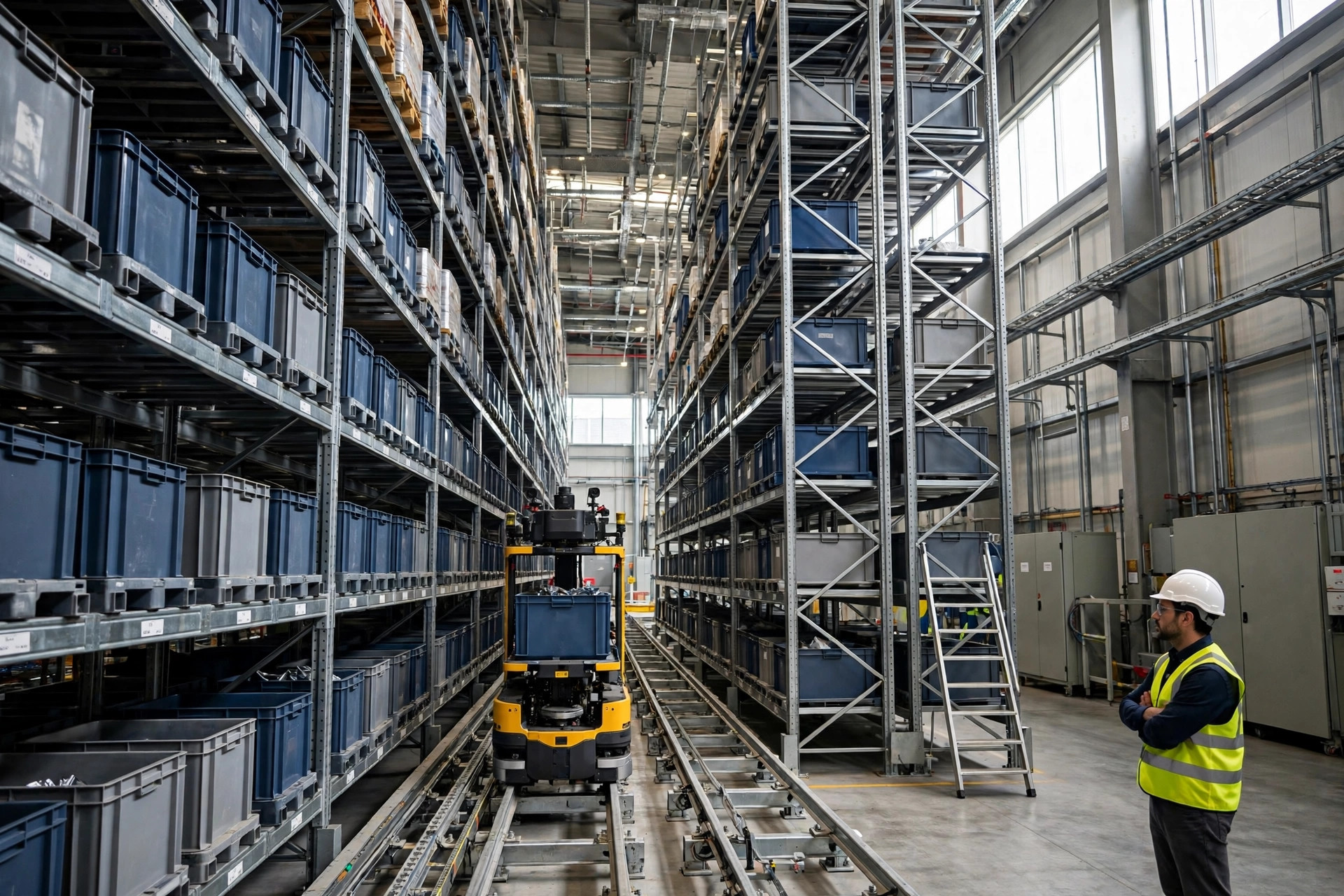
Early 2023, a four-way shuttle maker called me in a panic. Their machines had landed in Los Angeles, and the electrical inspector at the customer's warehouse walked the floor, found no NRTL mark on the units, and red-tagged everything on the spot — no power-up, project frozen. The manufacturer was baffled: they had a report, a thick English one, full IEC testing done at a domestic lab, CNAS stamp and all. The inspector glanced at it and shook his head: "That's not an NRTL mark."
The shipment sat in a port warehouse for over a month while a field evaluation body came out, assessed each unit on site, and applied field labels before anything could be energized. What that cost in money and time would have paid for the certification twice over.
Ever since, when someone asks me "which lab should we use for certification," I ask one question back: do you want to test in China and transfer the data, or certify directly with a US lab? These are two completely different roads. Pick right and it's smooth sailing; pick wrong and rework plus waiting will sink your project timeline. I won't invent fee or timeline numbers here — lab quotes change every year, so get current quotes from the labs. I'll just lay out how the math works on each road.
The Transfer Route: You Save on Freight, You Gamble on Data Acceptance
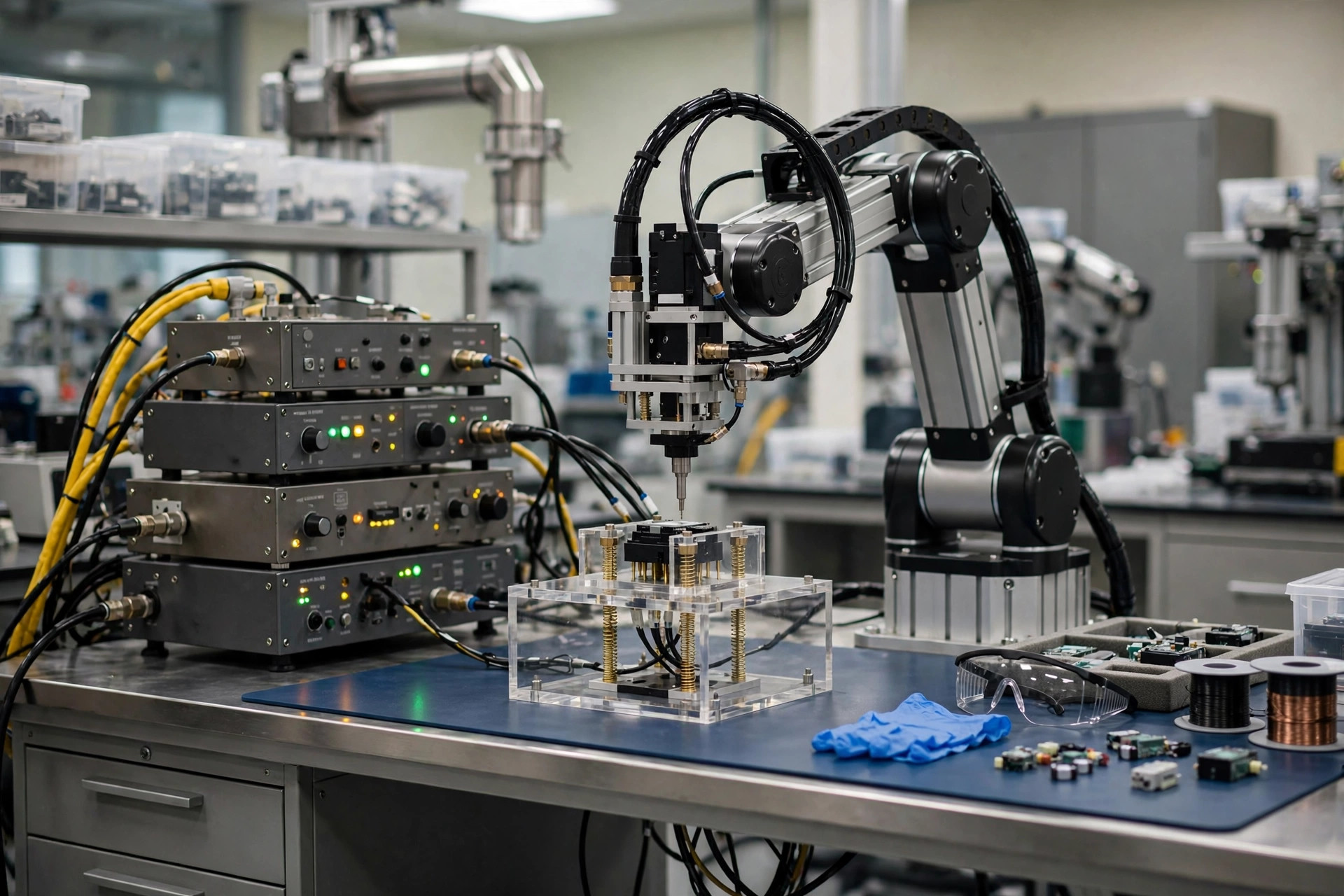
The transfer route is seductively logical: run the full test program at a Chinese lab, hand the data to an NRTL for review and listing. No samples crossing the ocean, no time-zone pain with engineers, easier test scheduling.
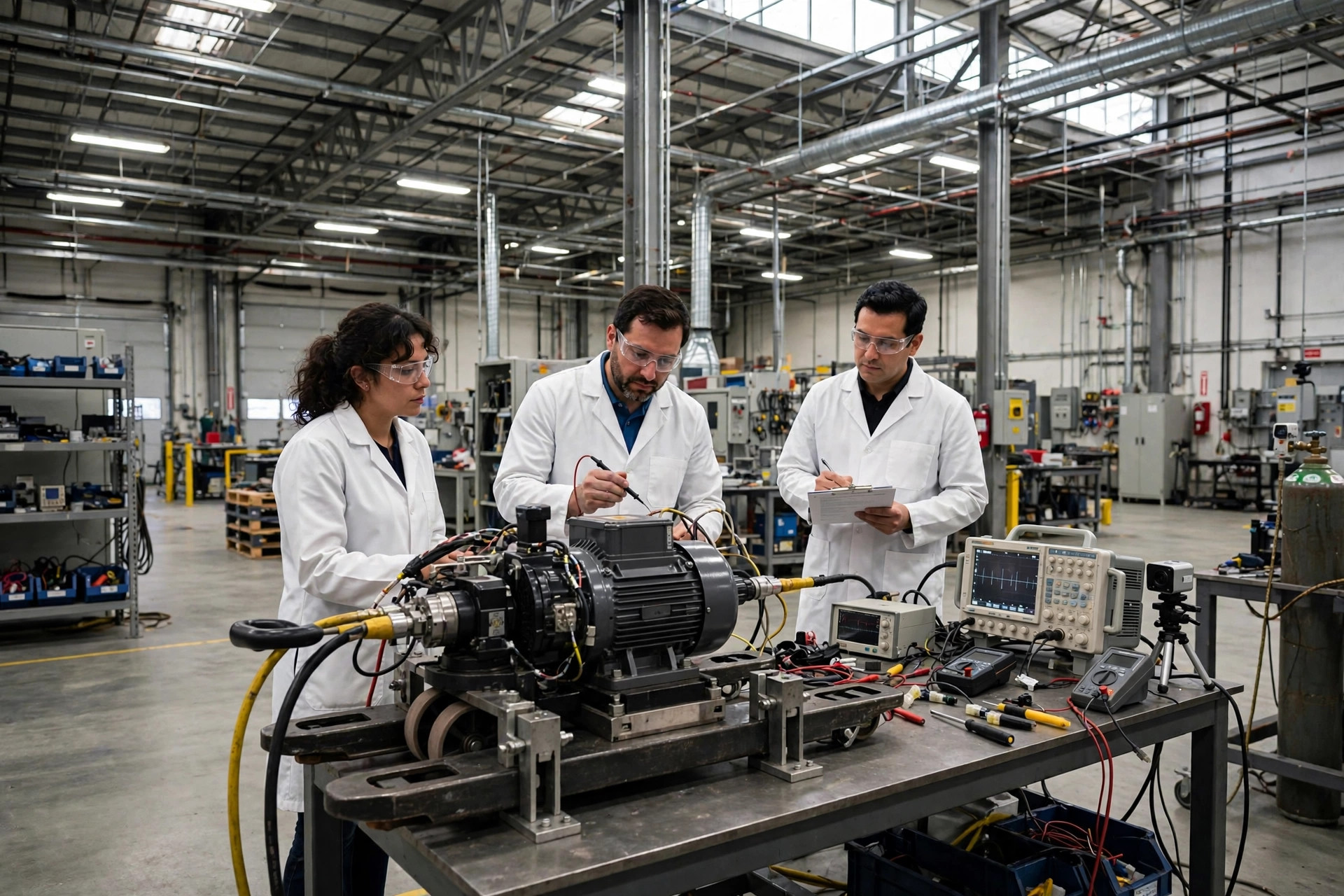
It works because the big NRTLs genuinely have mechanisms to accept outside data. UL Solutions runs a Data Acceptance Program (DAP) that accepts externally generated test data in support of UL certification, in flavors like WTDP, CTDP, and TPTDP. Participating labs must have equipment and personnel equivalent to UL's own labs, pass UL's qualification, and get reassessed every year. In April 2024, a Chinese PV manufacturer's testing center earned UL WTDP status — Chinese labs entering UL's data-acceptance system is real, not a rumor.
But the transfer route has three traps, and each one can send you back to square one.
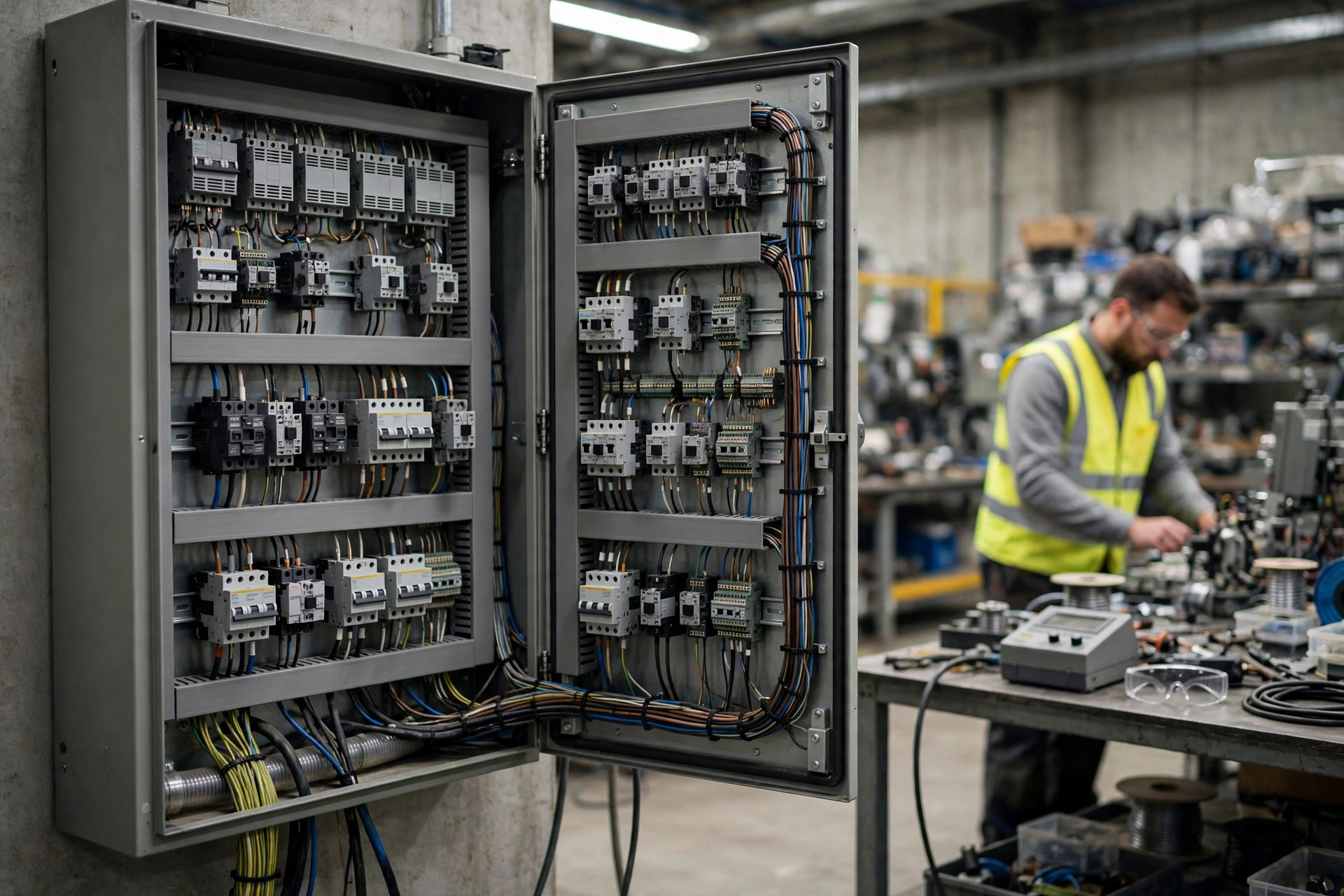
Trap one: the standards don't line up. Test all you want to IEC standards in China; UL standards carry a stack of US national differences — extra requirements on panel wiring, short-circuit current ratings, and the like. Hand over the data and the review engineer can simply say, "I don't accept this portion, retest." Back to the domestic lab, back in the queue, and everything you saved on freight evaporates.
Trap two: a CB report is not a UL certification. The CB Scheme is an IECEE mutual-recognition system. A CB report can reduce duplicate testing when transferring to UL, but the NRTL still does its own evaluation and difference testing before issuing a mark. If you're counting on swapping a CB report directly for a UL mark, stop now.
Trap three: rework happens an ocean away. When testing finds a problem — a design change, a component swap — your engineers are in China and the review engineer is in the US. A week can disappear into email threads just to agree on a corrective action. Then retesting, then the queue again.
So what equipment actually suits the transfer route? Three hard criteria: the product design is frozen and the electrical scheme won't change again; it falls under a mature standard like UL 508A that experienced Chinese labs have run hundreds of times and know every likely finding by heart; and the critical components in the test samples are already certified themselves, so the system test will very likely pass on the first round. Only when all three hold should transfer be on the table.
The Local Route: You Pay for Engineering Hours, You Buy Certainty on the Spot
Going local means sending samples straight to a US NRTL lab and certifying to US standards end to end. You don't need me to recite the lab list — OSHA publishes twenty-odd NRTLs, including UL Solutions, Intertek, TÜV SÜD America, TÜV Rheinland of North America, and CSA. But here's the detail people miss: each NRTL's scope of recognition is approved standard by standard by OSHA. A lab accredited for UL 508A is not automatically accredited for your equipment's standard. Before signing anything, check the lab's scope on OSHA's website — it's free, takes ten minutes, and skipping it is flying blind.
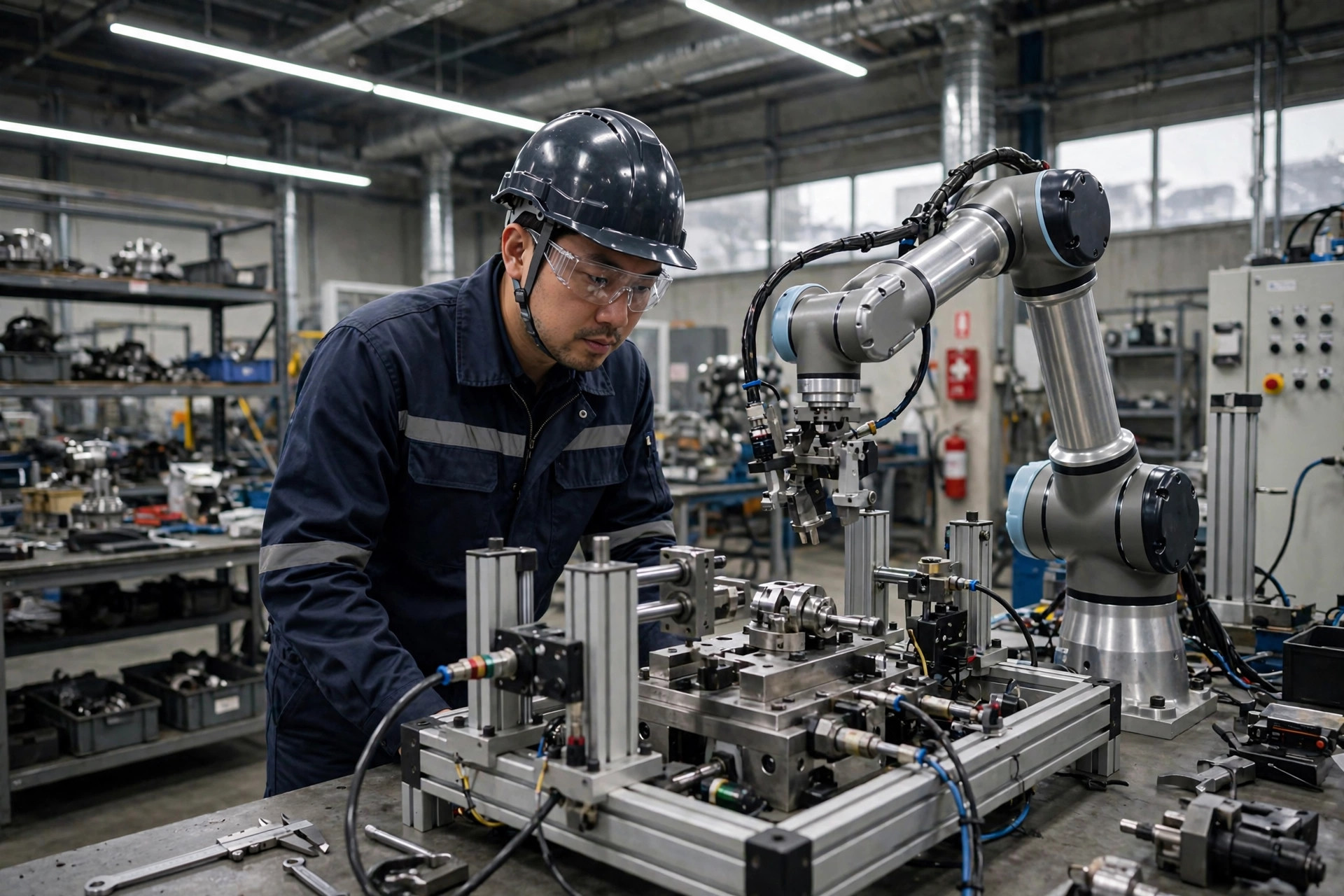
This road is expensive, expensively honest: US engineering hourly rates, international sample freight, maybe flying your own engineer over for witness testing. What you're buying is certainty — the review engineer looks at the actual sample, flags problems face to face, and corrective actions get decided on the spot instead of over email. Just as important, US inspectors and AHJs know the marks of the big domestic labs cold, so acceptance goes through with minimal friction.
Here's the interesting part: the line between "local" and "transfer" is blurring. In January 2025, SGS won OSHA approval to extend its NRTL lab network into Europe and Asia, with NRTL-capable labs in Yokohama, Gyeonggi-do, New Taipei City, Brussels, and Puchheim able to test for the US market. The question is shifting from "US or China" to "where's the nearest NRTL-accredited site to me."
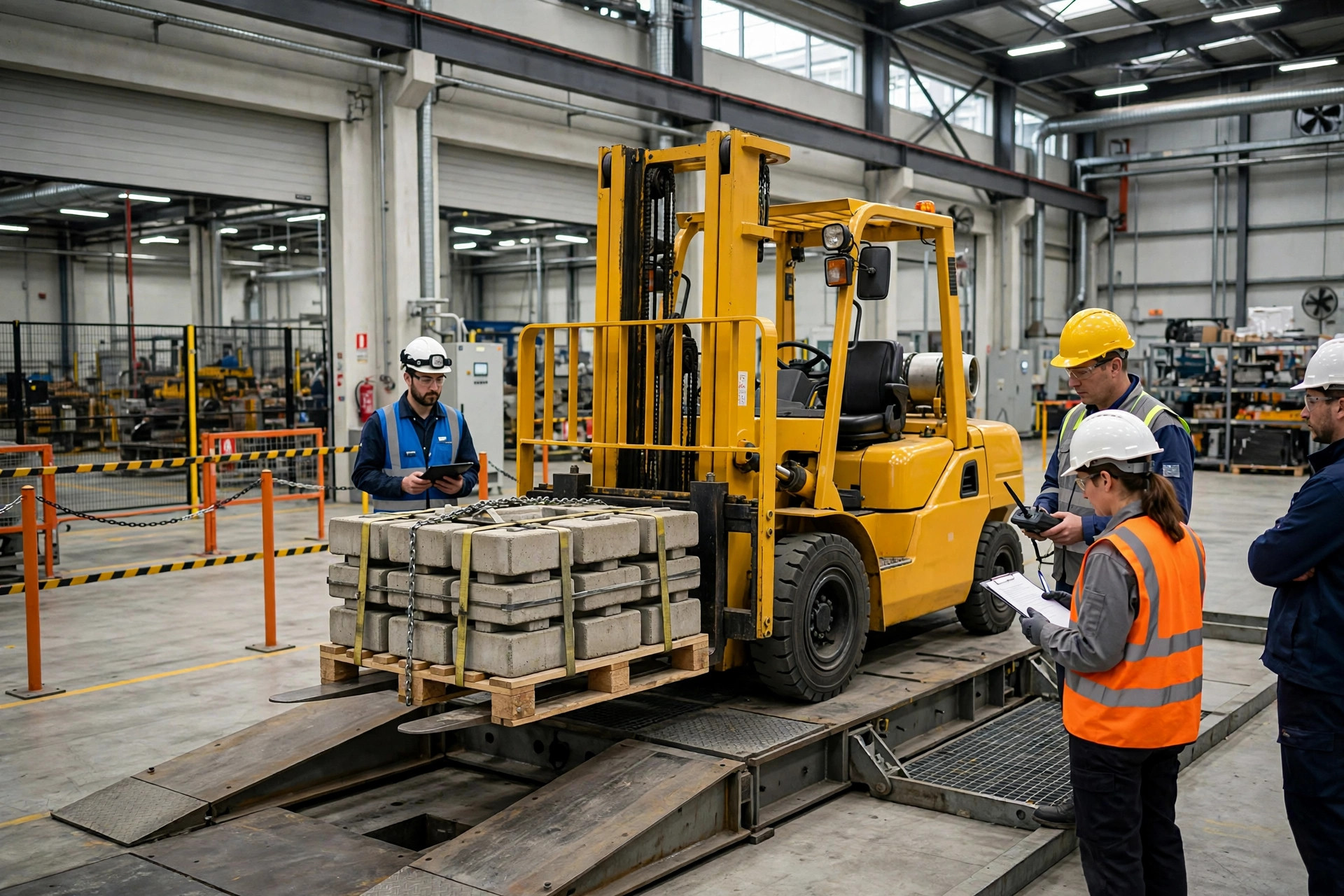
One emergency lane worth knowing: if your equipment is already in the US and full product certification can't make the schedule, there's field evaluation. That's a separate system — evaluation bodies working to NFPA 790/791 come on site and assess a single unit together with its installation, one time, and apply a field label if it passes. Don't confuse it with NRTL product certification: product certification covers a whole product line, every unit off the line; field evaluation covers this one unit at this one site. Fine for emergencies, not a routine path to a mark.
The Decision Checklist: Three Questions, No Gambling
With both roads priced out, the decision comes down to three questions.
Question one: is the design frozen? If the electrical scheme or mechanical layout might still change substantially, go local. Transfer's worst nightmare is a design change mid-testing — all prior data becomes scrap.
Question two: how well do you know the standard? Mature standards like UL 508A are routine for experienced Chinese labs — transfer makes sense. Novel equipment, say a whole mobile manipulator, leaves wide room for interpretation, and the review engineer's judgment carries heavy weight. That needs to happen face to face, in the US.
Question three: can your delivery date absorb a gamble? Once transfer triggers retesting, the timeline is out of your hands. If liquidated damages are already in the sales contract, don't gamble — going local buys schedule certainty.
Three universal moves, whichever road you take: check the NRTL's scope on OSHA's site and confirm it covers your standard; get the lab's written confirmation that it will accept your transfer data and test plan — verbal promises don't count; and spell out in the quote who pays for retesting and how long retest scheduling takes. Get the ugly questions answered up front.
My verdict in one sentence: the newer and the more non-standard your equipment, the closer it belongs to a US lab — whatever the transfer route saves won't cover a single round of rework and waiting, and I've done that math for you; it's not worth it.