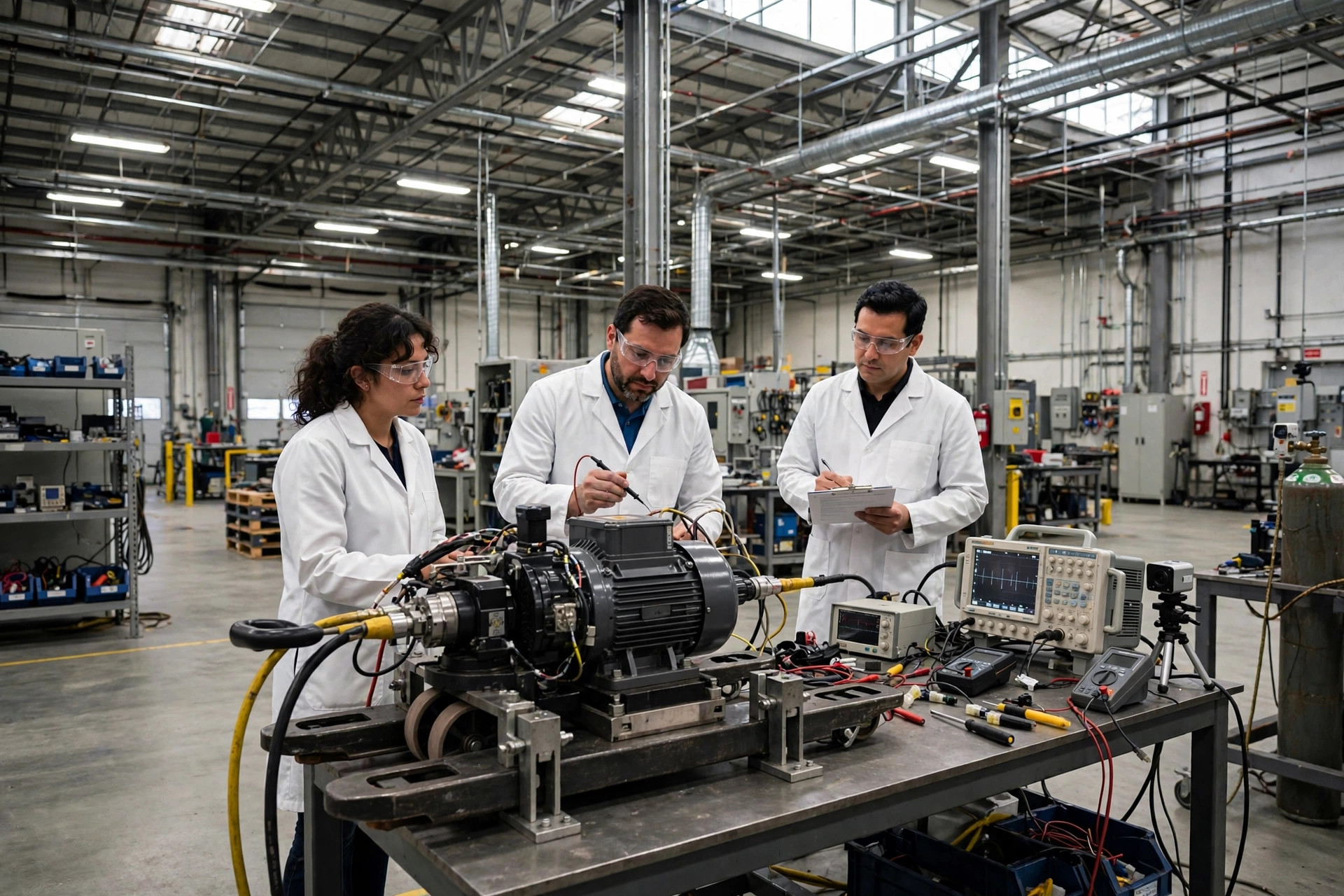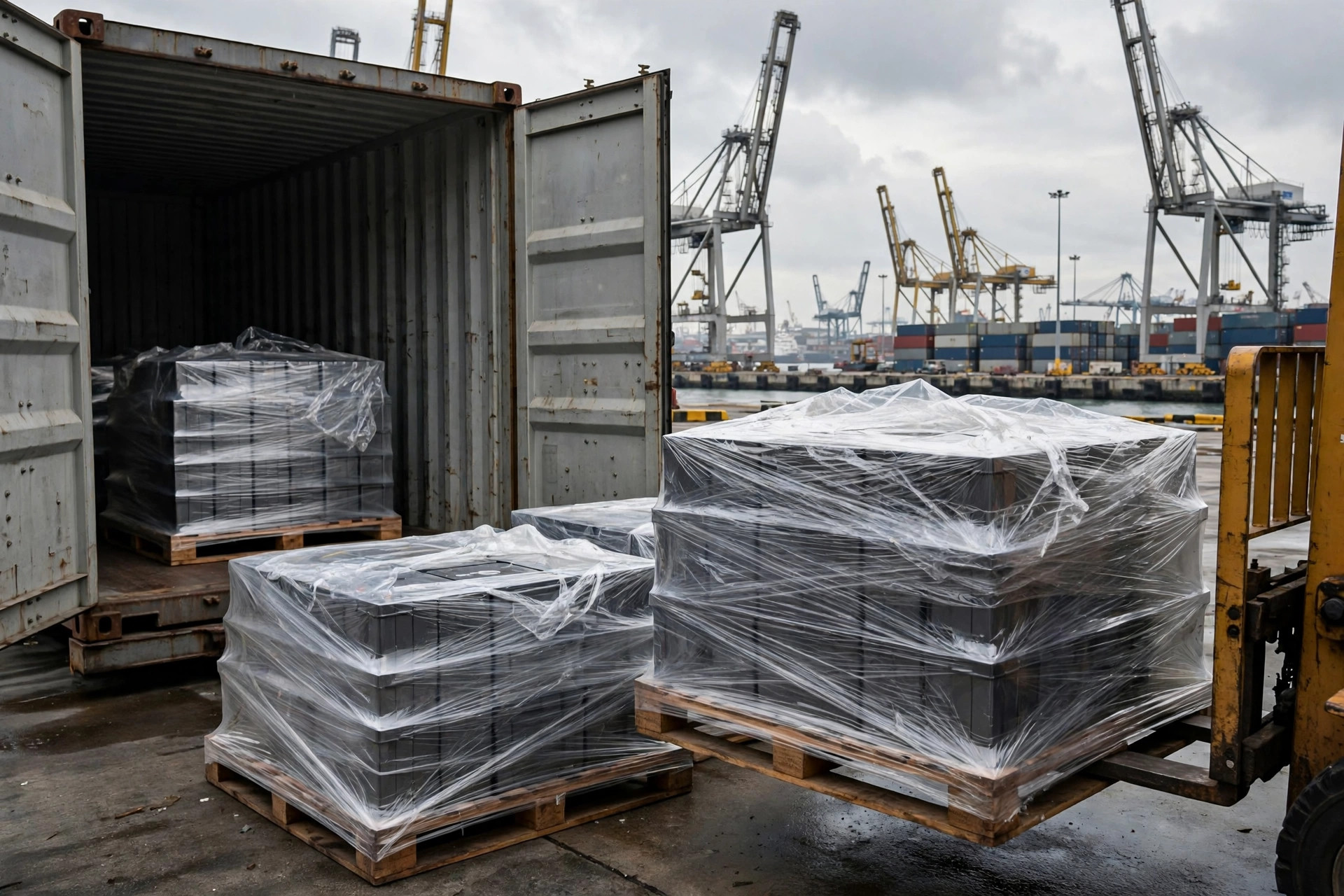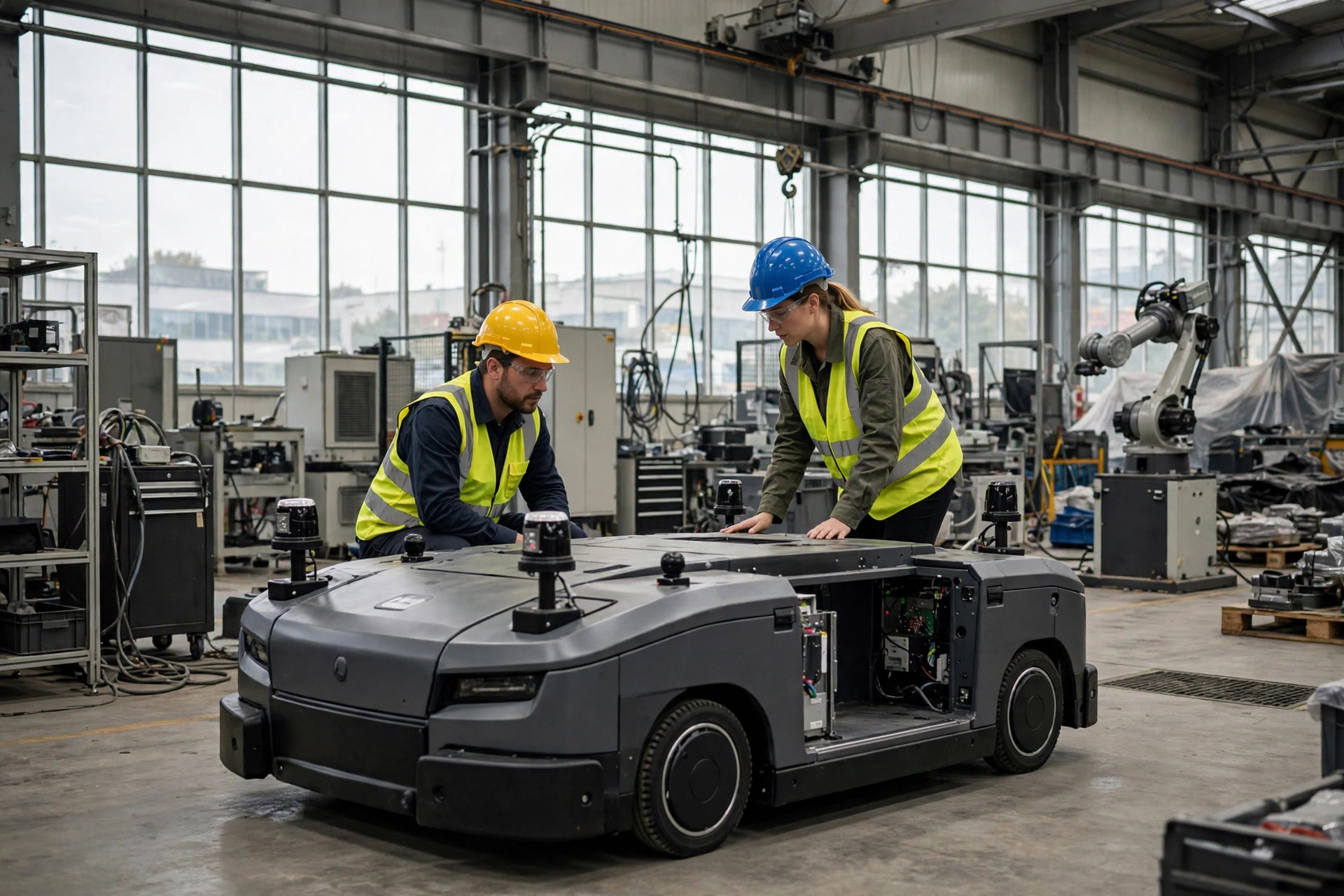
In the fall of 2023, the owner of a four-way shuttle maker in Suzhou called me, rattled. His machines had landed at the Port of Hamburg, and the customs broker was asking for the Declaration of Conformity and the technical file under the Machinery Directive. "But we paid an agency for CE certification — we have the certificate," he said. The broker's answer: the model number on that paper doesn't match this shipment, and there's no risk assessment, no technical file, nothing. The container sat at the port for nearly three weeks, racking up hundreds of euros a day in demurrage, until they hired a local consultant to pull the documentation together overnight. I keep coming back to that story because it exposes the most common misunderstanding I see: manufacturers treat CE as a certificate you buy, stick on the machine, and forget. It isn't. CE is a legal declaration by the manufacturer, backed by a full set of technical documents that regulators can demand at any time.
Know who you're dealing with: what the Machinery Directive actually covers
Behind the CE mark sits a stack of EU directives. For warehouse automation, the core one is the Machinery Directive, 2006/42/EC. If your AGV, four-way shuttle, conveyor, or lift counts as "machinery," it falls under this directive. One heads-up: the EU has published a new Machinery Regulation, (EU) 2023/1230, slated to fully replace the old directive starting 20 January 2027, and we're in the transition window now. Check the EU's official site for the latest timeline — and if you're planning a product roadmap, design with headroom for the new regulation so you don't get caught mid-stream when the rules change.
One directive is rarely enough. A single AGV typically triggers several at once: the Low Voltage Directive for its electrics, the EMC Directive for electromagnetic compatibility, and the Radio Equipment Directive (RED) if it communicates over WiFi. My take: start by writing down your "applicable directives list." Get that list wrong and everything downstream is wasted work.
There's one more concept you can't skip: risk assessment. EN ISO 12100 requires you to systematically identify hazards, evaluate risks, and apply protective measures — it's the soul of the technical file. Too many factories hand in a risk assessment copied from a template, and any experienced reviewer spots it instantly, because the hazard scenarios don't match the actual machine. Risk assessment has to be done machine by machine, for your own equipment. No shortcuts. For the electrical side, work against EN 60204-1; for driverless industrial trucks there's ISO 3691-4. Pick the right standards first, and the design has a target to aim at.
CE isn't a certificate: the declaration, the file, and the route you take
The compliance logic is straightforward: the manufacturer issues an EU Declaration of Conformity (DoC), stating the machine meets the relevant directives and harmonized standards, and signs it — taking on legal liability. The DoC travels with the goods and lists the directives, standards, and manufacturer details. The technical file stays in your archive for at least ten years, and market surveillance authorities can ask to see it any time. That's exactly what happened in Hamburg.
A proper technical file isn't one document — it's the design drawings, the risk assessment, the test reports, the manual in the right languages, and the DoC itself, all consistent with each other. Inconsistency is what gets shipments stopped: a DoC citing a standard your test report never mentions, or a manual describing a guard your drawings don't show.
There are two routes. Most warehouse equipment isn't on the Machinery Directive's Annex IV high-risk list, so you can self-declare: design and test to the harmonized standards, assemble the file, and affix the CE mark yourself. But "self-declaration" doesn't mean "say whatever you want" — the test data and risk assessment have to be real and able to survive scrutiny. Only Annex IV high-risk machinery mandatorily involves a Notified Body. One more wrinkle: if your wireless module doesn't use a harmonized standard, the RED directive requires Notified Body type examination, and there's no way around that cost.
Don't overlook the EU-based importer, either. Under the new Machinery Regulation, importers and distributors carry explicit compliance obligations — if something goes wrong, regulators don't only come after you, the manufacturer. European buyers have figured this out, and they'll demand a complete DoC and technical file checklist in the contract, sometimes even naming the Notified Body. Don't take it as nitpicking; it's their compliance necessity. The cleaner your paperwork, the smoother the deal.
My blunt advice: if this is your first time selling into Europe, don't figure it out alone. Pay a qualified body for a gap assessment that lists everything you're missing, in one shot. Expect low tens of thousands of dollars, though always get a formal quote from the certification body. Compared with a container stuck at port burning hundreds of euros a day in storage fees, that upfront spend is cheap — and you'll sleep better.
Where companies stumble: e-stops, guarding, and manuals
The e-stop trips up more companies than you'd expect. EN ISO 13850 is specific: red mushroom head on a yellow background, within reach of the operator, and triggering it must bring the machine to a reliable stop. The most common fix I've seen: the e-stop circuit cuts control power but not drive power — an instant fail. Then there's the safety control system's performance level — the PL rating under EN ISO 13849-1 has to line up with your risk assessment, or you're redesigning.
Guarding is the next hurdle. An AGV's safety laser scanner, a conveyor's fencing, a lift's fall-arrest device — "installed" isn't enough. Placement, safety distances, and response times all have to be calculated. A Nanjing AGV maker had a prototype running beautifully at home; at the German customer's site, the scanner's protective field failed the local test — stopping distance exceeded the limit. They reworked parameters on the spot and the project slipped two months. Rework after the design is frozen is the most expensive kind there is.
Then there's manual language — the "soft" item that blocks the most shipments. The directive requires instructions in the official language of the country of sale. A Chinese-and-English-only manual selling into Germany or France is non-compliant. Don't underestimate this one: translating a technical manual several hundred pages long is slow and expensive. Start early.
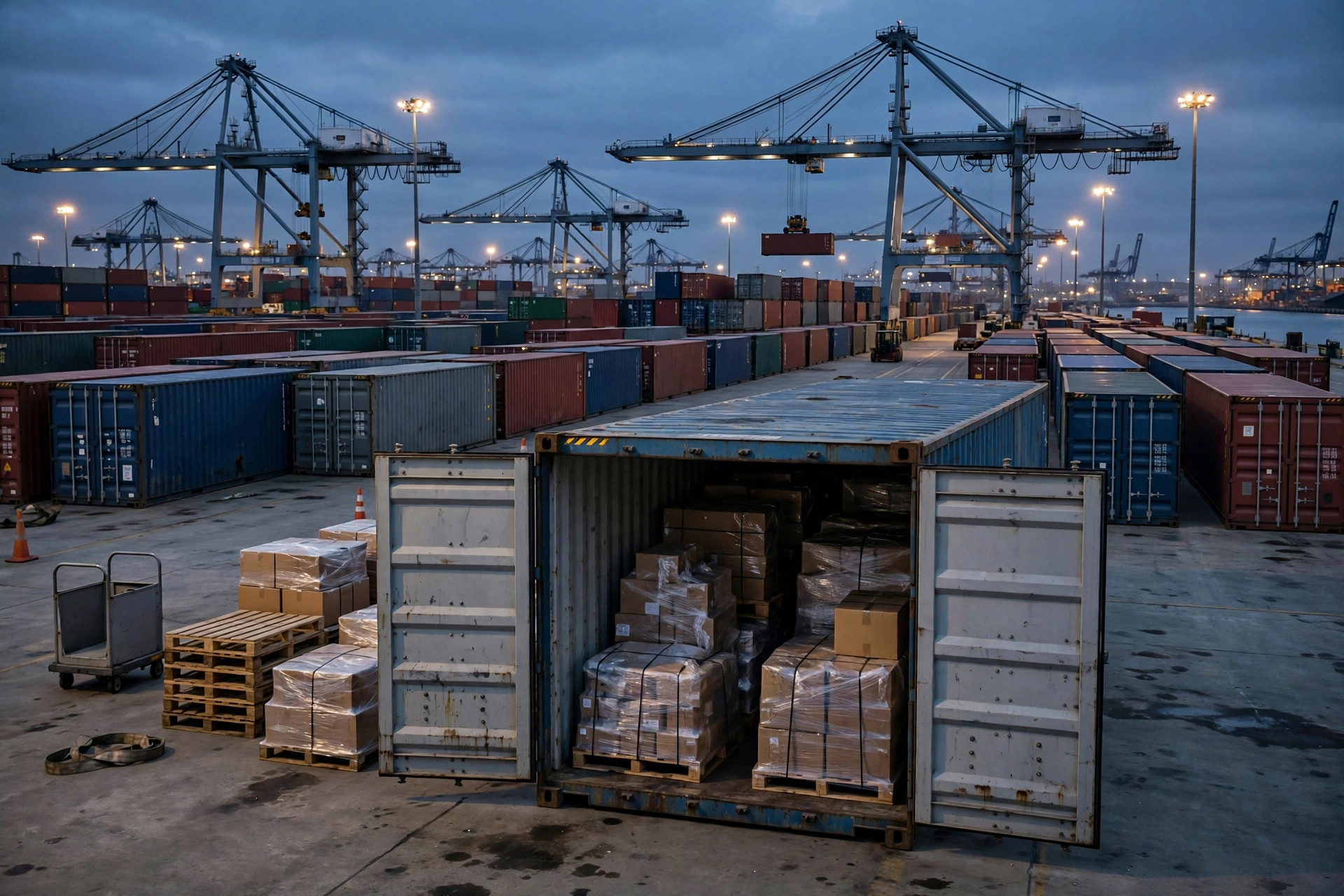
These three share a pattern: things that feel like non-issues at home become hard stops in Europe. Sort out the electrical, mechanical, and documentation tracks against the harmonized standards early, and remediation costs the least.
So if you're getting ready to sell into Europe, don't start by asking "how much for a CE certificate?" Do this first: find a certification body with warehouse-equipment experience, get an "applicable directives and harmonized standards list" for your product category, and have them run a gap assessment against your drawings and prototype. That list plus that assessment is the foundation for everything you spend afterward. Win the paperwork battle, and the CE mark finally means something — and your shipment actually clears the port.