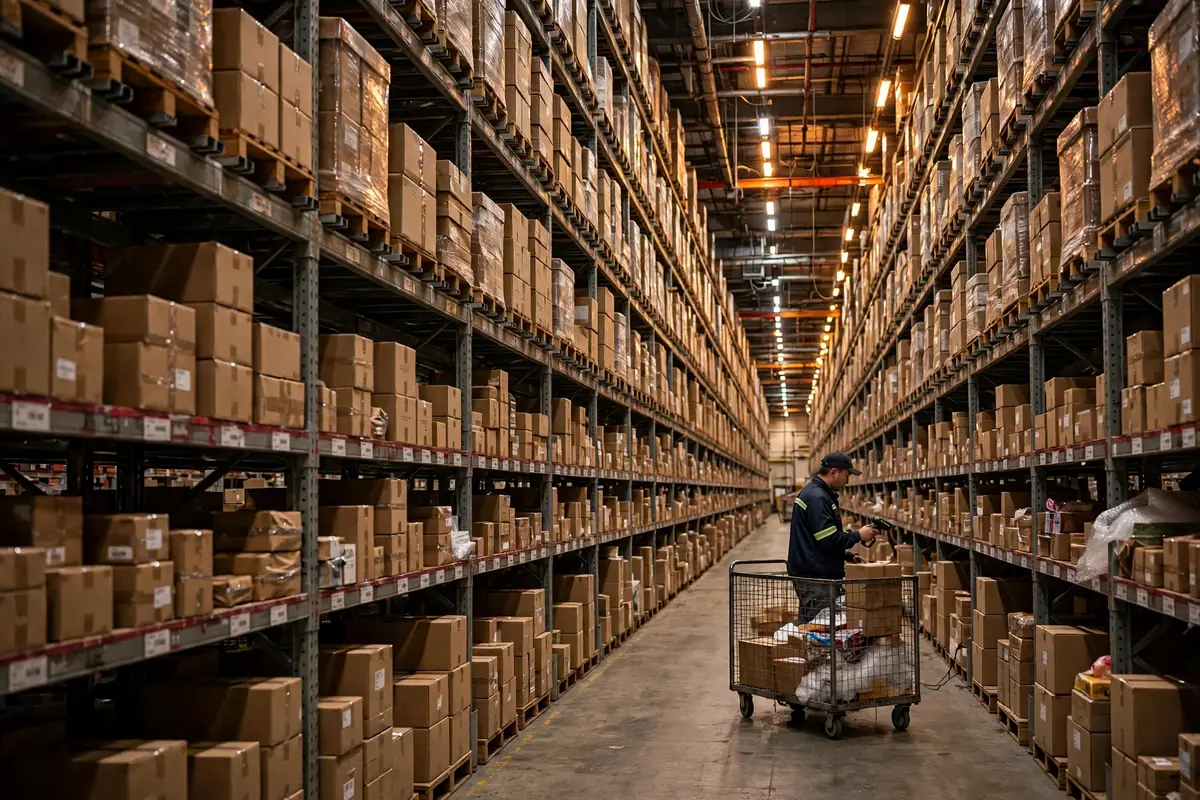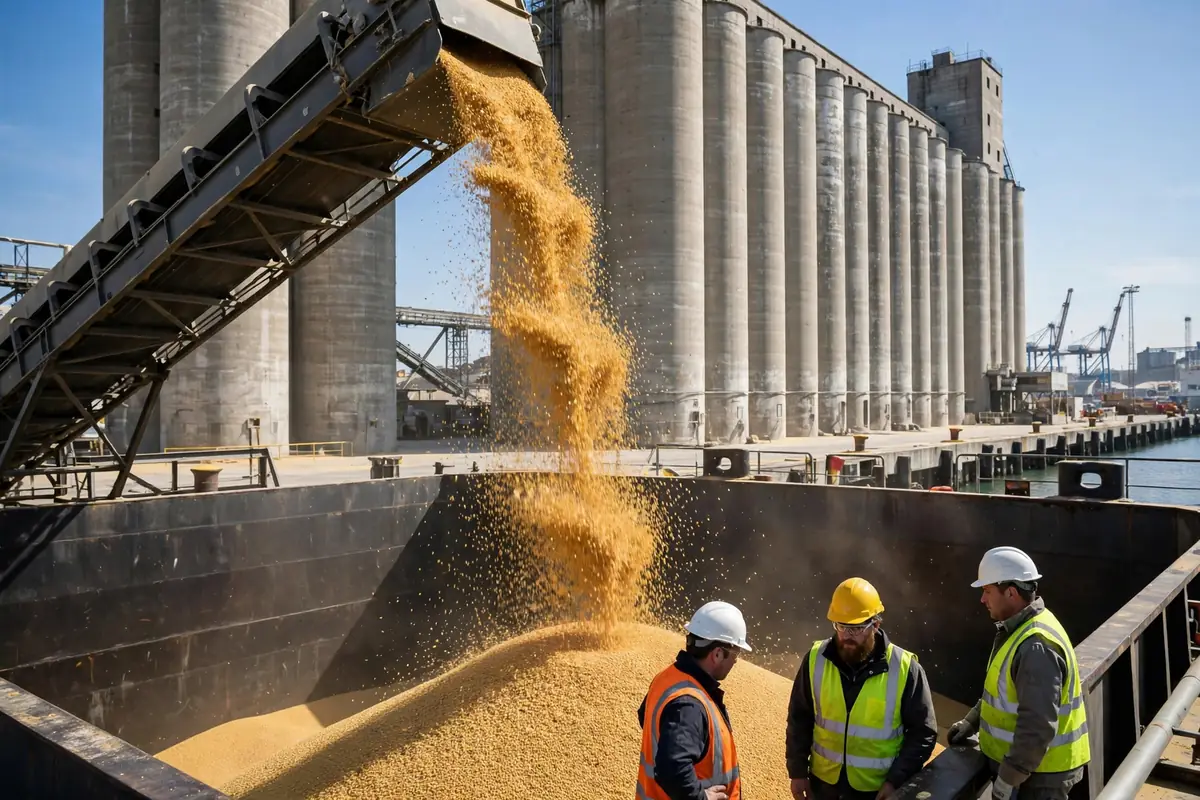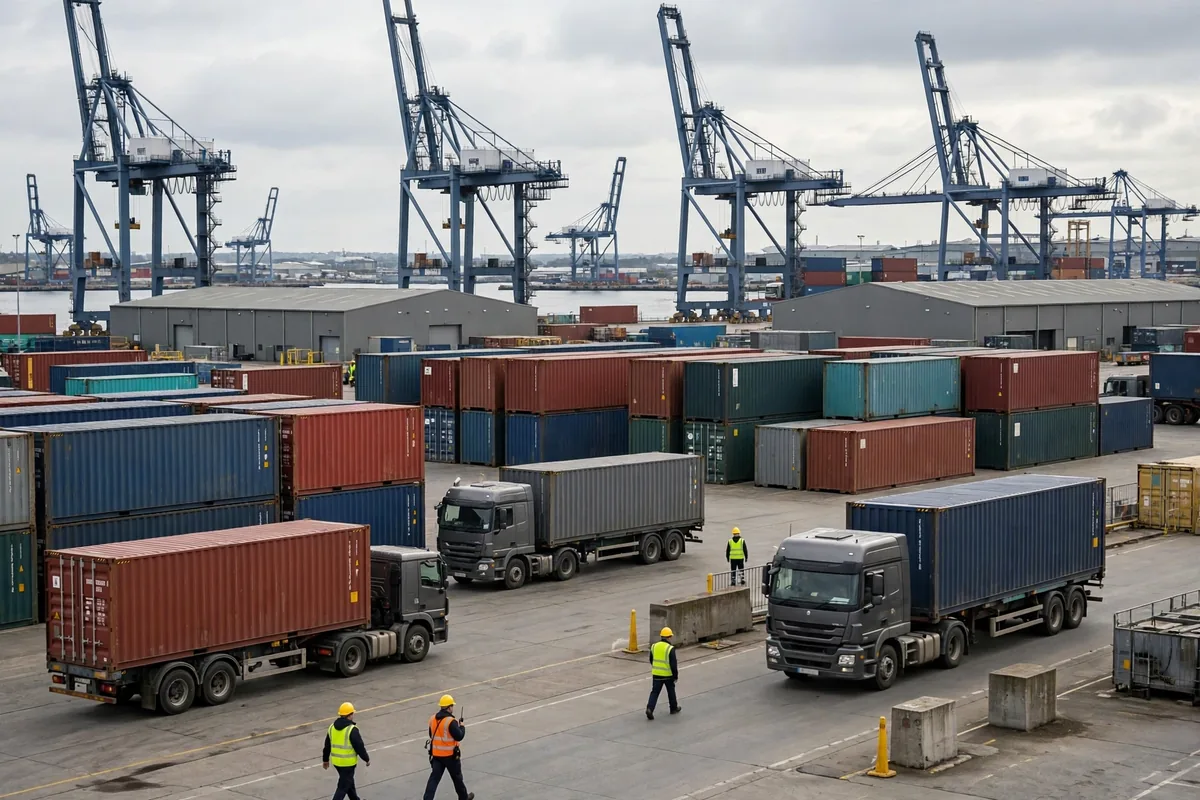
I have spent years in Casablanca port warehouse work, and the call I dread most still comes at 5:30 in the morning. That morning the sky was barely light when my phone rang. Two containers we had waited three days for were ready for pickup. Hassan, one of our regular drivers, had already waited two hours outside the port, and the driver group chat kept asking whether we would move today or not. Back in the warehouse I looked at the roster and knew the real question. A release paper does not mean the warehouse can receive the freight. We had only two unloading bays free that day, the forklift crew had just finished a twelve-hour shift, and a textile shipment from the night before was still uncounted.
Here is the honest truth. When I first worked this trade, I chased speed at the port. A container was released, I sent trucks, and I wanted everything back in the warehouse the same day. Then three containers landed on the same day and I pulled all three at once. The yard jammed, pallets blocked an aisle, and one container could not be checked yet, so it sat in a bay for two full days. After that I reversed the plan. We check the warehouse first: which bays are free, who is available to count, and when the inland trucks can actually run. Only then do we book the port pickup. That one change cut half the chaos out of our week.
Casablanca Port Warehouse Pickup: Count the Whole Job, Not Just the Release
Last September we handled auto parts for assembly plants and repair channels around Casablanca. Two large containers held brake discs, suspension parts, and a long list of small fasteners, packed heavy. The release papers arrived two days after the ship. Hassan waited outside the port, paid waiting time out of his own pocket for that run, and came back angry. He told me straight that a truck parked outside the port earns nothing, and that he would stop taking our jobs. I did not argue. I moved the next day's unloading plan, kept two morning bays for his load, and gave another short run to a different driver so Hassan kept his day's work. Keeping a good driver matters as much as keeping a schedule.
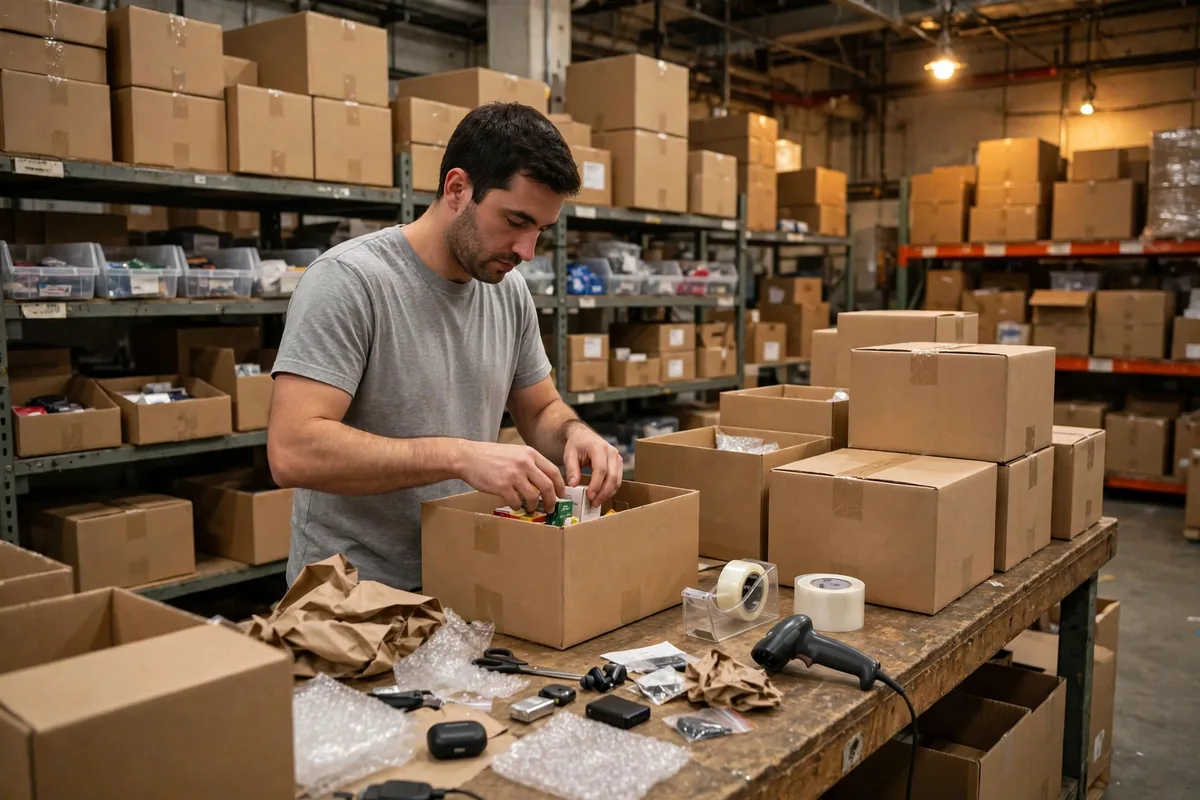
Inside the warehouse, the work was just as unforgiving. Brake discs are heavy and crush a weak pallet, so we had to stack low. The fasteners were the opposite problem: many sizes, easy to mix up, and slow to count. I put our veteran, Qiang, on that job with two newcomers. Qiang has a habit that the newcomers first thought was a waste of time. After every pallet is counted, he takes a photo and sticks a handwritten note on it with the size and quantity. The next day the count was short by three cartons, and that habit saved us. One pallet had been put in the textile area by mistake during unloading. We matched the note, found it in half an hour, and fixed the record. With auto parts, a slow count is cheap. A wrong part shipped to a plant can stop their line while they wait.
This March, textiles taught us the other side of the same lesson. Several small customers shared one container of garments and fabric, because sharing looked cheaper for everyone. At the port, that container was pulled for inspection. Some marks were unclear, and fabric and garments were mixed on the same pallet. The inspectors asked us to separate and recheck everything. That took two days. One customer had a hard delivery date and called me directly. I told him plainly that inspection cannot be skipped, and that the fix was for the next shipment: standard marks, standard packing, and no mixed pallets. The money saved by sharing the container disappeared into waiting time and rework.
Bonded Storage Is a Tool, Not a Parking Lot
Bonded storage can help, but only if you use it for a reason. It lets you hold freight, wait for paperwork, and release goods in batches as orders arrive. That flexibility is real. It also costs money every day the freight sits there, and it stretches your cash cycle. For auto parts, the benefit is rhythm: you can clear goods in batches that match customer orders instead of clearing everything at once. For textiles, the benefit is regrouping: several small shipments can be combined in the warehouse and sent out again to different customers on different dates.
The line I draw now is simple. Different freight needs a different rhythm. Auto parts are heavy, easy to damage if rushed, and costly if miscounted, so they move by whole pallet against a confirmed order, checked before they leave. Textiles are light, sensitive to damp and color transfer, and must be sorted before dispatch if they were mixed. We no longer run both kinds of freight through the same crew on the same day. It looks like an extra step. In practice, it removes the rework that used to eat our margins.
Here is a judgment that surprises people when they first hear it: sometimes a slower pickup is cheaper. A fast pickup that lands in a full warehouse creates storage cost, double handling, and a broken roster. If the warehouse cannot receive the load that day, it can be better to leave the container at the port for another day or two, get the bay, the counting crew, and the inland truck lined up, and then move. Port charges and detention rules change, so check the official sources for the current policy before you decide. Do not plan from last year's memory. The saving does not come from rushing. It comes from making the port, the warehouse, and the inland truck meet without a gap where freight just waits.
Casablanca Port Warehouse Consolidation: Auto Parts and Textiles Cannot Share One Method
This is the decision table we use now in the warehouse. These are directions, not quoted rates. Use them to judge a shipment before you accept it:
| Route | Best for | Cost direction | Biggest risk | How we use it now |
|---|---|---|---|---|
| Full container, direct | One customer with enough freight, mostly auto parts | Lower freight per unit, simple handling | Wasted space when the load is short | First choice when orders are steady and sizes are uniform |
| Shared container | Several small textile customers | Shared freight, lower cost per shipment | Inspection, mixed packing, delayed delivery | Only after marks and packing are standardized |
| Bonded storage, then distribution | Orders arriving in batches with different dates | Lower cash pressure, but storage cost builds up | Freight sits too long and the cycle stretches | Set a maximum holding period and review anything past it |
Before we accept a job, we ask four questions. What does this freight fear most? What happens if we get it wrong? How firm is the customer's date? Is there enough freight for a full container? The answers usually settle the route. Auto parts fear error, and a firm date means you do not gamble them in an unfamiliar shared container just to save a little freight. Textiles suit sharing, but only after marks, packing, and waterproofing are fixed before loading. Bonded storage is for freight whose orders arrive on different rhythms. It is not a default place to pile goods.
Our fixed routine now has five steps, and any reader can copy them. First, plan pickup backward from the warehouse: confirm the bay and the counting crew, then book the truck. Second, do not send a truck until the release papers, packing list, and a photo of the marks are all in hand. Third, stack heavy freight low, assign one person to count small parts, and keep the photo and handwritten note habit. Fourth, hold a short meeting before any shared load: how the freight will be packed, marked, and released, written down before anyone touches a pallet. Fifth, review bonded freight every week by holding time, and ask the customer early whether to distribute or keep waiting, rather than discovering the bill later.
One last reminder to other warehouse people. Port work looks like work with containers, but it is really work with people. A driver who waits too long will leave. An inspector cares about clear marks, not about who you know. A newcomer without a veteran beside him will put freight in the wrong place. Get the roster, the handover, and the recheck right, and pickup, bonded storage, and distribution start to run smoothly. Do not chase speed for its own sake. Freight that arrives, is counted correctly, and leaves on time is the job actually finished.
By Chen Feng, Warehouse Operations Manager