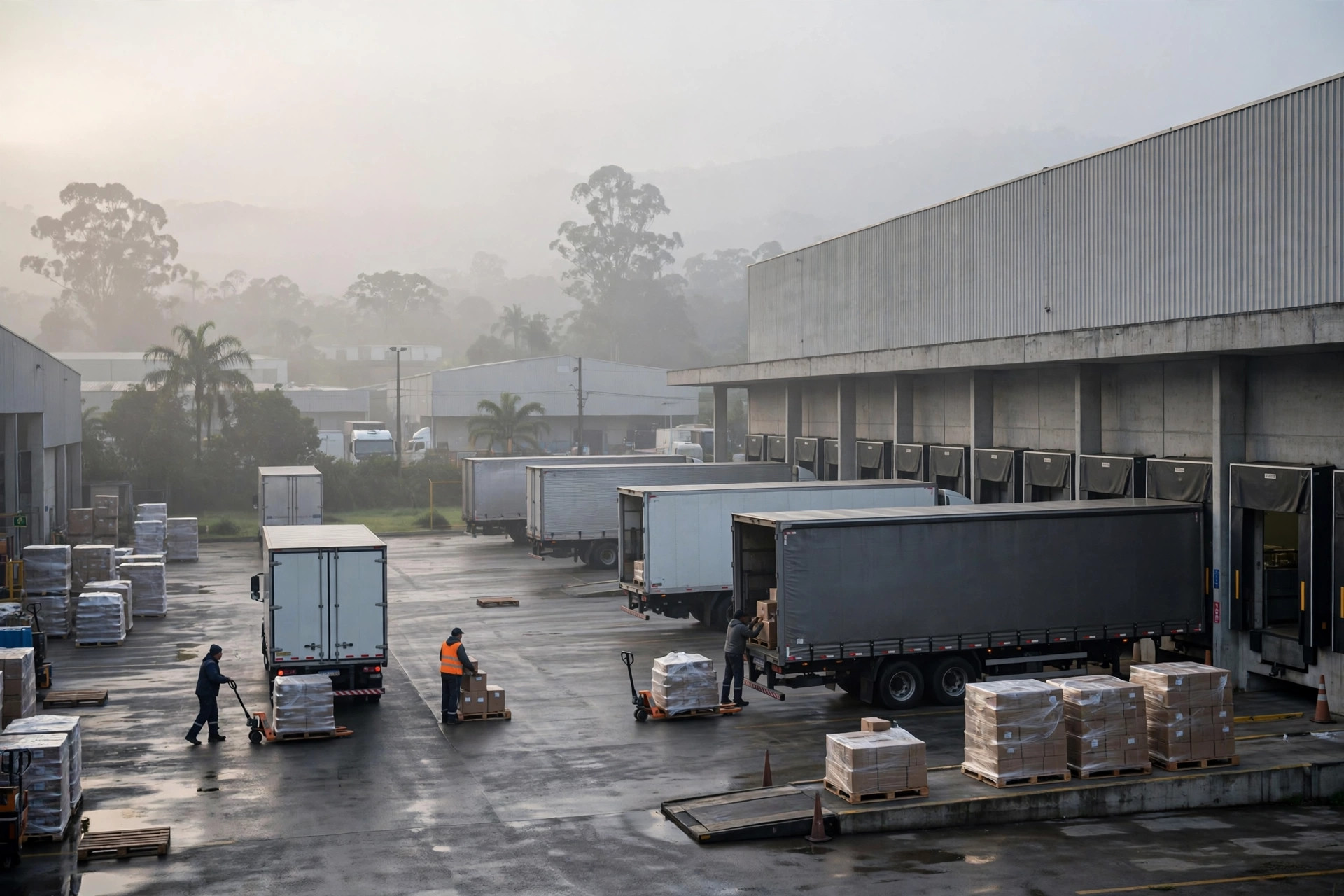
Folks, at 4:30 in the morning the valley is still dark, and our roller door is already up. Lao He from the night shift stands by the dock with half a cigarette and tells me the east road will probably be rough today. It rained all night, water is running down the hillsides, and a truck that leaves early will likely have to detour on the way back. To be honest, urban warehouse distribution in Caracas, Venezuela starts with weather, roads, and people, not with a map. Two points that look close on paper can turn into two very different trips once you are out there.
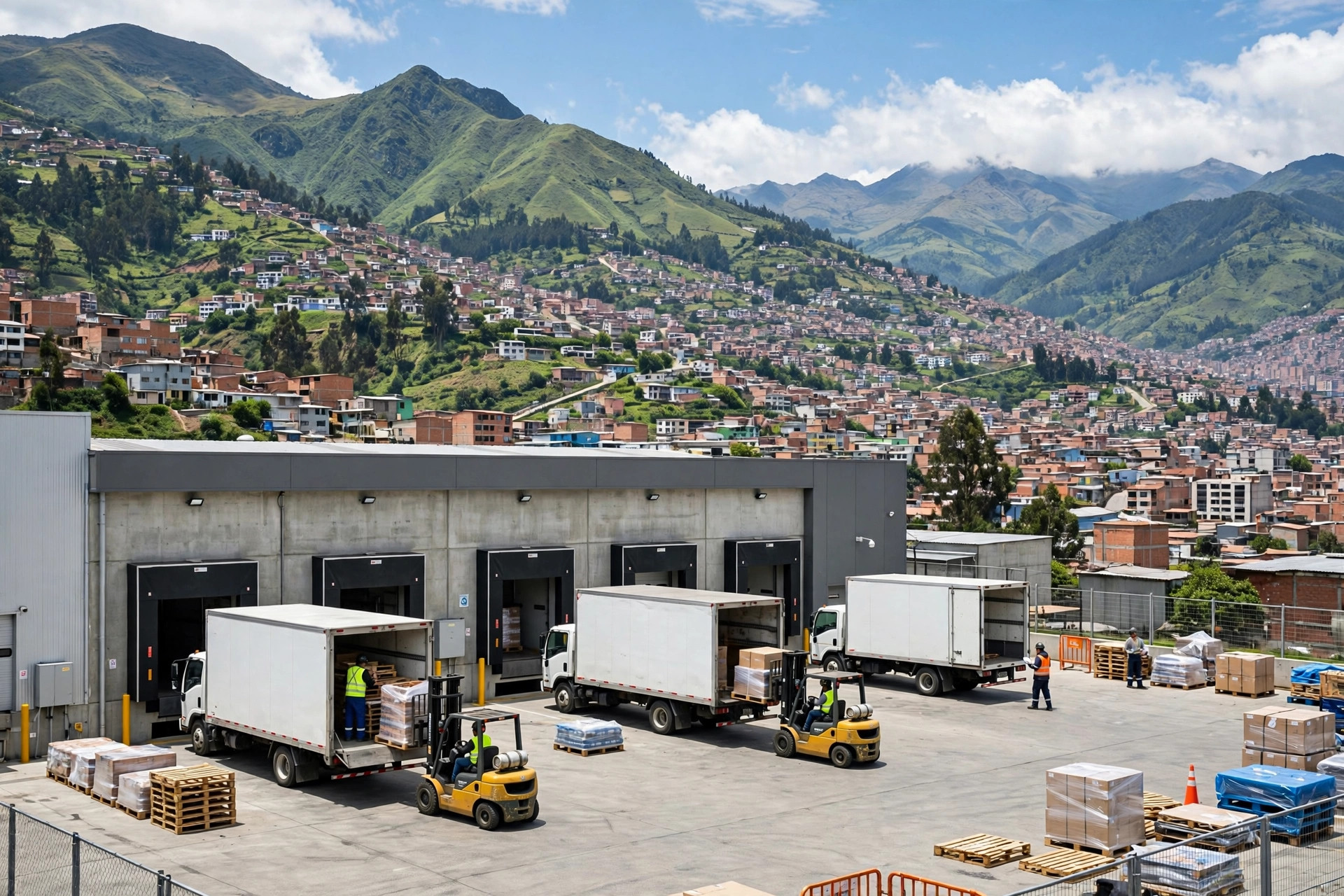
What scares me is not big order volume. It is a neat plan that falls apart the moment trucks leave. This city sits in a valley. The area is not huge, but slopes are steep and many streets are narrow. One direction can jam in the morning and still not clear in the afternoon. A road that works today can close tomorrow for roadworks or an event. So we live by three plain rules: never bet on one road, never pile all stock on one node, and never promise an exact minute. Get those right first, and the rest starts to make sense.
Caracas Distribution Starts With the Valley, Not the Map
We made the rookie mistake at the start. We routed by straight-line distance. One truck east, one truck west. It looked efficient on the screen. In the first week it blew up. A truck went east to deliver to a supermarket in the morning, then got stuck on a hillside road on the way back for almost two hours. Fuel burned, the next customer called our warehouse, and the whole afternoon schedule slipped. Lao He said it plainly: the map is flat, the city is not.
So we split the city by the valley shape into three zones: east, west, and the valley floor. Each zone got a small cross-dock point. It does not have to be fancy. Sometimes it is just a yard where a truck can park, unload, and stack goods briefly. Big trucks run to the zone points in the morning. Small vans then fan out to customers. Big trucks stay out of the narrowest lanes. Small vans can turn around. If one zone jams, the other two can still deliver.
Shift planning changed with it. We used to write every driver hour in stone. Now we fix only two hard times: when the first wave must leave the zone point, and when the last wave must be back. Drivers choose the order in between based on the road and report each change in the group chat. Drivers are not disobedient; the warehouse just cannot see the road.
One detail trips up every newcomer. Some streets behave like two different places by day and by night. A truck welcome in daylight may not be welcome at night, and a customer with staff by day may leave only a security guard at night, with nobody to sign for the load. We now keep one line of notes per customer: latest arrival time, who to ask for, and a backup contact. That line looks small. It has saved us more than half an hour of arguing more than once.
Caracas Hub Nodes: How to Place Them Without Creating a Jam
We tried two ways of placing nodes, and both taught us a lesson. The first way was to keep one big point next to our warehouse and send everything from there. At peak time, trucks queued at the gate, loading and unloading mixed together, and the dock turned into a mess. The second way was to open points everywhere. Stock got split too thin, counts stopped matching, and finding one missing carton took half a day.
What we do now is one main point per zone, plus one or two standby points. The main point handles regular orders. A standby point opens only in peak season, during a promotion, or when a main road fails. It holds no regular stock, just empty pallets and one spare van. When we open it, we move goods from the main point. That way management stays thin enough to control, and one blocked road does not kill the whole zone.
Here is the comparison we actually use when a new hire asks why we do it this way:
| Layout | Upside | Cost |
|---|---|---|
| One big point only | Simple to manage, easy to count | One jam at the gate blocks everything |
| Points everywhere | Close to customers | Stock splits too thin, counts go wrong |
| One main point plus standby points | One zone failing does not drag down the rest | You must keep a standby point and a spare van ready |
For urban warehouse distribution in Caracas, Venezuela, choosing a point comes down to three rough tests. Can a truck get in and out without reversing three times to turn? Is it close to the customer cluster, so the last leg stays within a sensible van trip? Is someone watching it, so goods left overnight are safe? We learned that last one the hard way. A site looked perfect but had nobody on duty at night, and we lost two cartons there. Since then, “someone is watching” has been a hard rule. No matter how cheap a yard is, we do not use it if nobody minds it.
Stock split follows a simple rule. Fast-moving goods get a small buffer at each main point. Slow or high-value goods stay at the main warehouse and move out only against an order. We used to push everything out for fear of making a customer wait. Then some goods sat at a zone point for two weeks, found only during a count. Now we count zone points every Friday afternoon, and slow goods go back on Monday morning. A small point must not turn into a second dead stockroom.
Caracas Lead Times and Backup Plans: What We Do Now
On lead times for urban warehouse distribution in Caracas, Venezuela, let me be blunt: promising an exact minute in this city is the fastest way to lose trust. We now promise a time window, not a fixed point. A morning order means “delivered in the morning.” An afternoon order means “by three in the afternoon,” with a buffer built in. Customers grumbled at first that we sounded vague. After a few on-time windows, they preferred that to a daily phone call explaining a traffic jam.
Our backup plan hangs on the dispatch wall, and every newcomer reads it first. Level one: a road is blocked, the driver detours first, and if that fails, the goods go to the nearest zone point while another van takes over from there. Level two: a zone point fails, the goods go back to the main warehouse and get split again, instead of forcing them into a broken node. Level three: a whole zone cannot move, we call the customer first, explain plainly, and reschedule. A late delivery beats a driver burning hours on the road and then delivering to the wrong place.
This plan came out of an argument with drivers. I once asked drivers to report their position every thirty minutes. They hated it, and the reports were not even accurate. We changed it to three reports only: left the zone point, near the customer, and signed off. No chasing in between. If a report does not come at the expected point, the warehouse calls. Drivers relaxed, and the messages got more accurate. Sometimes it is about holding the key points and trusting the people on the road.
In peak weeks, we sit down with big customers a week ahead and sort orders into three piles: must arrive, can wait a day, and can ride together. That way we do not send every truck out on day one and have nothing left on day two. When old hands train newcomers, the newcomer rides along for three days first, before touching the system. Once you have ridden the valley roads and watched a customer receive goods, you understand why a spreadsheet time cannot be treated as a promise.
Folks, one reminder for anyone starting urban warehouse distribution in Caracas, Venezuela: do not buy trucks first, and do not rent a big warehouse first. Walk the roads, stand at the zone points, and learn how each customer receives goods. Local rules, fees, and road controls change fast, so check the latest local situation before you lock in any figure or requirement. When you know the roads, deliveries hold steady. When you know the people, someone will help you cover a bad day.
By Chen Feng, Warehouse Operations Manager