Let me give you the conclusion first: the Manaus free trade zone deserves a serious look, but it does not deserve a snap decision. Put bluntly, this deal has two sides. One side is the tax treatment inside the zone. The other side is the cost and lead time of moving goods out of the deep Amazon interior. People who only look at one side end up regretting the move. People who price both sides can decide whether the place actually fits their goods.
I have seen too many companies get pulled in by the word "tax-free." A few years ago, a friend making consumer electronics accessories heard about the zone's tax advantages and wanted to move assembly and warehousing there right away. The goods went in, the tax bill looked better, and then came the hard part: shipping to consumer markets like Sao Paulo and Rio. Inland distances are long, service options are thinner than around the southeastern hubs, and the rainy season can complicate schedules. Lead times stretched, delivery promises to customers had to stretch with them, and when he finally tallied the full picture, a good share of the tax savings had been eaten by inland freight and inventory carrying costs. He was not wrong to consider the zone. He was wrong to price only the tax side before moving in.
What the Manaus free trade zone actually saves you
The core attraction of the Manaus free trade zone is the tax treatment of production, assembly, and warehousing inside the zone. I will not quote specific tax rates here, because Brazil's tax system is complex and the rules change; anything I wrote down could be outdated by the time you read it. Always confirm the current position against official Brazilian policy before acting. The direction, though, is clear: for goods that undergo genuine local processing or assembly and are then sold into the Brazilian market, locating inside the zone can materially change the cost structure.
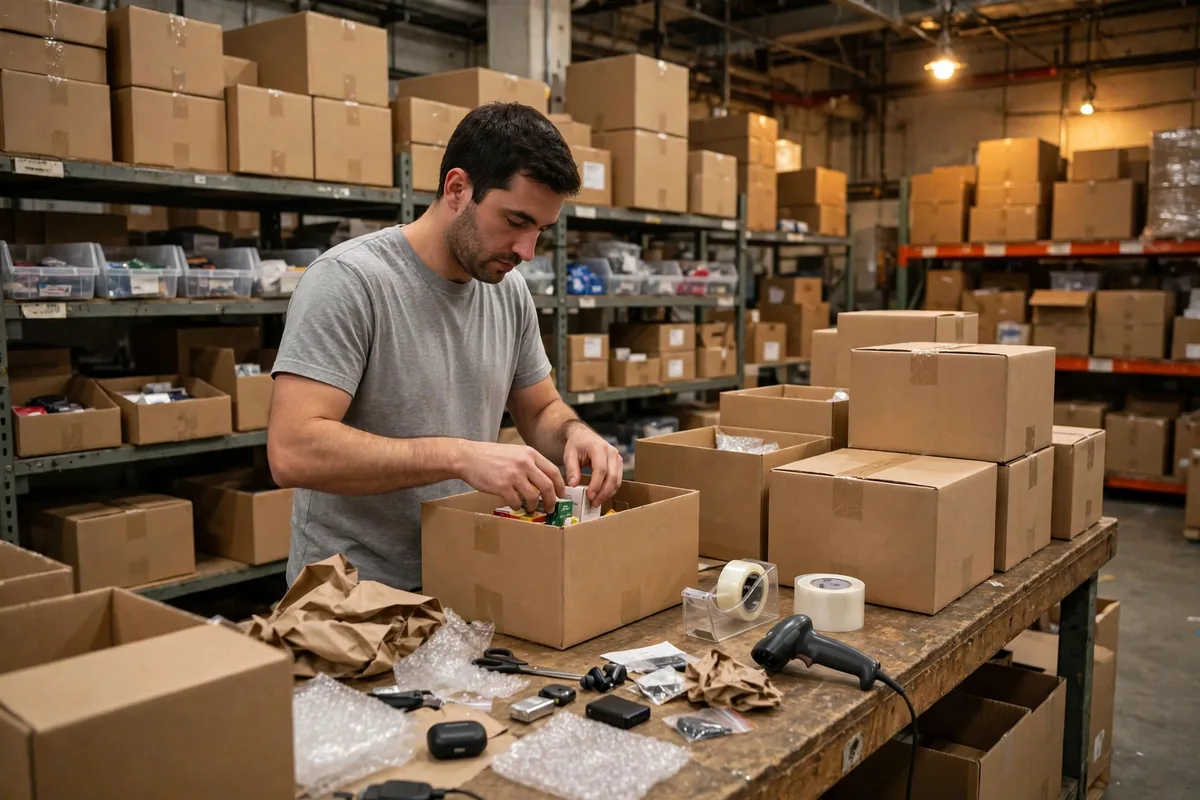
The key phrase is genuine local processing. If your goods merely pass through, get a label slapped on, and leave, the zone's advantages may never actually land on you. If you run real assembly, testing, and packaging inside the zone, the logic holds. I have seen a small-appliance maker run an assembly and testing line inside the zone, components in and finished units out, the whole chain closed within the zone, and that operation captured the policy benefit in the most concrete way. Pure trading transit, by contrast, gained nothing but an extra procedural step.
So the first question is not "how much tax do we save." It is "do our goods genuinely need to be worked on inside the zone." The answer to that question decides whether the rest of the math is even worth doing.
The inland price: distance, lead time, and inventory
Manaus sits deep in the Amazon rainforest. One look at the map tells you that, but many operators only truly feel it when the first shipment leaves. The inland price comes in three parts.
The first is transport itself. The distance is what it is, trunk options are comparatively limited, and service frequency cannot match the mature networks around Sao Paulo. Goods leaving Manaus travel an inland leg first, then join the main corridors toward the southeastern consumer markets. More legs mean more handover points, and every handover is a place where delay can creep in.
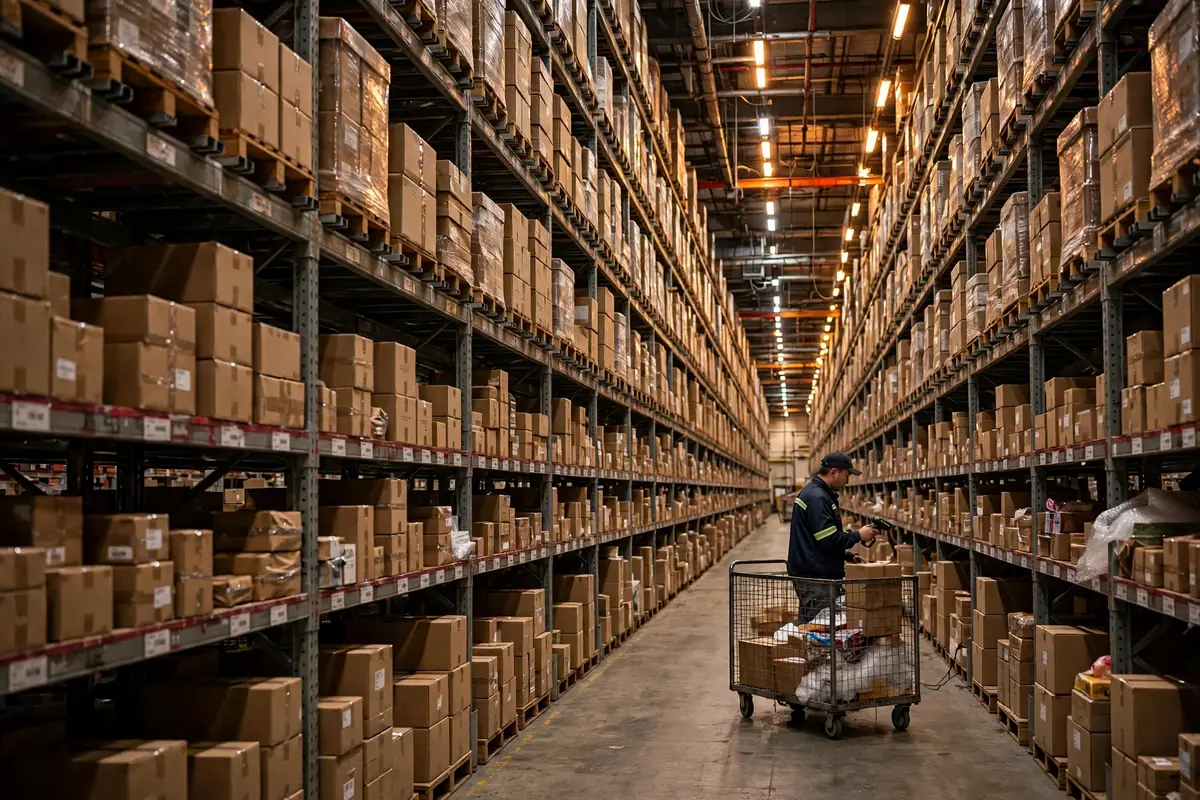
The second is the delivery promise. Customers in the consumer markets will not give you extra slack just because your goods come from a free trade zone. A lead time is a lead time. When it stretches, you either loosen your service promise or you hold more inventory to cover for it. Many companies end up choosing the latter: a forward warehouse near the consumer market, fed in bulk from Manaus, doing the fast final response. That works, but it means running two warehouses, and the cost ledger has to be redone.
The third is inventory capital. Long inland transit means more inventory in transit. Goods on the road are money that cannot be sold yet, and slower capital turnover hurts. For fast-moving, low-margin goods, that extra dwell can wipe out the margin entirely. For higher-value, slower-moving goods, a few extra days in transit barely register on the books.
Here is a screening framework. Run your own goods through it:
| Dimension | Goods that fit the zone | Goods that do not |
|---|---|---|
| Activity inside the zone | Real assembly, testing, packaging | Pure transit, label only |
| Market served | The whole Brazilian market, with zone capacity as one leg of the layout | Only the Sao Paulo area, extremely time-sensitive |
| Value and turns | Higher value, controllable turns | Low margin, high turns, making money on speed |
| Lead time tolerance | Customers accept longer lead times, or a forward warehouse covers it | Rigid delivery promises with no buffer |
That table is not a verdict, it is a sieve. If your goods land clearly on the right-hand side in two or more rows, think three times before moving in.
Get Manaus free trade zone compliance done before the goods arrive
I will not try to summarize the detailed rules here, because entry requirements and tax treatment must be confirmed against current official Brazilian policy, and any secondhand summary risks being stale. But a few practical lessons hold regardless of the fine print.
First, confirm zone eligibility and goods classification in advance. Do not discover a documentation mismatch at the gate. Brazil's tax and documentation requirements are famously detailed, and a single mismatched document can leave your goods waiting while storage and demurrage charges keep running.
Second, the processing inside the zone has to be real enough to withstand scrutiny. Assembly lines, testing records, staffing, these are not decorations. They are the basis for the benefit. I have seen more than one company that staged processing for show end up giving the benefit back with interest.
Third, plan the exit before you enter. Goods moving out of the zone into the Brazilian market, or onward to other countries, face different procedures and tax treatments. Build "if this market does not work out, how do the goods come back out" into the plan from day one, not the day you need to leave.
And here is the counterintuitive judgment to close on: the cheapest way to use the Manaus free trade zone is often not to put everything in it, but to put only the part that genuinely deserves to be processed there. Stuffing everything inside looks like maximum tax savings, but it also maximizes inland and inventory costs. Keep the core processing in the zone, pair it with a forward warehouse near the consumer market, and total cost can actually come out lower. Cheap is not about more. Cheap is about putting the savings in the right place. Before you move in, ask yourself one question: do my goods really need Manaus, or do they just need a good-looking tax bill?
By Lao Mi, Supply Chain Veteran (20 yrs)