We have a client who exports chicken out of Brazil. The product leaves a plant in Parana state, gets loaded into a reefer container, travels to the port, and sails on to the Middle East. Last year he came to me to talk about a warehousing contract, and his first sentence was: nobody thinks about the cold chain until it breaks, and when it breaks, one bad shipment can wipe out half a year's profit. I did not answer right away. After years on the service-provider side of the table, I have heard that line too many times. With cold chain, the question is never whether something will go wrong. It is when.
Brazil is the world's largest chicken exporter. In 2025 it shipped roughly 5 million tonnes to more than 150 countries and regions, and the halal market in the Middle East alone takes more than 2 million tonnes a year. With volumes that big, a break anywhere in the chain gets expensive fast. Most shippers price cold chain as freight plus storage. They leave out the cost of a break, which means the math is wrong from the start. Brazil chicken export cold chain warehouse work is exactly that kind of business: quiet until the day it is not.
The Middle East lane also adds a layer other frozen lanes do not have: halal certification. One more document, one more stamp, and stricter inspection at destination. Miss a stamp on the certification paperwork and the cargo cannot clear the port warehouse; the reefer sits plugged in at the terminal while the paperwork is fixed, charges running by the day. There is another angle people miss: halal contracts tend to be long-term, with price and volume locked in. One broken shipment costs more than that load. It costs the buyer's trust, and next quarter's order may simply not come. On this lane, the cold chain is not only about temperature. Documentation, certification, and vessel schedules all have to hold at the same time.
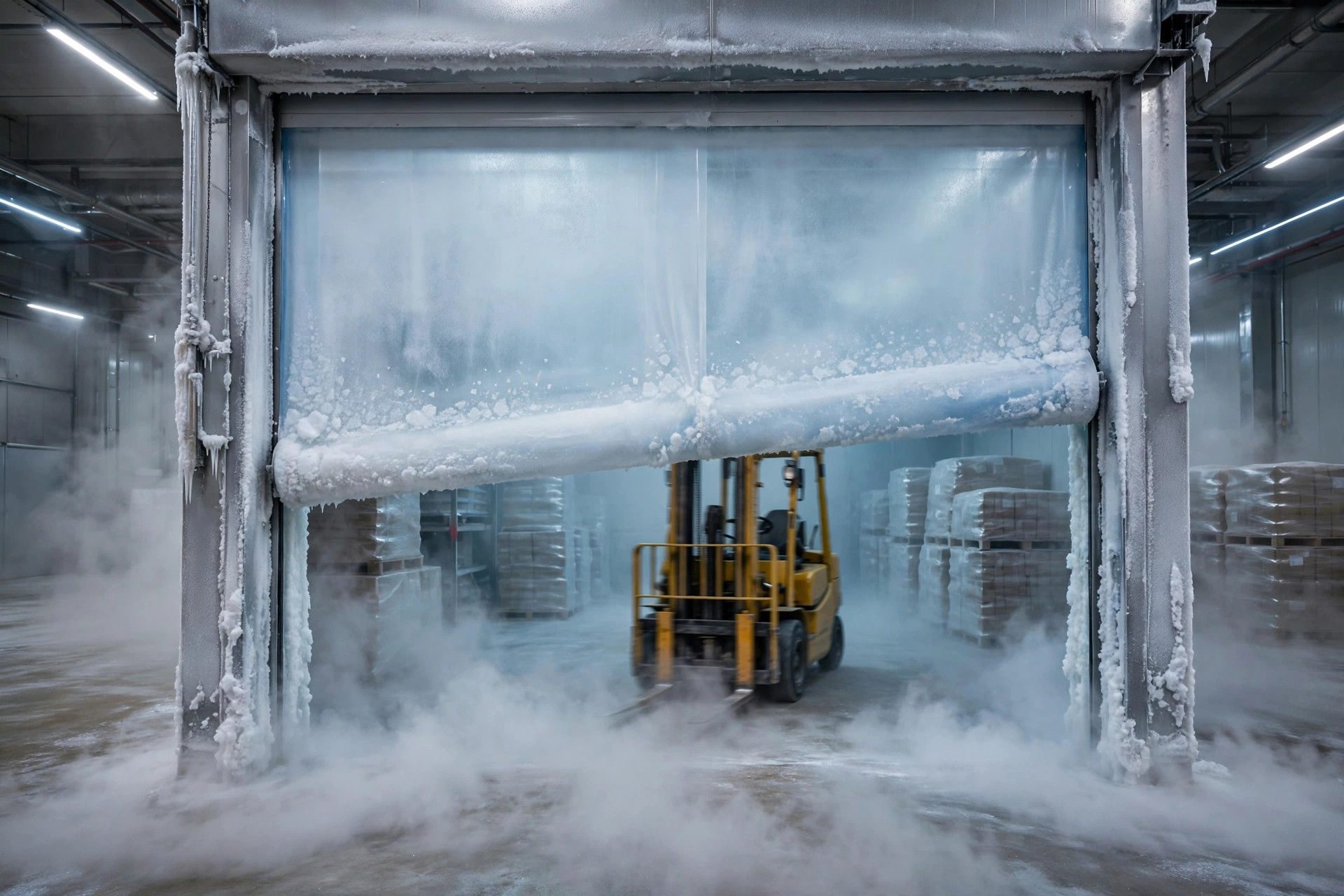
In May 2025, a farm in Montenegro, in the state of Rio Grande do Sul, reported Brazil's first case of highly pathogenic avian influenza. Several countries suspended imports for a time, and China paused purchases. Our client happened to have cargo on the water right then. The chicken itself was fine, but inspections at the destination port suddenly got stricter, paperwork needed supplements, and testing queues stretched out. His containers sat at the port for days, reefers plugged in, charges running. He told me on the phone that he could not sleep, not because the cargo was spoiled, but because nobody could tell him how much longer it would take. That is the lesson: sometimes the cold chain does not break inside your warehouse. It breaks the moment a policy changes.
Brazil chicken export cold chain: who owns the temperature inside the reefer?
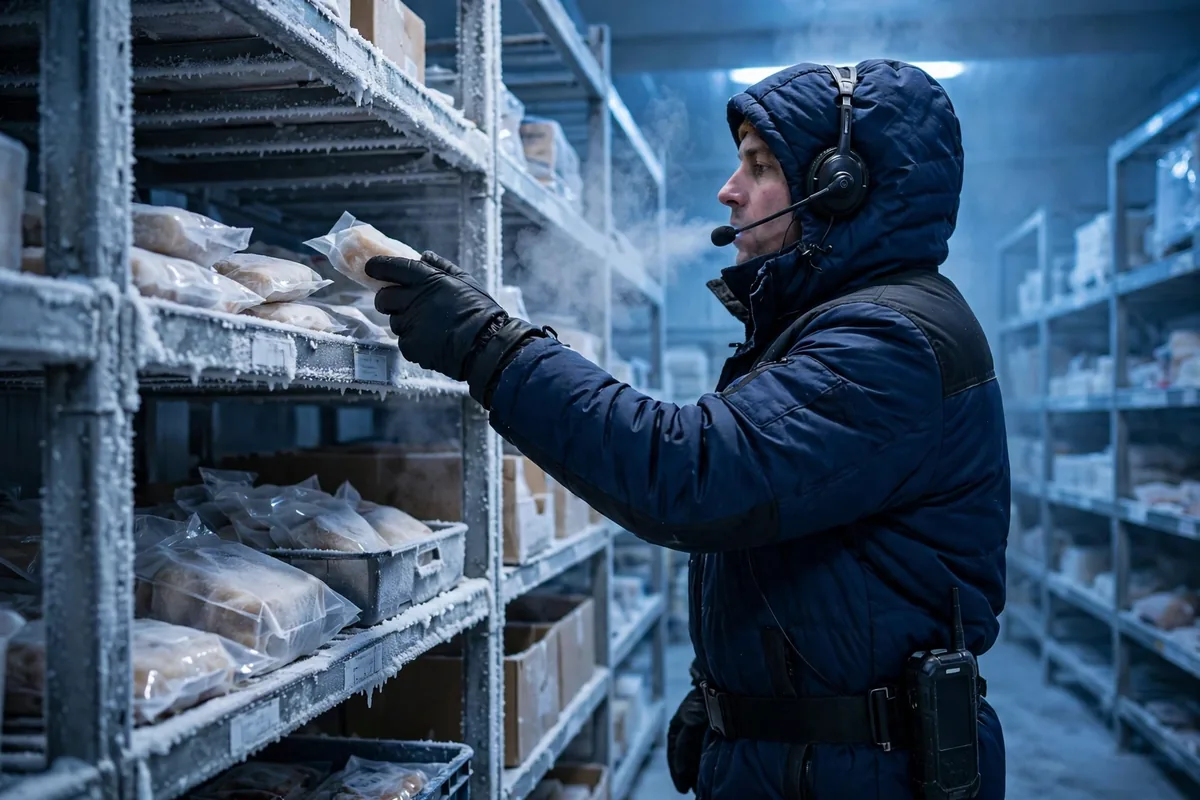
A lot of people think cold chain means stuffing frozen product into a container held below minus 18 degrees Celsius and letting the shipping line handle the rest. That is wrong. Product has to be pre-cooled properly before it is loaded. If the core temperature is not down before stuffing, no reefer unit can catch up afterward. The handover points are worse. The plant says the product left the factory in spec. The warehouse says the temperature was fine at loading. The carrier says the reefer stayed plugged in the whole voyage. Then the box opens at destination, the temperature is off, and all three parties point at each other while the shipper pays.
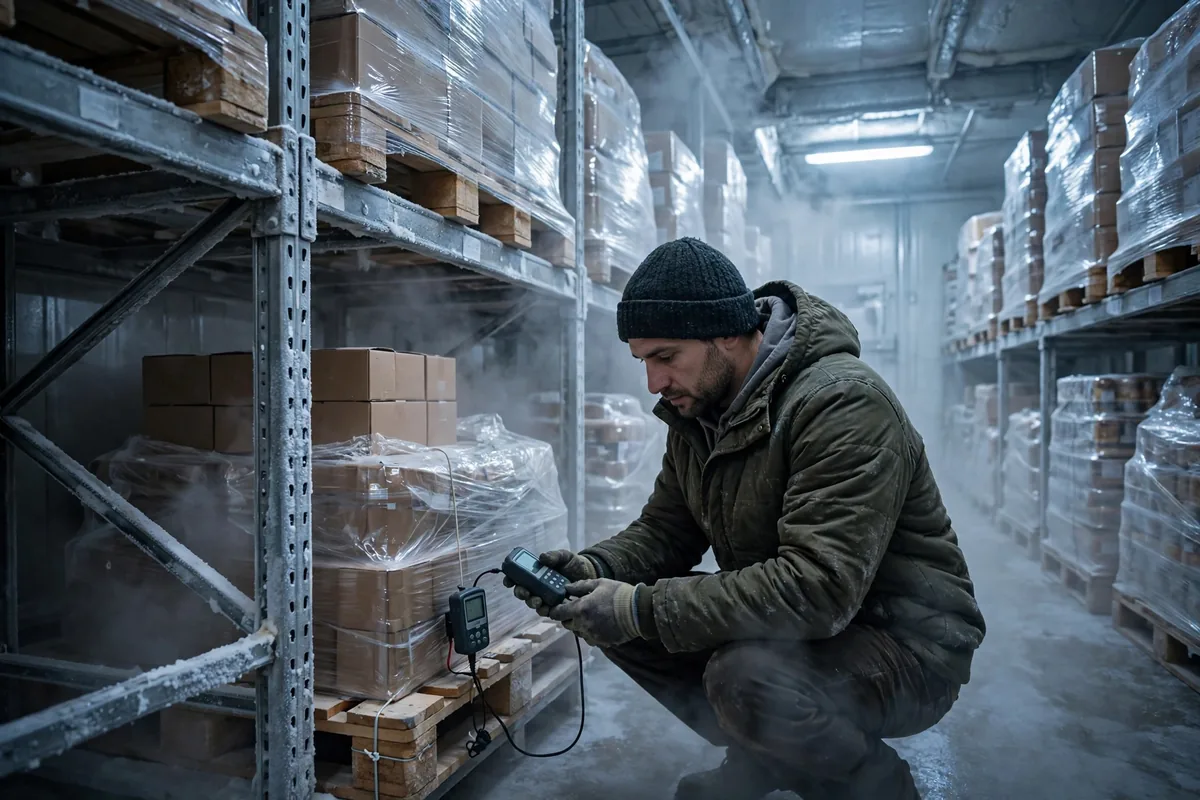
My advice to clients has always been practical: temperature loggers are not decoration, they are evidence in a contract. Measure once before loading and once before sealing, and write both numbers on the handover sheet. Whoever signs owns that number. One more thing people miss: while a reefer waits at the terminal for its vessel, somebody has to watch the power supply. Terminal maintenance cuts power, plug points run short, and a few hours without power can ruin the quality of a whole container. Put simply, cold chain is not won by equipment. It is won by somebody caring at every handover point.
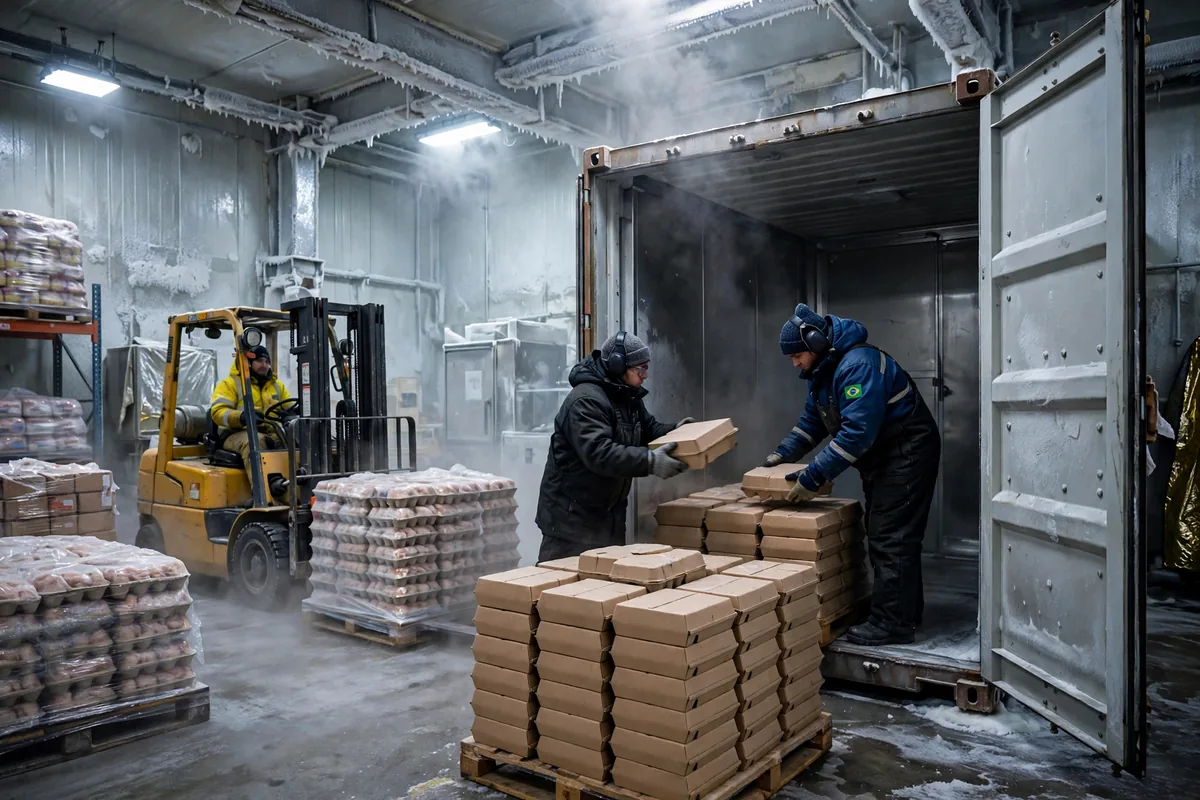
Stuffing is the step most people underestimate. A reefer should be pre-cooled to its set temperature before loading, which is basic practice, but when a vessel is about to sail, containers often get loaded the moment they arrive, still at ambient temperature, and the product starts absorbing heat immediately. Loading speed matters too: with the doors open, cold air escapes and warm air flows in, and the slower the loading, the more the product temperature recovers. The plain advice we give clients is simple: check the container temperature before loading and do not load until it is right, and time the loading so that an overrun triggers a temperature re-check. It sounds fussy, but it is nothing next to a rejection at the destination port.
When the chain breaks, who pays?
This is the question I get asked most, and it is the clause most often left vague in contracts. Here is a counterintuitive point: in a cold-chain failure, the write-down on the cargo itself is often not the biggest loss. The bigger money is in the knock-on costs: inspection at destination, re-testing, demurrage, re-documentation, and penalties from the buyer. Stacked together, they often exceed the value of the goods. So when you negotiate, do not fixate on the storage rate. Get the chain of responsibility written down.
| Stage | Where it usually breaks | What the contract should say |
|---|---|---|
| Pre-cooling at origin | Product loaded before its core temperature is down | Loading temperature standard and how it is verified |
| Stuffing at the warehouse | Slow loading with the container doors open | Time limit for stuffing and who re-checks temperature |
| Waiting at the port | Reefer unplugged, nobody watching power | Power guarantee and duty to notify on outages |
| Inspection at destination | Policy shifts, inspection queues | How delay costs are shared and what is excused |
Here is something only the service-provider side usually knows: many contracts say disputes will be handled "per industry practice." That sentence means nothing. When something actually goes wrong, "practice" means whoever argues loudest wins. Temperature records, signed handovers, and outage notifications are the only cards that count in a claim. Without those three, even a shipper with a strong case has nothing solid at the negotiating table.
One more warning: cold chain insurance is not a cure-all. Many policies require complete temperature records, and if the records are incomplete, the insurer can still deny the claim. One of our clients learned this the hard way: his temperature logger ran out of battery mid-voyage, leaving a gap of several hours in the data, and the other side answered the claim with one sentence, how do you prove the break happened in transit and not in your own missing records? Before buying a policy, read the clauses on temperature records and claim notification deadlines, and take the policy wording as final.
Three questions for your next cold chain contract
First, who provides the temperature records, how often, and what exactly counts as a break? Second, if a reefer loses power while waiting at the port, whose duty is it to notify, and after how long does it become an incident? Third, if destination inspection or a policy change causes delays, how are demurrage and re-testing costs split? Ask those three questions and you will learn everything you need to know about the other side. That is why Brazil chicken export cold chain warehouse contracts deserve more attention than the storage rate itself.
Ask those three, and one more while you are at it: after an incident, how does the claim process work, how soon must it be filed, and whose temperature data counts? Many shippers only discover after an incident that the filing deadline has already passed, or that the other side only accepts its own records. Once you have asked these questions, the balance of the negotiation shifts to you. What service providers fear most is not a client who asks too many questions. It is a client who asks none, signs, and comes back to argue only after something breaks.
Brazil's chicken trade keeps growing. Parana remains the biggest producing state, and Middle East orders are not going away. The money a shipper should really spend is not the lawyer's fee after something breaks. It is the effort to write the contract clearly before anything breaks. That is the cheapest money in this whole business. As Brazil chicken export cold chain warehouse volumes keep climbing, the lane will only get more crowded, and when it gets crowded, the contest is not about who is cheapest. It is about whose chain does not break.
By Susan, 3PL Sales Director