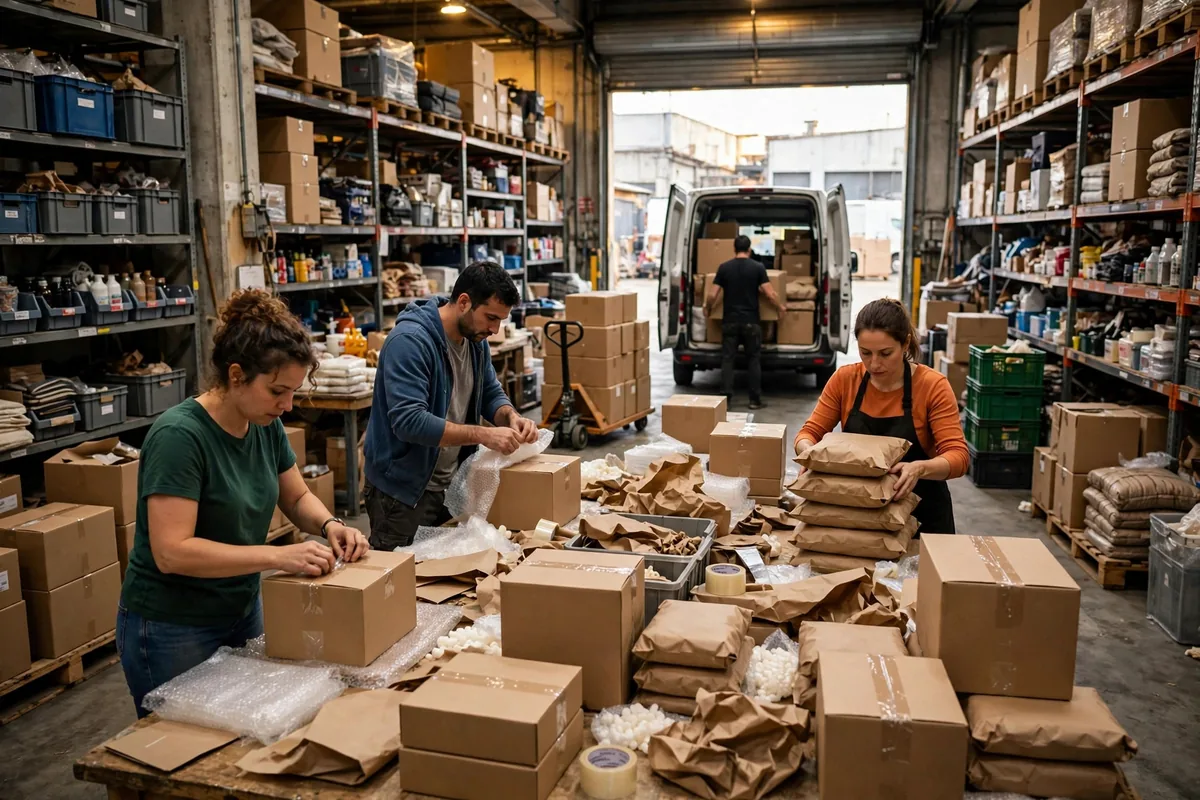
Let me be honest about our warehouse before I tell you anything else about Brazil Black Friday: we are small. On a normal day we ship around eighty orders with two people packing and one handling dispatch, and that is a comfortable day. During Brazil Black Friday week last year, daily orders shot up past three hundred, nearly four times the normal volume. Same people, same floor space, same thin budget. The orders came in like a flood, and I was happy and terrified at the same time — happy because the orders were real, terrified because the warehouse was not ready for them.
That week taught me the one lesson small warehouses need most about Brazil Black Friday e-commerce warehouse fulfillment: the surge itself is not the danger. The danger is taking orders you cannot fulfill cleanly. Late shipments, wrong picks, and a returns pile blocking the aisle will eat your margin faster than a quiet week ever could. We cannot afford to burn money learning that twice, so this year we changed our approach entirely. No big-company playbook. Just careful math, done early.
Our Mess: When the Surge Hit, the Warehouse Broke First
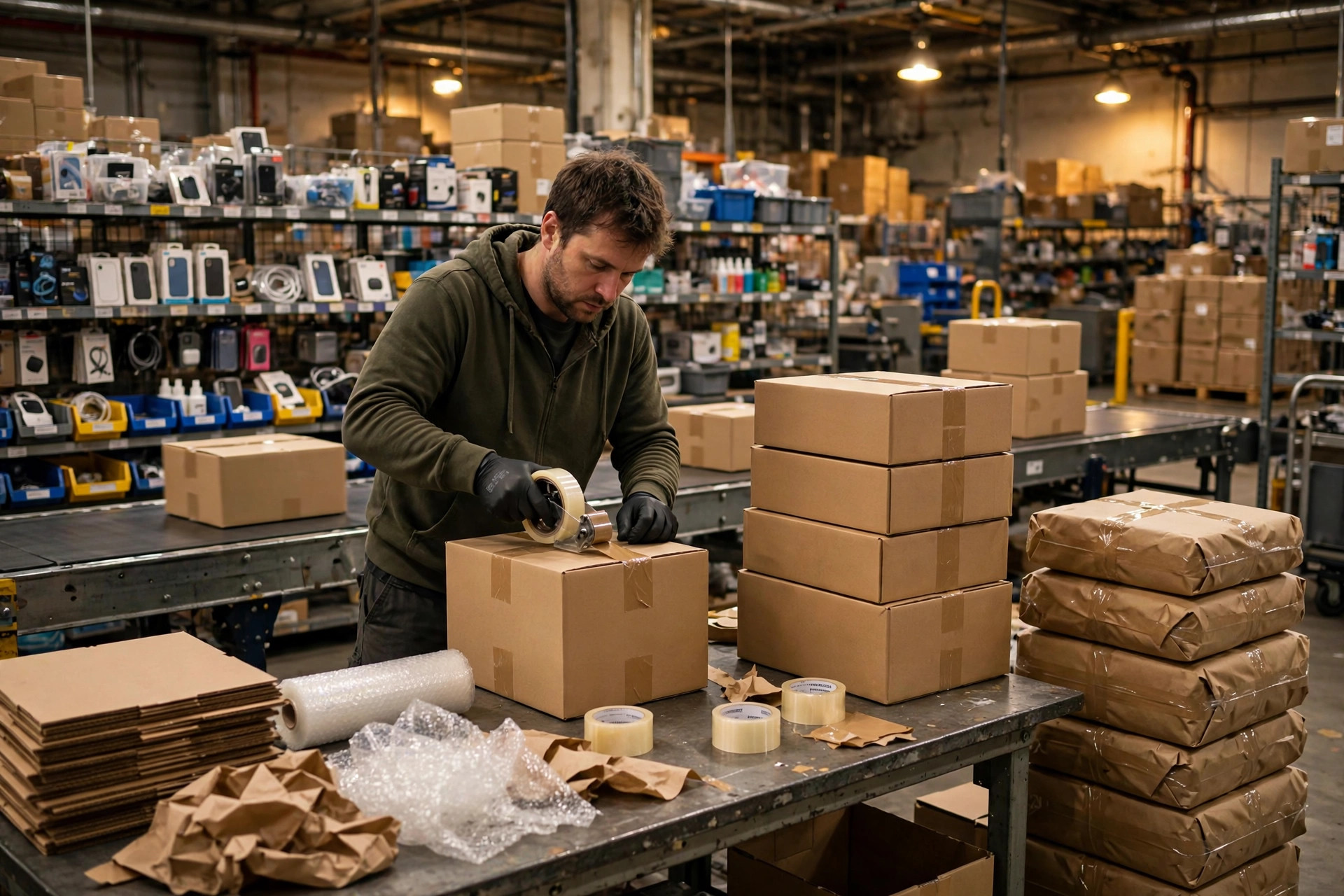
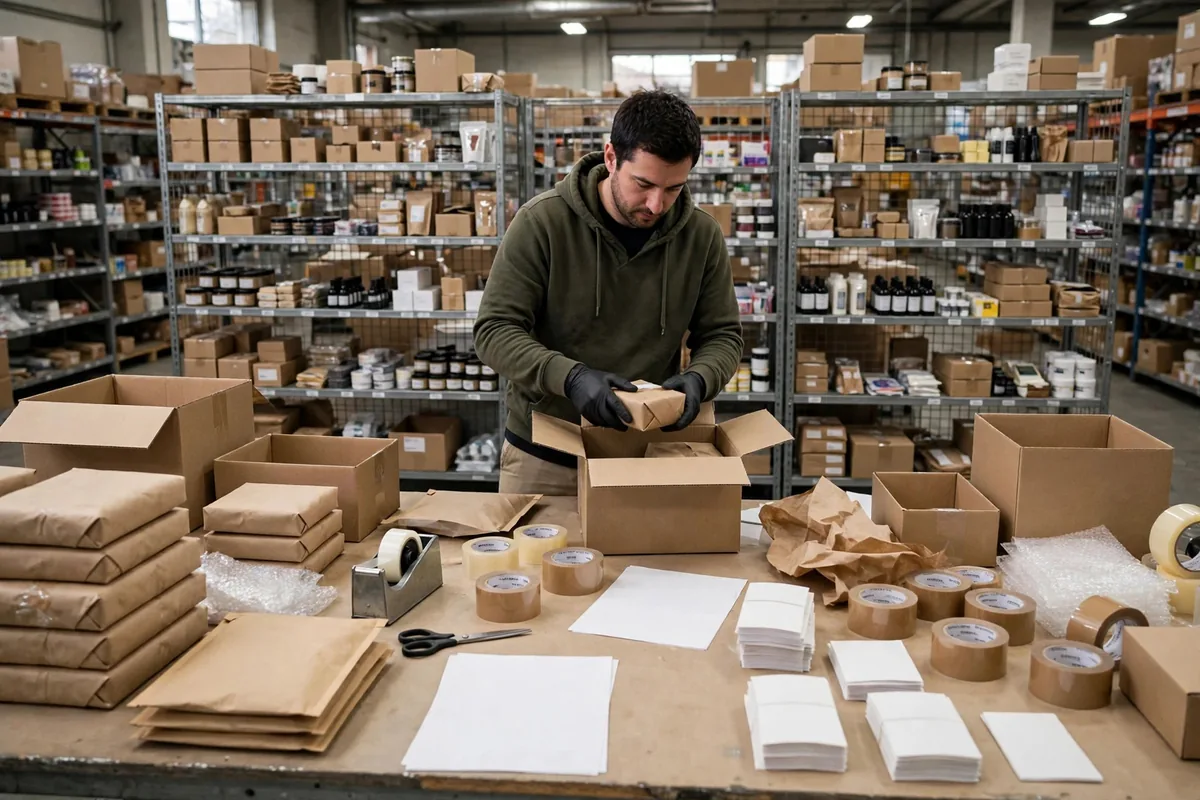
The packing bench broke first. Normally an order moves from picking to sealed box in a few minutes. During peak week, the bestsellers all moved at once, pickers ran back and forth across the same aisles, and boxes, filler, and the label printer took turns failing. One afternoon the printer jammed twice, and the queue stretched to the door. I stood in the middle of it not knowing which fire to put out first.
Inventory broke second. We had stocked up on instinct, and the result was painfully predictable: one color sold out on day two while another color barely moved and is still sitting on the shelf. Then the returns came. For two weeks after the sale, returned parcels poured back in and filled every spare corner, so new stock could not get in and old stock could not get out.
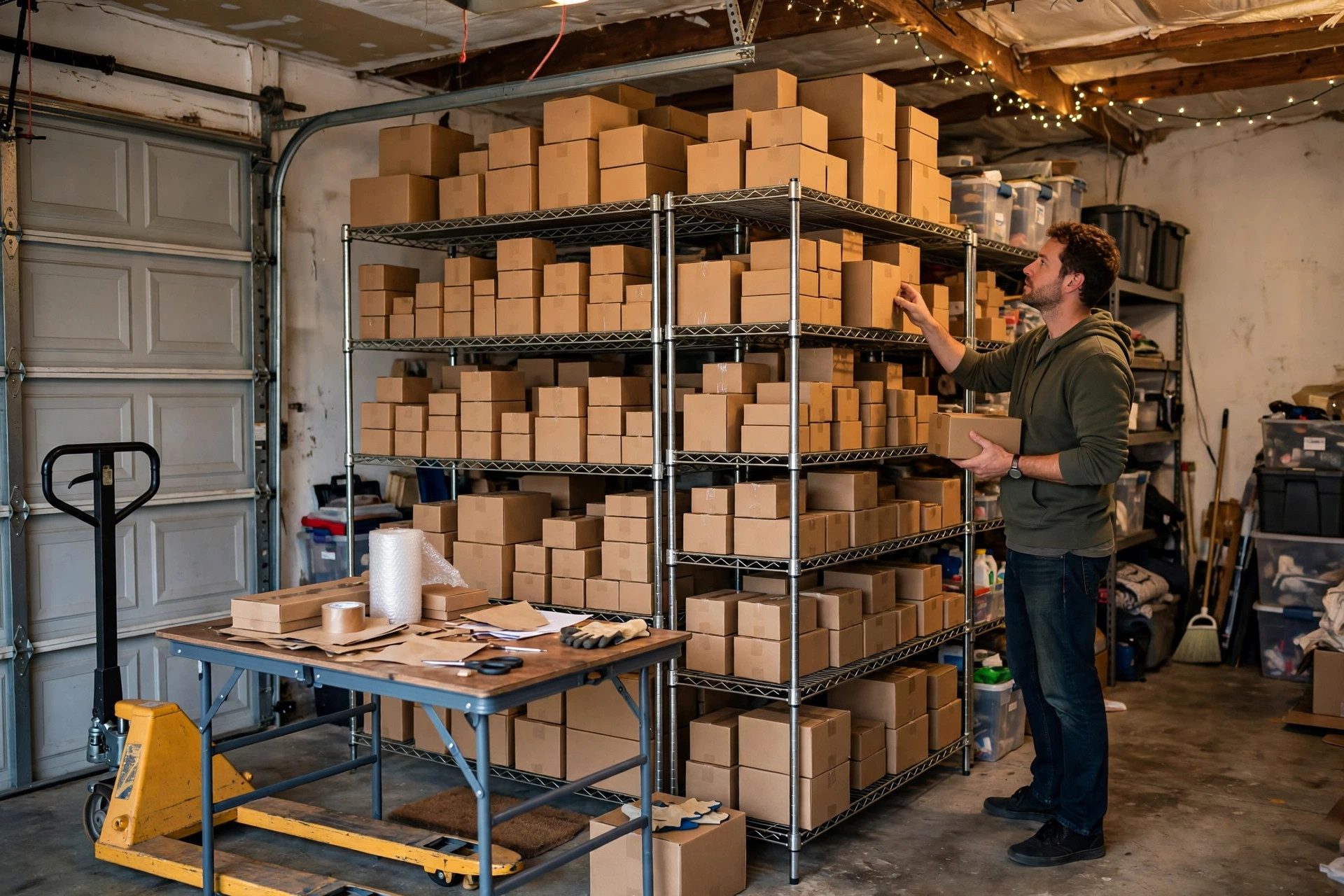
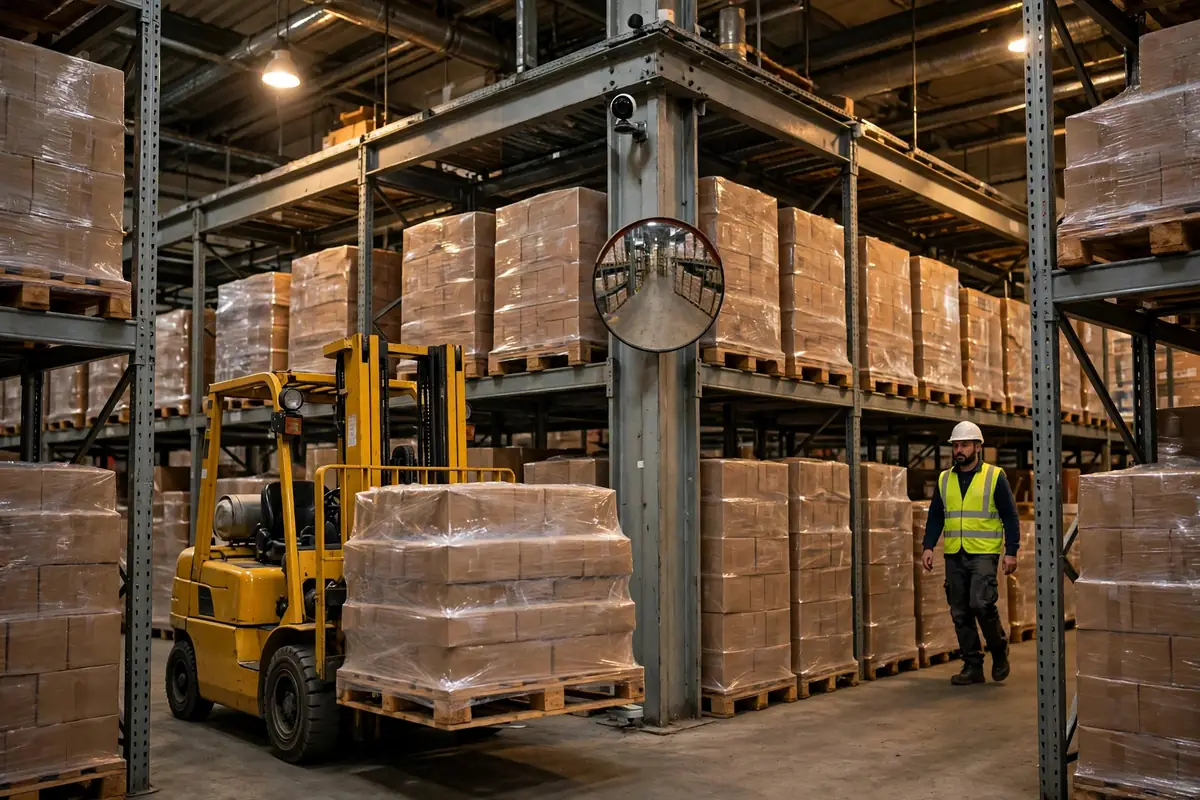
Here is the uncomfortable truth most peak-season advice skips: for a small warehouse, overstocking hurts more than a stockout. A stockout costs you one order's profit. Overstock costs you cash flow and floor space, and when cash flow stops, the whole warehouse stops. I would rather lose one sale than let a wall of unsold stock choke the operation. That single judgment now drives everything we do before Brazil Black Friday.
Brazil Black Friday Stock Planning: Three Accounts to Settle First
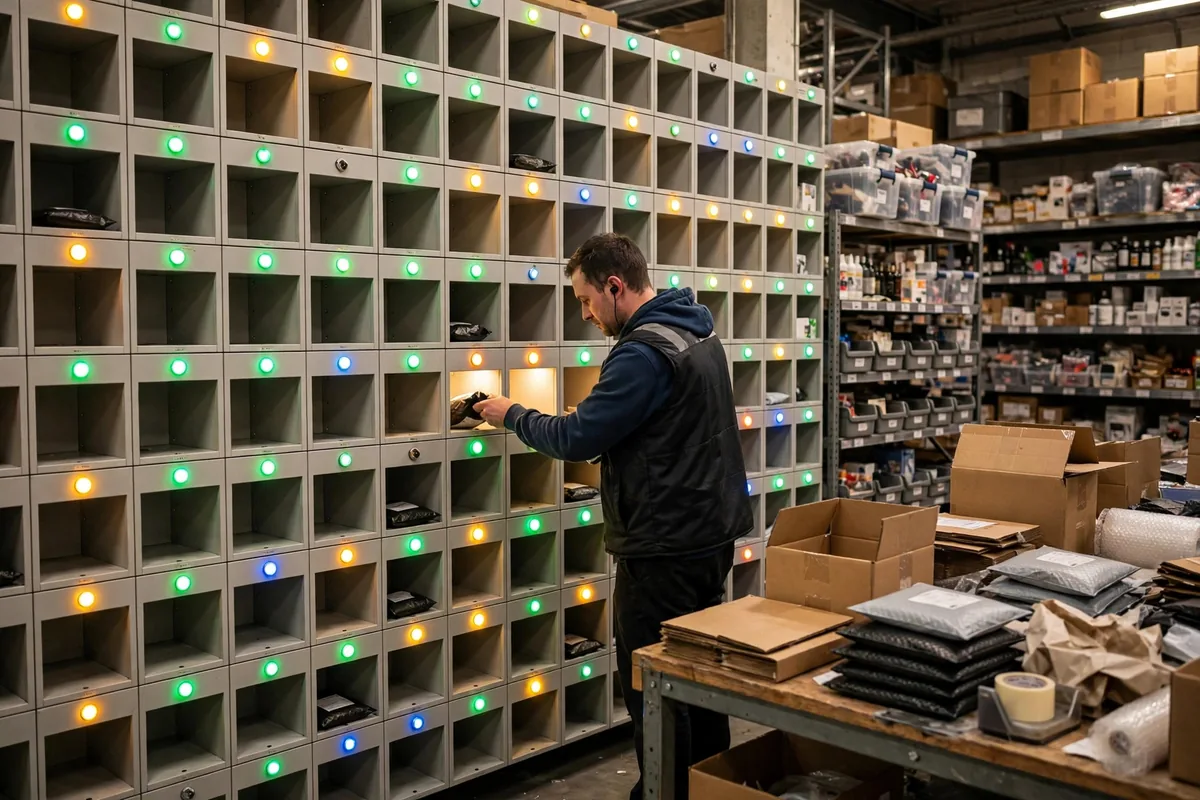
The first account is inventory. Our scrappy method is simple: do not stock by what sold last year; stock by what has changed this year. If a product's price band, platform rules, and competitive landscape are roughly unchanged, it earns a bigger buy. If any one of those variables moved, we cut the buy. We sort products into three tiers by recent sales velocity. Steady sellers get real stock. Volatile ones get only a safety quantity. The rest we would rather restock mid-sale than drown in before the sale even starts.
The second account is split stock. Brazil's domestic logistics have real regional differences: delivery times and successful delivery rates vary noticeably by region, and parcels heading to more remote areas take clearly longer, with returns taking longer still on the way back. That turns into a practical question: keep everything in one warehouse to save management cost, or push a small batch of your steadiest bestsellers closer to where orders concentrate, in exchange for steadier delivery times? Our answer is light splitting. We do not build a second warehouse. We forward a small batch of proven bestsellers to a partner facility near the demand, and the main warehouse stays the main warehouse. It costs little, and it means one local disruption cannot sink every order at once. How much to forward, and with which carrier, should follow the latest policies on the platform's and carrier's official websites — do not trust last year's group-chat wisdom.
The third account is labor. We do not hire permanent staff for one week. We bring in temporary workers two weeks early, let them handle normal orders for a couple of days to learn the ropes, and only then put them on peak shifts. Shifts are cut by the hour, not by the day: double staffing at the packing bench during peak hours, one person covering picking and packing during quiet hours. And here is the cheapest trick we own: we break packing into three steps — pick, check, seal — and tape a step card to each station. New hires follow the card instead of relying on shouted instructions, and errors drop immediately.
| Area | Big-company playbook | Our small-warehouse workaround | Trade-off |
|---|---|---|---|
| Inventory | Stock deep, better safe than sorry | Three velocity tiers, safety quantities for volatile items | Less cash tied up, slightly higher stockout risk |
| Split stock | Warehouses everywhere | Main warehouse plus light forwarding of bestsellers | No heavy assets, steadier delivery |
| Labor | Hire a full seasonal crew | Temps plus veterans plus step cards | Lower cost, faster onboarding |
| Returns | Deal with it afterwards | Returns zone and staff ready before the sale | Returns surge never blocks the main aisle |
Brazil Black Friday Returns: Reserve Space and Hands Before the Wave
Most sellers start worrying about returns after the sale. We now do the opposite: we mark out the returns zone before the sale. It is gloriously low-tech — yellow tape on the floor in a corner, a sign that says returns, and three piles: ready to resell, needs inspection, write-off. Items that pass inspection go back on the shelf the same day. The point is that when the returns wave arrives, the main aisle stays open and pickers are not climbing over return boxes to do their jobs.
One more detail worth flagging: installment payment is common in Brazil's local e-commerce, so refunds and installment cancellations do not move on the same rhythm as elsewhere. Leave budget room for that, and reconcile refunds and in-transit orders every evening during peak week. Check the platform's and payment provider's official websites for the latest policy rather than guessing from last year's experience.
There is also one small account everyone forgets: packing materials. One year we ran out of large boxes on day three of peak week, bought emergency replacements at a premium, and the sizes did not fit, so several orders got repacked twice. Now we work backwards from peak-day order volume to calculate boxes, tape, and filler, then add twenty percent as a safety buffer. The materials cost almost nothing compared with a stockout. And one more scar from experience: two similar-colored products once sat on neighboring shelves, and temp workers mispicked more than a dozen orders. The return shipping and rework cost roughly a week's wages for one worker. Since then, similar products live apart, with big color cards on the shelf. Crude, but it works.
This year, peak-week volume tripled again — and the bench did not jam up to the door, mispicks fell sharply, and the returns zone never blocked the aisle. The best part was the bottom line: inventory did not strangle our cash, temp labor money was spent visibly and deliberately, and we came out of the sale with a reputation among repeat customers as a seller that ships reliably.
If you run a warehouse like ours, here is my advice in three lines. First, tier your inventory by real sales velocity and stop stocking on gut feeling. Second, split stock lightly — a small forward batch of bestsellers beats a second warehouse you cannot afford. Third, get the returns zone and the shift plan in place before the wave, not during it. Big sellers have their way of playing Brazil Black Friday. Small warehouses have their own way of surviving it, and it works.
By Xiao Ma, Small Warehouse Owner