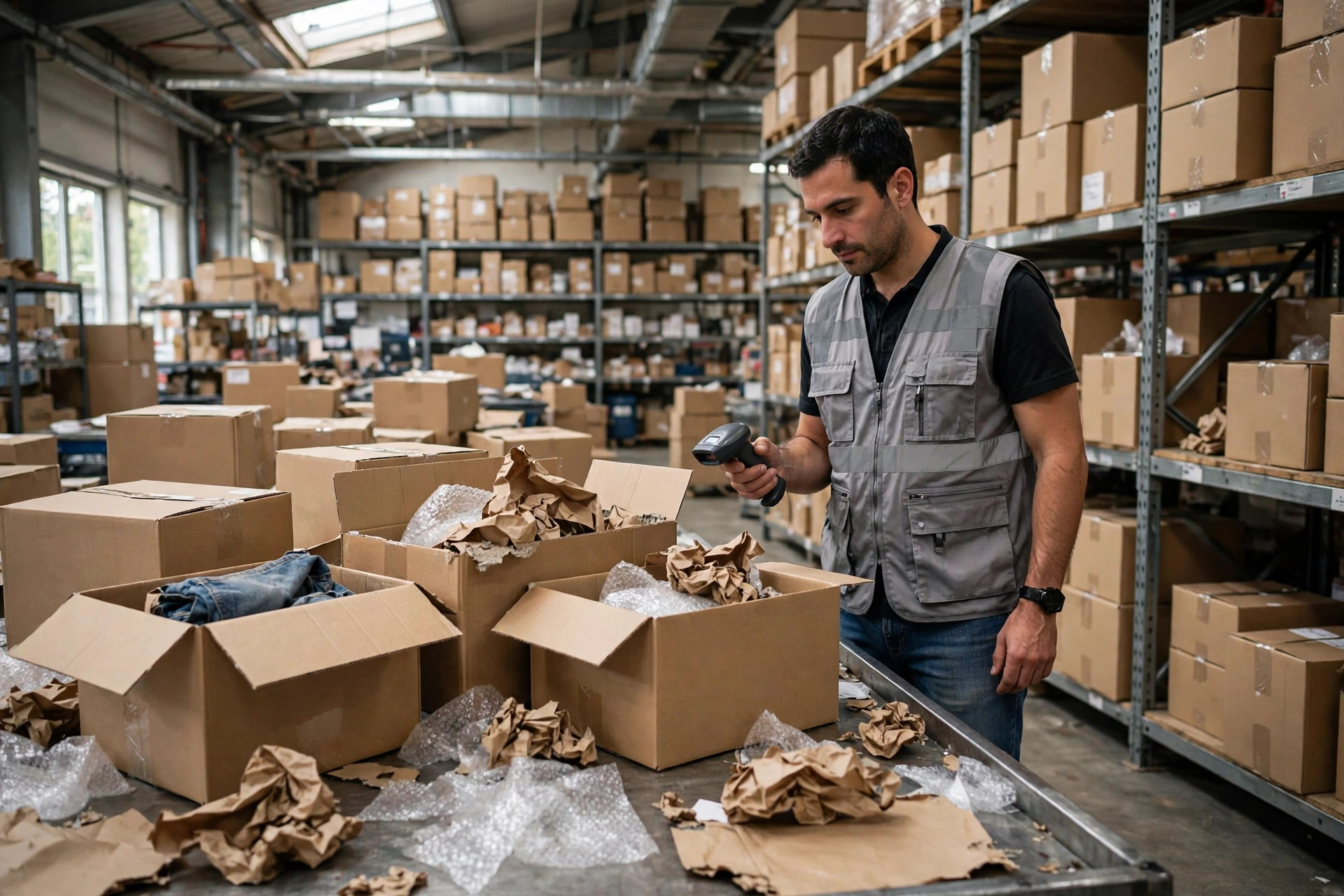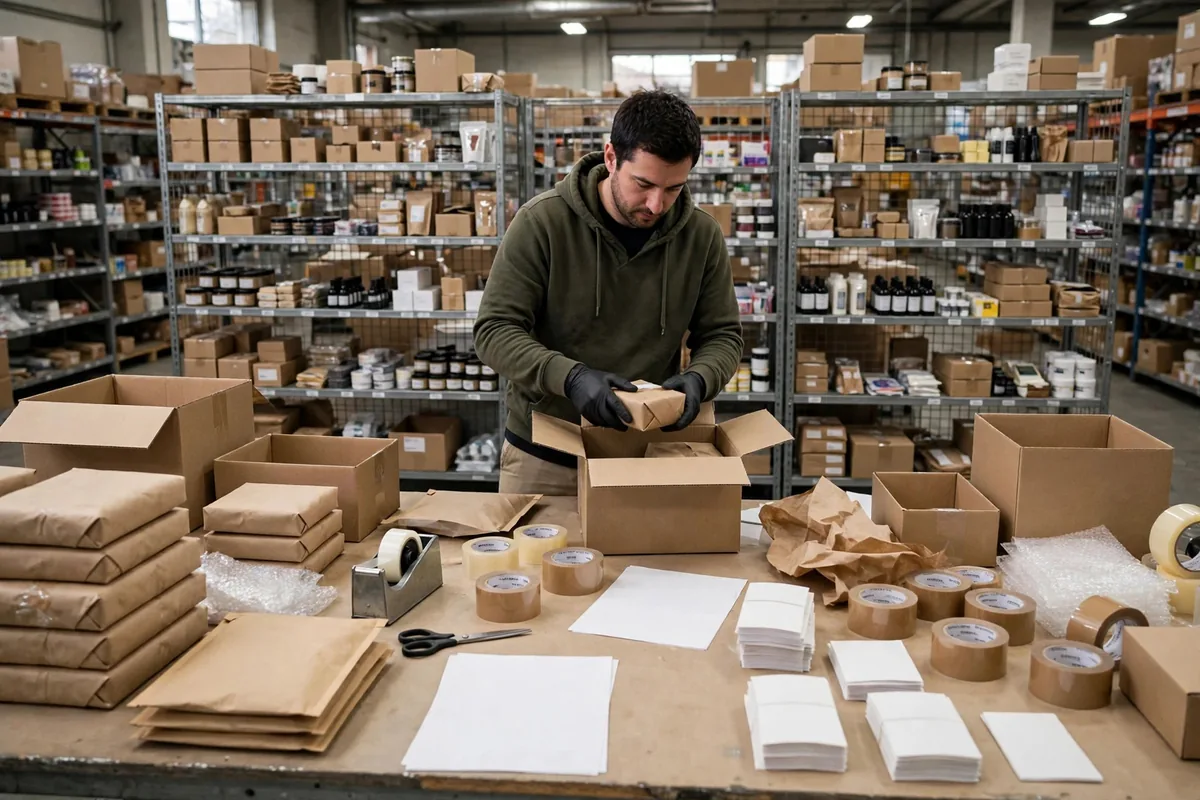
TikTok Shop fulfillment in the US runs on a clock that does not care how viral your video went. A seller-fulfilled order has to leave in 2 business days, land within 6, and if no tracking shows up in 5 business days TikTok Shop cancels it. That is the whole game in one sentence.
Amazon changed the rules again? No. This time TikTok Shop changed your warehouse schedule, and it did it without asking how your 3PL works. I have sold cross-border for five years, and my worst week on TikTok Shop was not a bad product. It was stock sitting in a warehouse while the dispatch clock ran out.
TikTok Shop Fulfillment Rules: The 2-Day Clock Is Real
Count business days only. Weekends and US federal holidays do not count. The clock starts when the order hits Awaiting Shipment. A printed label means nothing. TikTok Shop wants a carrier acceptance scan, a USPS manifest, or an in-app scan. No scan, no dispatch.
The scoreboard behind the clock is just as blunt. TikTok Shop recommends keeping your Late Dispatch Rate at 4% or lower, and enforcement can kick in above 10%. Valid Tracking Rate has to stay at 95% or higher. On-Time Delivery Rate sits at 80% or higher. Seller-Fault Cancellation Rate stays at 2.5% or lower. Check Seller Center before you act on any of these, because TikTok Shop updates its policy pages often.
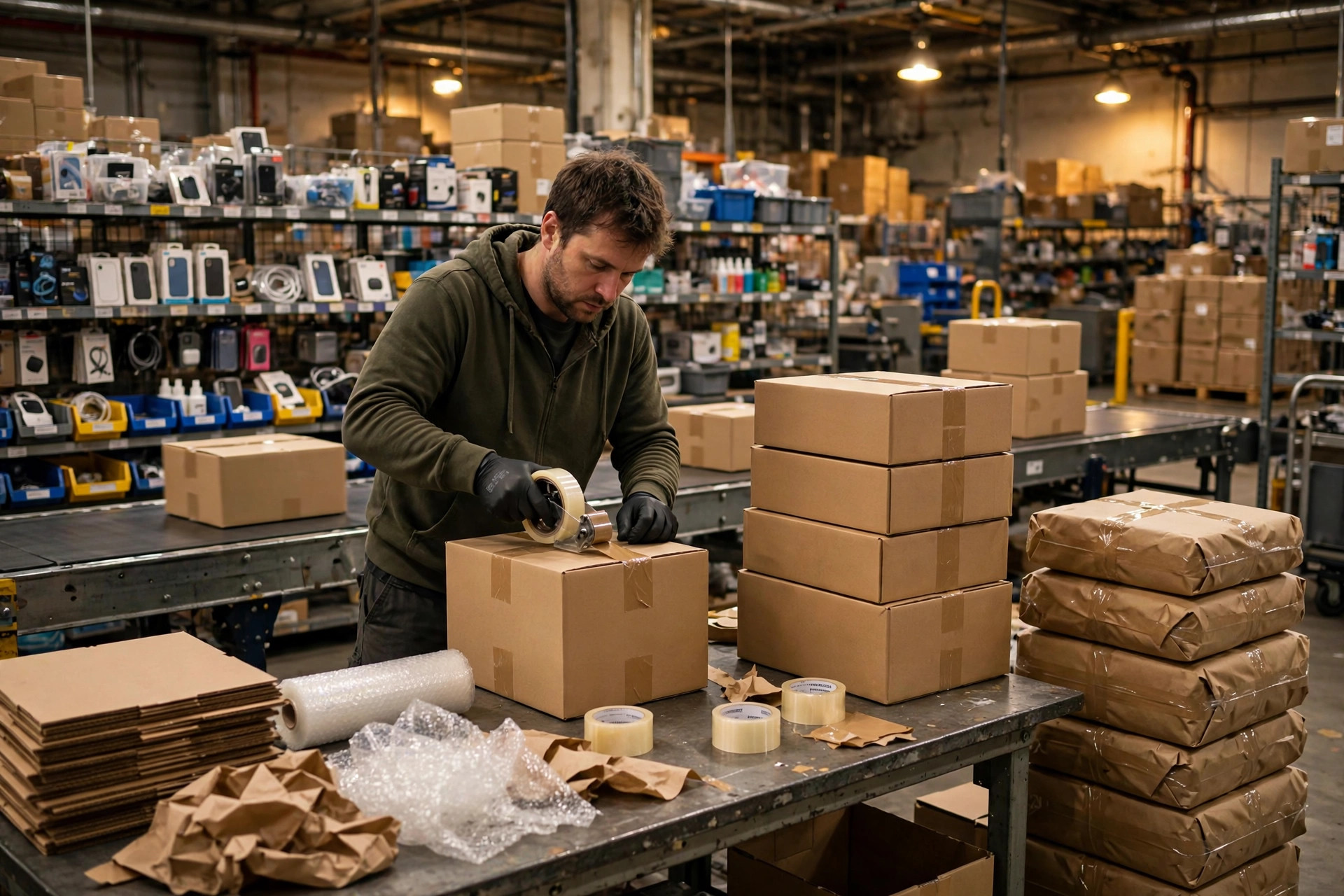
Illustrative example: in September 2026, a Los Angeles 3PL was shipping a $29.99 home gadget for me. A video took off on a Thursday night. Daily orders jumped from 40 to 300. The warehouse shipped 180 on Friday and left the rest for Monday. No carrier scan over the weekend meant those orders missed the 2-day window. Late Dispatch Rate for that week hit 9%. One point from the enforcement line, and the stock was right there in the building.
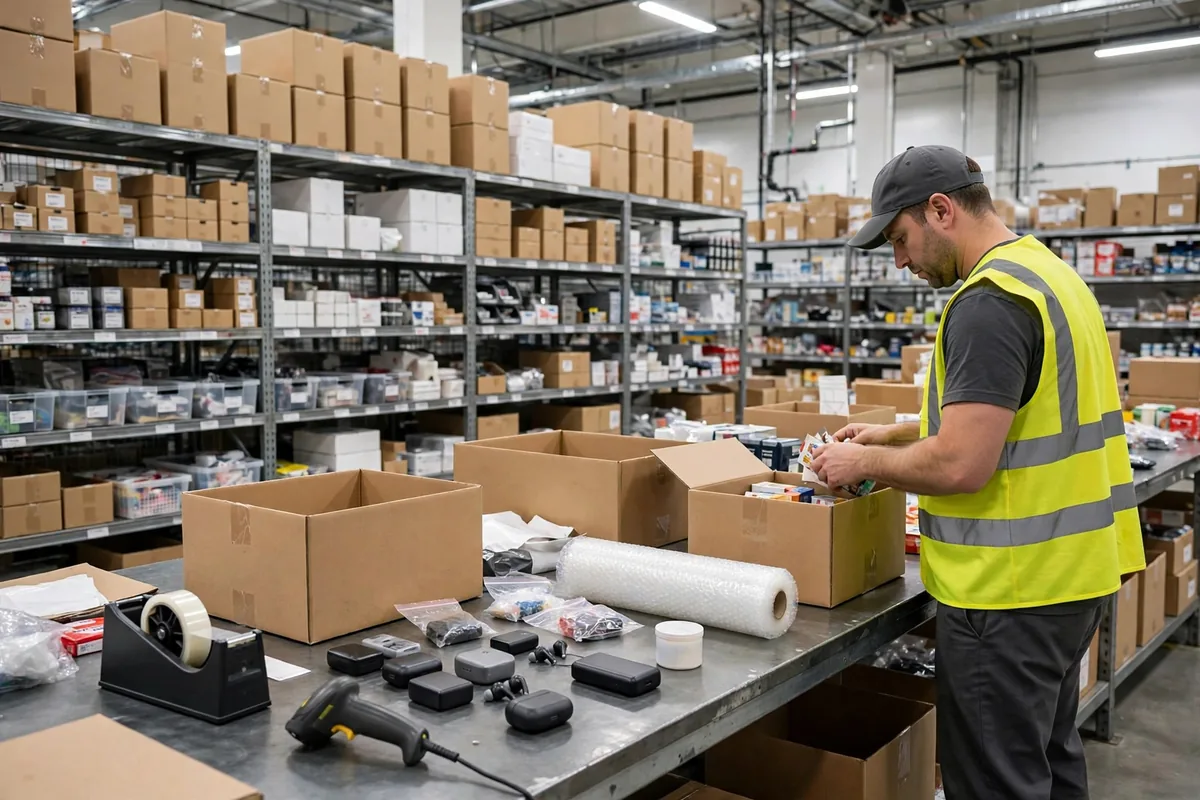
My fix is boring, and it works. I set a 3 p.m. cut-off every day. Everything before cut-off ships the same day. Everything after cut-off gets picked first the next morning. Put the cut-off in the 3PL contract, not in a chat message. If your warehouse cannot name its cut-off time, it cannot run TikTok Shop orders.
Handling time is part of the same trap. Regular listings default to 1 to 2 business days. Custom, made-to-order, and backorder listings can carry longer handling times, but only if you set them before the order arrives. You cannot fix handling time after the buyer has paid.
Stock Rhythm for TikTok Shop Fulfillment: Plan Around 60 Days
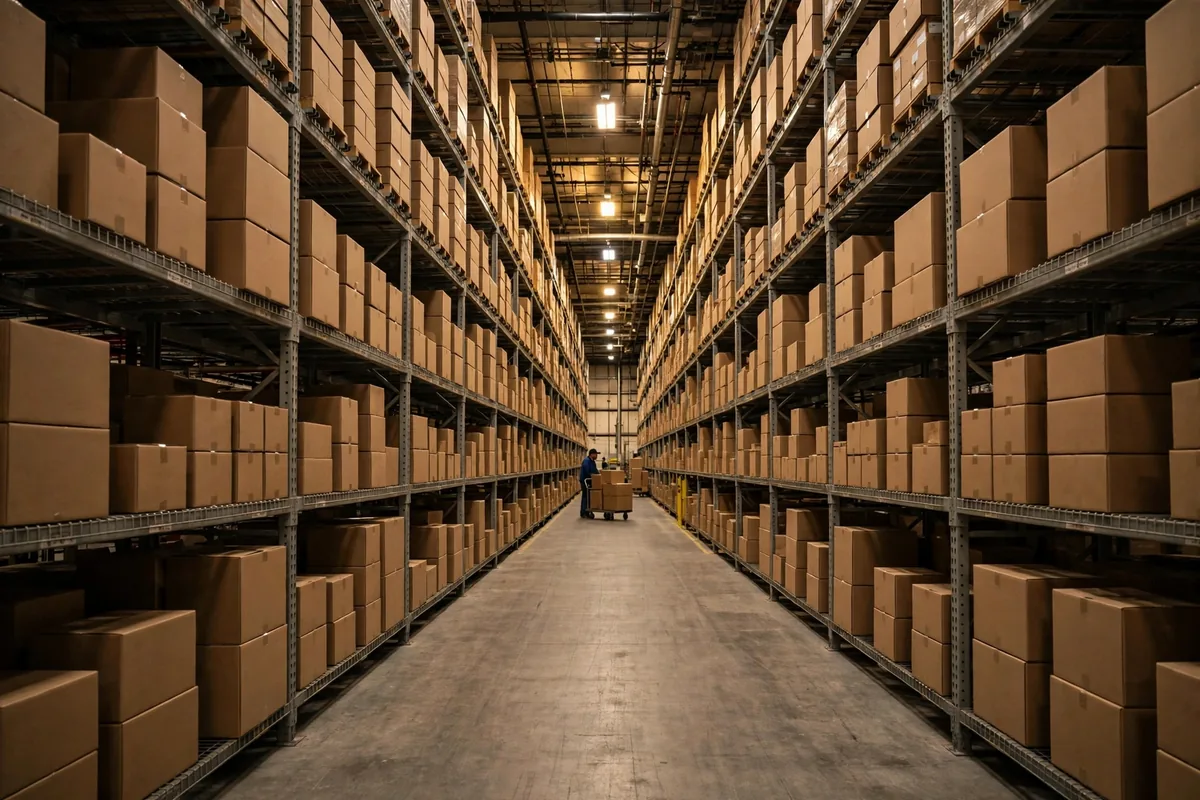
Fulfilled by TikTok, or FBT, is TikTok Shop running the warehouse for you. TikTok Shop says 98% of FBT orders ship within 1 calendar day and 80% arrive within 3 business days. Each inbound shipment gets 60 days of free storage. Standard units cap at 50 lb with no side over 26 inches. Heavy and bulky units go up to 150 lb with no side over 108 inches. Inbound timing matters too: a single-hub plan has to arrive within 7 days of the first carton, a multi-destination plan within 21 days.
That 60-day free storage window is my stocking metronome. Stock 90 days and you pay storage on the extra 30. Stock 30 days and one viral video empties you. An out-of-stock cancellation after purchase counts as seller fault, so a stockout hits the same scoreboard as a late shipment.
Do the math before you order. Illustrative example, hypothetical figures: a $30 product selling 50 units a day needs 3,000 units for 60 days. At a 6% referral fee, TikTok Shop takes $1.80 per order. If 300 of those 3,000 units go stale and you clear them at a $5 loss each, that is $1,500 gone. Stock only 20 days instead, go out of stock for 10 days during a spike, and at $8 margin per unit on 50 units a day, you lose $4,000 in margin. Overstocking hurts. Understocking hurts more. Sixty days is a compromise, not a guess.
| Route | Who ships | Clock pressure | Best for |
|---|---|---|---|
| FBT | TikTok Shop | Platform carries dispatch; FBT orders are exempt from Late Dispatch Rate | Steady sellers that spike |
| Seller-fulfilled with TikTok Shipping | You or your 3PL | In transit in 2 business days, delivered in 6 | US stock with uneven volume |
| Seller-fulfilled with your own carrier | You or your 3PL | Same 2-day dispatch, you control label cost | Sellers with negotiated rates |
Here is the counterintuitive part: FBT is not zero risk. FBT orders skip the Late Dispatch Rate, but your stock is now inside TikTok Shop's network. Moving it, pulling it back, or repacking it is slower than doing it in your own warehouse. I run proven sellers through FBT for volume and keep slow movers in my own warehouse. That split has held up for me across three spikes now.
Illustrative example: in October 2026, I pushed 2,000 units of a seasonal product into FBT in one go. Demand faded after three weeks to about 30 units a week. Once the 60-day free storage ended, storage fees started running and pulling stock back took days of queueing. Now I test a new product in my own warehouse for two weeks. Only when daily sales hold steady do I send a bulk batch to FBT.
Returns Warehousing: Your TikTok Shop Fulfillment Weak Spot
Buyers get 30 calendar days from delivery to request a return on eligible items. Sellers have to respond to return requests within 4 business days, and inspect returned parcels within 4 business days of receipt. Damaged or defective items carry protection up to 90 days. Miss the 4-day response window and TikTok Shop auto-approves the return.
Returns also cost money in ways sellers forget. Return shipping usually lands on the seller. On a refund, TikTok Shop keeps a refund administration fee equal to 20% of the referral fee, capped at $5 per SKU. On a $30 item at a 6% referral fee, that is $1.80 in commission and $0.36 kept as the admin fee. Small per order, real money at a 15% return rate. Check the current fee page in Seller Center, because fee schedules move.
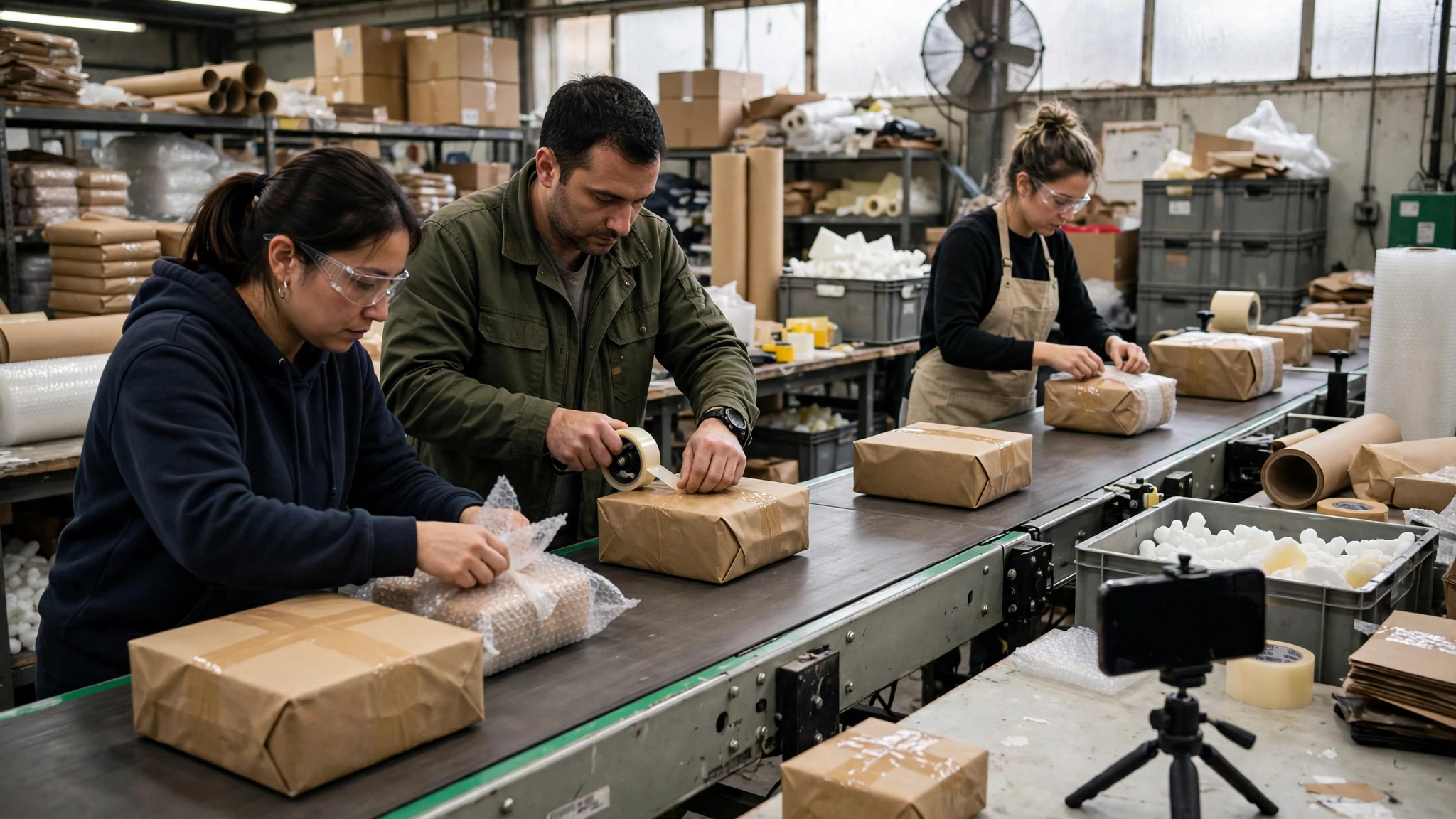
My returns warehouse runs on three bins. Bin A is resale-ready: inspected, clean, straight back to stock. Bin B is damaged packaging with a good product inside: rebox it and sell it. Bin C is genuinely broken: hold for bulk disposal or a claim. Three bins, no mixing. It sounds fussy. It cuts processing time in half.
Illustrative example: in October 2026, an East Coast returns warehouse took in 120 returns in one week. Seventy-eight were just "does not fit." Because Bin A and Bin B were kept separate, 96 units were back on sale within 3 days. Only 24 went to Bin C. Piled together in one heap, those 96 would have taken a week to sort, which is a week of lost sales on stock I already owned.
Pick your returns location for speed, not for cheap rent. A returns warehouse close to your main sales region gets inspected units back on sale faster and keeps your appeal evidence inside the 30-day window. Keep photos and inspection notes for every speedy-refund appeal. TikTok Shop can refund the buyer as soon as the carrier scans the return drop-off, before your warehouse ever sees the parcel. Your appeal is your only way back, and it has a 30-day deadline.
One more trade-off sellers miss: a longer return window can lift conversion, but it also stretches your returns tail. I keep the default 30 days. Extending it to 45 or 90 days sounds buyer-friendly until peak season piles returns on top of new orders in the same warehouse. Your pickers cannot pack new orders and grade returns in the same aisle at the same time without one of them slowing down.
TikTok Shop US rewards sellers whose warehouse keeps pace with their videos. Set the cut-off, stock to 60 days, and sort returns into three bins. That is the whole system. It worked for me, and it is boring enough to survive the next viral spike.
By Ah K, E-commerce Seller (5 yrs)